Damage Restoration in San Patricio County, TX
- Damage Restoration Services Overview
- Common Damage Restoration Issues in San Patricio County, Texas
- Neighborhoods We Serve in San Patricio County
- Seasonal Damage Patterns in San Patricio County
- Housing Characteristics & Restoration Considerations
- Environmental Conditions & Damage Implications
- Storm Recovery and Advanced Drying Technology for Coastal Bend Properties
Damage Restoration Services Overview

What would you do if you walked into your Sinton kitchen at 2 a.m. and found water spreading across the floor - or smelled smoke long after the flames were out? Property damage rarely announces itself politely, and along the Coastal Bend it often arrives with wind, hail, and power outages attached.
Recent high winds and hail left more than 2,000 San Patricio County residents without electricity and damaged roofs, siding, and interiors. Conditions are improving, but recovery resources remain stretched thin across the county.
Paul Davis responds 24/7 across Texas with a full range of restoration services for homes and businesses:
- Water Damage Restoration - extraction, structural drying, and moisture mapping after roof leaks, pipe failures, and storm intrusion
- Flooded Basement - pump-out and drying for below-grade rooms, storm cellars, crawl spaces, and sunken slab areas
- Sewage Cleanup - safe removal of contaminated water from backups, septic failures, and overwhelmed municipal lines
- Fire Damage Restoration - stabilization, debris removal, content cleaning, and structural rebuild
- Smoke Damage Restoration - soot removal, HVAC cleaning, and odor neutralization
- Mold Removal - containment, remediation, and humidity control in a climate that encourages growth year-round
Fast response limits secondary damage, protects belongings, and shortens the time your family spends displaced.
Common Damage Restoration Issues in San Patricio County, Texas
San Patricio County sits between Corpus Christi Bay and the coastal plains, which means storm exposure, high humidity, and flat drainage all work against property owners at once.
Local Causes of Damage
- Hail and straight-line winds that puncture shingles and let rain into attics and wall cavities
- Tropical systems and heavy rain events that overwhelm ditches, culverts, and low-lying yards
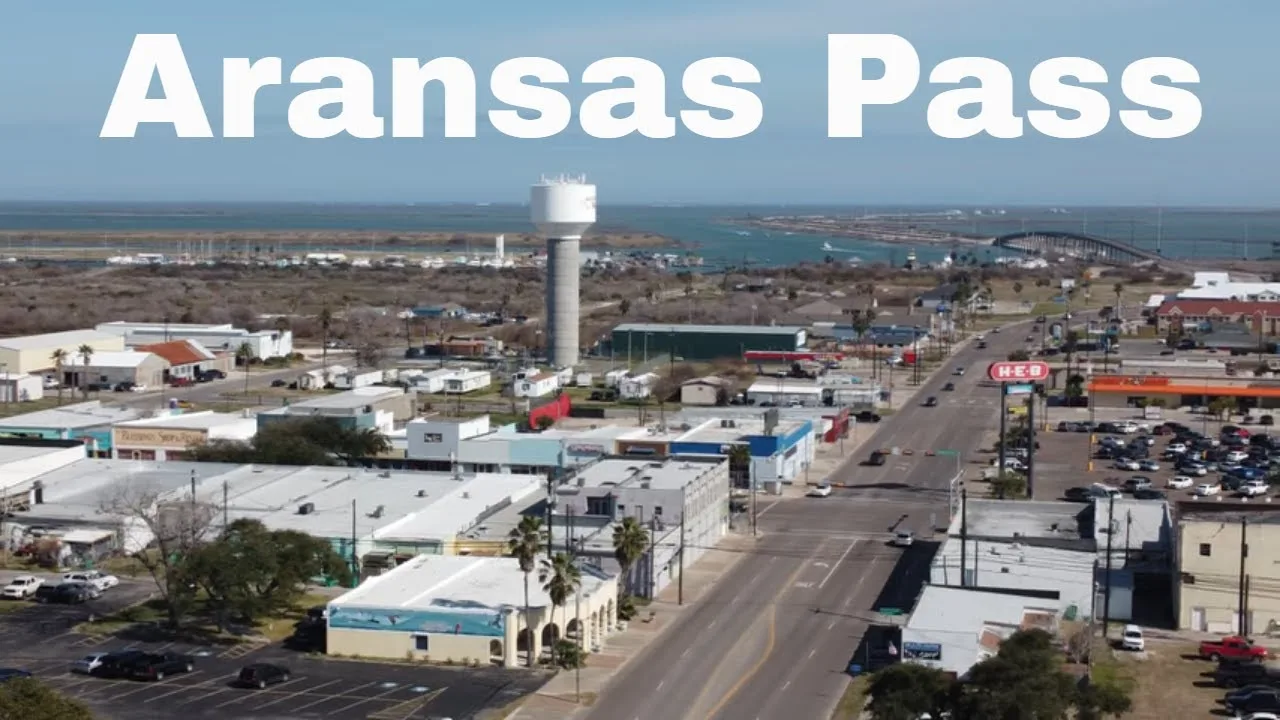
- Storm surge and bay flooding affecting Ingleside, Aransas Pass, and Portland waterfront properties
- Sewer and septic backups when saturated soil prevents drain fields from absorbing waste
- Kitchen fires, grill fires, and electrical faults - often worse during outage periods when generators and candles are in use
- Refinery-corridor dust and salt air that accelerate corrosion on HVAC and electrical components
Warning Signs Worth Acting On
- Ceiling stains, bubbling paint, or a soft spot in drywall after a hailstorm
- Musty odors in closets, under sinks, or near exterior walls
- Gurgling drains or slow toilets after heavy rainfall
- Soot film on window sills, lampshades, or air return vents
- Warped baseboards, cupping wood floors, or separating tile grout
- Persistent smoke odor that returns when the air conditioning runs
Small signs escalate quickly in Gulf humidity. Mold colonies can establish within a day or two of unaddressed moisture, and sewage contamination spreads through porous materials fast.
Neighborhoods We Serve in San Patricio County
Our crews know the county's road network and traffic patterns, including US-181, Highway 35, and the Harbor Bridge corridor into Corpus Christi.
- Portland - bayfront subdivisions, Northshore, and newer developments off Wildcat Drive
- Sinton - the county seat, historic homes and downtown commercial properties
- Aransas Pass - waterfront residences, marinas, and coastal rentals
- Ingleside and Ingleside on the Bay - industrial-adjacent homes and shoreline properties
- Mathis - Lake Corpus Christi communities and surrounding ranch properties
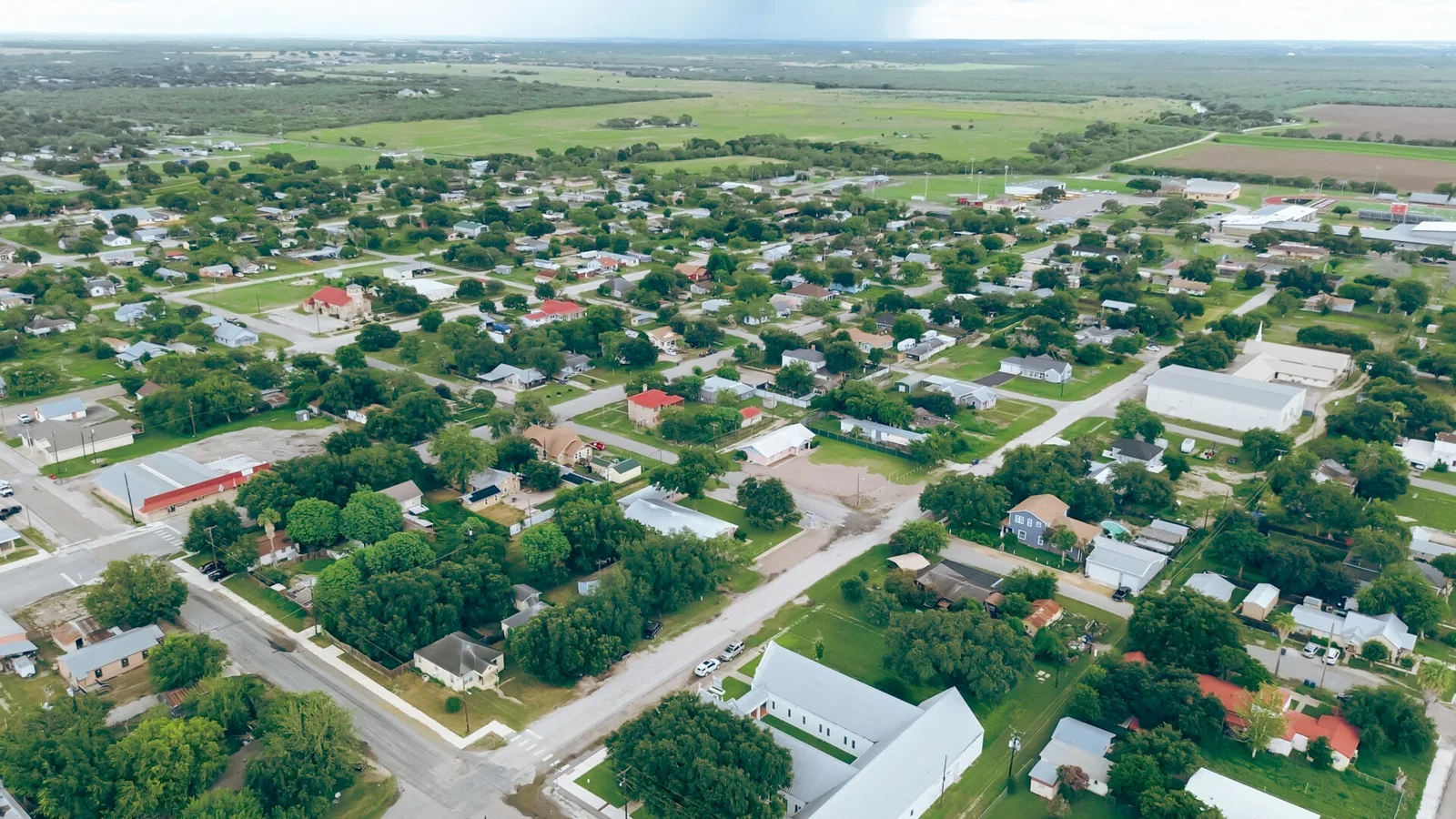
- Taft, Gregory, Odem, Edroy, and Lake City - smaller towns with older housing stock
- Rural areas along FM 1074, FM 3284, and farmland between Odem and Sinton
We also support neighboring communities in Nueces, Aransas, and Bee counties when regional storms create widespread demand.
Seasonal Damage Patterns in San Patricio County
Spring (March - May)
- Hail and severe thunderstorms driving roof leaks and water damage
- Rising humidity restarting dormant mold growth
- Heavy downpours flooding basements, crawl spaces, and garages
Summer (June - September)
- Peak hurricane and tropical storm season with wind-driven rain and surge flooding
- Sewage backups when saturated ground stalls septic systems
- Air conditioning condensate line clogs causing hidden ceiling and closet water damage
- Mold remediation demand at its highest as indoor humidity climbs
Fall (October - November)
- Late-season tropical activity and lingering flood recovery work
- Grass and brush fires during dry, windy stretches
- Post-storm mold discovery in walls that were never fully dried
Winter (December - February)
- Occasional hard freezes bursting exposed and uninsulated pipes
- Heating equipment, fireplace, and space heater fires producing smoke damage
- Holiday cooking fires and kitchen soot cleanup
Housing Characteristics & Restoration Considerations
Housing in San Patricio County spans mid-century bungalows in Sinton and Taft to newer slab-on-grade subdivisions in Portland. That mix shapes how each restoration project is handled.
Common Construction Types
- Slab-on-grade homes - the regional standard; water spreads laterally under flooring and wicks into wall bases
- Pier-and-beam homes - common in older towns; crawl spaces trap moisture and invite mold and wood rot
- Manufactured and modular housing - widespread in rural areas; particleboard subfloors and vinyl-backed wallboard fail quickly once wet
- Elevated coastal homes - in Aransas Pass and Ingleside on the Bay, with enclosed lower levels prone to surge flooding
- Brick veneer over wood frame - hides trapped moisture behind exterior walls after wind-driven rain
How Age and Materials Affect Restoration
- Homes built before the late 1970s may contain asbestos-bearing materials and lead paint, requiring testing before demolition
- Cast iron and clay sewer lines in older neighborhoods crack and root-intrude, raising sewage backup risk
- Original wood flooring and plaster respond to controlled drying rather than immediate replacement
- Blown-in attic insulation absorbs smoke odor and usually needs full removal after a fire
- Post-2000 construction is tighter and better insulated, which traps moisture and accelerates mold when leaks go unnoticed
We document construction details, moisture readings, and affected materials so insurance claims move forward without guesswork.
Environmental Conditions & Damage Implications
The county's coastal environment influences every stage of restoration, from drying times to odor control.
Climate and Humidity
- Subtropical conditions with relative humidity frequently above 70 percent
- Long warm seasons that keep mold spores active nearly year-round
- Open-window drying rarely works here - dehumidification equipment is required
Soil and Drainage
- Clay-heavy soils that hold water and shift with wet-dry cycles
- Slab movement and foundation cracking that create entry points for groundwater
- Flat terrain and shallow water tables that slow yard drainage and prolong flooding
- Saturated ground that stresses septic drain fields, contributing to sewage backups
Air and Water Quality Factors
- Salt-laden air accelerating corrosion on metal framing, fasteners, and HVAC coils
- Industrial and refinery-area particulates that combine with soot after a fire
- Floodwater from bays and drainage ditches often carrying bacteria, fuel residue, and silt
- Hard water mineral deposits that complicate cleaning of surfaces and contents
These conditions mean drying targets, antimicrobial application, and post-fire deodorization all need to be calibrated for the coast - not copied from an inland playbook.
Storm Recovery and Advanced Drying Technology for Coastal Bend Properties
After the recent wind and hail event knocked out power for thousands of residents, many properties took on water while homeowners had no way to run fans or air conditioning. That combination - moisture plus heat plus no ventilation - is exactly how mold gets established.
Equipment We Bring to Every Job
- Truck-mounted and portable extractors for bulk water removal from carpet, tile, and standing floodwater
- Low-grain refrigerant dehumidifiers engineered to pull moisture out of saturated coastal air
- Axial and centrifugal air movers positioned to create directed airflow across wet materials
- Thermal imaging cameras and penetrating moisture meters to find water behind drywall, under cabinets, and beneath slab flooring
- Injectidry and wall cavity drying systems that dry interiors without full demolition
- HEPA air scrubbers and negative air machines for mold containment and post-fire particulate control
- Hydroxyl and ozone generators plus thermal fogging for deep smoke odor neutralization
- Generators and portable power so drying continues even when the grid is still down
How a Storm Response Typically Unfolds
- Emergency call taken and a crew dispatched, day or night
- Safety assessment covering electrical hazards, structural stability, and contamination category
- Temporary protection - roof tarping, board-up, and debris removal
- Water extraction and removal of unsalvageable materials such as wet insulation and pad
- Antimicrobial treatment and mold containment where growth is present or likely
- Structural drying monitored daily with documented moisture readings
- Sewage decontamination or smoke and soot cleaning as the situation requires
- Reconstruction - drywall, flooring, paint, cabinetry, and finish work
Photo documentation, moisture logs, and detailed scopes are shared with your insurance carrier throughout, so you spend less time explaining the loss and more time getting your home back.