Damage Restoration in Fort Bend, TX
- Damage Restoration Services Overview
- Common Damage Restoration Issues in Fort Bend, Texas
- Neighborhoods We Serve in Fort Bend
- Seasonal Damage Patterns in Fort Bend
- Housing Characteristics & Restoration Considerations
- Environmental Conditions & Damage Implications
- Flood Zone Management and Restoration Strategies
Damage Restoration Services Overview
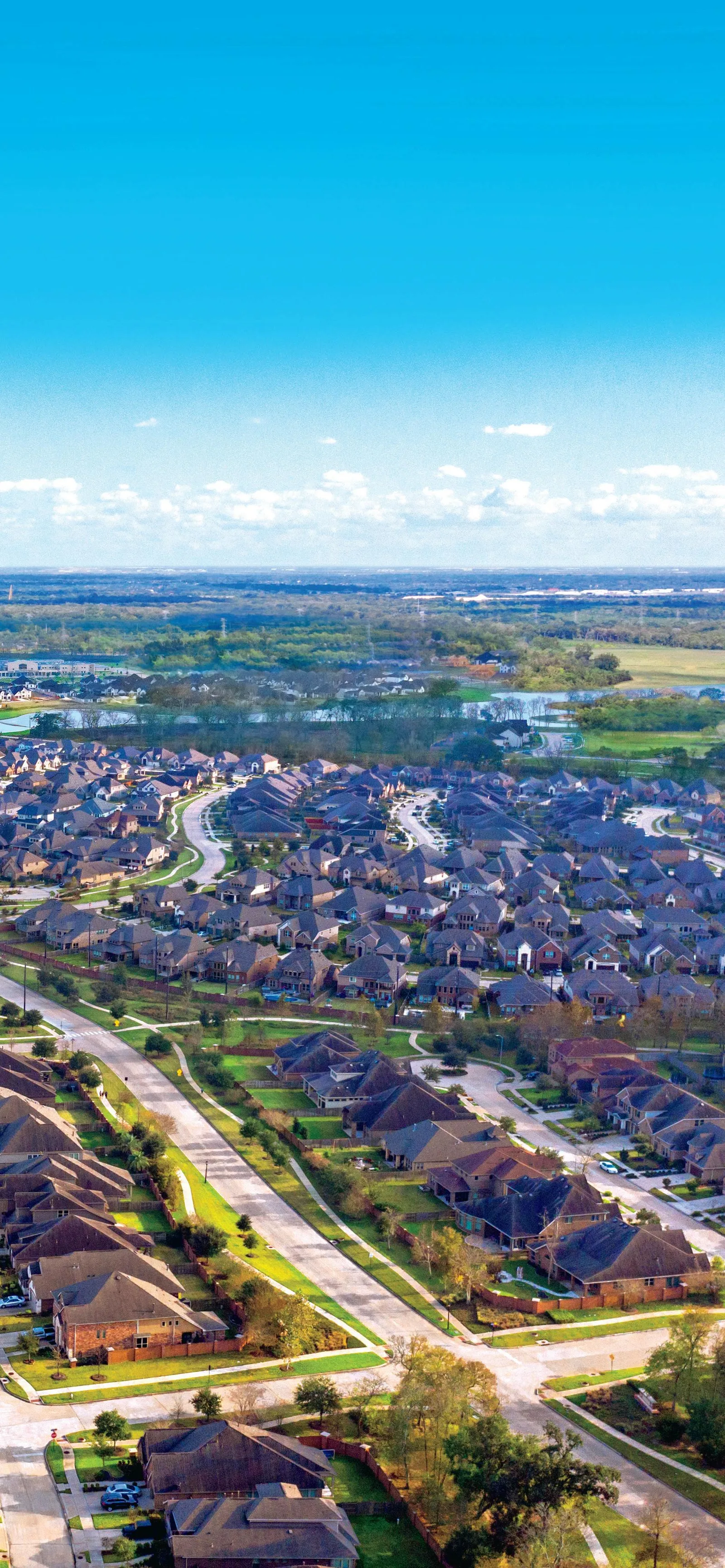
Fort Bend County faces unique restoration challenges due to its Gulf Coast proximity, clay soil composition, and rapid suburban development. The area's vulnerability to hurricanes, flooding, and severe weather creates ongoing demands for comprehensive damage restoration services.
At Best Option Restoration of Fort Bend County, we specialize in a complete range of emergency restoration services:
- Water Damage Restoration - From burst pipes to storm flooding
- Flooded Basement - Comprehensive water extraction and drying
- Sewage Cleanup - Safe removal and sanitization of contaminated water
- Fire Damage Restoration - Structural repairs and smoke odor elimination
- Smoke Damage Restoration - Deep cleaning and air quality restoration
- Mold Removal - Professional remediation and prevention strategies
Our 24/7 emergency response team understands that Fort Bend County homes and businesses require immediate action when disaster strikes. We combine advanced restoration technology with local expertise to restore your property efficiently while minimizing disruption to your daily life.
Common Damage Restoration Issues in Fort Bend, Texas
Fort Bend County's location along the Brazos River and proximity to the Gulf of Mexico creates specific restoration challenges throughout the year. The area's expansive clay soils and rapid development patterns contribute to recurring damage scenarios.
Water-related issues dominate restoration calls in our service area:
- Hurricane and tropical storm flooding affecting entire neighborhoods
- Foundation settling causing pipe breaks and basement seepage
- Sewage backups during heavy rainfall overwhelming municipal systems
- HVAC condensation issues in high-humidity conditions
- Roof leaks from wind-driven rain and hail damage
Fire and smoke damage patterns reflect both urban and suburban characteristics:
- Kitchen fires in busy family homes
- Electrical fires from aging wiring in older subdivisions
- Wildfire smoke infiltration during drought conditions
- Garage fires spreading to main structures
Mold growth accelerates rapidly due to Fort Bend's humid subtropical climate. Warning signs include musty odors, visible growth on walls or ceilings, and increased allergy symptoms among occupants. Early detection prevents extensive remediation projects.
Neighborhoods We Serve in Fort Bend
Our restoration teams provide comprehensive services throughout Fort Bend County's diverse communities. We maintain rapid response capabilities across both established and developing areas.
Primary service areas include:
- Sugar Land - Master-planned communities and commercial districts
- Katy - Residential neighborhoods and shopping centers
- Missouri City - Established subdivisions and new developments
- Stafford - Mixed residential and industrial properties
- Pearland - Growing suburban communities
- Richmond - Historic downtown and surrounding areas
- Rosenberg - Traditional neighborhoods and rural properties
- Fulshear - Rapidly expanding residential areas
We also serve unincorporated areas, rural properties, and commercial facilities throughout the county. Our local knowledge helps us navigate HOA requirements and municipal regulations efficiently.
Seasonal Damage Patterns in Fort Bend
Fort Bend County experiences distinct seasonal patterns that influence restoration service demands. Understanding these cycles helps property owners prepare for potential issues.
Spring (March-May) brings severe weather season:
- Hail damage to roofs and siding
- Tornado-related structural damage
- Heavy rainfall causing basement flooding
- Mold growth from increased humidity
Summer (June-August) features hurricane season peak:
- Tropical storm and hurricane flooding
- Power outage-related water damage
- Air conditioning failures leading to moisture issues
- Lightning-caused electrical fires
Fall (September-November) continues storm activity:
- Late-season hurricane impacts
- Sewage system overflows from rainfall
- Heating system fires as temperatures drop
Winter (December-February) presents unique challenges:
- Frozen pipe bursts during rare freezes
- Holiday cooking fires
- Fireplace and heating equipment incidents
Housing Characteristics & Restoration Considerations
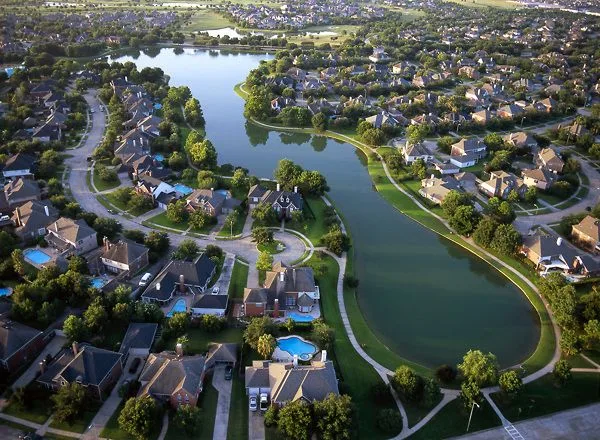
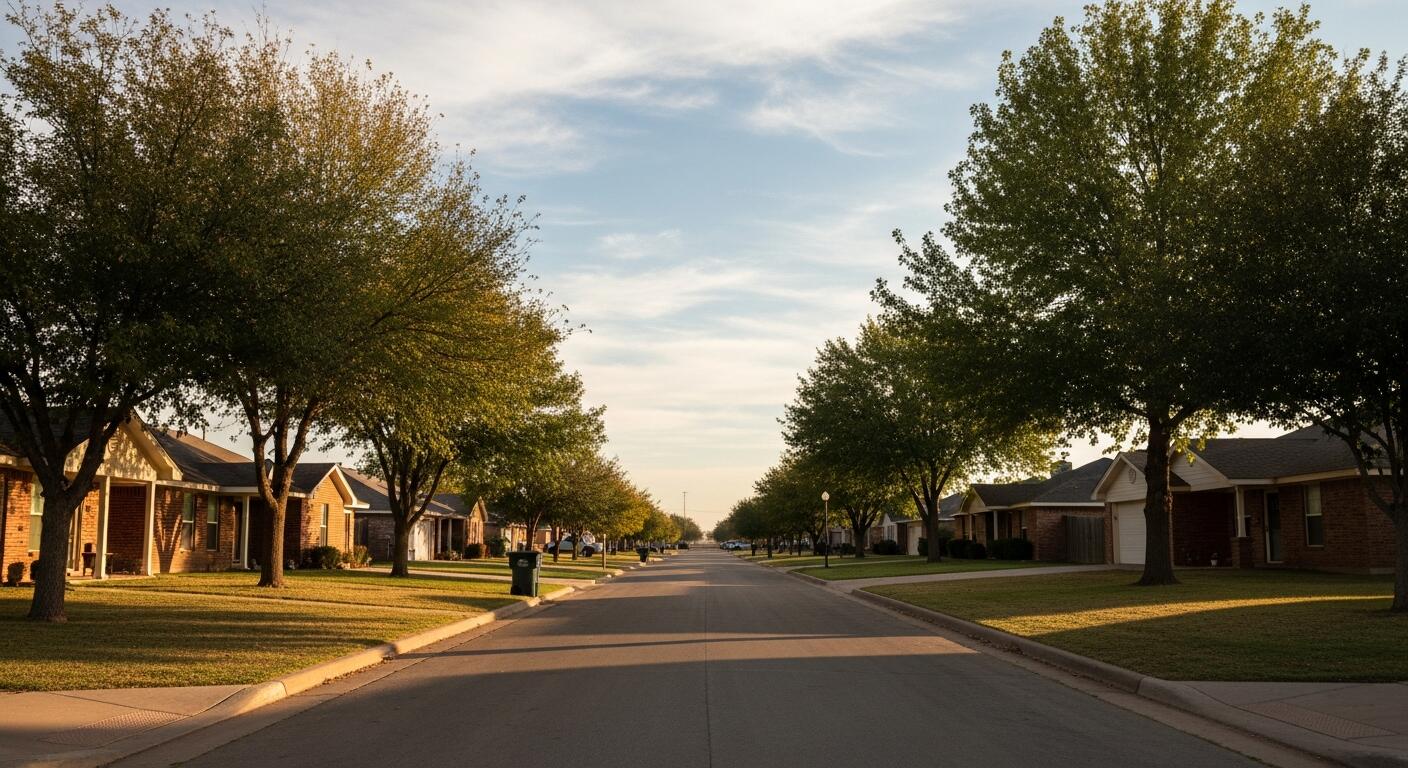
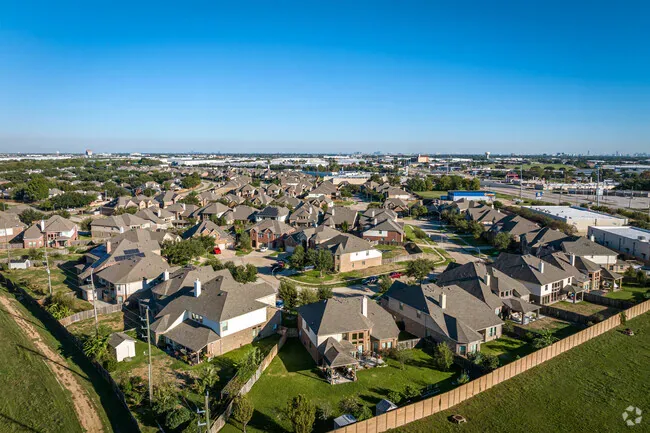
Fort Bend County's housing stock reflects decades of suburban growth, with construction spanning from 1970s ranch homes to contemporary master-planned developments. This diversity creates specific restoration challenges requiring tailored approaches.
Typical housing characteristics affecting restoration needs:
- Slab-on-grade foundations - Common in newer developments, requiring specialized water extraction techniques
- Pier and beam construction - Found in older areas, allowing easier access for water damage restoration
- Brick veneer exteriors - Popular throughout the county, requiring careful smoke damage cleaning
- Composition shingle roofs - Standard installation vulnerable to hail and wind damage
- Hardwood and tile flooring - Premium materials requiring specialized drying and restoration methods
Age-related considerations impact restoration approaches:
- 1970s-1980s homes often feature original plumbing prone to failures
- 1990s-2000s construction may have EIFS (synthetic stucco) requiring careful water damage assessment
- 2010s-present builds typically include modern moisture barriers but may have warranty considerations
Many properties feature finished basements or below-grade areas that require immediate attention during flooding events. Our teams understand local building practices and can efficiently restore these valuable spaces.
Environmental Conditions & Damage Implications
Fort Bend County's environmental conditions significantly influence damage patterns and restoration requirements. The area's humid subtropical climate, combined with specific geological and geographical factors, creates ongoing challenges for property maintenance.
Climate factors affecting restoration needs:
- High humidity levels (average 75-80%) accelerate mold growth and complicate drying processes
- Annual rainfall exceeding 45 inches increases flood risk and moisture intrusion
- Temperature fluctuations cause building materials to expand and contract, creating entry points for water
- Gulf Coast storm systems bring sustained winds and driving rain
Soil and water conditions present unique challenges:
- Expansive clay soils shift with moisture changes, affecting foundation integrity
- High water table in some areas increases basement flooding risk
- Poor drainage in flat terrain leads to standing water issues
- Mineral-rich groundwater can complicate water damage restoration
Air quality considerations impact smoke and fire restoration:
- Industrial emissions from nearby petrochemical facilities can compound smoke damage
- High pollen counts during spring months affect indoor air quality restoration
- Dust from construction activity in rapidly developing areas requires specialized cleaning
Flood Zone Management and Restoration Strategies
Fort Bend County's location within multiple FEMA flood zones creates complex restoration scenarios requiring specialized knowledge and rapid response capabilities. Our team maintains extensive experience with flood zone regulations, insurance requirements, and community-specific restoration protocols.
The county's flood zone classifications directly impact restoration approaches:
- Zone AE areas along the Brazos River require elevation certificates and specific drying protocols
- Zone X (shaded) moderate-risk areas still experience significant flooding during major events
- Zone X (unshaded) minimal risk areas can face unexpected water damage from infrastructure failures
- Coastal barrier zones in eastern portions face additional environmental restrictions
Our flood restoration process addresses both immediate damage and long-term prevention:
- Emergency water extraction using truck-mounted and portable equipment
- Contamination assessment determining clean, gray, or black water categories
- Structural drying with commercial dehumidifiers and air movers
- Antimicrobial treatment preventing mold growth in humid conditions
- Documentation for insurance claims and FEMA assistance programs
Community-specific considerations enhance our restoration effectiveness. Sugar Land's master-planned developments often feature integrated drainage systems requiring coordinated restoration efforts. Missouri City's mix of older and newer construction demands flexible approaches. Rural areas near Rosenberg may lack immediate utility access, requiring self-contained restoration equipment.
We maintain relationships with local contractors, permit offices, and insurance adjusters to expedite restoration timelines. Our understanding of Fort Bend County's building codes and HOA requirements helps property owners navigate complex restoration projects while maintaining compliance with community standards.