Damage Restoration in Lubbock County, TX
- Damage Restoration Services Overview
- Common Damage Restoration Issues in Lubbock County, Texas
- Neighborhoods We Serve in Lubbock County
- Seasonal Damage Patterns in Lubbock County
- Housing Characteristics & Restoration Considerations
- Environmental Conditions & Damage Implications
- Storm Response and Insurance Documentation for West Texas Property Owners
Damage Restoration Services Overview
Water spreads through drywall, subfloor, and insulation within hours, and smoke residue turns acidic on metal and glass almost as fast. In Lubbock County, where hailstorms, frozen pipe bursts, and caliche-heavy soil all complicate drainage, the window between a manageable loss and a costly rebuild is short.
Restoration crews across Lubbock and the surrounding West Texas plains handle the full spectrum of property damage - from a leaking supply line under a Tech Terrace kitchen sink to a commercial fire on the Marsha Sharp Freeway corridor.
- Water Damage Restoration - extraction, structural drying, moisture mapping, and monitoring until materials return to dry standard.
- Flooded Basement - pump-out, sump troubleshooting, and drying of below-grade rooms, storm cellars, and daylight basements.
- Sewage Cleanup - containment, removal of contaminated porous materials, antimicrobial treatment, and safe disposal.
- Fire Damage Restoration - debris removal, board-up, soot cleaning, and coordination on structural repairs.
- Smoke Damage Restoration - odor neutralization, HVAC cleaning, contents care, and surface deodorization.
- Mold Removal - containment barriers, HEPA filtration, affected material removal, and moisture source correction.
The benefit for property owners is straightforward: faster drying means fewer materials thrown away, fewer secondary problems like mold, and a cleaner insurance documentation trail. Companies such as SERVPRO of Southwest Lubbock, True Texan Construction & Restoration, Falcon Flood Services, and RestoPros of Amarillo-Lubbock all serve residential and commercial clients throughout the county.
Common Damage Restoration Issues in Lubbock County, Texas
The South Plains climate creates a specific damage profile - long dry stretches punctuated by intense, fast-moving storms that overwhelm drainage in a matter of minutes.
Frequent Causes of Loss
- Hard freezes - uninsulated attic and exterior-wall pipes rupture during December through February cold snaps, flooding entire floors while owners are away.
- Playa lake overflow and flash flooding - heavy rain fills the county's playa basins, pushing water into low-lying garages, crawl spaces, and below-grade rooms.
- Hail and wind-driven rain - damaged shingles allow water to enter attics, saturating ceiling insulation before anyone notices staining.
- Sewer backups - aging clay laterals in older central Lubbock neighborhoods crack, and grease or root intrusion sends contaminated water into tubs and floor drains.
- Kitchen and electrical fires - grease flare-ups and overloaded circuits in older homes produce heavy smoke loading throughout HVAC systems.
- Grass and brush fires - dry, windy spring days push smoke and ash into structures even when flames never reach the property.
Warning Signs Worth Acting On
- Musty odor in closets, near baseboards, or when the AC first kicks on
- Cupping or darkening wood flooring near dishwashers and water heaters
- Gurgling drains or a slow floor drain in a utility room
- Soot streaking above outlets and on the return-air grille after a small fire
- Tape seams lifting on ceiling drywall following a hailstorm
- Persistent sinus irritation that clears when occupants leave the house
Catching these early keeps a water loss from becoming a mold remediation project weeks later.
Neighborhoods We Serve in Lubbock County
Coverage extends across the city and out into the surrounding farming communities, with crews reaching most addresses quickly regardless of the hour.
- Central and older Lubbock - Tech Terrace, Overton, Heart of Lubbock, Maxey Park, Arnett Benson
- South and southwest - Kings Gate, Vintage Township, Regal Park, Bell Farms, Milwaukee Ridge, Quaker Ridge
- North and northwest - North Overton, Clapp Park area, Hub City industrial corridors
- East Lubbock - Parkway, Chatman Hill, and neighborhoods near Loop 289 East
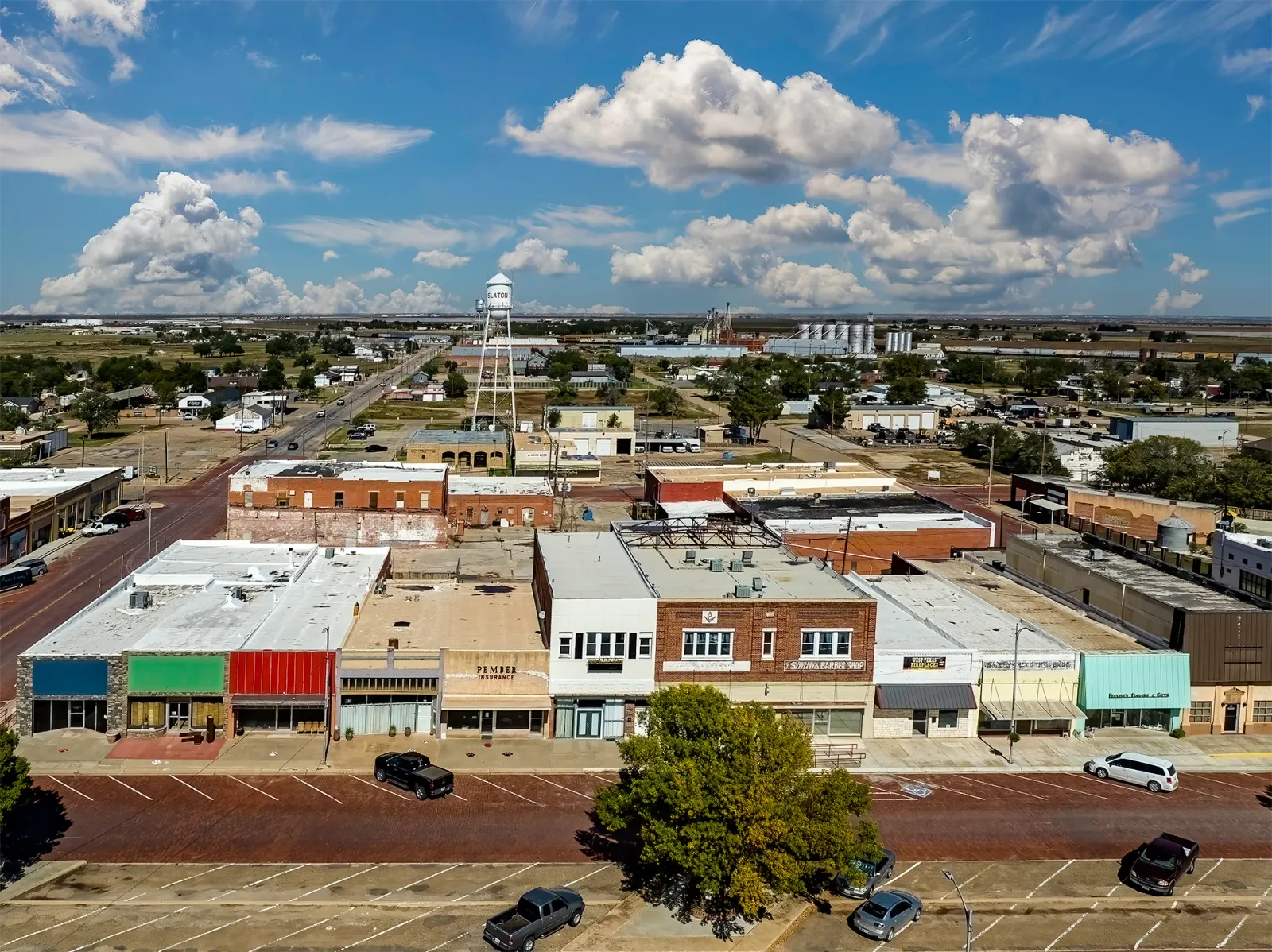
- County communities - Wolfforth, Shallowater, Idalou, Slaton, New Deal, Ransom Canyon, Buffalo Springs Lake
- Surrounding West Texas - Levelland, Brownfield, Post, Littlefield, and Plainview on request
Rural properties on septic systems, homes near playa basins, and Texas Tech-area rentals each present different challenges, and local crews plan equipment and access accordingly.
Seasonal Damage Patterns in Lubbock County
Restoration call volume in Lubbock County follows a predictable rhythm tied to weather extremes.
- December - February: Frozen and burst pipe calls dominate. Water damage restoration and flooded basement pump-outs spike after each hard freeze, especially in vacant rentals near campus. Heating equipment fires and furnace puff-backs drive smoke damage restoration work.
- March - May: Wind, dust, and grass fire season. Smoke intrusion, ash cleanup, and hail-related roof leaks lead the list. Spring thunderstorms begin producing flash flooding.
- June - August: Peak storm season. Heavy monsoon-style downpours overwhelm street drainage and playa lakes, triggering flooded basement and sewage cleanup calls. Humidity plus AC condensate leaks feed hidden mold growth.
- September - October: Lingering mold removal projects surface as summer moisture problems become visible. Sewer line issues appear as ground shifts after wet periods.
- November: Cooking fires around the holidays and first freeze events overlap, producing both fire damage restoration and water losses in the same week.
Scheduling insulation checks in October and roof inspections in March heads off the majority of seasonal claims.
Housing Characteristics & Restoration Considerations
Lubbock County housing stock spans nearly a century, and the construction era of a property largely determines how a restoration job unfolds.
Common Construction Types
- 1930s - 1950s bungalows (Tech Terrace, Heart of Lubbock) - wood floors over pier-and-beam or early slab, plaster walls, original cast iron and clay drain lines. Sewage cleanup here often means crawl space work.
- 1960s - 1980s ranch homes - slab-on-grade, brick veneer, original galvanized or early copper supply lines prone to pinhole leaks under the slab.
- 1990s - 2010s subdivisions (Wolfforth, southwest Lubbock) - engineered trusses, larger open floor plans, and multi-zone HVAC that spreads smoke odor quickly.
- New construction - tight envelopes and spray foam hold moisture longer, requiring more aggressive dehumidification during drying.
- Student rentals and duplexes - frequent occupancy turnover means leaks go unreported until damage is extensive.
How This Shapes the Work
- Slab foundations mean most "basement" flooding is actually storm cellar, sunken den, or crawl space water requiring specialized extraction.
- Plaster and lath in older homes dries differently than modern drywall and may be salvageable with targeted cavity drying.
- Cellulose and blown-in attic insulation absorbs smoke odor and usually needs removal after a fire.
- Older homes may contain asbestos-bearing floor tile or textured ceilings, requiring testing before demolition.
- Brick veneer with a wet cavity can hide mold growth behind interior finishes for months.
Environmental Conditions & Damage Implications
The semi-arid High Plains environment shapes both how damage happens and how it must be dried and cleaned.
Climate and Air
- Low ambient humidity accelerates drying outdoors but does nothing for water trapped in wall cavities and under flooring.
- Frequent dust and blowing sand load HVAC filters and coat surfaces, complicating soot cleaning after fires - technicians must distinguish smoke residue from ordinary grit.
- Sharp temperature swings between day and night create condensation on cool surfaces, feeding localized mold growth.
- Agricultural burning and regional wildfires push smoke indoors through leaky building envelopes.
Soil, Water, and Drainage
- Caliche and expansive clay - poor percolation sends storm runoff toward foundations rather than absorbing it, and soil movement cracks slabs and sewer laterals.
- Playa lake basins - shallow depressions across the county collect runoff, backing up into adjacent properties during heavy rain.
- Hard, mineral-rich water - scale buildup stresses water heaters, supply valves, and appliance hoses, a common source of sudden indoor flooding.
- Septic systems in rural areas - saturated drain fields after storms can push wastewater back indoors, requiring full sewage cleanup protocols.
Because of these conditions, drying plans in Lubbock County lean on containment and dehumidification rather than assuming dry outdoor air will do the work. Mold removal projects almost always include correcting the drainage or plumbing source, since repeat moisture is the reason most remediation fails.
Storm Response and Insurance Documentation for West Texas Property Owners
After a major hail or wind event, hundreds of Lubbock County claims are filed within days, and adjusters are stretched thin. Property owners who document thoroughly and stabilize quickly tend to see smoother outcomes.
What to Do in the First Hours
- Shut off water at the main or kill power to the affected area if it is safe to do so.
- Photograph and video everything before moving items - wide shots of each room, then close-ups of damaged materials.
- Call a restoration provider for emergency mitigation. Local options include SERVPRO of Southwest Lubbock, Falcon Flood Services, True Texan Construction & Restoration, and RestoPros of Amarillo-Lubbock at (806) 877-1994; general dispatch is also available at +1 806-787-1216.
- Notify your insurance carrier and record the claim number and adjuster contact.
- Move undamaged contents to a dry area and keep receipts for anything you purchase during the emergency.
- Avoid discarding damaged materials until they have been photographed and logged.
Why Local Experience Matters Here
- Crews familiar with Lubbock's playa drainage know which neighborhoods flood repeatedly and stage pumps accordingly.
- Technicians who work West Texas hail season recognize the difference between fresh storm damage and long-term wear - a distinction adjusters scrutinize closely.
- Familiarity with City of Lubbock permitting and county requirements for rural properties keeps rebuild phases moving.
- Relationships with local plumbers, roofers, and electricians shorten the gap between mitigation and repair.
- Understanding of Texas Tech's academic calendar helps coordinate access to rentals and off-campus housing.
Detailed moisture readings, daily drying logs, and itemized scopes give carriers what they need to approve work without repeated site visits - and give homeowners a clear record of what was done to their property.