Damage Restoration in Montgomery County, TX
- Damage Restoration Services Overview
- Common Damage Restoration Issues in Montgomery County, Texas
- Neighborhoods We Serve in Montgomery County
- Seasonal Damage Patterns in Montgomery County
- Housing Characteristics & Restoration Considerations
- Environmental Conditions & Damage Implications
- Working With Insurance and Documentation After a Montgomery County Loss
Damage Restoration Services Overview
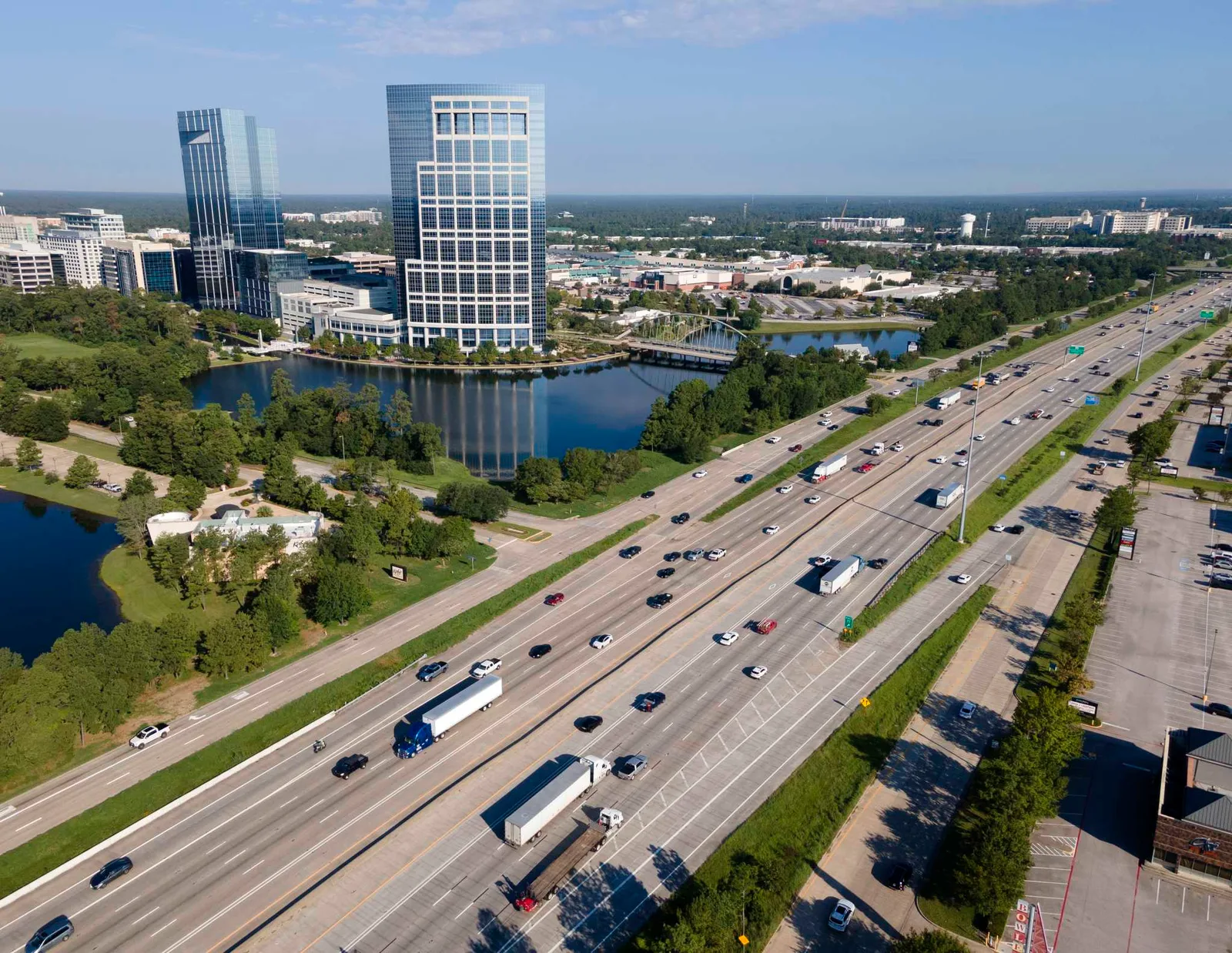
Montgomery County sits in the humid heart of Southeast Texas, where Gulf moisture, clay-heavy soil, and pine forest canopy create conditions that punish buildings year after year. Damage here rarely stays isolated - a slow supply line leak becomes microbial growth in days, and a kitchen fire leaves smoke residue in ductwork long after the flames are out.
Restoration work in this region covers the full spectrum of property injury, from losses that lower value to conditions that impair how a home functions day to day:
- Water Damage Restoration - extraction, structural drying, and moisture mapping after roof leaks, plumbing failures, and storm intrusion
- Flooded Basement - pump-out and drying for below-grade rooms, storm shelters, wine cellars, and sunken slab areas common in custom builds
- Sewage Cleanup - containment, removal of contaminated porous materials, and antimicrobial treatment after backups or septic failures
- Fire Damage Restoration - debris removal, structural stabilization, and reconstruction planning
- Smoke Damage Restoration - soot removal, odor neutralization, HVAC decontamination, and contents cleaning
- Mold Removal - containment barriers, HEPA filtration, material removal, and humidity correction
The benefit of coordinated response is simple: one team documents the loss, controls secondary damage, and communicates clearly with insurers so Montgomery County homeowners aren't left guessing what happens next.
Common Damage Restoration Issues in Montgomery County, Texas
Local geography drives most of the calls. The San Jacinto River system, Lake Conroe releases, Spring Creek, and Caney Creek all influence how quickly water reaches neighborhoods during heavy rainfall events.
Frequent Causes of Property Damage
- Tropical systems and stalled thunderstorms dropping several inches of rain in a single afternoon
- Riverine and flash flooding along low-lying areas near Lake Conroe, the West Fork, and creek tributaries
- Expansive clay soils shifting foundations, cracking slabs, and separating drain lines
- Aging cast iron and PVC sewer laterals under mature neighborhoods, leading to backups
- Septic system saturation in unincorporated areas after prolonged rain
- Attic condensation and undersized air conditioning creating hidden moisture
- Electrical fires, outdoor grilling accidents, and grass fires during dry stretches
Warning Signs Worth Acting On
- Musty odor near baseboards, closets, or return air vents
- Buckling wood floors or bubbling paint on interior walls
- Slow drains in multiple fixtures at once - often a main line issue, not a fixture issue
- Gurgling toilets or water backing up in tubs after washing machine cycles
- Persistent smoke odor that returns when humidity rises
- Discoloration on ceiling tiles, ductwork, or under sinks
- Allergy-like symptoms that improve when occupants leave the house
Small issues here escalate fast. Warm temperatures and high humidity mean microbial growth can begin within roughly a day or two of materials staying wet, which is why early moisture readings matter more than visual inspection alone.
Neighborhoods We Serve in Montgomery County
Coverage spans the county's fast-growing corridors as well as its rural edges and lakeside communities.
- Conroe - historic downtown properties, older wood-frame homes, and newer subdivisions along FM 1488 and Loop 336
- The Woodlands - master-planned villages including Grogan's Mill, Panther Creek, Alden Bridge, Sterling Ridge, and Creekside Park
- Spring and Oak Ridge North - established neighborhoods near the Harris County line
- Magnolia and Pinehurst - acreage properties, septic systems, and custom builds
- Montgomery and Lake Conroe waterfront - Walden, Bentwater, April Sound, and Del Lago area homes
- Willis, New Waverly, and Panorama Village - north county communities near Sam Houston National Forest
- Porter, New Caney, Splendora, and Cut and Shoot - east county areas along the East Fork corridor
- Shenandoah, Woodloch, Stagecoach, and Patton Village
Seasonal Damage Patterns in Montgomery County
Winter (December - February)
- Hard freeze events causing burst pipes in attics, garages, and exterior walls
- Increased fire and smoke damage from fireplaces, space heaters, and holiday cooking
- Ice-related supply line failures in unoccupied lake homes
Spring (March - May)
- Severe thunderstorms, hail, and wind-driven rain through roof penetrations
- Rising groundwater flooding below-grade rooms and crawl spaces
- Mold growth accelerating as humidity climbs and heating shuts off
Summer (June - August)
- Peak hurricane and tropical storm exposure beginning in June
- Air conditioning condensate line clogs soaking ceilings and closets
- Heavy irrigation and saturated clay soil pushing water toward foundations
- Lightning strikes causing attic and electrical fires
Fall (September - November)
- Late-season tropical systems and prolonged rainfall driving sewage backups
- Leaf and pine needle debris blocking gutters and area drains
- Dry snaps raising brush and grass fire risk near wooded property lines
- Lingering smoke odor issues as homes close up for cooler weather
Housing Characteristics & Restoration Considerations
Montgomery County housing spans several distinct eras, and each one responds differently to water, fire, and microbial damage.
Common Construction Types
- Post-tension and conventional slab-on-grade - dominant across subdivisions built from the 1970s onward; water travels laterally under flooring and behind base plates
- Pier-and-beam - found in older Conroe, Willis, and Montgomery homes; crawl spaces trap humidity and hide long-term rot
- Brick veneer over wood frame - moisture can migrate behind the veneer and stay concealed for weeks
- Hardboard and fiber cement siding - swelling and delamination are early indicators of wall cavity saturation
- Lakefront and elevated construction - exposed underfloor systems and boathouse structures with unique drying needs
How Age Affects Restoration
- Homes built before the late 1980s may contain asbestos-bearing floor tile, mastic, or textured ceilings requiring testing before demolition
- Pre-1978 properties may include lead-based paint, affecting fire and smoke cleaning methods
- Original cast iron drain lines are prone to scaling and collapse, a leading cause of sewage cleanup calls
- Polybutylene supply lines in some 1980s builds fail without warning
- Newer, tightly sealed homes hold humidity longer, increasing mold risk after any water event
- Open-concept floor plans allow smoke and soot to spread across the entire living area quickly
Two-story homes add a vertical dimension - upstairs laundry rooms and bathrooms are among the most common sources of multi-level water damage in local subdivisions.
Environmental Conditions & Damage Implications
The environment around Montgomery County shapes nearly every restoration decision made here.
Climate and Humidity
- Humid subtropical climate with relative humidity often staying elevated for much of the year
- Annual rainfall well above the national average, concentrated in intense events
- Long warm season that keeps materials from drying naturally
- Drying equipment must be paired with dehumidification, not airflow alone
Soil and Drainage
- Expansive clay soils that swell when wet and shrink during drought, stressing slabs and plumbing
- Poor percolation means standing water lingers against foundations after storms
- Sandy pockets in northern areas allow faster infiltration but can undermine footings
- Septic drain fields saturate quickly, contributing to backup events
Air and Water Quality
- Pine pollen, mold spores, and regional ozone levels affect indoor air quality after any loss
- HEPA filtration and air scrubbing are standard for both mold removal and smoke damage restoration
- Groundwater and surface water carrying agricultural runoff or sewage require category-three handling protocols
- Floodwater from creeks and rivers is treated as contaminated regardless of appearance
Soot behaves differently in humid air too. Acidic smoke residue bonds to surfaces faster when moisture is present, so prompt cleaning of metal fixtures, appliances, and finishes limits permanent etching and staining.
Working With Insurance and Documentation After a Montgomery County Loss
The claims process frustrates homeowners more than the damage itself. Clear documentation and honest communication change that experience.
What Thorough Documentation Includes
- Photographs and video of affected areas before any material is removed
- Moisture readings recorded at multiple points, then tracked daily until drying targets are met
- Thermal imaging showing hidden moisture behind walls and under flooring
- Equipment logs listing dehumidifiers, air movers, and air scrubbers placed on site
- Written scope of work describing exactly what will be cleaned, removed, or replaced
- Air sampling or surface sampling results when mold is suspected
Steps After Discovering Damage
- Stop the source if it's safe - shut off the main water valve or turn off power to affected circuits
- Keep people and pets away from sewage-contaminated areas and fire-damaged structures
- Photograph everything before moving items or starting cleanup
- Contact your insurance carrier to open a claim and note the claim number
- Call a restoration team to begin mitigation - most policies require reasonable steps to prevent further loss
- Save damaged belongings for adjuster review rather than discarding them
- Request written explanations of any recommended demolition or material removal
Questions Worth Asking Any Restoration Company
- What drying goal are you working toward, and how will you verify it?
- Will you provide daily moisture logs I can share with my adjuster?
- Is testing being done before and after mold removal?
- Who handles reconstruction after mitigation is complete?
- What portion of the work is billed to insurance versus paid directly?
Straight answers to these questions protect Montgomery County property owners from surprise scope changes and disputed claims later.