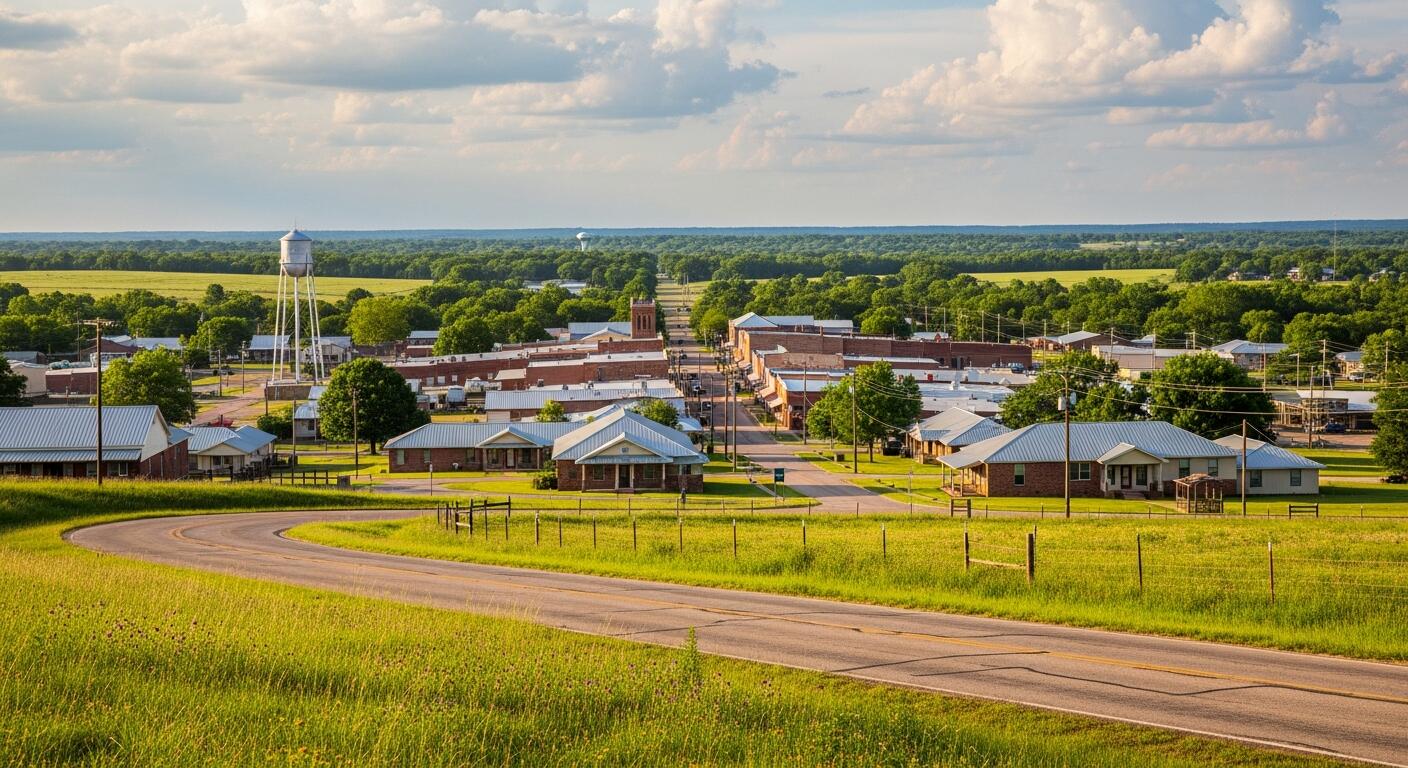
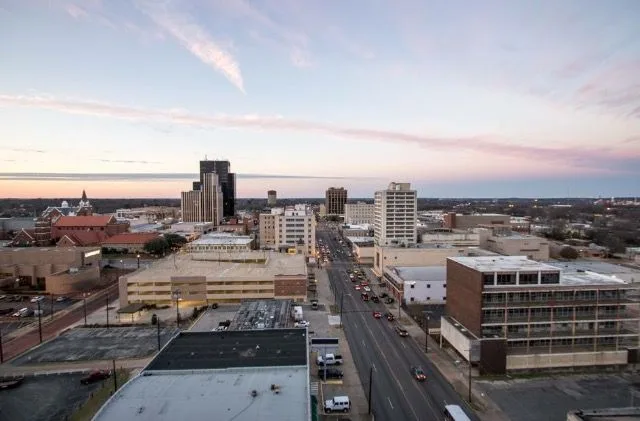
Damage Restoration in Smith County, TX
- Damage Restoration Services Overview
- Common Damage Restoration Issues in Smith County, Texas
- Neighborhoods We Serve in Smith County
- Seasonal Damage Patterns in Smith County
- Housing Characteristics & Restoration Considerations
- Environmental Conditions & Damage Implications
- Insurance Documentation and Claim Support for Smith County Property Owners
Damage Restoration Services Overview
When water pours through a ceiling at 2 a.m. or smoke settles into every room after a kitchen fire, the fastest path back to normal is a certified crew that knows East Texas buildings. Smith County property owners get that response from a team based right here, with equipment staged locally and technicians on call around the clock.
Our restoration work covers the full range of property emergencies:
- Water Damage Restoration - burst supply lines, failed water heaters, roof leaks, appliance overflows, and storm intrusion, handled with extraction, structural drying, and moisture mapping.
- Flooded Basement - pump-out, saturated material removal, and drying for below-grade spaces, storm cellars, and sunken slab areas that trap water.
- Sewage Cleanup - Category 3 contamination work including waste removal, antimicrobial treatment, and disposal of unsalvageable porous materials.
- Fire Damage Restoration - board-up, debris removal, soot and char cleaning, structural stabilization, and contents recovery.
- Smoke Damage Restoration - odor neutralization, HVAC cleaning, and treatment of residues that travel far beyond the burn area.
- Mold Removal - containment, air filtration, affected material removal, and correction of the moisture source feeding growth.
The benefit for Smith County residents is simple: faster arrival, thorough documentation that adjusters accept without argument, and scopes that reflect actual damage rather than inflated line items. That combination shortens claims, limits secondary damage, and gets families and businesses back into their space sooner.
Common Damage Restoration Issues in Smith County, Texas
Flooding is the most frequent disaster across Texas, and Smith County sees its share when slow-moving storm systems park over the Sabine and Neches watersheds. Add aging plumbing in Tyler's older neighborhoods and the county produces a steady mix of emergencies.
What Drives Most Local Losses
- Heavy spring and fall rainfall overwhelming yard drainage and pushing water against foundations
- Winter freeze events cracking uninsulated supply lines in attics, garages, and exterior walls
- Tree root intrusion and grease buildup causing sewer backups into tubs and floor drains
- Roof damage from hail and straight-line winds allowing rain into attics and wall cavities
- Kitchen grease fires, chimney fires, and electrical faults in older wiring systems
- Undersized or poorly maintained HVAC systems producing condensation and hidden humidity problems
Warning Signs Worth Acting On
- Musty odor that intensifies when the air conditioner runs
- Baseboards that feel soft, paint that bubbles, or flooring that cups and lifts
- Ceiling stains that spread or change shape after rainfall
- Slow drains in multiple fixtures at once, a common precursor to a main line backup
- Persistent smoke smell weeks after a small fire, usually meaning residue in ductwork
- Unexplained allergy symptoms that ease when occupants leave the property
Catching these early keeps a drying job from becoming a mold remediation project. Once porous materials stay wet past roughly two days, the scope grows quickly and demolition becomes unavoidable.
Neighborhoods We Serve in Smith County
Smith County is our most active service area, and crews work the full county every week.
- Tyler - the Azalea District, Charnwood, downtown and near-downtown historic blocks, Hollytree, The Woods, Cumberland, and South Broadway commercial corridors
- Lindale and North Smith County - newer subdivisions, acreage properties, and rural well-served homes
- Whitehouse, Bullard, and Flint - lake-adjacent and wooded properties south of Tyler
- Chapel Hill, Noonday, Winona, Arp, Troup, and Overton - smaller communities where response times still matter
- Hideaway and Lake Palestine shoreline properties - homes with elevated moisture exposure
We also deploy into Gregg, Upshur, Van Zandt, Wood, Henderson, Cherokee, and Rusk counties. Home base is East Texas, but response range extends wherever the job requires.
Seasonal Damage Patterns in Smith County
Winter (December - February)
- Hard freezes rupture attic and exterior-wall plumbing, producing multi-room water losses
- Space heaters, fireplaces, and overloaded circuits drive fire and smoke damage calls
- Freeze-thaw cycles stress slab plumbing and older cast iron drain lines
Spring (March - May)
- Peak storm season - hail, wind, and heavy rain lead to roof leaks and flooded basements or crawl spaces
- Saturated soil pushes groundwater through foundation cracks and below-grade walls
- Rising humidity starts the first wave of mold calls
Summer (June - August)
- Air conditioning condensate line clogs flood hallways, closets, and attic ceilings
- Sustained humidity accelerates mold growth in any space that stayed damp
- Lightning strikes cause attic fires and electrical damage
Fall (September - November)
- Tropical remnants and slow rain bands trigger flash flooding and sewage backups
- Falling leaves clog gutters and yard drains, redirecting water toward foundations
- First furnace runs release accumulated dust and reveal smoke odor issues in ducts
Housing Characteristics & Restoration Considerations
Smith County housing spans more than a century of construction, and each era responds differently to water, fire, and mold.
Older Tyler Homes (pre-1960)
- Pier-and-beam foundations with crawl spaces that hold standing water and breed mold underneath floors
- Plaster and lath walls that absorb moisture deeply and require careful drying rather than fast demolition
- Original hardwood floors that can often be saved with mat drying if crews arrive quickly
- Cast iron and galvanized plumbing prone to corrosion failures and sewage backups
- Knob-and-tube remnants or aged wiring contributing to electrical fire risk
- Potential asbestos and lead-based materials requiring testing before demolition
Mid-Century and Suburban Builds (1960s - 1990s)
- Slab-on-grade construction where water travels sideways under flooring and into wall bases
- Original ductwork in attics that spreads smoke residue and odor throughout the home
- Aging polybutylene or early plastic supply lines with a history of sudden failure
Newer Construction (2000s - Present)
- Tighter building envelopes that trap humidity and hide moisture behind vapor barriers
- Engineered wood flooring and MDF trim that swell permanently once saturated
- Multi-story layouts where an upstairs leak damages ceilings, insulation, and lower-level finishes
Scope decisions change with each of these. A drying plan for a 1930s Azalea District bungalow looks nothing like the plan for a 2015 Lindale two-story, and treating them the same wastes material and money.
Environmental Conditions & Damage Implications
East Texas conditions actively work against damaged buildings. Understanding the local environment shapes how drying and remediation get executed.
Climate and Humidity
- Relative humidity frequently sits above 70 percent from late spring through early fall
- Open-window drying rarely works here - it often adds moisture instead of removing it
- Dehumidification and controlled airflow are required to hit dry standards
- Annual rainfall well above the state average keeps soil and structures loaded with moisture
Soil and Groundwater
- Expansive clay soils swell and shrink, cracking slabs and foundation walls
- Poor percolation in clay areas keeps water pooled against structures after storms
- Sandy pockets in northern Smith County drain fast but allow rapid subsurface movement
- Shallow water tables near creeks and lake shorelines feed chronic crawl space dampness
Air Quality and Biological Load
- Heavy tree canopy and pollen load mean elevated background spore counts year-round
- Mold colonization begins quickly once materials stay wet, often within 24 to 48 hours
- Smoke residue binds to humid surfaces more aggressively, making prompt cleaning important
Water and Sewer Systems
- Rural properties on septic systems face saturation-driven backups after prolonged rain
- Older municipal lines take on stormwater during heavy events, increasing backup risk
- Well water in outlying areas may carry mineral content that stains after a loss
Insurance Documentation and Claim Support for Smith County Property Owners
A restoration job succeeds or fails on paperwork as much as equipment. Property managers and homeowners across Smith County deal with adjusters who need specific evidence before approving a scope, and incomplete files stall payment for weeks.
What Proper Documentation Includes
- Initial condition capture - photos and video of every affected room before anything is moved or removed
- Moisture mapping - meter readings recorded by material and location, establishing the true wet perimeter
- Category and class determination - clean water, gray water, or sewage classification that drives which materials can be dried versus discarded
- Daily drying logs - temperature, humidity, and moisture content readings that prove progress toward dry standard
- Equipment records - air movers, dehumidifiers, and air scrubbers logged by placement and duration
- Contents inventory - itemized lists for salvageable, cleanable, and total-loss belongings
- Final verification - closing readings and post-remediation photos confirming the work met standard
Why It Matters Locally
- Fire and smoke claims often involve disputes over how far residue traveled - duct testing and surface documentation settle that
- Mold claims hinge on proving the water source and timeline, which requires evidence gathered on day one
- Sewage losses require documented disposal of contaminated porous materials for coverage to hold
- Commercial water damage in Tyler frequently involves business interruption, where drying timelines must be defensible
As one Smith County property manager put it, the documentation is airtight, the response is fast, and the scope never gets inflated - and adjusters consistently say the file was exactly what they needed. That standard applies to every water, fire, smoke, sewage, and mold project we take on, residential or commercial, whether the property sits downtown or on acreage outside Lindale.