Damage Restoration in Grayson County, TX
- Damage Restoration Services Overview
- Common Damage Restoration Issues in Grayson County, Texas
- Neighborhoods We Serve in Grayson County
- Seasonal Damage Patterns in Grayson County
- Housing Characteristics & Restoration Considerations
- Environmental Conditions & Damage Implications
- Working With Insurance and Understanding Your Restoration Scope
Damage Restoration Services Overview
Grayson County sits inside the North Texas hail corridor, where expansive clay soil can swell or shrink by up to 75% of its volume as moisture levels change. That single soil characteristic explains why so many Sherman, Denison, and Van Alstyne properties experience slab movement, hidden plumbing leaks, and water intrusion long before an owner notices a stain on the ceiling.
Grayson Restoration brings more than 16 years of reconstruction experience to properties across the county, handling both the emergency response and the rebuild that follows.
- Water Damage Restoration - extraction, structural drying, and moisture mapping for supply line breaks, appliance failures, and roof leaks
- Flooded Basement - pump-out, dehumidification, and treatment of below-grade spaces, storm shelters, and daylight basements
- Sewage Cleanup - safe removal of Category 3 contamination from backups, septic failures, and lift station overflows
- Fire Damage Restoration - structural stabilization, debris removal, and full reconstruction after kitchen, electrical, or grass fires
- Smoke Damage Restoration - soot removal, thermal fogging, HVAC cleaning, and odor neutralization
- Mold Removal - containment, air filtration, material removal, and correction of the moisture source
Structure or house affected by fire, smoke and soot? Call today for a restoration quote. Integrity, reliability, and quality guide every project, and our crews stay on site through reconstruction so your property comes back better than it was before the loss.
Common Damage Restoration Issues in Grayson County, Texas
North Texas weather swings hard, and Grayson County properties absorb the impact. Most calls we receive trace back to a handful of predictable local causes.
What Drives Damage Here
- Hail and wind-driven rain - punctured shingles and torn flashing let water travel into attics, wall cavities, and ceilings
- Expansive clay soil - foundation movement cracks slabs and shears cast iron and PVC drain lines beneath the home
- Freeze events - uninsulated attic and exterior wall plumbing splits during hard North Texas freezes
- Poor drainage on sloped terrain - properties near Lake Texoma and along creek corridors push runoff toward foundations and below-grade rooms
- Septic and rural sewer systems - saturated drain fields back sewage into tubs, floor drains, and laundry areas
- Grass and brush fires - dry late-summer pasture fires spread smoke and soot into nearby structures even when flames never reach the walls
Warning Signs Worth Acting On
- Musty odor in closets, crawl spaces, or near HVAC returns
- Baseboards separating from the wall or flooring cupping along one edge
- Unexplained jumps in water usage with no visible leak
- Gurgling drains or slow tubs, often the first sign of a sewer line failure
- Yellow-brown staining that returns after painting
- Lingering smoke odor that intensifies when the air conditioning runs
Small signals turn into large losses quickly in this climate. Humidity plus warm interior temperatures can start microbial growth in a matter of days.
Neighborhoods We Serve in Grayson County
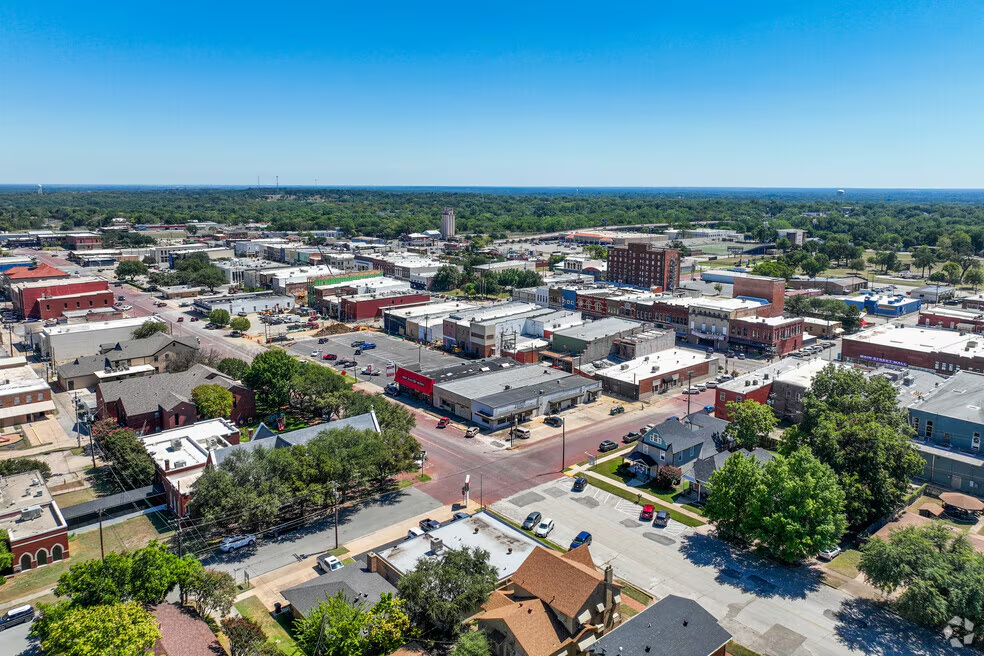
Our crews cover the full county and the surrounding North Texas region, from historic downtown districts to acreage properties well outside city limits.
- Sherman - historic districts, Washington Heights, and newer subdivisions along the US-75 corridor
- Denison - older homes near Main Street, Munson Park area, and neighborhoods approaching Lake Texoma
- Van Alstyne, Howe, and Tom Bean - growing residential communities along the highway corridor
- Whitesboro, Collinsville, and Gunter - small-town homes and surrounding ranch properties
- Pottsboro and Gordonville - lakefront residences, weekend homes, and boat storage structures
- Bells, Whitewright, and Southmayd - rural properties on septic and well systems
We also respond throughout the DFW metroplex, including Murphy, Celina, and neighboring counties, for water, fire, smoke, sewage, and mold projects.
Seasonal Damage Patterns in Grayson County
Winter (December - February)
- Frozen and burst supply lines in attics, garages, and exterior walls
- Space heater and fireplace fires producing heavy smoke and soot loads
- Ice damming on low-slope roof sections during rare hard freezes
Spring (March - May)
- Peak hail and severe thunderstorm season with roof-driven water intrusion
- Flooded basements and below-grade rooms from saturated clay soil
- Sewage backups when heavy rain overwhelms septic drain fields
- Lightning strikes causing electrical fires in attics and service panels
Summer (June - August)
- Condensate line clogs and overflowing HVAC drain pans soaking ceilings
- Rapid mold growth in humid, closed-up homes and lake properties
- Grass and brush fires spreading smoke damage to nearby structures
- Water heater failures as tanks age through peak demand
Fall (September - November)
- Foundation movement as soil rehydrates after summer drought, stressing drain lines
- Cooking fires during holiday gatherings
- Chimney and flue fires when fireplaces return to service
- Discovery of long-hidden mold once heating systems circulate air again
Housing Characteristics & Restoration Considerations
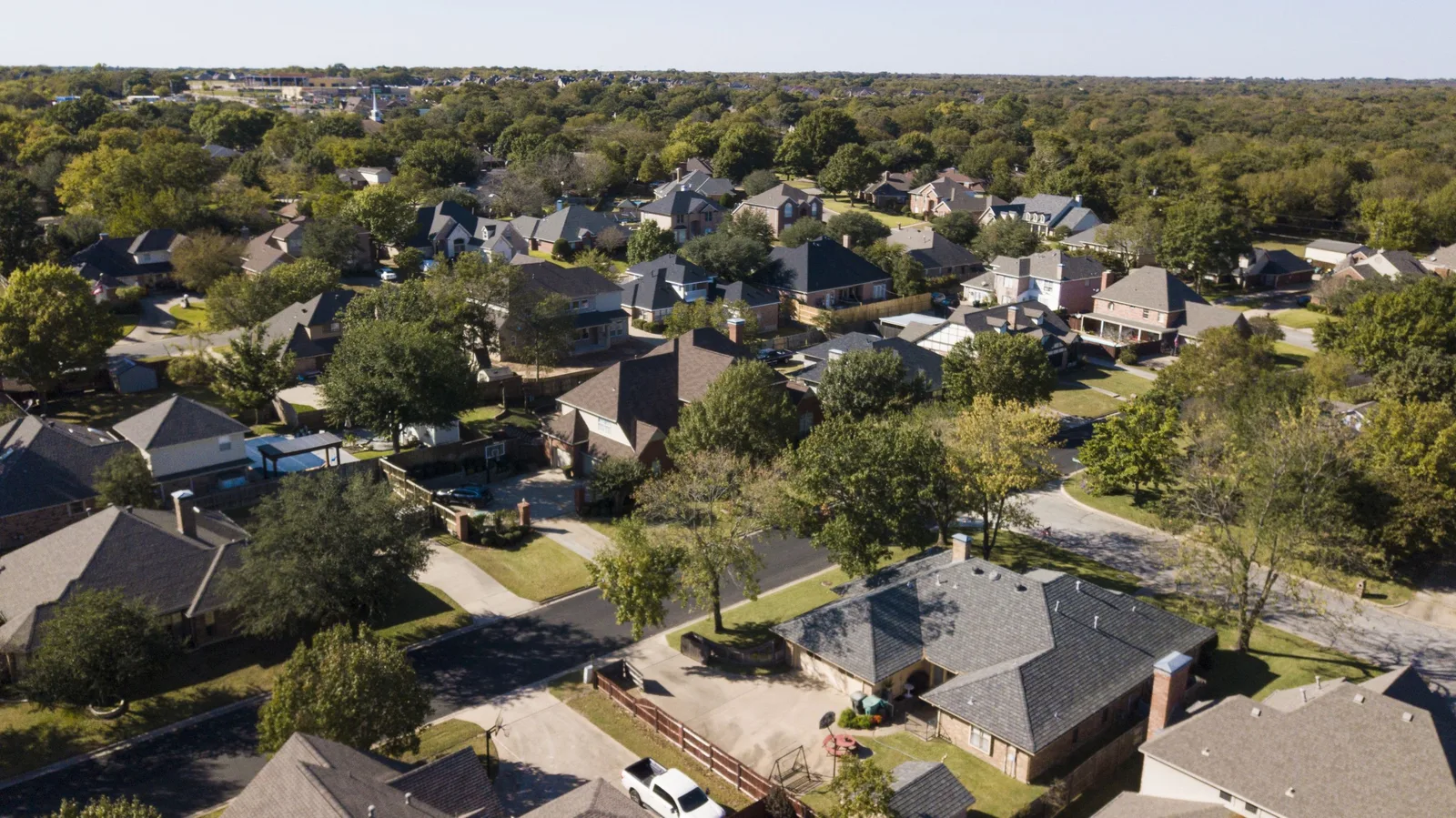
Grayson County housing stock spans well over a century, and each era brings its own restoration challenges.
Pre-1950 Homes in Sherman and Denison
- Pier-and-beam foundations with crawl spaces that trap standing water and stay damp
- Shiplap sheathing, lath and plaster, and wood floors that absorb smoke odor deeply
- Cast iron and galvanized plumbing prone to corrosion and hidden leaks
- Knob-and-tube or early wiring that raises electrical fire risk
- Potential asbestos and lead paint requiring careful handling during stripouts
Mid-Century Through 1990s Construction
- Slab-on-grade foundations vulnerable to under-slab leaks and clay soil movement
- Original ductwork that circulates soot and mold spores throughout the structure
- Fiberglass batt insulation that holds moisture once saturated
Newer Subdivisions and Lake Properties
- Tight building envelopes that trap humidity and accelerate mold growth after a leak
- Engineered wood flooring and MDF trim that swell fast and rarely dry in place
- Multi-story layouts where second-floor leaks cascade through ceilings and walls
- Lake Texoma homes with walkout lower levels exposed to hydrostatic pressure
Our approach adapts to what the structure actually is. That may mean selective demolition and controlled drying in a historic home, or a full stripout and gutout followed by reconstruction when materials cannot be salvaged.
Environmental Conditions & Damage Implications
Climate and Humidity
North Texas summers combine extreme heat with high humidity, a combination that works against unassisted drying. Interior relative humidity often climbs past the threshold where mold colonies establish within 24 to 48 hours of a water event.
- Uncontrolled drying frequently spreads moisture rather than removing it
- Commercial dehumidification and air movement are required, not optional
- HVAC strain during heat waves reduces a home's natural dehumidifying capacity
Soil and Drainage
- Expansive Blackland clay swells when saturated and shrinks during drought, cracking slabs and severing drain lines
- Clay drains slowly, holding water against foundations and below-grade walls
- Sloped terrain near Lake Texoma and area creeks channels runoff toward structures
- Saturated soil stalls septic drain fields, forcing sewage back indoors
Water and Air Quality
- Rural well systems can introduce contamination during flooding, requiring antimicrobial treatment of affected materials
- Hard water accelerates corrosion in aging supply lines and water heaters
- Agricultural dust, pollen, and wildfire smoke load HVAC systems, compounding post-fire air quality problems
- Soot particles bond to surfaces faster in high heat, making prompt smoke cleanup important
We document moisture readings, contamination categories, and air conditions throughout each project so decisions rest on data rather than guesswork.
Working With Insurance and Understanding Your Restoration Scope
Most Grayson County property owners face their first major loss with no idea what the process involves. Clear communication removes most of that stress, so we explain each phase before work begins.
How a Typical Project Moves Forward
- Emergency response - stop the water source, secure the structure, board up or tarp as needed
- Inspection and documentation - moisture meters, thermal imaging, and photo records of every affected area
- Scope development - a written breakdown of what must be removed, cleaned, dried, or rebuilt
- Mitigation - extraction, containment, stripout and gutout of unsalvageable materials, drying equipment placement
- Cleaning and remediation - soot removal, odor treatment, antimicrobial application, HVAC cleaning
- Clearance and verification - moisture readings confirmed dry, third-party mold testing when appropriate
- Reconstruction - drywall, texture, paint, flooring, trim, cabinetry, and finish work
What We Share With You Along the Way
- Daily moisture logs and equipment placement records
- Before, during, and after photographs of every affected room
- Plain-language explanations of contamination categories in sewage losses
- Direct coordination with your adjuster, including supporting documentation
- Notice before any change in scope, so nothing appears unexpectedly
Questions Worth Asking Any Restoration Contractor
- Will the same company handle both mitigation and reconstruction?
- How is drying progress verified before walls are closed?
- What happens to contents, flooring, and cabinetry during the work?
- Who communicates with the insurance carrier?
Having a single team carry the project from the first extraction through the final coat of paint keeps accountability in one place. Call today for a restoration quote and we will walk your property with you.