Damage Restoration in Wise County, TX
- Damage Restoration Services Overview
- Common Damage Restoration Issues in Wise County, Texas
- Neighborhoods We Serve in Wise County
- Seasonal Damage Patterns in Wise County
- Housing Characteristics & Restoration Considerations
- Environmental Conditions & Damage Implications
- Storm Response and Modern Drying Technology for Wise County Properties
Damage Restoration Services Overview
Water spreads through drywall, subfloor, and insulation within minutes, and smoke residues turn acidic on metal and glass within hours. In Wise County, where storms can move across Decatur, Bridgeport, and Rhome faster than a forecast updates, the gap between discovery and response decides how much of a home can be saved rather than replaced.
A single event rarely stays in one category. A lightning strike brings fire, then firefighting water, then mold three days later if drying stalls. That is why full-scope restoration matters:
- Water Damage Restoration - extraction, structural drying, moisture mapping, and monitoring until materials return to dry standard
- Flooded Basement - pump-out, silt removal, sanitizing of below-grade walls, storm shelters, and cellars
- Sewage Cleanup - Category 3 handling, removal of contaminated porous materials, antimicrobial treatment, and containment
- Fire Damage Restoration - board-up, debris removal, structural cleaning, and content evaluation
- Smoke Damage Restoration - soot removal, thermal fogging, HEPA air scrubbing, and odor neutralization
- Mold Removal - containment, negative air pressure, safe material removal, and moisture source correction
Benefits for county residents include documented moisture readings for insurance files, IICRC-trained technicians who follow written standards, and a single point of contact from the first phone call through reconstruction.
Common Damage Restoration Issues in Wise County, Texas
Wise County sits in the path of North Texas supercells, and county leadership - including Judge J.D. Clark - has repeatedly briefed residents after overnight storms tore through the area. Those systems bring hail, straight-line wind, and rainfall rates that overwhelm gutters and grading in a single hour.
Local causes we respond to most
- Hail-punctured roofs and lifted shingles that leak days later, after the sky clears
- Wind-driven rain forced under siding, around window flashing, and into attic vents
- Septic system backups on acreage properties when saturated soil stops accepting drain field flow
- Aerobic system failures and lift pump outages causing sewage on garage slabs and utility rooms
- Frozen and burst supply lines during hard freezes, especially in unheated garages and well houses
- Grass and brush fires during dry, windy stretches that scorch outbuildings and push smoke into homes
- Water heater ruptures, ice maker lines, and failed washing machine hoses
Warning signs worth acting on
- Ceiling stains that grow or darken after each rain event
- Musty odor in closets, HVAC returns, or under sinks
- Cupping or crowning hardwood and lifting vinyl plank edges
- Gurgling floor drains or slow tub drainage across multiple fixtures
- Soot film on window glass, light fixtures, or vent registers after a small kitchen or fireplace fire
- Peeling tape seams and nail pops along drywall corners
Catching any of these early usually keeps the project in drying and cleaning territory instead of demolition and rebuild.
Neighborhoods We Serve in Wise County
Coverage spans the county seat and the smaller communities scattered along US 380, US 81/287, and FM roads that connect ranchland to growing subdivisions.
- Decatur - historic downtown properties, older frame homes, and newer additions on the north side
- Bridgeport - lake-adjacent homes, weekend properties, and slab-on-grade neighborhoods
- Rhome and Newark - fast-growing corridor along the Wise County border near our Aledo-area service base
- Boyd, Aurora, and Briar - mixed acreage tracts with septic systems and detached workshops
- Chico, Alvord, and Paradise - rural homesteads, manufactured homes, and metal buildings
- Runaway Bay, Lake Bridgeport, and New Fairview - waterfront and lakeside structures
- Surrounding areas including Springtown, Azle, and the Denton and Jack County lines
Crews stage equipment for both city water main failures and rural well and septic emergencies, since the two call for different sanitizing approaches.
Seasonal Damage Patterns in Wise County
Spring (March - June)
- Peak severe weather: hail, tornadic winds, and flash flooding along creeks and low crossings
- Highest volume of flooded basement, storm shelter, and roof-leak water damage calls
- Lightning-related fire damage and attic smoke intrusion
Summer (July - September)
- Humidity plus air conditioning condensation drives mold growth behind vinyl wallpaper and inside closets
- Clogged condensate lines flooding hall closets and ceilings below air handlers
- Dry, windy stretches raise grass fire and smoke damage risk on acreage
Fall (October - November)
- Second storm season brings renewed roof leaks and wind-driven rain
- First fireplace and space heater use produces chimney and puff-back smoke events
- Leaf-clogged gutters send water down foundation walls
Winter (December - February)
- Hard freezes burst supply lines, hose bibs, and exposed rural well plumbing
- Ice-heaved ground and saturated soil stress septic laterals, triggering sewage cleanup calls
- Heating equipment and holiday cooking fires spike
Housing Characteristics & Restoration Considerations
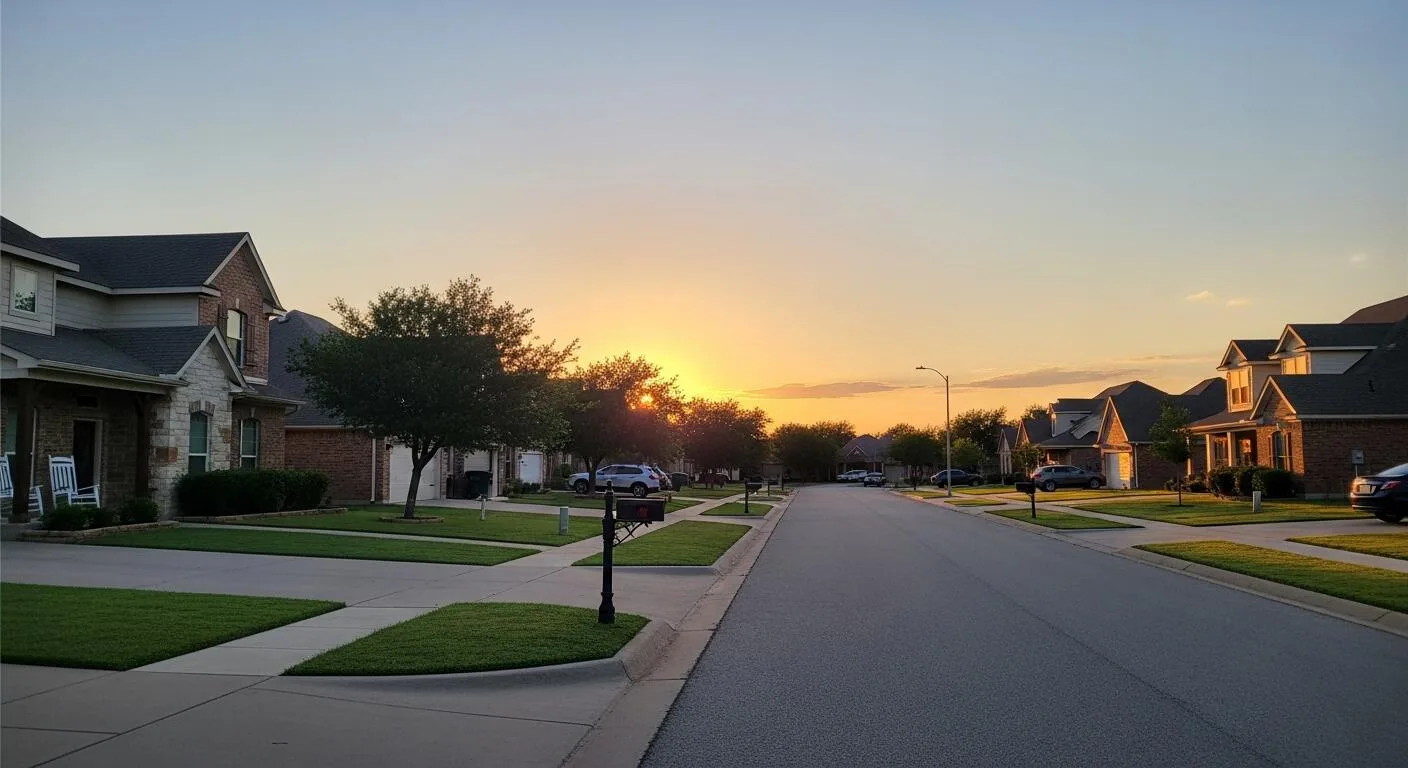
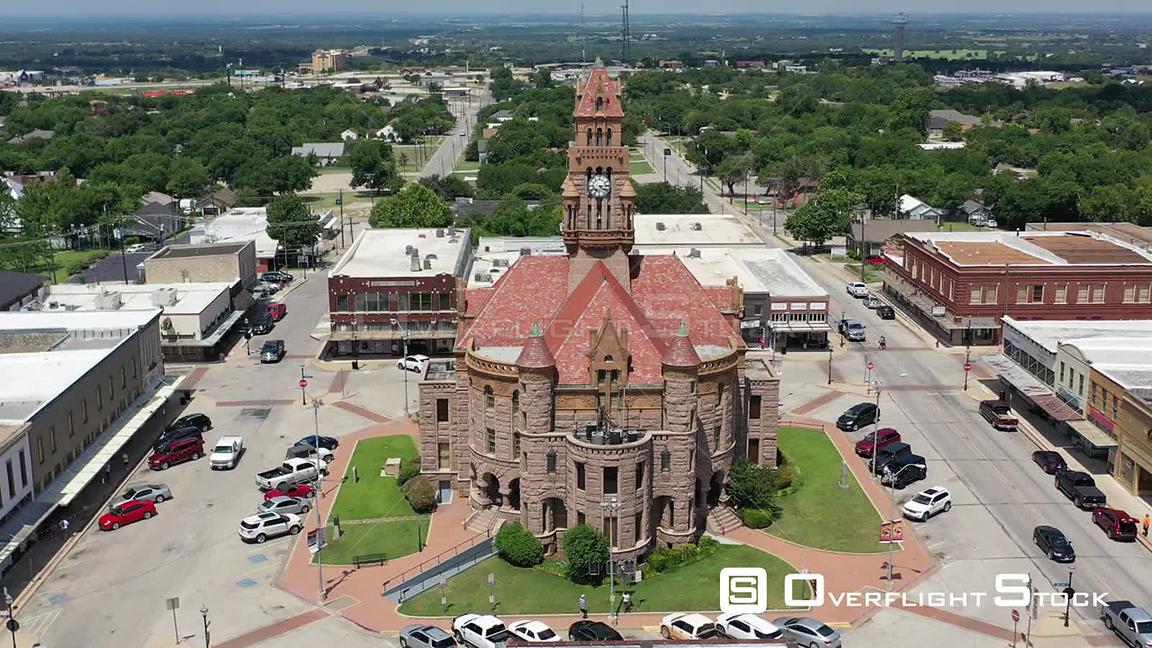
Wise County housing stock ranges from century-old farmhouses near Decatur's courthouse square to subdivisions built in the last decade around Rhome and New Fairview. Each construction era responds differently to water, smoke, and microbial growth.
Older homes (pre-1980)
- Pier-and-beam foundations with tight crawl spaces that trap moisture and hide long-term leaks
- Shiplap and plank subfloors that absorb water quickly and need specialized drying panels
- Cast iron and galvanized drain lines prone to cracks that cause hidden sewage seepage
- Possible asbestos-containing floor tile and mastic requiring testing before demolition
- Balloon framing that lets smoke and odor travel between floors and into attics
Newer construction (post-2000)
- Slab-on-grade with carpet tack strips and wood base that wick water fast
- Tight building envelopes that hold humidity and trap smoke odor in soft goods
- Engineered wood and laminate flooring that delaminates rather than dries
- Two-story layouts where an upstairs supply leak damages three levels at once
Rural and manufactured properties
- Belly-wrap insulation under manufactured homes holds water and breeds mold if not opened and dried
- Metal shops and barns with foam insulation that conceals condensation
- Septic and aerobic systems requiring Category 3 protocols during backups
Restoration plans account for these differences, from cavity drying with injection systems to controlled demolition when materials cannot be saved.
Environmental Conditions & Damage Implications
The county's climate and soil work against buildings in ways that shape every restoration plan.
Climate and humidity
- Hot, humid summers push indoor relative humidity above the threshold where mold colonizes damp drywall
- Open-window drying is rarely effective here - dehumidification with sealed containment is the practical route
- Sharp winter cold fronts create condensation on ductwork, windows, and uninsulated pipes
Soil and drainage
- Expansive clay soils shrink in drought and swell after heavy rain, cracking slabs and separating foundation seams
- Those movement cracks become entry points for groundwater during storm events
- Clay's poor percolation causes standing water near foundations and slows septic drain fields
- Rocky limestone areas shed water quickly, sending runoff toward low-lying structures
Water and air quality
- Private wells serving rural homes can be contaminated by floodwater, requiring disinfection alongside structural cleanup
- Hard water leaves scale that accelerates water heater and supply line failures
- Agricultural dust, pollen, and regional wildfire smoke load HVAC systems, so duct cleaning often follows fire and smoke events
- Soot combined with high humidity forms corrosive residues that etch appliances, wiring, and fixtures within days
Understanding these conditions lets technicians set realistic drying goals, size dehumidification correctly, and address the moisture source rather than only the visible symptom.
Storm Response and Modern Drying Technology for Wise County Properties
When an overnight storm system moves through the county, dozens of properties need help at once. Response depends on staged equipment, trained crews, and documentation that holds up with insurance adjusters.
What a structured response looks like
- Emergency stabilization - tarping, board-up, and shutting off water or gas to stop ongoing loss
- Inspection and moisture mapping - thermal imaging cameras and penetrating meters locate water inside walls and under flooring without unnecessary demolition
- Extraction - truck-mounted units and weighted extraction tools pull standing water and carpet moisture
- Containment - poly barriers and negative air machines isolate mold and sewage work areas from clean living space
- Structural drying - low-grain refrigerant dehumidifiers, axial air movers, and injection drying systems for wall cavities and hardwood
- Cleaning and deodorization - HEPA vacuuming, soot sponges, ultrasonic content cleaning, and hydroxyl or ozone treatment for smoke odor
- Daily monitoring - logged temperature, humidity, and material readings until dry standard is documented
- Reconstruction - drywall, texture, paint, flooring, and trim to return the home to pre-loss condition
Why the equipment matters here
- High outdoor humidity makes desiccant and low-grain dehumidifiers far more effective than fans alone
- Injection drying saves hardwood and hard-to-reach cavities in older Decatur and Bridgeport homes
- Thermal imaging finds hidden hail-related roof leaks before they turn into ceiling collapse and mold
- Antimicrobial application under EPA guidance addresses septic backups on rural properties
- Written moisture logs and photo documentation streamline insurance claim review
The result for homeowners is less material loss, shorter displacement, and a property that is genuinely dry - not just dry to the touch.