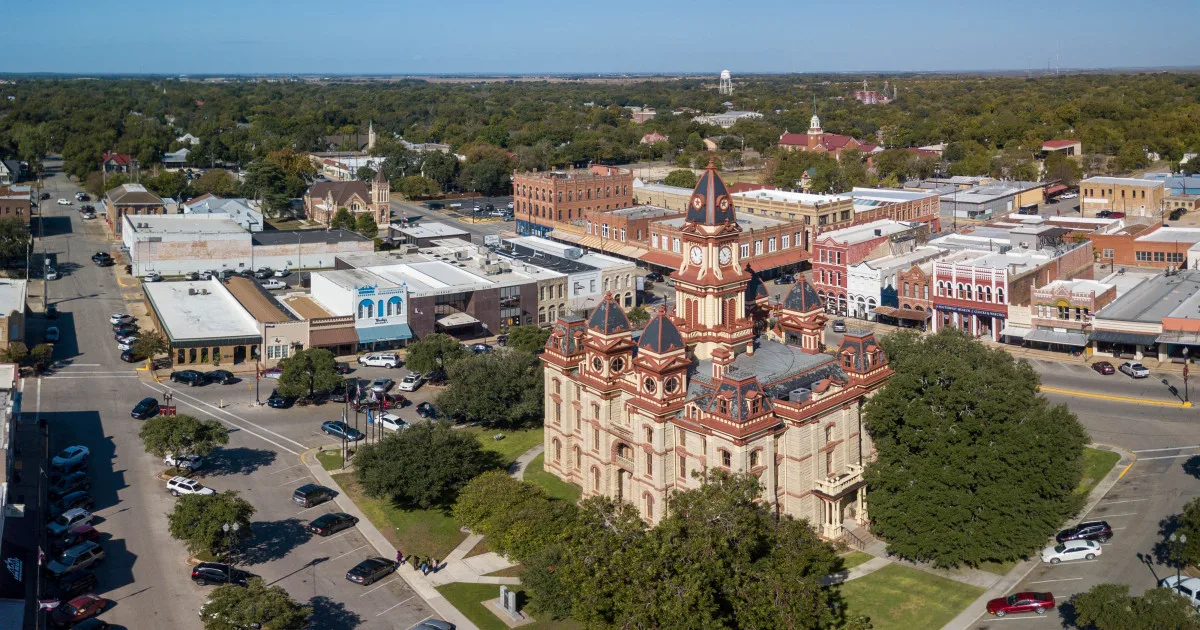
Damage Restoration in Caldwell County, TX
- Damage Restoration Services Overview
- Common Damage Restoration Issues in Caldwell County, Texas
- Neighborhoods We Serve in Caldwell County
- Seasonal Damage Patterns in Caldwell County
- Housing Characteristics & Restoration Considerations
- Environmental Conditions & Damage Implications
- Septic Systems, Rural Properties, and Sewage Cleanup in Caldwell County
Damage Restoration Services Overview
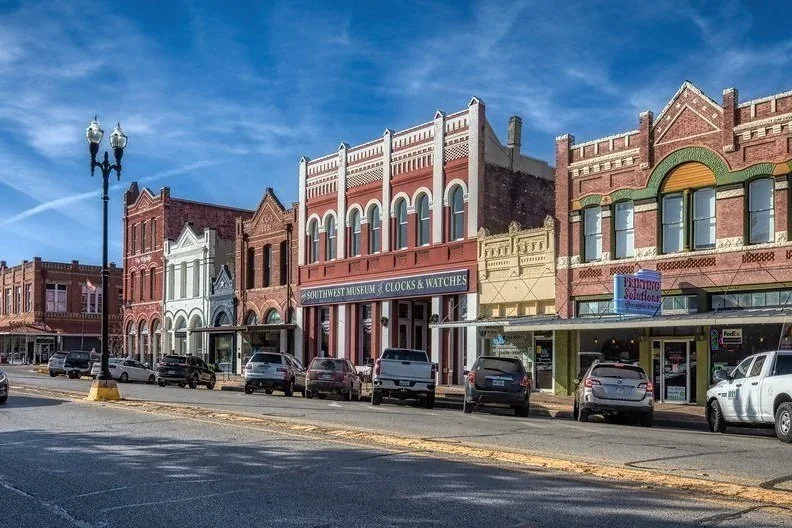
A supply line behind a Lockhart laundry wall lets go at 2 a.m., and by sunrise water has traveled under the hallway flooring and into two bedrooms. Situations like this rarely stay contained, which is why Caldwell County property owners need restoration that addresses both visible damage and hidden moisture.
Atex Restoration handles the full range of property damage recovery across the county:
- Water Damage Restoration - extraction, moisture mapping, controlled drying, and sanitation after plumbing failures, roof leaks, or stormwater intrusion.
- Flooded Basement Recovery - water removal and drying for below-grade rooms, storm shelters, crawl spaces, and partial basements.
- Sewage Cleanup - containment, removal of contaminated materials, and antimicrobial treatment following backups and septic failures.
- Fire Damage Restoration - structural cleaning, debris removal, and rebuilding of damaged assemblies.
- Smoke Damage Restoration - soot removal from surfaces and HVAC systems plus odor treatment for lingering residue.
- Mold Removal - containment, source correction, and safe removal of colonized materials.
Key benefits for local property owners include reduced secondary damage, documented moisture readings for insurance purposes, protection of indoor air quality, and faster return to normal use of homes, commercial buildings, and multi-unit properties.
Common Damage Restoration Issues in Caldwell County, Texas
Caldwell County sits between the Blackland Prairie and the Post Oak Savannah, with the San Marcos River, Plum Creek, and numerous tributaries shaping how water moves across the landscape. That geography drives many of the damage calls we receive.
Frequent Causes of Damage
- Flash flooding along Plum Creek and low crossings after heavy convective storms
- Slab plumbing leaks in older Lockhart and Luling homes with cast iron or galvanized lines
- Water heater and supply line failures in garages and utility closets
- Sewage backups when saturated ground overwhelms septic drain fields on rural acreage
- Roof damage from hail and straight-line winds allowing rainwater into attics
- Grass and brush fires spreading smoke and soot into nearby structures
- Kitchen and electrical fires in homes with aging wiring or older appliances
Warning Signs Worth Acting On
- Musty odors that intensify after the air conditioner runs
- Baseboards that feel soft, cupped flooring, or tile that sounds hollow
- Discoloration or bubbling paint low on interior walls
- Slow drains, gurgling toilets, or standing water near a septic lid
- Sooty film on window glass, air vents, or light fixtures after a fire
- Smoke odor that returns during humid weather even after cleaning
- Water bills that climb without any change in household use
Early response limits how far moisture, contamination, and smoke residue migrate through framing, insulation, and ductwork.
Neighborhoods We Serve in Caldwell County
Service extends across the entire county, from established downtown districts to rural properties on county roads.
- Lockhart - historic downtown, neighborhoods near the courthouse square, and newer subdivisions along SH 130
- Luling - residential blocks near the San Marcos River and commercial properties along US 90
- Martindale - riverside homes and small acreage tracts
- Maxwell and Mendoza - growing residential pockets near the Hays County line
- Fentress, Prairie Lea, and Stairtown - rural homes on septic systems and well water
- Dale, Tilmon, and Reedville - farm properties, manufactured homes, and outbuildings
Surrounding regions including Hays, Guadalupe, Bastrop, Gonzales, and Travis counties are also covered, which matters when a regional storm affects multiple communities at once.
Seasonal Damage Patterns in Caldwell County
Spring (March - May)
- Peak severe weather season with hail, wind, and heavy rain
- Flash flooding along creeks leads to flooded basements and crawl spaces
- Rising humidity accelerates mold growth in previously wet materials
Summer (June - August)
- Air conditioner condensate line clogs cause slow, hidden water damage
- Extreme heat and drought conditions raise grass fire and smoke damage risk
- Shifting clay soil stresses buried plumbing and septic lines
Fall (September - November)
- Tropical moisture from Gulf systems brings a second flooding peak
- Saturated soil overwhelms septic drain fields, prompting sewage cleanup calls
- Roof leaks appear as sustained rain follows a dry summer
Winter (December - February)
- Hard freezes burst uninsulated pipes in garages, attics, and exterior walls
- Heating equipment, fireplaces, and space heaters increase fire and smoke damage
- Closed-up homes trap moisture, allowing mold to develop unnoticed
Housing Characteristics & Restoration Considerations
Caldwell County housing spans more than a century of building practices, and each type responds differently to water, smoke, and microbial damage.
Common Construction Types
- Pre-1940 homes in central Lockhart and Luling - pier-and-beam foundations, shiplap sheathing, plaster walls, and original wood floors
- Mid-century ranch homes - slab-on-grade construction with plumbing routed under concrete
- Manufactured and mobile homes - common on rural tracts, with vulnerable underbelly insulation and particleboard subfloors
- Post-2000 subdivisions - engineered trusses, vinyl plank flooring, and tighter building envelopes
- Agricultural and commercial metal buildings - open framing with insulation that holds moisture
How Age and Materials Shape Restoration
- Pier-and-beam crawl spaces trap standing water and require dedicated drying and ventilation to prevent joist decay and mold.
- Slab foundations conceal leaks until flooring fails, so moisture meters and thermal imaging guide extraction points.
- Plaster and lath assemblies dry slowly and often need controlled drying rather than immediate removal.
- Older homes may contain asbestos-containing materials or lead paint, calling for careful handling during fire and water repairs.
- Tight modern envelopes hold smoke odor in insulation and ductwork, making HVAC cleaning part of smoke damage work.
- Manufactured home floor systems absorb sewage contamination quickly and frequently require material removal.
Documentation of pre-existing conditions and material types supports accurate scoping for every affected assembly.
Environmental Conditions & Damage Implications
Local climate and soil conditions directly influence how quickly damage spreads and how drying must be managed.
Climate and Humidity
- Humid subtropical conditions with warm, moisture-heavy air much of the year
- Summer dew points that make outdoor air unsuitable for drying, requiring dehumidification instead of open windows
- Rapid swings between drought and downpour that stress roofs, gutters, and drainage
- Mold growth possible within a short window once materials stay damp
Soil and Drainage
- Expansive Blackland clay that swells and shrinks, cracking slabs and shifting pipes
- Slow-percolating soils that pond water against foundations and flood below-grade spaces
- Sandier post oak soils in the eastern county that drain faster but erode during heavy rain
- Septic drain fields that fail to absorb effluent when clay stays saturated
Water and Air Quality Factors
- Hard water with mineral content that leaves residue on fire-damaged and water-damaged surfaces
- Well water on rural properties, which requires care when sewage contamination is present nearby
- Floodwater from creeks carrying silt, agricultural runoff, and bacteria, classifying it as contaminated
- Seasonal smoke and dust that combine with soot to complicate post-fire cleaning
These conditions shape equipment selection, containment strategy, and antimicrobial application on every project.
Septic Systems, Rural Properties, and Sewage Cleanup in Caldwell County
A large share of Caldwell County homes sit outside municipal sewer service, relying on conventional septic tanks, aerobic units, or older systems installed before current standards. When those systems fail, cleanup involves contamination control rather than simple water removal.
Why Rural Failures Happen Here
- Clay-heavy soil that limits absorption in drain fields
- Prolonged rain saturating the field until effluent backs toward the house
- Root intrusion from live oaks and mesquite into older lateral lines
- Tanks that have gone years between pump-outs on properties with changing occupancy
- Aerobic system pump or sprinkler failures during power outages after storms
- Heavy equipment or vehicle traffic compacting soil over the field
How Sewage Cleanup Proceeds
- Establish containment and negative air pressure to keep contamination from spreading through the home.
- Remove standing waste and extract saturated materials with dedicated equipment.
- Cut out and dispose of porous materials such as carpet pad, particleboard, and affected drywall.
- Clean and treat structural surfaces with appropriate antimicrobial products.
- Set controlled drying with monitored airflow, temperature, and humidity until readings normalize.
- Document moisture data and conditions throughout for property records and claims.
- Confirm dry standards before any reconstruction begins.
Reducing Risk Between Storms
- Keep records of pump-out intervals and inspections
- Direct downspouts and grading away from the drain field
- Install a backwater valve where plumbing configuration allows
- Watch for soggy ground or odor near the tank after heavy rain
- Avoid parking or storing equipment over lateral lines
Because sewage exposure often overlaps with mold growth and lingering odor, the same project may require mold removal and follow-up moisture verification once contamination is resolved.