
Damage Restoration in Lockhart, TX
- Damage Restoration Services Overview
- Common Damage Restoration Issues in Lockhart, Texas
- Neighborhoods We Serve in Lockhart
- Seasonal Damage Patterns in Lockhart
- Housing Characteristics & Restoration Considerations
- Environmental Conditions & Damage Implications
- Emergency Response and Insurance Documentation for Lockhart Property Owners
Damage Restoration Services Overview
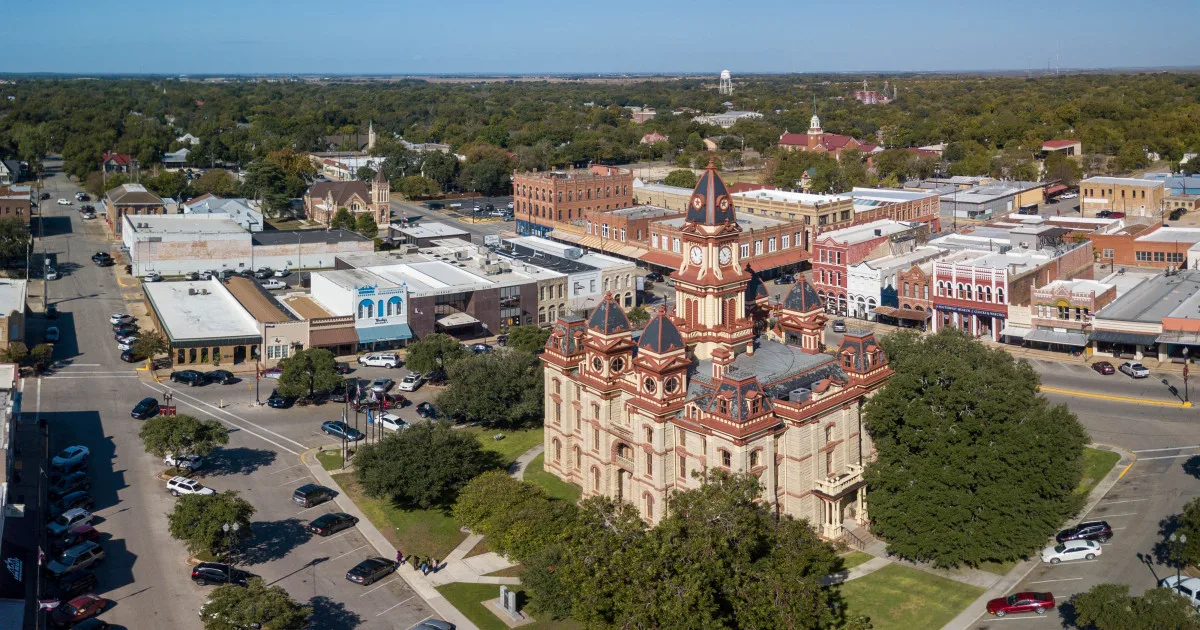
Lockhart sits in the blackland prairie of Caldwell County, where expansive clay soils, flash-flood-prone creeks feeding into Plum Creek, and a mix of century-old homes near the courthouse square create restoration challenges you won't find in newer suburbs. Property damage here rarely stays simple - a slab leak becomes a mold problem, a grease fire leaves smoke residue in every duct.
Restoration in the Lockhart area covers the full spectrum of emergency property recovery:
- Water Damage Restoration - extraction, structural drying, and moisture mapping after burst pipes, roof leaks, and appliance failures
- Flooded Basement cleanup for the cellars, storm shelters, and below-grade rooms found in older Lockhart properties
- Sewage Cleanup following septic backups, main line clogs, and storm-overloaded drains
- Fire Damage Restoration including emergency board-up, debris removal, and structural rebuild
- Smoke Damage Restoration targeting soot, corrosive residue, and lingering odor in walls and HVAC systems
- Mold Removal with containment, HEPA filtration, and antimicrobial treatment
Key benefits for Lockhart residents include faster response times that limit secondary damage, documentation that supports insurance claims, and IICRC-certified technicians who follow industry drying standards rather than guesswork. Emergency lines stay open 24/7 - call (512) 698-8444 or 512-687-3103 for immediate dispatch.
Common Damage Restoration Issues in Lockhart, Texas
Local geography and building stock drive predictable damage patterns across Caldwell County properties.
Frequent Causes of Damage
- Flash flooding along Plum Creek and Clear Fork tributaries that pushes water into low-lying homes and outbuildings
- Slab movement from shrink-swell clay soils, which cracks foundations and shears supply lines under concrete slabs
- Septic system failures on rural acreage outside city sewer service, producing Category 3 sewage contamination
- Aging galvanized and polybutylene plumbing in mid-century Lockhart homes
- Hard freezes that split uninsulated pipes in attics, crawlspaces, and exterior walls
- Kitchen and barbecue-related fires - unsurprising in a town built on smoked meat, where grease, smokers, and open flame are part of daily life
- Lightning strikes and electrical faults during spring thunderstorm season
Warning Signs Worth Acting On
- Musty or earthy odors in closets, under sinks, or near baseboards - often the first indicator of hidden mold
- Discolored, bubbling, or soft drywall along exterior walls and window frames
- Unexplained spikes in your water bill, pointing to a slab leak beneath the foundation
- Slow drains, gurgling toilets, or wet spots in the yard above a septic field
- Cupping or lifting hardwood and warped laminate flooring
- Soot film on light fixtures, yellowed ceilings, or smoke odor that returns when the AC runs
- Persistent allergy symptoms, coughing, or headaches that ease when you leave the house
Water losses escalate quickly in Central Texas humidity - microbial growth can begin within 24 to 48 hours, which is why extraction and drying should never wait for business hours.
Neighborhoods We Serve in Lockhart
Coverage extends across Lockhart proper and the surrounding Caldwell County communities:
- Downtown Lockhart and the Courthouse Square Historic District - historic masonry commercial buildings and Victorian-era homes
- Historic residential streets along Main, Blanco, San Antonio, and Prairie Lea
- Clear Fork and Plum Creek corridors - flood-sensitive properties near the waterways
- Neighborhoods bordering Lockhart State Park and the FM 20 area
- Newer subdivisions and developments off SH 130, US 183, and the north side growth corridor
- Rural acreage and ranch properties on septic systems and well water throughout Caldwell County
Surrounding areas served include Luling, Martindale, Kyle, Buda, San Marcos, Bastrop, Dale, Maxwell, Mendoza, Fentress, Prairie Lea, and Uhland. Crews stage along the SH 130 and I-35 corridors so equipment reaches both in-town addresses and remote county properties quickly.
Seasonal Damage Patterns in Lockhart
Winter (December - February)
- Hard freeze events that burst attic and exterior wall piping, causing widespread water damage
- Peak season for heating equipment, fireplace, and space heater fires
- Smoke damage from improperly vented chimneys and wood stoves
Spring (March - May)
- Severe thunderstorms, hail, and flash flooding along Plum Creek - the busiest stretch for flooded basement and crawlspace calls
- Wind-driven rain and roof damage leading to ceiling and attic saturation
- Sewage backups when heavy runoff overloads drain lines and saturates septic drain fields
- Mold growth accelerates as temperatures and humidity climb together
Summer (June - August)
- AC condensate line clogs and overflowing drain pans soaking ceilings and closets
- Peak mold removal demand - hot, humid air plus air conditioning creates condensation inside wall cavities
- Grass and brush fires during drought conditions, plus outdoor cooking and grill fires
Fall (September - November)
- Tropical system remnants delivering heavy rainfall and localized flooding
- Slab and foundation cracks from soil shifting after drought-to-rain swings
- Post-summer mold discovery once homeowners open up seldom-used rooms
- First furnace startups revealing dust burn-off and smoke odor problems
Housing Characteristics & Restoration Considerations
Lockhart's housing stock spans well over a century, and each era brings its own restoration requirements.
Historic Homes (pre-1940)
- Pier-and-beam foundations with vented crawlspaces that trap moisture and breed mold under floors
- Shiplap sheathing, lath-and-plaster walls, and original longleaf pine floors requiring careful, slow drying rather than aggressive demolition
- Knob-and-tube or heavily modified wiring that raises electrical fire risk
- Possible asbestos and lead paint, which affects how fire and water damage materials are handled
- Cellars and partial basements prone to standing water during heavy rain
Mid-Century Housing (1940s - 1980s)
- Early concrete slabs vulnerable to under-slab supply line leaks
- Galvanized steel or cast iron plumbing nearing end of service life
- Minimal wall insulation, allowing smoke residue and moisture to travel through cavities
- Original ductwork in unconditioned attics that collects soot and microbial growth
Newer Construction (1990s - present)
- Tightly sealed envelopes that hold humidity indoors and hide moisture behind vapor barriers
- Engineered wood, OSB, and MDF components that swell permanently once wet
- Second-story laundry and bathroom placements that send water through multiple floors
- Attached garages where fire and smoke spread rapidly into living space
Restoration plans account for these differences - a plaster wall in a 1910 Lockhart home is dried and preserved, while saturated modern drywall is typically cut back to sound material and rebuilt.
Environmental Conditions & Damage Implications
Climate and Humidity
Lockhart's humid subtropical climate averages roughly 33 to 35 inches of annual rainfall, much of it delivered in intense bursts. Summer dew points regularly sit in the 70s, meaning outside air alone cannot dry a wet structure - dehumidification equipment does the real work.
- High indoor humidity extends drying timelines and raises mold risk after any water loss
- Rapid temperature swings drive condensation inside wall cavities and on ductwork
- Smoke odor becomes more noticeable in humid conditions, since moisture reactivates soot residue
Soil and Drainage
- Blackland prairie clay expands when wet and contracts when dry, stressing foundations and buried plumbing
- Low permeability means stormwater pools rather than soaking in, pushing water toward crawlspaces and below-grade rooms
- Clay-heavy drain fields limit septic performance, contributing to sewage backups during wet periods
Water and Air Quality
- Moderately hard municipal water leaves scale in supply lines and water heaters, accelerating failures
- Rural well and septic properties require Category 3 protocols for any sewage contamination, including full removal of porous materials
- Regional pollen, prairie grass dust, and drought-season smoke haze compound indoor air problems after fire or mold events - HEPA filtration and air scrubbing address both
Every project includes moisture readings, thermal imaging where appropriate, and documented drying logs so the structure is verified dry before reconstruction begins.
Emergency Response and Insurance Documentation for Lockhart Property Owners
When water is spreading or smoke is settling, the first few hours determine how much of your property can be saved. Response is available around the clock, every day of the year - reach the dispatch line at (512) 698-8444 or 512-687-3103.
What Happens After You Call
- Immediate phone triage - guidance on shutting off water, killing power to affected circuits, and staying clear of contaminated areas
- Rapid dispatch to your Lockhart address with extraction units, air movers, dehumidifiers, and HEPA air scrubbers
- Inspection and moisture mapping using meters and thermal imaging to find water behind walls, under slabs, and beneath flooring
- Containment - plastic barriers and negative air pressure to keep mold spores, soot, and sewage bacteria out of clean areas
- Extraction and stabilization, including emergency board-up and roof tarping after fire or storm damage
- Structural drying monitored daily with logged readings until materials reach dry standard
- Cleaning and remediation - antimicrobial application, soot removal, thermal fogging, and odor neutralization
- Reconstruction of drywall, flooring, trim, cabinetry, and paint to pre-loss condition
Documentation That Supports Your Claim
- Photo and video record of conditions before work begins
- Written scope of work with itemized materials and affected areas
- Daily moisture and humidity logs proving proper drying
- Equipment placement records and psychrometric readings
- Direct communication with your adjuster to reduce back-and-forth
What Homeowners Can Do First
- Shut off the main water supply if a pipe or appliance is leaking
- Photograph damage before moving anything, if it is safe to do so
- Move valuables, electronics, and documents to a dry area
- Avoid entering rooms with sewage, standing water near outlets, or structural fire damage
- Leave HVAC systems off after fire or mold discovery to prevent spreading contaminants
The goal is straightforward - take care of the customer and do the job right the first time, with IICRC-certified technicians, licensed and insured crews, and equipment sized for Central Texas humidity.





