Damage Restoration in Hunt County, TX
- Damage Restoration Services Overview
- Common Damage Restoration Issues in Hunt County, Texas
- Neighborhoods We Serve in Hunt County
- Seasonal Damage Patterns in Hunt County
- Housing Characteristics & Restoration Considerations
- Environmental Conditions & Damage Implications
- Documenting Storm and Water Damage for Hunt County Insurance Claims
Damage Restoration Services Overview
Property damage rarely announces itself politely. A supply line lets go behind a wall at 2 a.m., a grease fire jumps from the range hood, or a slow leak under a bathroom vanity turns into a mold colony that nobody sees until the drywall stains. For Hunt County homeowners and business owners, the hours immediately after discovery shape everything that follows - how much material can be saved, how long the property stays disrupted, and how smoothly the insurance claim moves.
RestoreNow handles the full arc of recovery, from emergency cleanup through complete reconstruction, so you are not juggling four contractors and a claims adjuster at the same time. Services available across Hunt County include:
- Water Damage Restoration - extraction, structural drying, moisture mapping, and monitoring until materials return to dry standard
- Flooded Basement - pump-out, sump and drainage evaluation, and dehumidification of below-grade spaces
- Sewage Cleanup - Category 3 containment, removal of porous materials, and antimicrobial treatment
- Fire Damage Restoration - board-up, debris removal, structural assessment, and rebuild
- Smoke Damage Restoration - soot removal, thermal fogging, HVAC cleaning, and odor neutralization
- Mold Removal - containment, HEPA air scrubbing, controlled demolition, and post-remediation verification
Each service is documented in writing so you know what was found, what was removed, and why.
Common Damage Restoration Issues in Hunt County, Texas
Local soil conditions, weather patterns, and housing stock create predictable damage scenarios. Understanding what happens here repeatedly means crews arrive with the right equipment and certified technicians already staged rather than making a second trip.
Recurring Causes Across the County
- Expansive clay soils that swell and shrink with rainfall cycles, stressing foundations, slab penetrations, and buried supply lines
- Spring and fall storm systems bringing high winds and hail that compromise roofing, then allow water intrusion into attics and wall cavities
- Rural well and septic systems outside Greenville and Commerce, where pressure tank or pump failures can introduce Category 2 water that degrades to Category 3 if it sits before extraction
- Aging cast iron and clay sewer laterals in older neighborhoods that crack, back up, and discharge waste into bathrooms and utility rooms
- Space heaters, fireplaces, and wood stoves during North Texas cold snaps, a leading source of residential fire and smoke damage
- Freeze events that burst uninsulated pipes in attics, crawlspaces, and exterior walls
Warning Signs Worth Acting On
- Musty odor that intensifies when the HVAC cycles on - often mold growing in ductwork or wall cavities
- Buckling or cupping hardwood, or vinyl plank lifting at the seams
- Discolored ceiling rings that reappear after painting
- Gurgling drains or slow toilets, a precursor to sewage backup
- Soot film on window glass, light fixtures, or plastic switch plates after a small fire
- Unexplained increases in water usage with no visible fixture leak
Neighborhoods We Serve in Hunt County
Coverage extends across the full county, from the county seat to the smallest rural communities on farm-to-market roads.
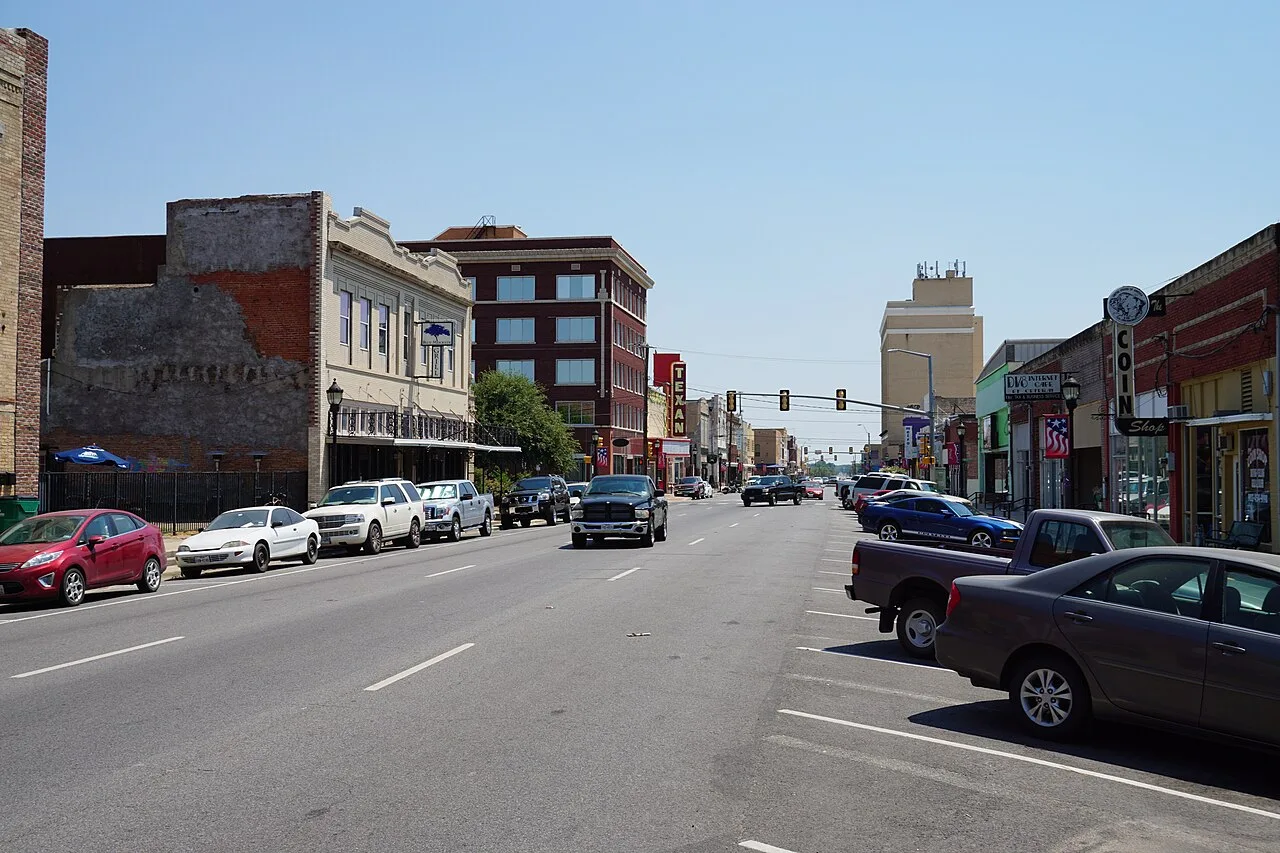
- Greenville - downtown historic district, Park Street corridor, and newer subdivisions along the I-30 frontage
- Commerce - university-area rentals, older frame homes, and surrounding acreage properties
- Quinlan and Tawakoni-area communities - lakefront and near-lake homes with elevated humidity exposure
- Caddo Mills - growing residential development along the SH-66 corridor
- Royse City edge - the Hunt County side of the fast-expanding I-30 growth belt
- Wolfe City, Celeste, Campbell, Lone Oak, Neylandville, Union Valley, and West Tawakoni - small-town and rural service calls
Surrounding regions in Rockwall, Rains, Delta, Fannin, Collin, and Kaufman counties are also within the response area, which matters when a single storm system damages properties across county lines the same night.
Seasonal Damage Patterns in Hunt County
Restoration demand in North Texas follows a fairly reliable rhythm. Knowing the pattern helps homeowners get ahead of it.
- December through February - hard freezes burst attic and exterior-wall piping; heating equipment, fireplaces, and portable heaters drive fire and smoke damage. Frozen line breaks often flood multiple floors before anyone is home to shut the main.
- March through May - peak severe weather. Hail and straight-line winds strip shingles, and the rain that follows enters through the compromised roof. Flooded basements, storm cellars, and low-lying crawlspaces are common.
- June through August - heat and humidity accelerate mold growth in any space that was wetted in spring and never fully dried. Condensate line clogs on overworked air conditioners cause slow ceiling and closet leaks.
- September through November - a second storm season delivers high winds and hail. This is also when documenting roof damage matters most, since claims filed with clear photo evidence and moisture readings move faster.
- Year-round - sewage backups follow heavy rain that infiltrates aging laterals, and appliance failures ignore the calendar entirely.
Housing Characteristics & Restoration Considerations
Hunt County housing stock spans more than a century, and the construction era of a home dictates the restoration approach more than almost any other factor.
Older Homes - Pre-1960 Construction
- Century-old lumber and original plaster absorb moisture at depths that require demolition access and HEPA air scrubbing to reach - surface treatment alone does not resolve contamination
- Pier-and-beam foundations with vented crawlspaces trap humid air and support mold growth on floor joists and subfloor
- Shiplap sheathing and multiple layers of wallpaper hold smoke odor long after visible soot is cleaned
- Knob-and-tube or early wiring raises fire risk and complicates rebuild scope
- Cast iron drain lines corroded from the inside, prone to sewage backup
Mid-Century and Modern Slab Homes
- Post-tension and conventional slabs on expansive clay - movement cracks slabs and shears supply lines beneath them
- Water travels laterally under vinyl plank and laminate, wicking into baseboards and bottom plates without surface evidence
- Fiberglass batt insulation in exterior walls holds water and must be removed, not dried
- Attic-mounted HVAC units and water heaters put leaks directly above finished ceilings
Newer Subdivision and Rural Builds
- Tighter building envelopes dry slowly and hold humidity, favoring mold after any water event
- Engineered wood products swell irreversibly and often require replacement rather than drying
- Rural properties on well and septic need water source classification before extraction begins
Environmental Conditions & Damage Implications
The environment around a Hunt County property is not background detail - it directly changes drying times, contamination risk, and the scope of remediation.
Climate and Humidity
- Humid subtropical conditions with summer dew points that make outdoor air useless for drying - closed-drying systems with dehumidification are required
- Long warm season means mold can colonize wet materials in a matter of days, not weeks
- Rapid temperature swings between fronts cause condensation inside wall cavities and on ductwork
Soil and Groundwater
- Blackland Prairie clay expands when saturated and contracts in drought, cracking foundations and creating pathways for groundwater into below-grade spaces
- Poor natural drainage causes water to pond against foundations after heavy rain
- High water tables near Lake Tawakoni and the Sabine River bottoms increase hydrostatic pressure on basements and storm shelters
Water Quality
- Rural well water carries elevated mineral and sediment content, which stains materials and affects cleaning chemistry
- Well pump or pressure tank failures introduce Category 2 conditions - and if the water has sat and degraded before extraction, that classification changes again
- Correct classification on every job affects extraction protocols, drying procedures, and insurance documentation
Air Quality
- Seasonal agricultural dust and pollen load HVAC systems, which then redistribute soot and mold spores throughout a structure
- Smoke residue bonds more aggressively in humid conditions, requiring specific cleaning agents by soot type
Documenting Storm and Water Damage for Hunt County Insurance Claims
Most Hunt County restoration jobs involve an insurance claim, and the difference between a smooth claim and a frustrating one usually comes down to documentation created in the first day or two. Fall storm damage from high winds and hail is a good example: shingle bruising and granule loss are not always obvious from the ground, and by the time interior staining appears, the causal event may be weeks in the past.
What Thorough Documentation Includes
- Date-stamped photography of exterior impact points, interior water paths, and every affected room before anything is moved
- Moisture mapping with meter readings recorded by location, establishing the true extent of migration behind walls and under flooring
- Thermal imaging to reveal saturated cavities that visual inspection misses
- Water source classification - clean, gray, or black - which determines whether materials can be dried or must be removed
- Daily drying logs showing equipment placement, ambient conditions, and material moisture content over time
- Written scope listing demolition, remediation, and reconstruction line by line
How Transparency Protects You
- You receive the same photos, readings, and reports the adjuster receives - nothing is summarized for you and detailed for them
- Findings are explained in plain language before work begins, including what is salvageable and what is not
- Any change in scope is discussed and documented before crews proceed
- Post-remediation verification confirms mold work met clearance criteria rather than relying on appearance
- Reconstruction is handled under the same roof, so responsibility never gets passed between contractors
Ask questions at every stage. A restoration company that welcomes them is one worth having in your home.