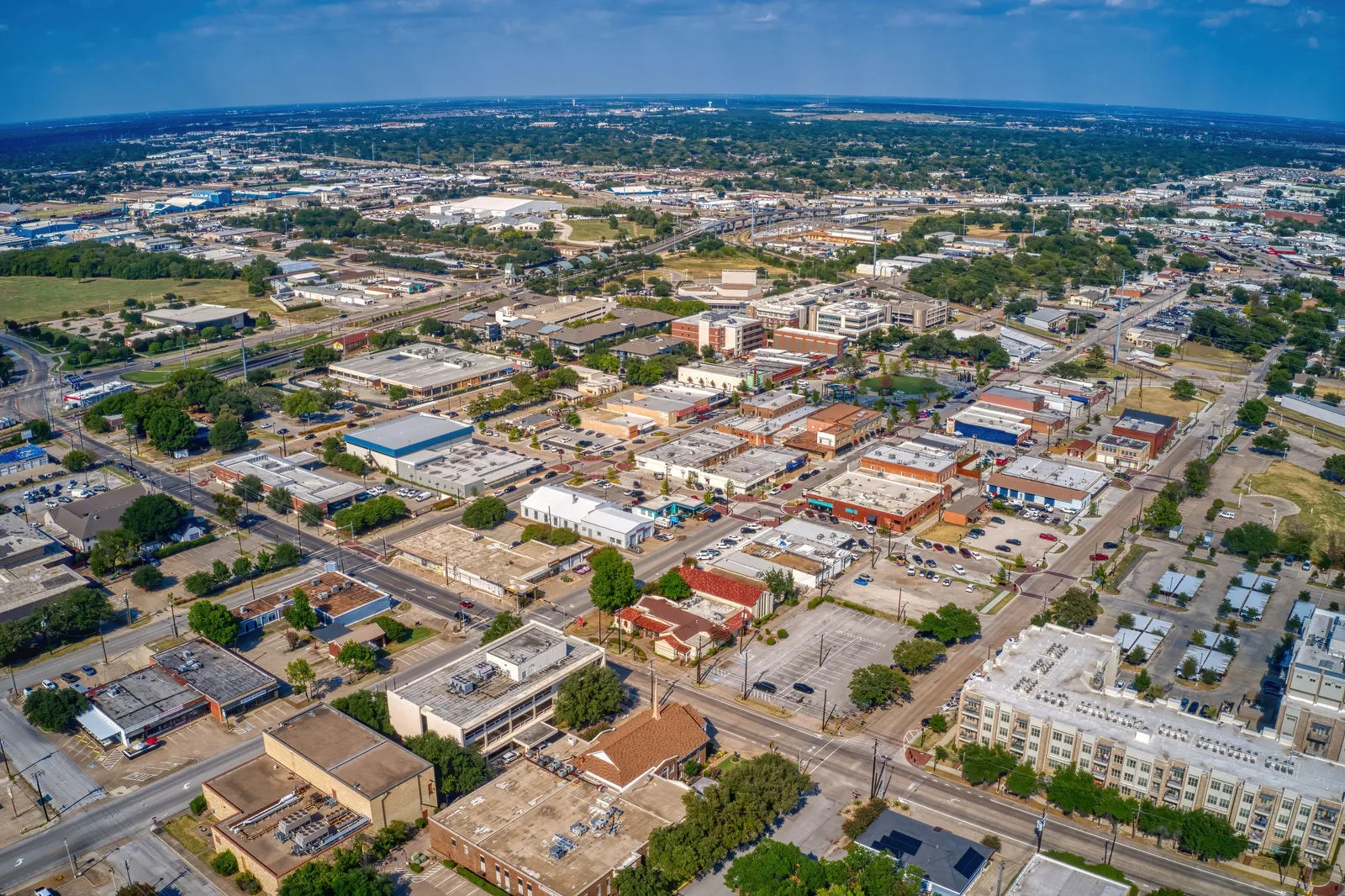
Damage Restoration in Milam County, TX
- Damage Restoration Services Overview
- Common Damage Restoration Issues in Milam County, Texas
- Neighborhoods We Serve in Milam County
- Seasonal Damage Patterns in Milam County
- Housing Characteristics & Restoration Considerations
- Environmental Conditions & Damage Implications
- The First 72 Hours After a Storm Loss in Milam County
Damage Restoration Services Overview
Coming home to standing water in a hallway, a scorched kitchen, or the sour smell of sewage backing up through a floor drain rattles even the most level-headed property owner. The first hours matter, and knowing who to call - and what happens next - takes some of the weight off your shoulders.
Milam County properties face damage from several directions: spring storm systems moving across the Blackland Prairie, aging plumbing in older Cameron and Rockdale homes, grass fires during dry stretches, and humidity that feeds microbial growth long after the visible water is gone.
- Water Damage Restoration - extraction, structural drying, moisture mapping, and monitoring until materials return to dry standards
- Flooded Basement - pump-out, sump and drainage evaluation, dehumidification of below-grade and partially below-grade spaces
- Sewage Cleanup - Category 3 water handling, contaminated material removal, antimicrobial treatment, and disinfection
- Fire Damage Restoration - emergency board-up, debris removal, structural cleaning, and reconstruction
- Smoke Damage Restoration - soot removal, thermal fogging, HVAC cleaning, and odor neutralization at the molecular level
- Mold Removal - containment, negative air pressure, HEPA filtration, and removal of colonized materials
The benefit of a single restoration team handling all six is continuity. Fire losses almost always involve water from suppression. Sewage backups almost always end in mold questions. Handling those overlaps under one plan keeps documentation clean for insurers and shortens the time your household spends displaced.
Common Damage Restoration Issues in Milam County, Texas
Milam County sits where Blackland Prairie clay meets Post Oak Savannah sand, and that geology drives a surprising share of the damage calls we see.
Local Causes of Property Damage
- Expansive clay soil movement - shrink-swell cycles crack slab foundations and shear supply lines, producing slow leaks under flooring
- Little River, San Gabriel, and Brazos flooding - riverine and flash flooding along low-lying county roads and rural parcels
- Severe convective storms - straight-line winds and hail that strip roofing and drive rain into attics and wall cavities
- Rural septic and aging municipal lines - backups that push Category 3 water into bathrooms, utility rooms, and sunken floors
- Grass and brush fires - dry-season ignition near fence lines, outbuildings, and detached garages
- Lightning and electrical faults - attic and wall-cavity fires that smolder before flames appear
Warning Signs Worth Acting On
- Unexplained jumps in the water bill with no visible fixture leak
- Warped baseboards, cupping wood floors, or tile that sounds hollow
- A musty odor that returns each time the air conditioning cycles
- Dark staining at ceiling seams or where roof planes meet walls
- Gurgling drains or slow toilets, often the first hint of a sewer line problem
- Soot filming on light-colored surfaces, plastics, or the inside of window glass after a small fire
Wind damage patterns tell their own story. After the last major storm system, most fallen trees pointed in an easterly direction from northeast to southeast - a directional blow-off signature that separates straight-line wind failure from the twisted-branch evidence of rotation. That distinction shapes how a claim is documented.
Neighborhoods We Serve in Milam County
Coverage spans the full county, from incorporated cities to farm-to-market road addresses that GPS sometimes struggles with.
- Cameron - historic downtown district, older residential blocks near the courthouse square, and newer subdivisions on the outskirts
- Rockdale - established neighborhoods, properties near the former industrial corridor, and homes along US 79
- Thorndale - small-lot residential and surrounding agricultural properties
- Buckholts, Milano, Gause, and Burlington - rural homesteads, manufactured housing, and detached outbuildings
- Davilla, Ben Arnold, Minerva, Sharp, San Gabriel, and Val Verde - unincorporated communities and county road addresses
Service reaches adjacent areas in Bell, Williamson, Burleson, Robertson, Falls, and Lee counties as well, which matters when a regional storm system stretches local crews thin. Rural response includes generator-supported drying for properties where power restoration lags behind the storm.
Seasonal Damage Patterns in Milam County
Damage types cluster by season here, and knowing the calendar helps property owners get ahead of the common failures.
- January - February: Hard freezes burst exposed pipes in crawl spaces, attics, and unheated outbuildings. Space heater and fireplace use raises fire and smoke damage calls. Slab leaks surface as ground moisture shifts.
- March - May: Peak severe weather. Hail, straight-line winds, and heavy rainfall drive roof intrusion, flooded basements and below-grade rooms, and storm-related water damage. Mold questions follow within 24 to 72 hours.
- June - August: Heat and humidity push mold growth in attics, closets, and behind furniture on exterior walls. Air conditioning condensate line clogs produce hidden ceiling and wall leaks. Dry-season grass fires threaten fence lines and detached structures.
- September - October: Tropical systems tracking inland from the Gulf deliver sustained rainfall, riverine flooding, and wind-driven water intrusion. Sewage backups spike when saturated ground overwhelms septic fields.
- November - December: Cooking fires, holiday lighting faults, and the first cold snaps. Smoke odor complaints rise as houses stay closed up.
Two windows deserve the most attention: late spring storms and the September tropical stretch. Both produce the layered losses - water, contamination, and microbial growth - that take the longest to resolve.
Housing Characteristics & Restoration Considerations
Milam County housing stock skews older than the Texas average, with a heavy share of pre-1980 construction in Cameron, Rockdale, and Thorndale alongside newer rural builds and manufactured homes.
Common Construction Types
- Pier-and-beam homes - many built before 1960, with vented crawl spaces that trap humidity and hide plumbing leaks for months
- Post-1970 slab-on-grade - vulnerable to under-slab supply line failures caused by clay soil movement
- Wood-frame with lap or fiber cement siding - wind-driven rain penetrates at failed caulk joints and window flashing
- Manufactured and modular housing - belly wrap and skirting complicate water extraction and drying
- Historic masonry downtown structures - lime mortar and plaster require gentler drying and cleaning methods
- Metal outbuildings and barns - condensation-driven corrosion and rapid fire spread when contents ignite
How Building Age Shapes the Work
- Materials in homes built before 1980 may contain asbestos or lead-based paint, requiring testing before demolition of affected assemblies
- Original cast iron and galvanized drain lines fail from the inside, so sewage cleanup often reveals a repair need, not just a cleanup need
- Plaster and shiplap walls hold moisture differently than modern drywall, calling for extended monitoring rather than assumed dry times
- Balloon-framed older homes give smoke and fire vertical pathways between floors, expanding the cleaning footprint
- Retrofitted insulation in attics absorbs water and hides mold growth above ceilings
True basements are uncommon in this part of Texas, but partial basements, storm cellars, sunken dens, and below-grade utility rooms flood readily and need pumping plus dedicated dehumidification.
Environmental Conditions & Damage Implications
The county's humid subtropical climate is the single biggest factor working against a fast dry-out.
Climate and Moisture
- High summer dew points mean outside air cannot be used for drying much of the year - closed-drying with dehumidification is the working method
- Annual rainfall arrives in intense bursts, overwhelming gutters, area drains, and septic fields
- Warm ambient temperatures accelerate microbial amplification, with visible growth possible within days
Soil and Groundwater
- Blackland Prairie clay - low permeability, so surface water ponds against foundations instead of draining away
- Shrink-swell cycles - open seasonal cracks that admit water and let soil gases and odors migrate indoors
- Sandy Post Oak soils in the east county - drain faster but allow contaminated water to spread laterally from failed septic systems
- Shallow water tables near river bottoms - hydrostatic pressure pushes moisture through slabs and below-grade walls
Air and Water Quality Effects
- Agricultural dust and pollen load HVAC systems, and those same systems distribute soot and mold spores building-wide after a loss
- Private wells serving rural properties can be compromised by flooding, which changes the classification of any water that enters the home
- Hard water mineral content leaves residue that complicates cleaning of smoke-affected fixtures and glass
- Grass fire smoke carries fine particulate that infiltrates attics and settles in insulation, requiring HEPA vacuuming rather than surface wiping
Each of these conditions shapes equipment selection, drying targets, and how long monitoring continues before a structure is called dry.
The First 72 Hours After a Storm Loss in Milam County
Storm and hurricane damage restoration is the structured process of returning a property to pre-loss condition after tropical cyclones, derechos, tornadoes, and severe thunderstorms. It differs from routine repair because structural damage, moisture intrusion, contents protection, environmental hazards, and insurance documentation all have to be managed at once - and the clock on secondary mold growth starts running immediately.
What Happens Sequentially
- Safety assessment - electrical hazards, compromised roof structure, and contaminated standing water are identified before entry
- Emergency mitigation - tarping, board-up, and water extraction stop the loss from growing
- Moisture mapping - thermal imaging and penetrating meters locate water inside wall cavities, under flooring, and above ceilings
- Contents handling - salvageable belongings are inventoried, moved, and cleaned off-site when needed
- Controlled demolition - non-salvageable materials removed with containment where contamination or mold is present
- Structural drying - air movers and dehumidifiers run with daily readings logged until targets are met
- Cleaning and deodorization - soot removal, antimicrobial application, HVAC decontamination, and odor treatment
- Reconstruction - rebuilding finishes, cabinetry, roofing, and structure
Wind Damage Versus Hail Damage
Both are storm perils, but they are assessed differently, and the separation matters for claim apportionment.
- Hail - evaluated by impact mark density, dent depth on metal surfaces, and bruising on asphalt shingles
- Wind - evaluated by pattern of failure, including directional blow-off and uplift at edges and ridges
- Coexisting damage - common in Milam County storms, requiring documentation of each separately
What Property Owners Can Do Immediately
- Photograph everything before moving or discarding anything
- Shut off water or power only if it can be done safely
- Keep receipts for temporary lodging and emergency supplies
- Avoid contact with floodwater or sewage without protective equipment
- Report the loss to your carrier and request the claim number
Let restoration professionals handle the structure while you take care of your family. Documented process, honest scope, and the job done right the first time is the standard Milam County property owners deserve.