Damage Restoration in Wichita County, TX
- Damage Restoration Services Overview
- Common Damage Restoration Issues in Wichita County, Texas
- Neighborhoods We Serve in Wichita County
- Seasonal Damage Patterns in Wichita County
- Housing Characteristics & Restoration Considerations
- Environmental Conditions & Damage Implications
- Rapid Response and Modern Drying Technology in Wichita Falls
Damage Restoration Services Overview
Few things upend daily life faster than a burst supply line at 2 a.m. or the smell of smoke lingering in every room. Property damage in Wichita County rarely announces itself, and the hours immediately after discovery shape how much of your home or business can be saved.
Restoration work covers a connected group of specialties, each addressing a different form of loss:
- Water Damage Restoration - extraction, structural drying, and moisture mapping after leaks, appliance failures, and roof intrusion
- Flooded Basement - pumping standing water from below-grade rooms, storm shelters, and cellars, then drying foundation walls and slabs
- Sewage Cleanup - safe removal of Category 3 contaminated water, disinfection, and disposal of porous materials
- Fire Damage Restoration - debris removal, soot cleaning, structural stabilization, and content recovery
- Smoke Damage Restoration - odor neutralization, HVAC cleaning, and treatment of surfaces holding residue
- Mold Removal - containment, HEPA filtration, affected material removal, and correction of the moisture source
Benefits for local property owners go beyond appearances. Fast, documented mitigation limits secondary damage, supports insurance claims, protects indoor air quality, and keeps small problems from becoming gutted rooms. Providers serving Wichita Falls, Burkburnett, Iowa Park, and the surrounding county respond around the clock because damage does not wait for business hours.
Common Damage Restoration Issues in Wichita County, Texas
North Texas weather swings are the leading driver of restoration calls in Wichita County - hard freezes, hail-bearing thunderstorms, and flash flooding along the Wichita River all leave their mark.
Frequent Local Causes
- Frozen and ruptured pipes during January and February cold snaps, especially in uninsulated attics and exterior walls
- Wind-driven rain and hail breaching roofs, soffits, and window seals during spring storm season
- Flash flooding and street runoff pushing water into low-lying garages, crawlspaces, and basements
- Sewer line backups caused by clay soil movement, root intrusion, and older cast iron or clay laterals
- Kitchen grease fires, wiring faults in mid-century homes, and outdoor grass fires spreading to structures during drought
- Slow supply-line drips under sinks feeding hidden mold colonies behind cabinetry
Warning Signs Worth Acting On
- Musty odor that intensifies when the HVAC runs
- Bubbling paint, cupped flooring, or stained ceiling tiles
- Gurgling drains or slow toilets - often the first hint of a sewage backup
- Persistent smoke smell weeks after a small fire, indicating residue in ductwork and insulation
- Unexplained spikes in a water bill with no visible leak
- Condensation on interior walls during humid stretches after storms
Because expansive clay soil in the county shifts with wet and dry cycles, foundation cracks widen and create repeat entry points for groundwater. Addressing the moisture pathway matters as much as drying the room.
Neighborhoods We Serve in Wichita County
Coverage extends across the entire county, from established Wichita Falls neighborhoods to smaller farming communities on the Red River.
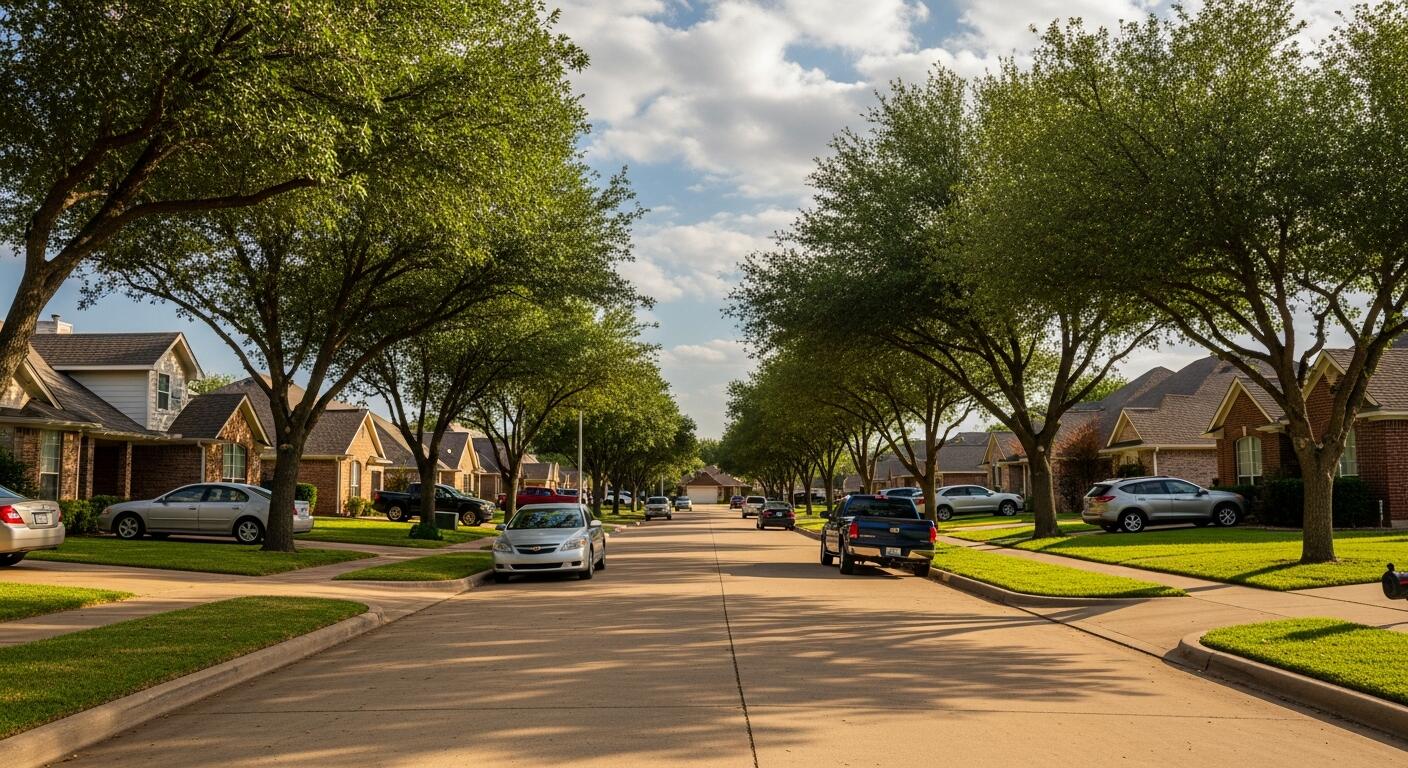
- Wichita Falls - including Country Club, Tanglewood, Faith Village, Fairway, Downtown, Southwest Parkway corridor, and the Sikes Senter area
- Burkburnett - residential blocks near Sheppard Air Force Base and older downtown properties
- Iowa Park - homes near Gordon Lake and the surrounding acreage
- Electra - historic housing stock along the western county line
- Pleasant Valley, Lakeside City, and Cashion Community
- Kamay, Thornberry, and rural properties off FM roads and State Highway 79
Crews also assist neighboring areas in Archer, Clay, and Wilbarger counties when storm systems track across the region. Familiarity with local street flooding patterns, municipal water shutoff locations, and county permitting keeps response time short.
Seasonal Damage Patterns in Wichita County
Restoration demand in the county follows a predictable annual rhythm, and knowing the pattern helps property owners prepare.
- December through February: Hard freezes trigger the year's heaviest volume of burst-pipe water damage and flooded basements. Space heater and fireplace fires spike, bringing smoke damage calls.
- March through May: Severe thunderstorms, hail, and tornado threat produce roof breaches, wind-driven rain intrusion, and flash flooding. Sewage backups follow heavy rainfall as municipal lines surcharge.
- June through August: Heat and humidity accelerate mold growth in any structure that was not dried completely in spring. Air conditioning condensate line clogs cause ceiling and closet water damage.
- September through October: Late-season storms and remnants of Gulf systems bring another round of flooding. Drought-cured grass raises grass fire risk near rural structures.
- November: Heating systems restart, and dust or debris in flues leads to smoke and puff-back damage.
Mold removal requests cluster roughly two to six weeks after any major water event, which is why complete structural drying is more valuable than surface cleanup alone.
Housing Characteristics & Restoration Considerations
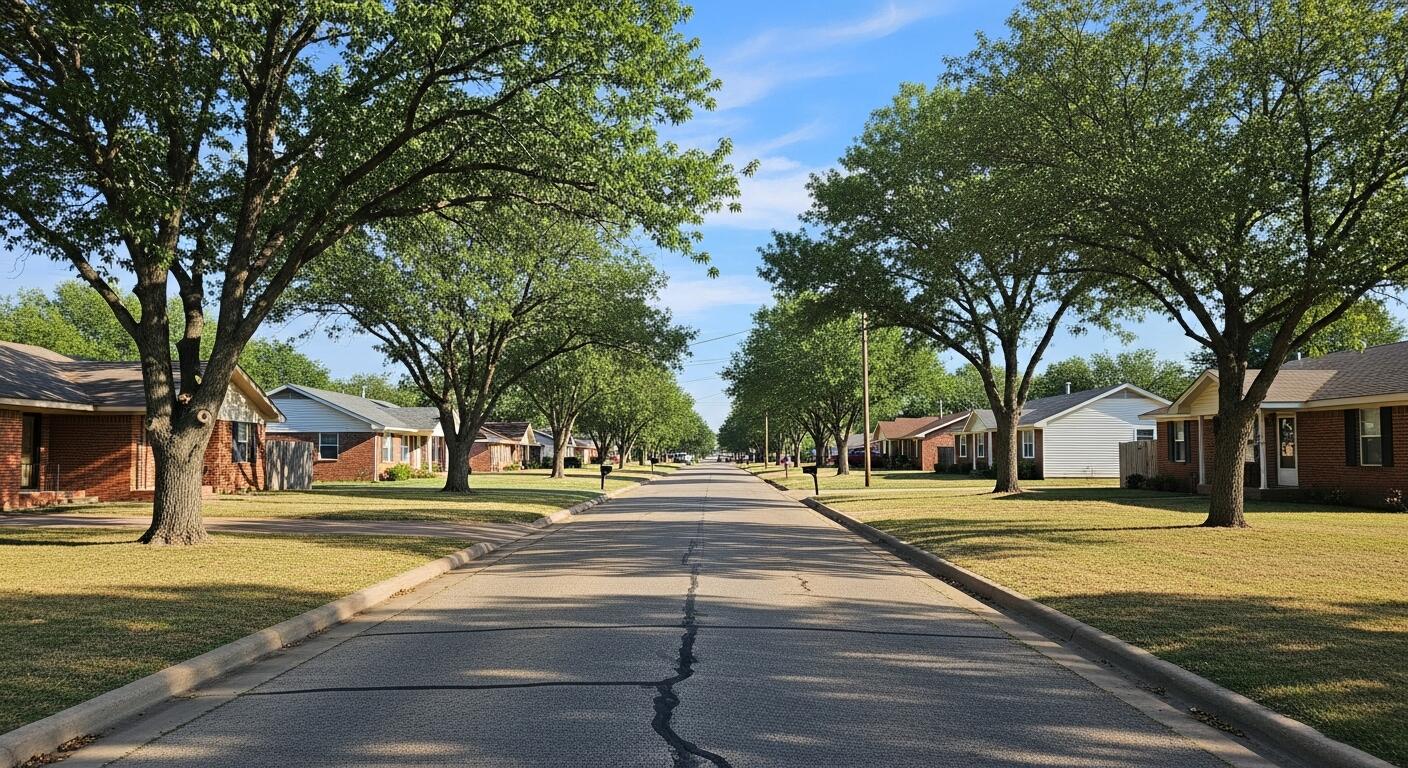
Much of Wichita County's housing stock dates to the oil boom era through the 1970s, and construction age directly shapes restoration strategy.
Common Construction Types
- Pier-and-beam homes from the 1920s-1950s in older Wichita Falls neighborhoods - crawlspaces trap moisture and require dedicated drying and vapor barrier work
- Post-war slab-on-grade ranch homes - water wicks into slab-adjacent framing, and under-slab plumbing leaks are common
- Brick veneer over wood frame - a widespread regional style where water tracks behind masonry and hides from view
- Newer subdivisions in southwest Wichita Falls and Lakeside City with engineered joists that lose strength quickly in fire conditions
- Rural metal and manufactured structures near Kamay and Thornberry with limited insulation and condensation issues
How Age Affects the Work
- Homes built before the late 1970s may contain asbestos in floor tile, mastic, and popcorn ceilings, plus lead paint - testing precedes demolition
- Cast iron and clay sewer laterals in older blocks fail and back up, making sewage cleanup a recurring need until the line is replaced
- Plaster and lath walls hold moisture longer than drywall and demand extended drying with targeted airflow
- Original wood siding and trim absorb smoke odor deeply, often requiring sealing after cleaning
- Basements and cellars, less common in Texas but present in older county homes and storm shelters, lack modern waterproofing and sump systems
Documenting pre-existing conditions during the initial assessment protects owners during insurance review.
Environmental Conditions & Damage Implications
The county's semi-arid climate with violent wet swings creates a difficult drying environment - long dry stretches followed by intense rainfall.
Climate and Soil Factors
- Expansive clay soils shrink in drought and swell after rain, cracking foundations and slabs, opening pathways for groundwater and basement flooding
- Summer heat above 100 degrees combined with post-storm humidity produces indoor conditions where mold colonizes within 24 to 48 hours
- Winter temperature drops of 40 degrees in a single day stress plumbing and cause pipe failure
- Wind-borne dust and agricultural particulate settle in HVAC systems, mixing with smoke residue and complicating odor removal
- Hard, mineral-heavy water stresses water heaters and supply connections, a frequent source of interior flooding
Air Quality and Health Implications
- Soot particles from structure fires remain airborne for days and settle into porous contents - HEPA filtration during cleanup protects occupants
- Sewage backups introduce bacteria and viruses that require antimicrobial treatment, not simple extraction
- Regional allergens combine with mold spores to worsen respiratory symptoms, particularly for children and older residents
- Sealed, energy-efficient newer homes retain moisture and contaminants longer without mechanical ventilation during drying
Moisture readings taken across multiple materials - framing, subfloor, insulation - give a truer picture than surface inspection, and drying continues until those readings match unaffected areas of the structure.
Rapid Response and Modern Drying Technology in Wichita Falls
Speed and equipment quality determine whether a water or fire loss ends in drying or in demolition. Local providers including SERVPRO of Wichita Falls and Hastings Restoration & Cleaning Services on State Highway 79 South maintain crews and truck-mounted equipment ready for immediate dispatch across the county, and the BBB directory for Wichita Falls lists accredited restoration firms for owners comparing options.
What a Modern Response Looks Like
- Emergency contact and dispatch - crews gather basic loss details and head out with extraction equipment staged
- Safety and source control - electrical hazards addressed, water shut off, structure secured, board-up and tarping after fire or storm
- Assessment and documentation - thermal imaging cameras and penetrating moisture meters map hidden saturation behind brick veneer and under slabs
- Extraction - truck-mounted and portable units remove standing water from flooded basements and living areas
- Contaminant removal - for sewage losses, affected porous materials are removed and surfaces receive EPA-registered antimicrobial application
- Structural drying - low-grain refrigerant dehumidifiers, air movers, and injection drying systems for wall cavities and hardwood
- Soot and odor treatment - dry sponge cleaning, ultrasonic content cleaning, hydroxyl generators, and thermal fogging for smoke damage
- Mold containment - negative air pressure, HEPA scrubbers, and controlled removal following industry standards
- Verification and reconstruction - daily moisture logs confirm drying goals before rebuilding begins
Why Advanced Equipment Matters Here
- Desiccant dehumidifiers handle the dense plaster and hardwood found in pre-1960 Wichita Falls homes
- Thermal imaging finds water tracking behind brick veneer without unnecessary demolition
- Hydroxyl and ozone technology neutralizes smoke odor rather than masking it
- Digital documentation platforms produce photo and moisture records that adjusters accept
- Portable generators keep drying active during the power outages that follow North Texas wind events
Coordinated response also means handling multiple damage types at once - a hail-breached roof can produce water damage, mold growth, and electrical fire risk from a single storm.