
Damage Restoration in Burkburnett, TX
- Damage Restoration Services Overview
- Common Damage Restoration Issues in Burkburnett, Texas
- Neighborhoods We Serve in Burkburnett
- Seasonal Damage Patterns in Burkburnett
- Housing Characteristics & Restoration Considerations
- Environmental Conditions & Damage Implications
- Storm Season Response and Insurance Documentation in Wichita County
Damage Restoration Services Overview
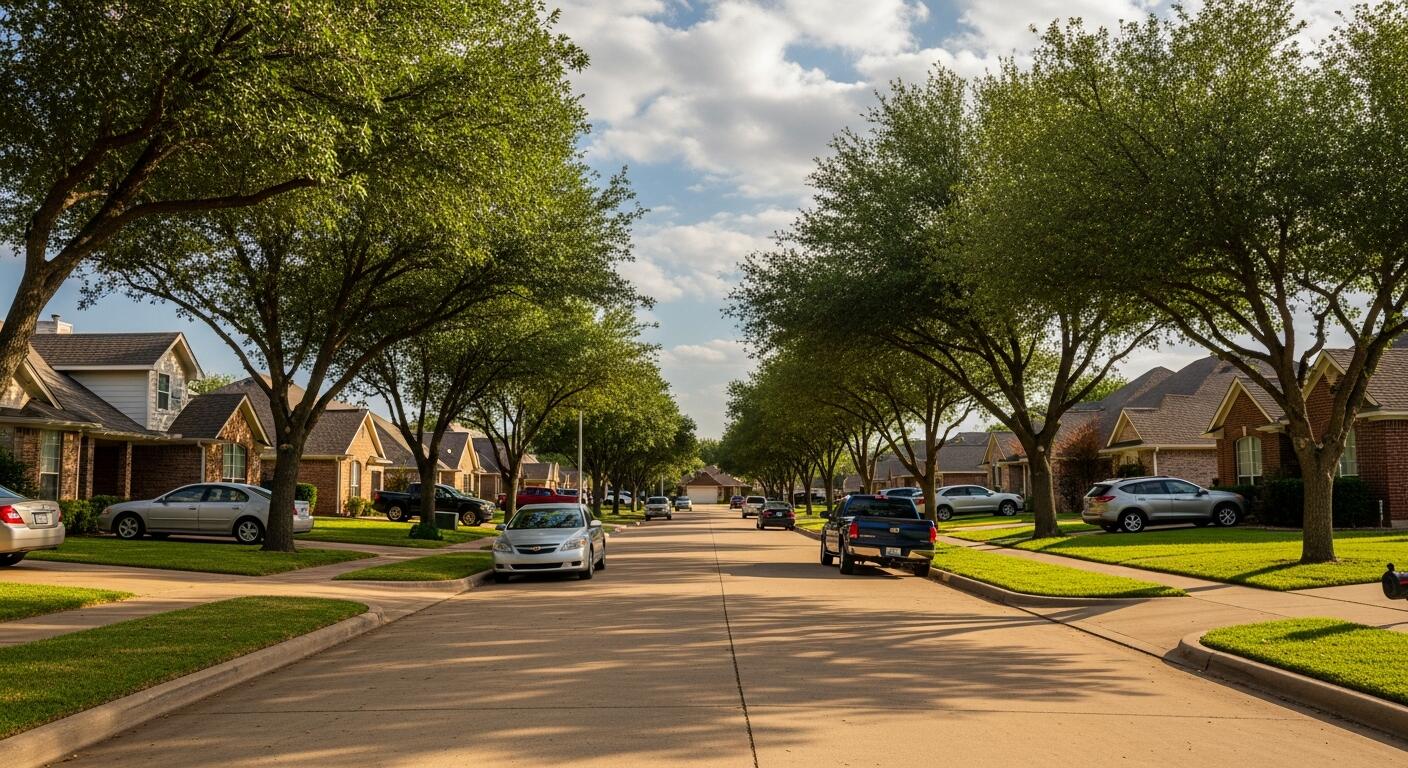
Burkburnett sits in a stretch of North Texas that records more than 30 inches of rain a year, yet still spends much of the summer under drought watch - a swing that punishes building materials and plumbing alike. That whiplash between soaked and parched is exactly why restoration work here rarely looks the same twice.
Property owners across Wichita County need a single team that can respond to water, fire, sewage and microbial problems without handing the job off three times.
- Water Damage Restoration - extraction, structural drying and moisture mapping after pipe bursts, appliance failures and roof leaks
- Flooded Basement - pump-out, sanitizing and dehumidification for below-grade rooms, storm shelters and crawl spaces
- Sewage Cleanup - removal of contaminated material, antimicrobial treatment and safe disposal after backups and septic failures
- Fire Damage Restoration - board-up, debris removal, soot cleaning and rebuild coordination
- Smoke Damage Restoration - odor neutralization, HVAC cleaning and content restoration for rooms fire never touched
- Mold Removal - containment, air filtration and removal of colonized materials
Key benefits for Burkburnett homeowners and business operators include faster drying before secondary damage sets in, documentation that supports insurance claims, and one crew accountable from the first walkthrough to the final inspection.
Common Damage Restoration Issues in Burkburnett, Texas
Burkburnett's position near the Red River and the open plains north of Wichita Falls exposes properties to wind, hail and flash flooding within the same afternoon. Storm damage frequently starts on the roof and finishes in the drywall.
Local Causes of Loss
- Hail and straight-line winds stripping shingles or cracking tile, letting rain into attics
- Fallen limbs and collapsed roof sections after severe thunderstorms and tornado activity
- Flash flooding from heavy spring downpours overwhelming yard drainage and low-lying slabs
- Pipe bursts during hard freezes, especially in uninsulated exterior walls and garages
- Sewer line backups caused by root intrusion in older clay laterals
- Grass and brush fires during dry, windy stretches spreading to outbuildings and fences
- Kitchen and electrical fires that leave heavy smoke residue throughout the structure
Warning Signs Worth Acting On
- Ceiling stains that darken or spread after a storm passes
- Buckling laminate, cupped hardwood or soft spots underfoot
- Musty odor in closets, HVAC returns or below-grade rooms
- Gurgling drains or slow toilets in more than one fixture at once
- Soot film on window glass, blinds or air vent covers
- Peeling paint or blistering baseboards along exterior walls
- Visible dark speckling on drywall paper, grout or subfloor edges
Early reporting matters. Water that sits past the first day starts feeding mold growth, and smoke residue becomes acidic enough to etch metal and glass permanently.
Neighborhoods We Serve in Burkburnett
Coverage spans the full city limits and the rural properties that surround them.
- Downtown Burkburnett and the Avenue B / Avenue D corridors
- Established neighborhoods off Sheppard Road and Kramer Road
- Newer subdivisions along Daniels Street and the north side of town
- Homes near Burkburnett Middle School, Tower Elementary and Hardin Elementary
- Properties bordering River Creek Park and the Red River bottomlands
- Acreage and manufactured housing along FM 368 and US 281
- Surrounding communities including Iowa Park, Electra, Wichita Falls, Sheppard Air Force Base housing and Randlett just across the state line
Commercial clients throughout the area rely on the same crews - churches, schools, dealerships, restaurants, retail centers, apartment complexes, warehouses and historic downtown buildings all have restoration needs that differ from a single-family home.
Seasonal Damage Patterns in Burkburnett
Restoration calls in North Texas follow a fairly predictable rhythm.
- January - February: Freeze events dominate. Burst supply lines, split hose bibs and failed water heaters drive water damage restoration and flooded basement calls, often discovered days later when pipes thaw.
- March - May: Peak severe weather. Hail, tornado and straight-line wind damage opens roofs; flash flooding overwhelms drainage and pushes sewage cleanup requests as municipal lines surcharge.
- June - August: Heat and humidity accelerate mold removal needs, particularly where spring water intrusion was never fully dried. Grass fires and outdoor equipment fires increase during dry, windy spells.
- September - October: Late-season storms return. Roof leaks from summer hail finally show through ceilings, and HVAC condensate line clogs create hidden water damage in closets and attics.
- November - December: Heating equipment, fireplaces and holiday cooking raise fire damage restoration and smoke damage restoration volume. Furnace puff-backs coat interiors in fine soot.
Off-season inspections - gutters in fall, plumbing insulation in early winter - prevent a large share of these losses.
Housing Characteristics & Restoration Considerations
Burkburnett grew fast during the oil boom era and again during postwar expansion near Sheppard Air Force Base. The result is a housing stock heavy on mid-century construction with newer infill scattered throughout.
What Local Construction Means for Restoration
- Slab-on-grade foundations are the norm, so water spreads laterally under flooring rather than draining away - moisture meters and thermal imaging are needed to find the true wet perimeter
- Limited true basements means flooded basement work often involves storm cellars, sunken dens and crawl spaces that trap humidity
- 1940s-1970s homes may contain asbestos-containing floor tile, mastic or textured ceilings requiring testing before demolition
- Galvanized and cast-iron plumbing in older properties corrodes and fails, contributing to both clean water losses and sewage backups
- Original wood-framed windows and lap siding absorb wind-driven rain, feeding mold behind interior walls
- Blown-in attic insulation holds soot and smoke odor long after visible fire damage is repaired and usually needs removal
- Brick veneer over wood framing hides moisture between the veneer and sheathing after storm damage
Newer subdivisions bring their own issues - engineered wood flooring that delaminates quickly, tight building envelopes that hold humidity, and PEX manifold systems that can flood a whole floor before anyone notices. Restoration plans should account for the era of the home rather than applying a single drying template to every address.
Environmental Conditions & Damage Implications
The land around Burkburnett is dominated by expansive clay soils typical of the Rolling Plains. That clay shrinks in drought and swells after rain, and the movement is hard on buildings.
Climate and Soil Effects
- Expansive clay shifts foundations, cracking slabs and shearing underground drain lines - a common precursor to sewage cleanup calls
- Poor infiltration means heavy rain runs across the surface instead of soaking in, pooling against foundations and entering through slab penetrations
- Summer heat above 100 degrees combined with air conditioning creates condensation on ductwork, a quiet mold source in attics and wall cavities
- Humidity swings allow spores to lie dormant and then bloom within days of a water event
- High wind and airborne dust from surrounding farmland load HVAC filters, which then trap and recirculate smoke particulate after a fire
- Hard, mineral-rich water stresses water heaters, supply lines and appliance valves, shortening their service life
How This Shapes the Work
- Drying plans account for clay-related slab cracks that wick moisture back into flooring
- Mold removal includes containment and negative air, not surface wiping alone
- Sewage cleanup treats clay soil saturation around the failure point, not just interior surfaces
- Smoke damage restoration always includes duct and filtration assessment given local dust loads
Storm Season Response and Insurance Documentation in Wichita County
Burkburnett has taken direct hits from tornadoes and hail more than once, and the March storm seasons here can generate hundreds of claims in a single county overnight. Properties that get documented early tend to move through the claims process with far less friction.
What Thorough Storm Response Looks Like
- Emergency stabilization - tarping or shrink-wrapping damaged roof sections, board-up of broken openings, and power-safe assessment before anyone enters
- Water removal - extraction from every affected level, including insulation cavities and under cabinet toe-kicks
- Moisture mapping - thermal imaging and meter readings recorded room by room, then repeated daily until dry standards are met
- Debris and contents handling - inventory, pack-out and off-site cleaning for salvageable items, documented disposal for the rest
- Microbial prevention - antimicrobial application and controlled dehumidification before mold has a window to establish
- Reconstruction - roofing, framing, drywall, flooring and finish work carried through to a final walkthrough
Details That Protect the Claim
- Time-stamped photographs of every affected room before any material is removed
- Written moisture logs showing progress toward dry standard
- Separate documentation for wind, hail, water and smoke causes when a single storm produces multiple loss types
- Material samples retained when asbestos or lead testing applies to older Burkburnett homes
- Clear scope notes distinguishing pre-existing wear from storm-related damage
Commercial properties - schools, churches, hotels, apartment complexes, dealerships and industrial buildings - benefit from the same discipline at larger scale, where roofing engineers, building engineers and claims specialists often work the file together. The goal is straightforward: restore the property fully, and leave a record complete enough that nothing gets questioned later.





