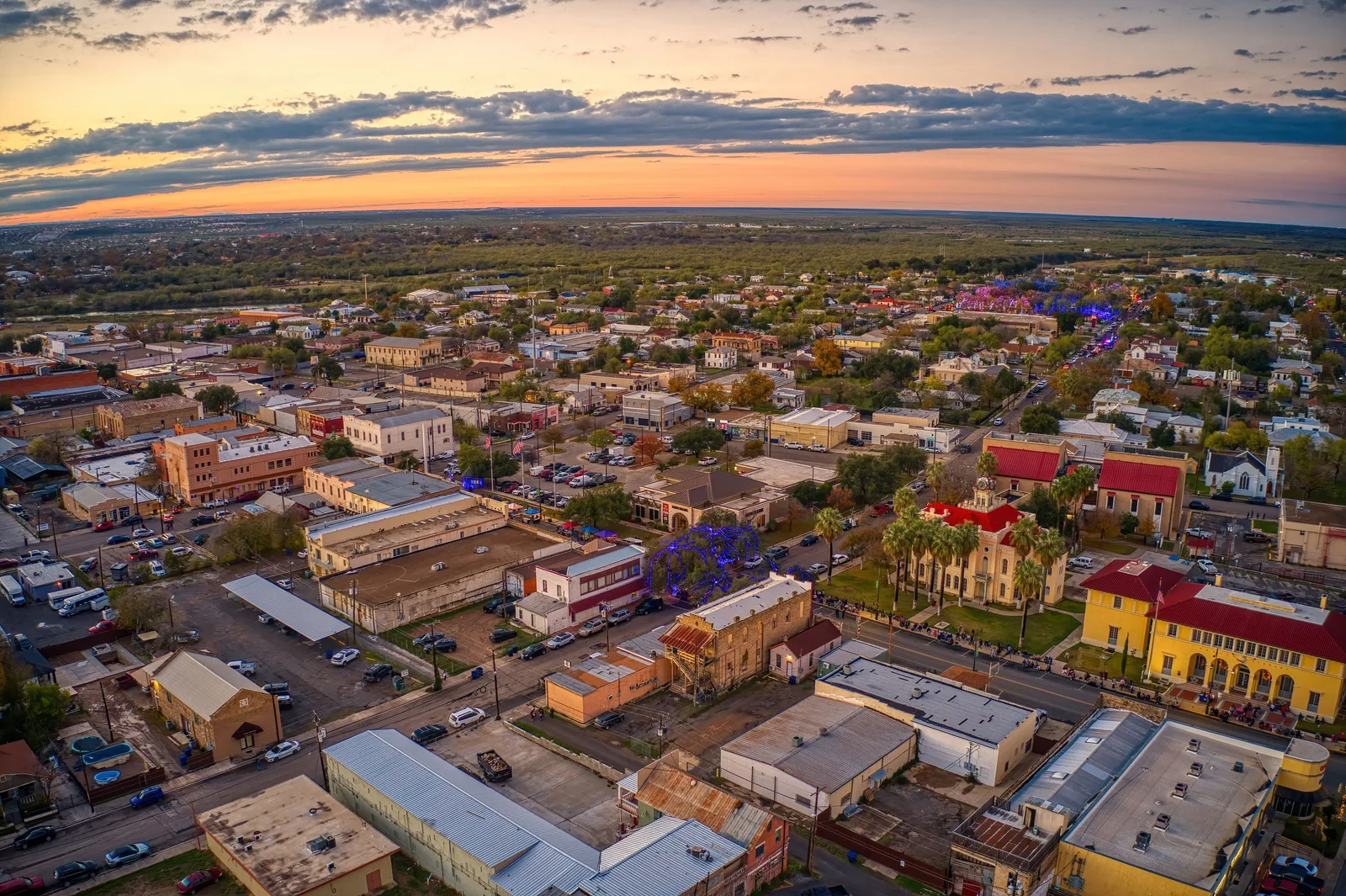
Damage Restoration in Maverick County, TX
- Damage Restoration Services Overview
- Common Damage Restoration Issues in Maverick County, Texas
- Neighborhoods We Serve in Maverick County
- Seasonal Damage Patterns in Maverick County
- Housing Characteristics & Restoration Considerations
- Environmental Conditions & Damage Implications
- Flash Flooding and Sewage Contamination Along the Rio Grande Corridor
Damage Restoration Services Overview
You wake up in an Eagle Pass home to the sound of running water, step onto the hallway tile, and find an inch of standing water spreading toward the bedrooms. A supply line let go overnight. By morning, drywall has wicked moisture two feet up the wall and the baseboards are already swelling.
That scenario plays out across Maverick County in dozens of variations - a monsoon downpour overwhelming a low-lying slab, a grease fire in a kitchen, a sewer backup after heavy rain saturates the ground.
Restoration work covers the full arc of recovery, and Maverick County property owners typically need one or more of the following:
- Water Damage Restoration - extraction, structural drying, and moisture mapping after pipe failures, roof leaks, or appliance malfunctions
- Flooded Basement - pump-out and drying of below-grade rooms, storm shelters, cellars, and sunken utility spaces
- Sewage Cleanup - removal of contaminated water, disinfection, and safe disposal of porous materials
- Fire Damage Restoration - debris removal, structural stabilization, and rebuilding of burned assemblies
- Smoke Damage Restoration - soot removal from surfaces and HVAC systems plus odor neutralization
- Mold Removal - containment, remediation, and correction of the moisture source feeding growth
The benefit of acting fast is straightforward: materials dried within the first days are often salvageable, while materials left wet become demolition work.
Common Damage Restoration Issues in Maverick County, Texas
Maverick County sits along the Rio Grande in a semi-arid stretch of South Texas, and that dry reputation misleads people. When rain arrives here, it arrives all at once.
Local Drivers of Damage
- Flash flooding - convective storms drop several inches over caliche and clay soils that shed water instead of absorbing it
- Rio Grande and creek rise - properties near Elm Creek and low-lying river terraces face backwater and sheet flow
- Aging plumbing - galvanized and early-generation supply lines in older Eagle Pass housing stock fail without warning
- Freeze events - the February 2021 statewide freeze demonstrated how exposed attic and exterior-wall piping ruptures in a region built for heat, not cold
- Sewer surcharge - stormwater infiltration pushes wastewater backward into floor drains and lowest-level fixtures
- Brush and grass fires - dry vegetation surrounding rural tracts carries flame and heavy smoke toward outbuildings and homes
Warning Signs Worth Investigating
- Tile grout lines staying dark long after mopping
- Baseboards separating, cupping, or showing paint blisters
- A musty smell that intensifies when the air conditioner cycles on
- Slow floor drains or gurgling toilets during rainfall
- Yellow-brown ceiling rings beneath roof penetrations and evaporative cooler mounts
- Soot film on window glass or a lingering campfire odor after a small kitchen fire
- Unexplained increases in water usage suggesting a slab leak beneath the foundation
Small clues here usually point at larger hidden saturation inside wall cavities.
Neighborhoods We Serve in Maverick County
Coverage spans the county seat and the surrounding rural communities along the border corridor.
- Eagle Pass - downtown commercial blocks, historic residential streets near the international bridges, and newer subdivisions on the north side
- Radar Base - former base housing and adjacent residential development
- Rosita and Rosita South - established neighborhoods with mixed-age housing
- Seco Mines - older homes with legacy plumbing and mixed construction
- Chula Vista - residential tracts on the county's outskirts
- Quemado - agricultural properties and irrigation-adjacent parcels
- El Indio and Normandy - rural river-corridor homes and ranch structures
- Elm Creek and surrounding unincorporated areas - properties in documented floodplain reaches
Work also reaches ranch outbuildings, schools, retail centers along Highway 57 and Loop 480, and commercial facilities near the Union Pacific corridor.
Seasonal Damage Patterns in Maverick County
Winter (December - February)
- Hard freezes rupture exposed hose bibs, attic runs, and uninsulated exterior-wall piping
- Space heater and fireplace use raises kitchen and living-area fire risk
- Post-freeze thaw produces simultaneous multi-property water losses countywide
Spring (March - May)
- Thunderstorm systems bring hail, wind-driven rain, and roof intrusion
- Sudden runoff overwhelms yard drainage and enters garages and sunken rooms
- Warming temperatures activate mold in cavities that stayed wet through winter
Summer (June - September)
- Peak flash-flood season, with intense cells dropping heavy rain in under an hour
- Tropical moisture from Gulf systems reaches inland South Texas
- Condensate line clogs on hard-working air conditioners flood hallways and closets
- Mold accelerates quickly in humid, air-conditioned interiors
- Dry brush surrounding rural property fuels grass fires and smoke intrusion
Fall (October - November)
- Late-season tropical remnants push river and creek levels upward
- Sewer systems surcharge after saturating rainfall
- Heating equipment start-up produces smoke odor and small appliance fires
Housing Characteristics & Restoration Considerations
Maverick County housing skews older near the city core and newer on the expanding northern edges of Eagle Pass. Construction methods vary widely, and each type reacts differently to water and fire.
Common Construction Types
- Slab-on-grade concrete - dominant across the county; slab leaks and lateral wicking into wall bottom plates are frequent
- Concrete block and stucco - holds moisture in the assembly and slows drying, requiring extended dehumidification
- Wood-frame with drywall - fast wicking, needs prompt cavity drying to avoid mold
- Manufactured and mobile homes - common in rural tracts; belly insulation traps water beneath the floor deck
- Older masonry and adobe-influenced structures - lime plaster and thick walls demand gentler, slower drying methods
How Building Age Shapes the Work
- Homes built before the 1980s may contain asbestos-bearing floor tile, mastic, or textured ceilings requiring testing before demolition
- Pre-1978 properties may include lead-based paint, changing how burned or soot-covered surfaces are handled
- Older cast iron and clay sewer laterals crack and root-intrude, contributing to sewage backups
- Few true basements exist locally, so "flooded basement" work usually involves cellars, sunken garages, mechanical pits, and storm shelters
- Ductwork routed through hot attics spreads smoke odor and mold spores throughout the whole structure
Restoration plans should always match the assembly - drying a stucco wall on the same schedule as drywall leaves moisture behind.
Environmental Conditions & Damage Implications
The county's climate creates an unusual combination: long, extremely hot summers with high indoor humidity from air conditioning, punctuated by violent rainfall events.
Climate Factors
- Summer highs regularly exceeding 100°F push cooling systems hard, increasing condensate overflow losses
- Low annual rainfall arriving in concentrated bursts rather than steady soaking
- Large day-to-night temperature swings that drive condensation inside wall and attic cavities
- Occasional hard freezes that catch uninsulated plumbing unprepared
Soil and Water Conditions
- Caliche and clay soils - poor infiltration means runoff pools against foundations rather than percolating away
- Expansive clay movement - seasonal shrink and swell cracks slabs and stresses buried supply and drain lines
- Hard, mineral-rich water - scale buildup shortens water heater and supply line life
- River-corridor sediment - floodwater from the Rio Grande and its tributaries carries silt, agricultural residue, and bacteria
Air Quality Effects
- Regional dust and blowing soil load HVAC filters, and that dust binds with soot after a fire to create stubborn residues
- Agricultural burning and grass fires introduce smoke odor into homes never touched by flame
- Air-conditioned interiors held at cool temperatures against humid outdoor air create condensation planes ideal for mold colonization
Every one of these conditions argues for verified moisture readings rather than a visual "it looks dry" judgment.
Flash Flooding and Sewage Contamination Along the Rio Grande Corridor
Maverick County's flood risk is defined less by steady rain and more by short, violent events. A storm cell parked over the watershed can send water down Elm Creek and adjacent drainages within hours, and properties on low river terraces can take on water before residents finish moving vehicles.
Floodwater in this corridor is rarely clean. It mixes street runoff, agricultural residue from irrigated tracts near Quemado and El Indio, and - when municipal collection systems surcharge - raw sewage.
Why Category Classification Matters
- Category 1 - clean water from a supply line; most materials can be dried in place if addressed quickly
- Category 2 - gray water from appliances or overflow; porous materials often need removal
- Category 3 - black water from sewer backup or ground-surface flooding; carpet, pad, insulation, and saturated drywall come out
Water that starts clean degrades over time. A supply-line break left sitting for days in Eagle Pass summer heat becomes a microbial problem no different in practice from a sewage event.
Sequence After Flood or Sewage Intrusion
- Confirm electrical and structural safety before anyone re-enters
- Extract standing water and remove sediment and solids
- Demolish and bag contaminated porous materials under containment
- Clean and apply antimicrobial treatment to remaining surfaces
- Set dehumidifiers and air movers, documenting moisture readings daily
- Verify dry standard before any drywall, insulation, or flooring goes back
Reducing Repeat Exposure
- Install backwater valves on sewer laterals in low-lying properties
- Regrade soil so it slopes away from the slab edge
- Keep yard drains and culverts clear ahead of summer storm season
- Insulate exposed plumbing before winter
- Relocate mechanical equipment and stored valuables above known flood elevations
Documenting conditions with photos and moisture logs also supports insurance claims under Texas policy requirements.