
Damage Restoration in Eagle Pass, TX
- Damage Restoration Services Overview
- Common Damage Restoration Issues in Eagle Pass, Texas
- Neighborhoods We Serve in Eagle Pass
- Seasonal Damage Patterns in Eagle Pass
- Housing Characteristics & Restoration Considerations
- Environmental Conditions & Damage Implications
- Border-Region Emergency Response and IICRC Standards in Maverick County
Damage Restoration Services Overview
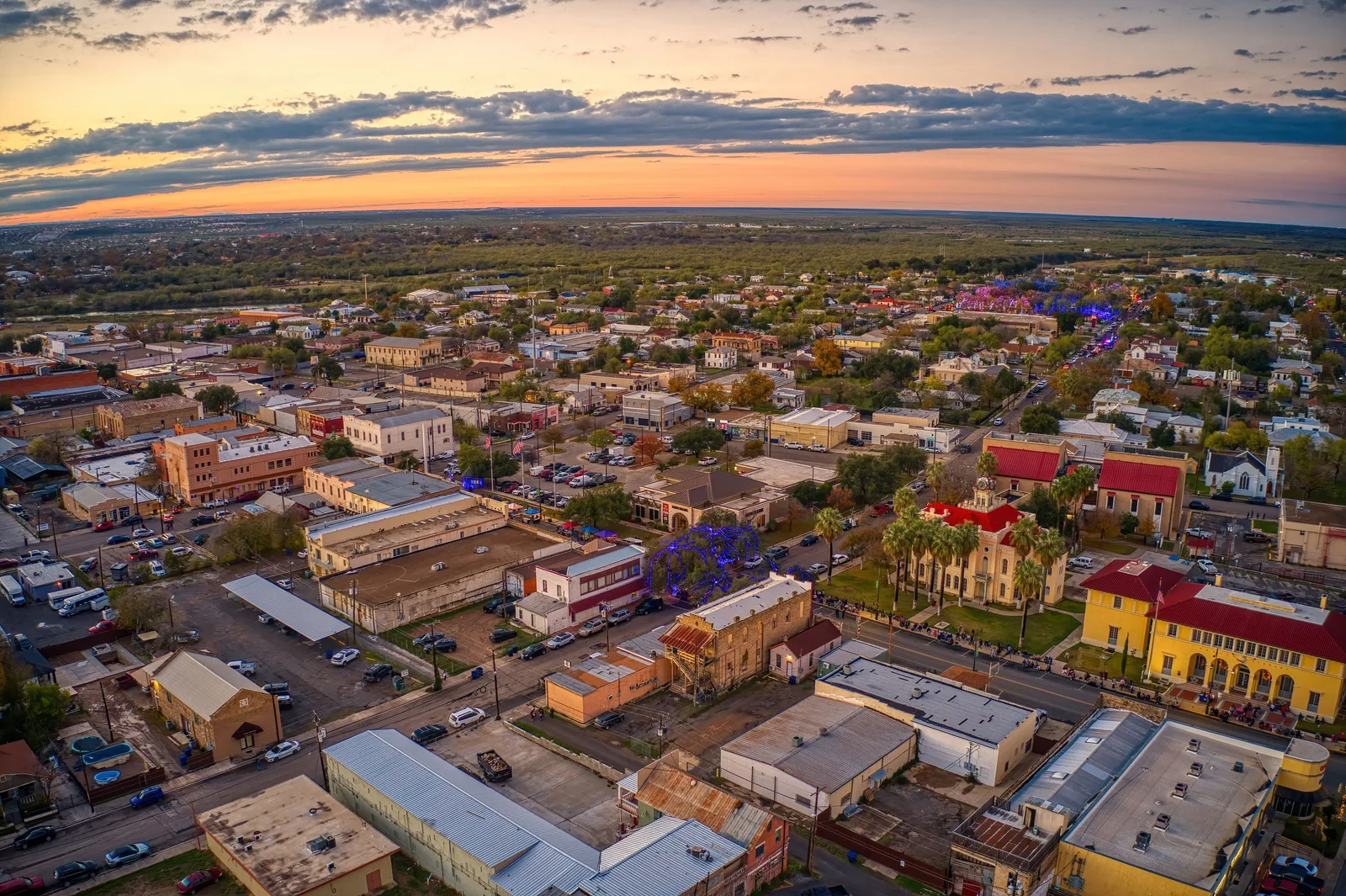
Eagle Pass sits in one of the driest corners of Texas - averaging roughly 20 inches of rain a year - yet a large share of that total can fall in a handful of violent late-summer storms. That feast-or-famine rainfall pattern, combined with hard-baked clay soil that sheds water instead of absorbing it, is why flash flooding and interior water intrusion are far more common here than the desert scenery suggests.
Property owners across Maverick County rely on a full spectrum of restoration work, including:
- Water damage restoration - extraction, structural drying, moisture mapping, and controlled dehumidification after roof leaks, supply-line failures, and storm intrusion
- Flooded basement and below-grade cleanup - pump-out and drying for cellars, sunken garages, storm shelters, and crawl spaces
- Sewage cleanup - containment, removal, and antimicrobial treatment after backups from overwhelmed lines or septic failures
- Fire damage restoration - debris removal, soot cleaning, content recovery, and structural repair
- Smoke damage restoration - odor neutralization, HVAC cleaning, and treatment of surfaces far from the burn area
- Mold removal - containment, remediation, and moisture-source correction
IICRC-certified technicians follow documented standards at every stage, which protects both the building and the insurance claim behind it. Fast response limits secondary damage and shortens the path back to normal.
Common Damage Restoration Issues in Eagle Pass, Texas
The most frequent calls in Eagle Pass trace back to three sources: sudden high-intensity rainfall, plumbing under stress from hard mineral-heavy water, and cooling systems running nearly year-round.
Local Causes We See Repeatedly
- Flash flooding along arroyos, drainage ditches, and low crossings that fill within minutes during monsoon-season downpours
- Rio Grande and creek backwater affecting low-elevation properties near the river corridor and Elm Creek
- Roof and flashing failure from hail and 60-plus mph straight-line winds ahead of thunderstorm outflow
- Slab plumbing leaks caused by shifting clay soil that expands after rain and contracts during drought
- Sewage backups when stormwater infiltrates aging collection lines or when septic drain fields saturate in outlying areas
- Condensate line clogs and overflowing AC pans during the long cooling season, quietly soaking ceilings and closet floors
- Fire and smoke damage from kitchen incidents, electrical faults in older wiring, brush fires during drought, and outdoor cooking
Warning Signs Worth Acting On
- Musty odors in closets, under sinks, or near return-air vents
- Cool, damp spots on slab flooring or unexplained jumps in water usage
- Buckling baseboards, bubbling paint, or tape lines showing on drywall seams
- Slow drains in multiple fixtures at once - often the first hint of a main-line problem
- Persistent smoke smell that returns when the air conditioning cycles on
Mold can establish itself within a day or two in Eagle Pass humidity, so early moisture detection matters more than the visible size of a spill.
Neighborhoods We Serve in Eagle Pass
Restoration crews cover the full city and the surrounding stretches of Maverick County.
- Central Eagle Pass - downtown, the Main Street commercial district, and older residential blocks near Fort Duncan
- Radar Base and Siesta Acres - established neighborhoods with a mix of mid-century and newer construction
- Rosita Valley and Seco Mines - outlying communities where septic systems and well water influence cleanup methods
- Elm Creek, Loma Bonita, and Chula Vista - areas with low-lying parcels near drainage channels
- North Eagle Pass subdivisions along US 277 and Loop 431
- Quemado, Normandy, El Indio, and rural Maverick County - ranch properties, agricultural buildings, and farmsteads
Commercial response also extends to retail centers, restaurants, medical offices, schools, hotels, and warehouse space serving cross-border trade near the international bridges.
Seasonal Damage Patterns in Eagle Pass
Damage types shift predictably through the year in this part of South Texas.
- January - February: Occasional hard freezes crack exposed hose bibs, uninsulated attic lines, and irrigation piping, producing supply-line water damage once temperatures rebound.
- March - April: Spring storm season brings hail, wind-driven rain, and roof intrusion. Pollen and dust combine with damp drywall to accelerate early mold growth.
- May - June: Thunderstorm clusters trigger flash flooding and below-grade water intrusion. Sewage backups increase when stormwater overloads collection lines.
- July - August: Peak heat pushes air conditioners to their limits - condensate overflows, ceiling stains, and hidden mold behind air handlers dominate calls. Drought-cured brush raises wildfire and smoke risk.
- September - October: Tropical moisture from the Gulf and Pacific delivers the heaviest rainfall of the year, driving the highest volume of flood damage cleanup and mold remediation work.
- November - December: Heating equipment restarts, fireplaces return to use, and holiday cooking pushes fire and smoke damage restoration to its annual high.
Housing Characteristics & Restoration Considerations
Eagle Pass housing stock spans more than a century, and the construction era usually dictates the restoration approach.
Common Building Types
- Pre-1950 masonry and adobe-influenced homes near downtown and Fort Duncan - thick walls, lime plaster, and wood framing that hold moisture long after surfaces feel dry
- 1950s - 1970s ranch homes with slab-on-grade foundations, original cast-iron or galvanized plumbing, and limited wall cavity insulation
- 1980s - 2000s subdivisions built with wood frame, brick veneer, and attic-mounted HVAC that spreads smoke and water damage vertically
- Newer stucco and hardboard-clad homes where trapped moisture behind cladding can hide mold from casual inspection
- Manufactured and modular housing in rural Maverick County, requiring careful handling of pressed-wood flooring and belly wrap saturation
How Construction Shapes the Work
- Full basements are uncommon here, so "flooded basement" work usually means cellars, storm shelters, sunken utility rooms, and crawl spaces - each needing pumping plus targeted drying
- Slab foundations demand moisture meters and thermal imaging to trace water traveling beneath flooring rather than through it
- Older galvanized supply lines and clay sewer laterals raise the likelihood of contaminated-water losses that require Category 3 protocols
- Porous plaster, unsealed masonry, and open attics absorb smoke odor deeply, calling for sealing and thermal fogging rather than surface cleaning alone
- Tight modern envelopes trap humidity, making controlled dehumidification essential to prevent post-repair mold
Environmental Conditions & Damage Implications
Eagle Pass has a hot semi-arid climate with summer highs frequently above 100 degrees and dew points that climb sharply when Gulf moisture pushes inland. That swing between bone-dry and heavily humid is what makes local restoration technically demanding.
Conditions That Influence Restoration
- Expansive clay soils - swell after rain and shrink in drought, stressing foundations, slab plumbing, and buried sewer lines
- Low infiltration rates - sun-baked ground repels the first inch of rainfall, sending runoff toward doorways, garages, and below-grade openings
- Rio Grande corridor drainage - flat river-adjacent terrain drains slowly, extending the time standing water contacts building materials
- Hard, mineral-rich water - scales fixtures and water heaters, shortening the lifespan of supply components
- Airborne dust and agricultural particulates - settle in HVAC systems and bond with soot residue, complicating smoke cleanup
- Extended cooling season - continuous condensate production creates chronic moisture sources hidden inside air handlers and ductwork
Practical Consequences
- Outdoor humidity swings mean dehumidifier sizing and containment must be recalculated on-site, not assumed
- Floodwater in this region routinely carries agricultural runoff and sewage, requiring contaminated-water handling and antimicrobial application
- Rapid surface evaporation in dry air can mask deep moisture in framing and masonry - meter readings, not appearance, drive drying decisions
- Dust-laden smoke residue often needs multiple cleaning passes plus duct and coil cleaning to eliminate returning odors
Border-Region Emergency Response and IICRC Standards in Maverick County
Speed and documentation carry equal weight in Eagle Pass restoration work. The first hours determine how much material can be saved, while the paperwork produced during those hours determines how smoothly an insurance claim moves.
A Structured Response Process
- Emergency contact and dispatch - crews mobilize from within the Eagle Pass area, which matters when storms close low-water crossings on rural county roads
- Safety and hazard assessment - electrical, structural, and contamination risks are identified before entry, including sewage classification and soot toxicity
- Moisture mapping and documentation - meters, thermal imaging, and photo records establish the baseline for drying targets and claim support
- Water extraction or debris removal - standing water is pumped out; fire debris and unsalvageable material are removed under containment
- Cleaning and decontamination - antimicrobial treatment for water and sewage losses, soot removal and odor sealing for fire and smoke losses
- Controlled drying - air movers and dehumidifiers are placed by calculation, with daily readings until materials reach dry standard
- Mold remediation when indicated - negative-air containment, HEPA filtration, and removal of affected materials, followed by correction of the moisture source
- Reconstruction - drywall, flooring, trim, paint, and structural repair to return the space to pre-loss condition
Why Certification Matters Locally
- IICRC training gives technicians a defensible standard for drying, cleaning, and mold containment rather than improvised methods
- Written moisture logs and photo documentation reduce friction with adjusters reviewing claims from out of the area
- Contaminated-water categories are applied consistently - important where floodwater mixes with agricultural and municipal sources
- Bilingual coordination helps households and business owners on both sides of the border understand each step
- Commercial protocols allow retail, restaurant, and warehouse operations to keep partial areas open during phased work
Calling early - before drywall wicks moisture upward or soot sets into porous finishes - consistently produces better outcomes for Eagle Pass property owners.





