Damage Restoration in Parker County, TX
- Damage Restoration Services Overview
- Common Damage Restoration Issues in Parker County, Texas
- Neighborhoods We Serve in Parker County
- Seasonal Damage Patterns in Parker County
- Housing Characteristics & Restoration Considerations
- Environmental Conditions & Damage Implications
- Storm Damage and the Roof-to-Interior Restoration Connection in Parker County
Damage Restoration Services Overview
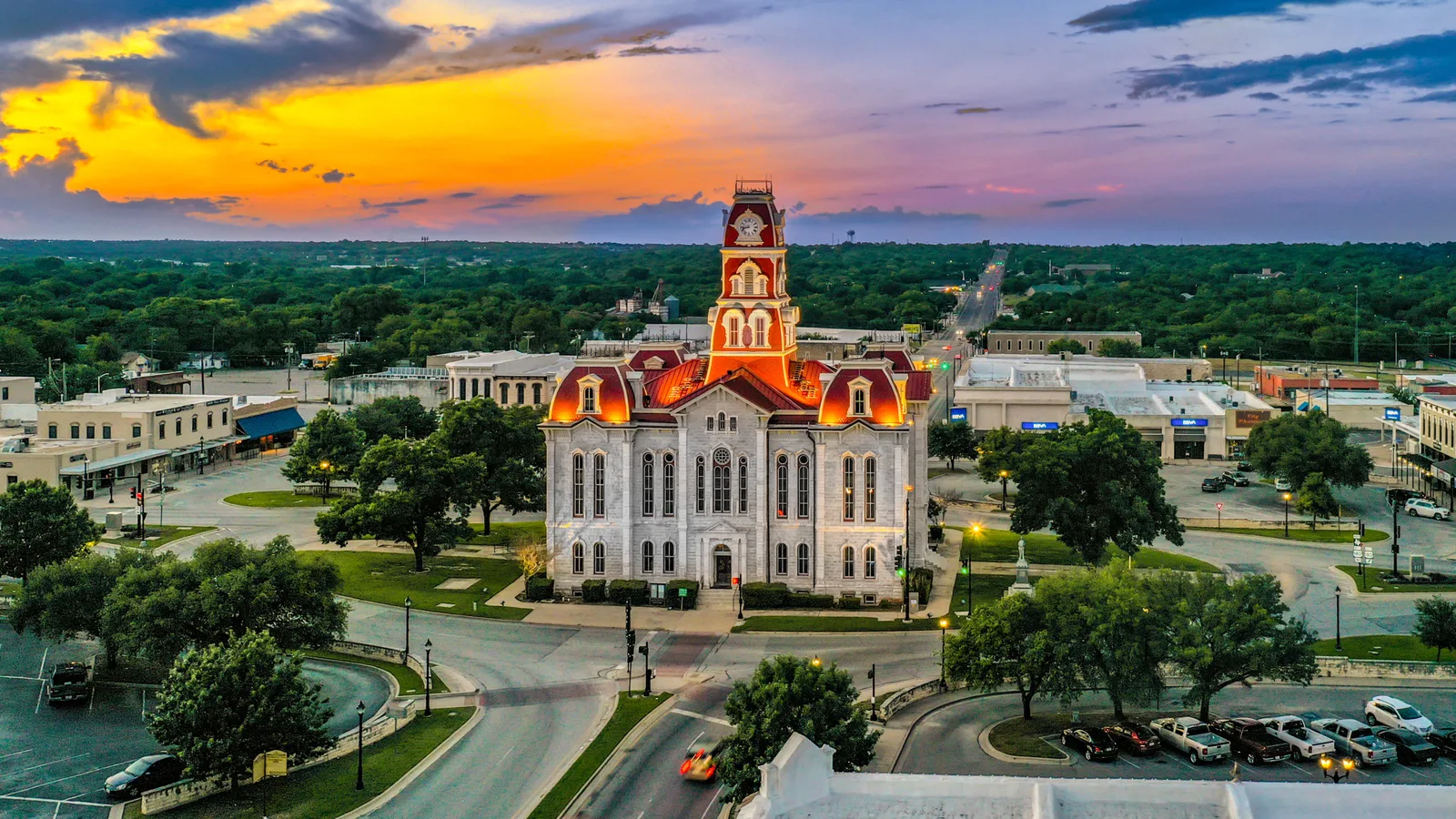
Water that sits for 48 hours stops being a cleanup job and becomes a rebuild. Saturated bottom plates wick moisture upward, drywall paper feeds mold colonies, and subfloor adhesives release - problems that surface months later as cupped flooring, musty return air, and insurance claims that get harder to document with every passing week.
Parker County property owners face a specific mix of threats: clay soil movement, well-water systems, septic laterals, and North Texas storm cycles that stack roof damage on top of interior water intrusion.
Full-service restoration across the county covers:
- Water Damage Restoration - supply line breaks, slab leaks, appliance failures, and storm-driven roof intrusion
- Flooded Basement - below-grade and daylight basement extraction, sump failure response, and structural drying
- Sewage Cleanup - Category 3 biohazard remediation for septic backups and municipal main failures
- Fire Damage Restoration - structural stabilization, debris removal, and content recovery
- Smoke Damage Restoration - soot removal, odor neutralization, and HVAC decontamination
- Mold Removal - containment, controlled demolition, HEPA filtration, and post-remediation verification
Key benefits of early intervention include lower reconstruction scope, preserved hardwoods and cabinetry, cleaner insurance documentation, and reduced indoor air quality risk for households with allergy or asthma sensitivities.
Common Damage Restoration Issues in Parker County, Texas
Local geology and building stock drive most of the calls. The clay-heavy soils surrounding Weatherford expand and contract with the wet-dry cycle, and that same movement stresses buried supply lines beneath slabs.
Leading Causes of Loss
- Slab leaks - 1970s through 1990s slab homes along the Aledo and Weatherford suburban corridors are reaching 30 to 50 years of supply line fatigue
- Well pump and pressure tank failures - rural systems carry elevated mineral and sediment content, and degraded standing water can push a loss into Category 2
- Septic lateral failures - aging rural lines near occupied structures create Category 3 sewage conditions that require full biohazard protocols
- Tributary backup - Brazos River drainage in lower-elevation Weatherford neighborhoods surcharges during sustained rainfall, pushing Category 2 floodwater into first-floor assemblies
- Hail and wind roof breaches - storm damage that lets water into attics, wall cavities, and ceiling assemblies
- Electrical, chimney, and outbuilding fires - common on acreage properties with older wiring and detached shops
Warning Signs Worth Acting On
- Unexplained increases in water usage on well or municipal service
- Warm spots on slab flooring or a water heater that runs constantly
- Musty odor near HVAC returns, closets, or under-stair spaces
- Slow drains across multiple fixtures at once - a classic septic lateral signal
- Yellow-brown ceiling staining after hail season
- Persistent smoke odor that returns when the AC cycles on
Neighborhoods We Serve in Parker County
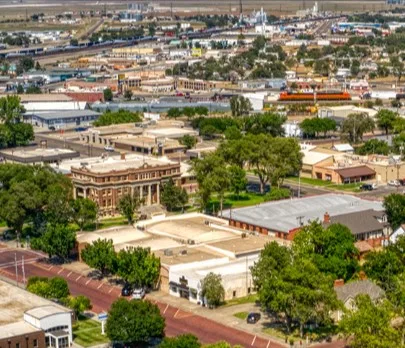
Crews cover the full county, from established in-town blocks to acreage tracts miles off pavement.
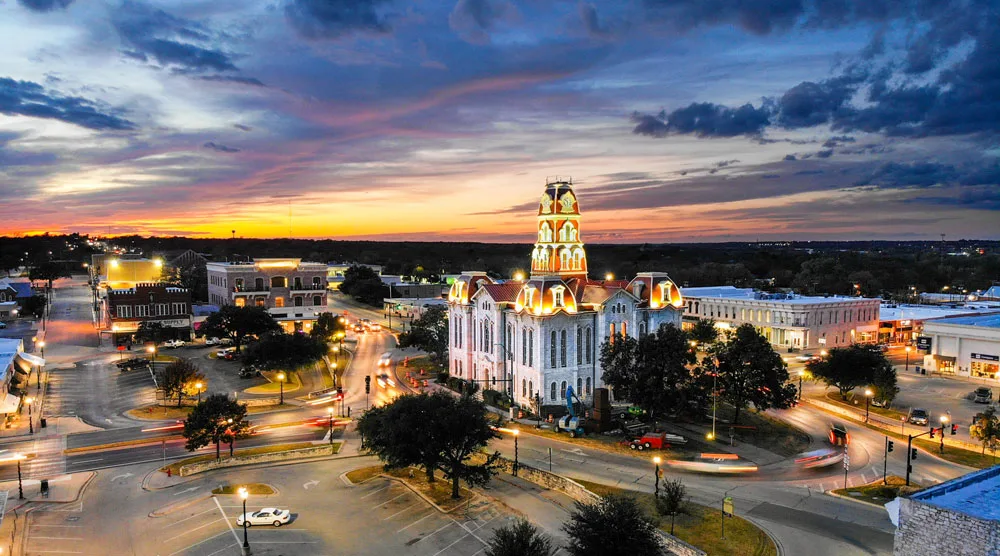
- Weatherford - historic downtown district, Hilltop, Willow Park corridor, and lower-elevation neighborhoods near tributary drainage
- Aledo - Deer Creek, Bear Creek, Morningstar, and surrounding master-planned subdivisions
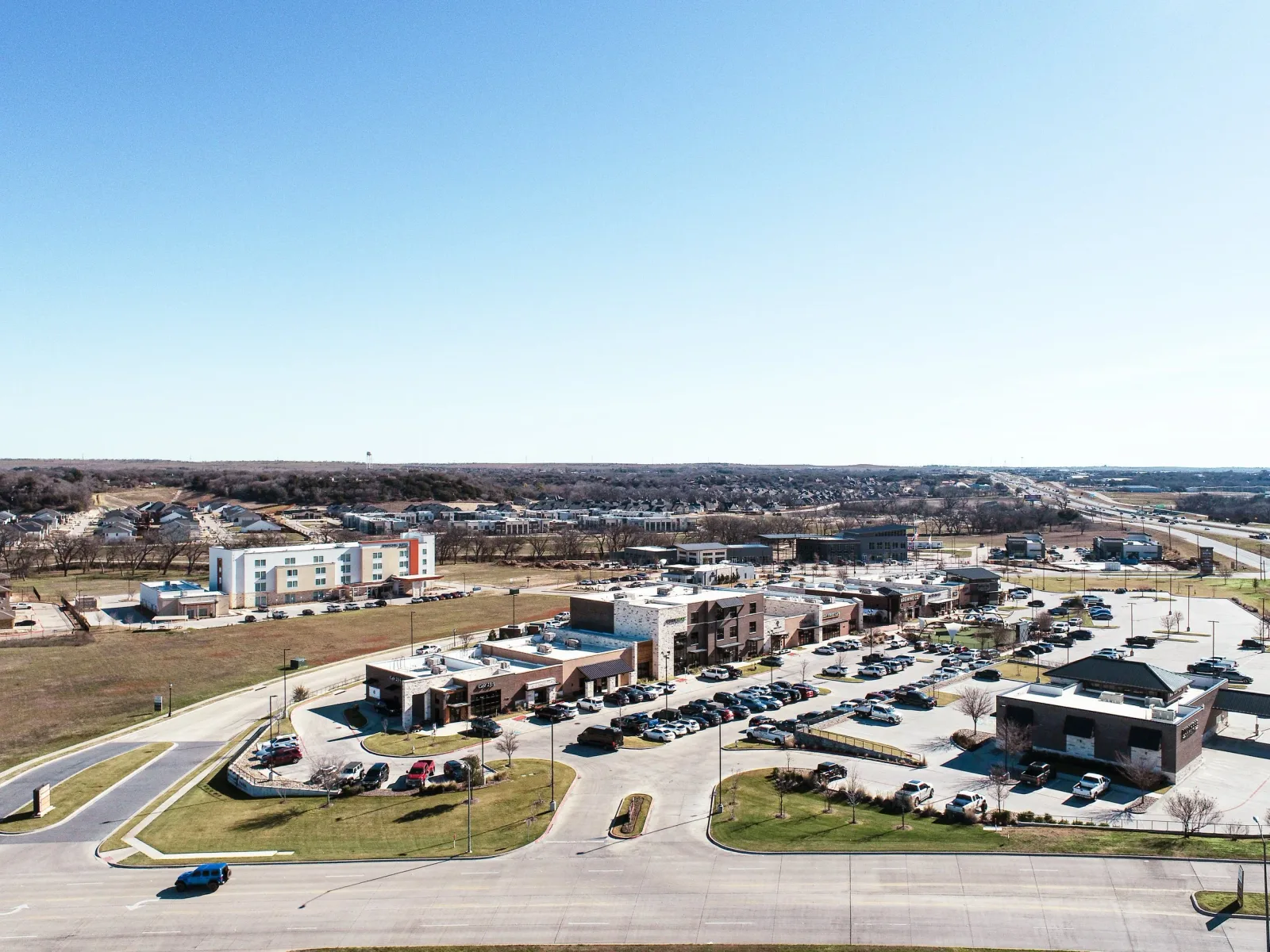
- Willow Park and Hudson Oaks - I-20 corridor residential and commercial properties
- Annetta, Annetta North, and Annetta South - low-density acreage with private wells and septic
- Springtown, Azle fringe, and Reno - northern county residential and rural properties
- Millsap, Brock, Peaster, and Poolville - western and northern rural communities
- Cool, Garner, Whitt, and Dennis - outlying areas served with the same response standards
Commercial coverage extends to retail centers, churches, medical offices, schools, and light industrial buildings throughout the county.
Seasonal Damage Patterns in Parker County
Winter (December - February)
- Hard freezes burst exposed hose bibs, well house plumbing, and attic supply lines
- Space heater, fireplace, and chimney fires spike during cold snaps
- Smoke damage from improperly drafted wood stoves in rural homes
Spring (March - May)
- Peak severe weather - hail and straight-line wind breach roofs, driving water into ceilings and walls
- Sustained rainfall surcharges Brazos tributaries and floods low-lying first floors and basements
- Septic laterals saturate and back up when drain fields cannot percolate
Summer (June - August)
- Clay soil shrinkage stresses slab plumbing, producing slow leaks that surface as warm floors
- Condensate line clogs flood hallways and closets from attic air handlers
- Mold accelerates in humid, closed-up homes with undersized dehumidification
Fall (September - November)
- Second severe storm season brings renewed roof and gutter failures
- Heating systems fired up for the first time release dust and trigger smoke incidents
- Ideal window for mold inspections before winter closes homes up again
Housing Characteristics & Restoration Considerations
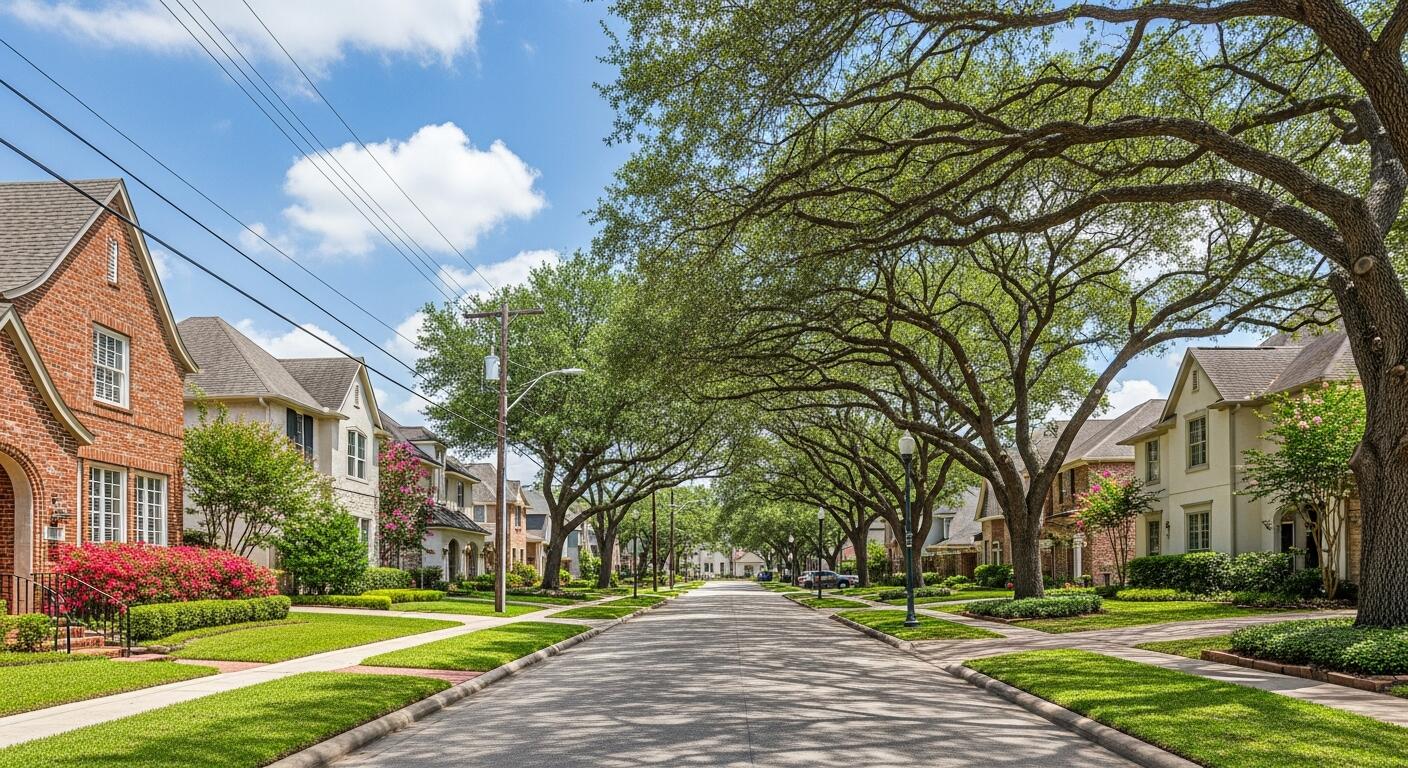
Parker County housing spans more than a century of construction methods, and each era responds differently to water, fire, and microbial growth.
Common Construction Types
- Pre-1940 Weatherford homes - pier-and-beam foundations, shiplap sheathing, plaster walls, and crawlspaces that trap moisture and hide long-running leaks
- 1970s - 1990s slab-on-grade tract homes - copper supply lines under concrete reaching end-of-life, with drying that requires targeted cavity and floor-assembly methods
- 2000s - present suburban builds - engineered lumber, spray foam or dense batt insulation, and tight envelopes that hold humidity once water enters
- Rural acreage homes and manufactured housing - well systems, septic tanks, detached shops, and long service runs that complicate source location
- Daylight and walk-out basements - less common than in northern states but present in hill-terrain lots, and highly vulnerable to hydrostatic pressure during heavy rain
How Age Shapes the Response
- Pre-1980 structures get asbestos and lead considerations before demolition begins
- Plaster and shiplap hold moisture far longer than modern drywall, extending drying schedules
- Slab homes often require flooring removal and cavity injection rather than surface drying alone
- Tight modern envelopes need aggressive dehumidification to prevent secondary mold growth
- Balloon-framed older homes let smoke and soot travel between floors through open wall cavities
Environmental Conditions & Damage Implications
North Texas climate and Parker County geology shape how losses develop and how drying is engineered.
Climate and Humidity
- Hot, humid summers push indoor dew points high enough to sustain mold on damp gypsum within days
- Sharp temperature swings between seasons cause condensation in attics and crawlspaces
- Extended rainfall periods keep soil saturated, prolonging basement and crawlspace intrusion
Soil and Water
- Expansive clay - shifts with moisture cycles, cracking slabs and shearing plumbing connections
- Poor percolation - clay limits drainage, sending stormwater against foundations rather than away from them
- Well water - elevated mineral and sediment content stains materials and complicates cleaning; degraded standing water is classified as Category 2
- Septic systems - lateral failures introduce Category 3 contamination requiring containment, antimicrobial treatment, and removal of porous materials
Air Quality Factors
- Regional dust and pollen loads accumulate in HVAC systems, giving soot and mold spores more surface area to bind to
- Agricultural burning and wildfire smoke drift can compound existing smoke odor complaints
- Tight modern homes recirculate contaminants until source removal and HEPA filtration are complete
Every water loss gets a documented source classification, because that single determination drives extraction protocol, drying plan, material disposal, and the strength of the insurance file.
Storm Damage and the Roof-to-Interior Restoration Connection in Parker County
Most Parker County water losses that begin outside start on the roof. Hail and wind open the envelope, and the interior damage shows up on a delay - sometimes weeks after the storm that caused it.
How a Storm Loss Progresses
- Hail bruises or fractures shingles, and wind lifts edges or removes sections entirely
- Rain enters through the compromised decking and saturates attic insulation
- Moisture migrates down wall cavities and stains ceilings, often far from the entry point
- Trapped insulation moisture feeds mold growth in an unventilated attic within days
- Gutters and downslope siding fail, redirecting runoff against the foundation and into crawlspaces or basements
Why Coordinated Repair Matters
- Interior drying accomplishes little while the roof is still open - the envelope has to be secured first
- Tarping and emergency board-up limit ongoing intrusion while the full scope is documented
- Roofing, siding, and gutter restoration handled alongside interior work removes the gap between trades where damage keeps spreading
- A single documented file covering exterior and interior scope simplifies the claim rather than splitting it across contractors
What to Do After a Parker County Storm
- Photograph exterior and interior conditions before anything is moved or cleaned
- Check attics with a flashlight for daylight, damp insulation, and staining on rafters
- Look for granule accumulation at downspout outlets - a strong indicator of hail impact
- Note ceiling discoloration and soft drywall along exterior walls
- Call for assessment before secondary mold growth expands the scope
Emergency response is available around the clock for residential and commercial properties across Weatherford, Aledo, Springtown, and the surrounding county - water removal, flood repair, fire and smoke cleanup, sewage remediation, and mold removal handled from first extraction through final reconstruction.