
Damage Restoration in Willow Park, TX
- Damage Restoration Services Overview
- Common Damage Restoration Issues in Willow Park, Texas
- Neighborhoods We Serve in Willow Park
- Seasonal Damage Patterns in Willow Park
- Housing Characteristics & Restoration Considerations
- Environmental Conditions & Damage Implications
- Insurance Claims and the First 24 Hours After Damage in Willow Park
Damage Restoration Services Overview
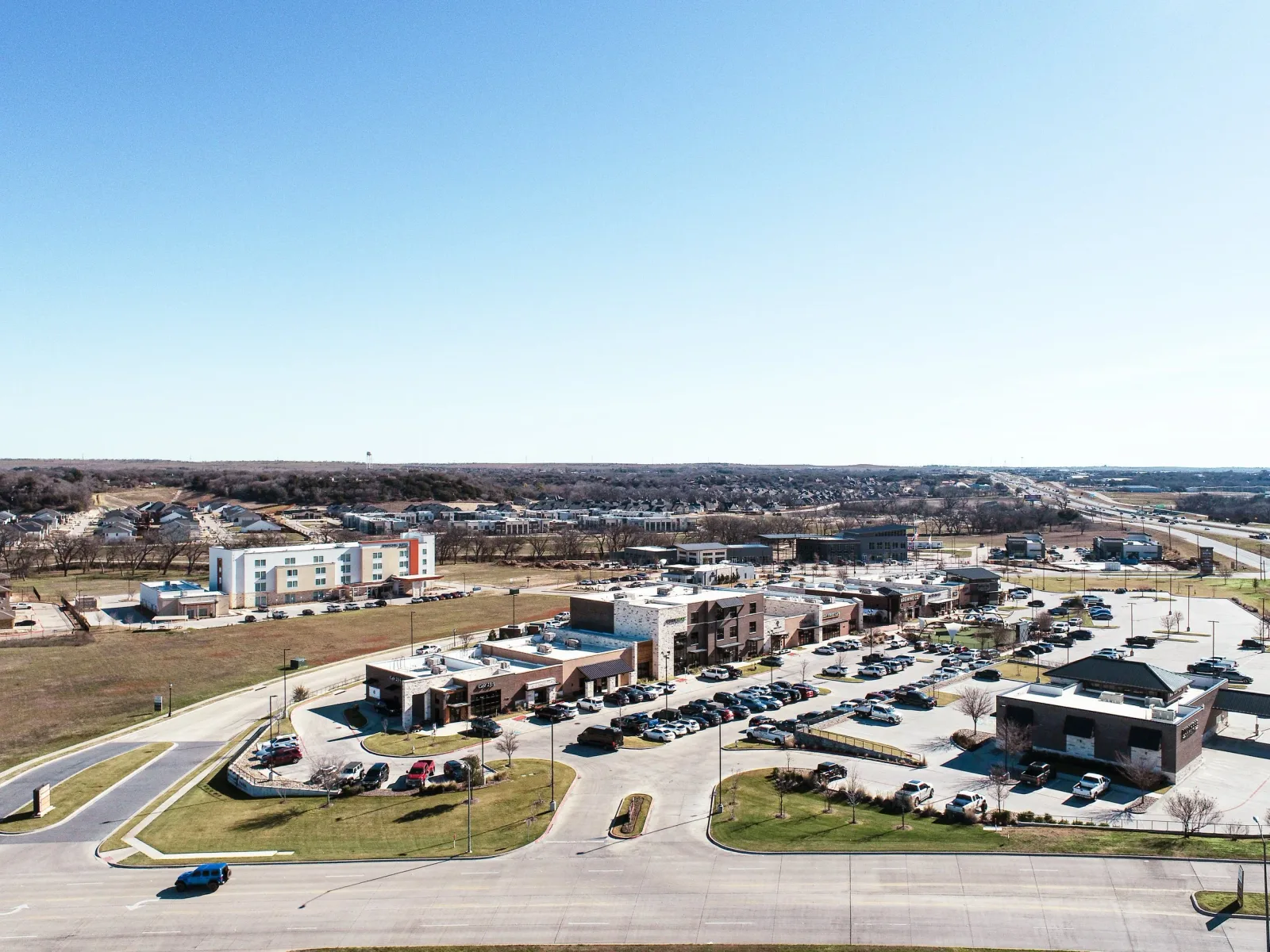
Willow Park sits on Parker County clay along the I-20 corridor, where expansive soil, hail-heavy spring storms, and a mix of 1990s slab construction and newer builds create damage patterns that repeat year after year. Knowing those patterns lets a certified crew stage the right equipment before the truck ever rolls.
S.W.A.T. Restoration works both the 76087 and 76008 zones with IICRC S500 water mitigation, fire and smoke remediation, mold services, and full reconstruction - all under one roof.
- Water Damage Restoration - supply line failures, slab leaks, roof penetrations, and appliance overflows extracted and dried to documented moisture standards.
- Flooded Basement - the rare below-grade spaces, storm shelters, and sunken utility rooms in the area pumped, sanitized, and dehumidified.
- Sewage Cleanup - Category 3 black water response for septic backups and main line failures, with full biohazard protocols.
- Fire Damage Restoration - emergency board-up, structural stabilization, debris removal, and rebuild.
- Smoke Damage Restoration - soot removal, thermal fogging, HVAC cleaning, and odor neutralization.
- Mold Removal - containment, HEPA filtration, affected material removal, and clearance-ready results.
Family owned, insurance claim experienced, and staffed 24/7 - with crews based minutes away in Aledo.
Common Damage Restoration Issues in Willow Park, Texas
The same handful of scenarios account for most emergency calls in Willow Park. Geography and housing stock explain nearly all of them.
What Causes Damage Here
- Clay soil movement - Parker County's expansive clay swells and shrinks with the wet-dry cycle, stressing slab foundations and the plumbing running through them.
- Hail corridor storms - the I-20 stretch takes repeated hail hits that puncture composition shingles and let water into attics and wall cavities.
- Hard freeze events - uninsulated hose bibs, attic supply lines, and garage plumbing burst during North Texas cold snaps.
- Septic and rural sewer systems - properties on acreage outside city sewer see backups when saturated ground overwhelms drain fields.
- Grill, fireplace, and electrical fires - outdoor kitchens, wood-burning fireplaces, and aging panel boxes in older builds.
Warning Signs Worth Acting On
- Hairline cracks in drywall corners that reopen after heavy rain or long dry spells
- Warm spots on slab flooring or an unexplained jump in the water bill - classic slab leak indicators
- Musty odor in closets sharing a wall with a bathroom or laundry
- Ceiling stains that darken at the edges after a hail event
- Slow drains across multiple fixtures, often the first hint of a main line or septic problem
- Persistent smoke odor that returns when the HVAC cycles, meaning soot reached the ductwork
Small signs escalate fast in humid North Texas air - mold colonization can begin within roughly 24 to 48 hours of moisture intrusion.
Neighborhoods We Serve in Willow Park
Coverage spans both Willow Park ZIP zones and the surrounding Parker County communities.
- Willow Park core (76087) - established subdivisions off Ranch House Road and Crown Road
- 76008 zone - newer construction bordering Aledo and the Trinity Meadows area
- Squaw Creek Estates and surrounding golf-course neighborhoods
- Deer Creek and Willow Springs - 1990s slab homes with mature tree canopy
- Acreage properties north and south of I-20 on septic and well systems
- Neighboring service areas - Aledo, Hudson Oaks, Annetta, Weatherford, Brock, and greater Parker County
Because dispatch runs out of Aledo, most Willow Park addresses see a crew on site quickly - typically within an hour of the call, with emergency stabilization starting immediately.
Seasonal Damage Patterns in Willow Park
Winter (December - February)
- Frozen and burst pipes in attics, garages, and exterior walls
- Fireplace and space heater fires, plus chimney flue smoke damage
- Water damage discovered after thaw, often days after the freeze
Spring (March - May)
- Peak hail and wind season along I-20 - roof breaches and attic saturation
- Flash flooding into low-lying garages, storm shelters, and below-grade rooms
- Septic and sewer backups when drain fields saturate
Summer (June - August)
- HVAC condensate line clogs soaking ceilings and closet floors
- Mold growth accelerating behind vinyl wallpaper and under vinyl plank flooring
- Grill, outdoor kitchen, and grass fires during drought conditions
Fall (September - November)
- Slab leaks as clay soil contracts after summer drought, then rehydrates
- Gutter and downspout overflow pushing water against foundations
- First-use furnace and fireplace incidents producing smoke and soot
Housing Characteristics & Restoration Considerations
Willow Park's housing stock falls into two broad groups, and each responds differently to water, fire, and mold.
1990s and Early 2000s Slab Homes
- Post-tension or conventional slabs with plumbing routed underneath - slab leaks require careful leak isolation before drying begins
- Original galvanized or early-generation supply lines nearing end of service life
- Brick veneer over wood framing, which traps moisture in the cavity when the roof or flashing fails
- Popcorn and textured ceilings that may require testing before demolition
- Carpeted bedrooms over pad and slab - pad is typically removed, carpet often salvageable if addressed quickly
Newer Construction (2010s Forward)
- Tighter building envelopes hold moisture longer, making dehumidification more demanding
- Engineered wood flooring that cups rapidly and needs aggressive mat drying
- Spray foam attic insulation that conceals roof leaks until damage reaches the ceiling
- Multi-zone HVAC systems that spread smoke and soot through the whole house in minutes
Shared Considerations
- Below-grade spaces are uncommon but present in storm shelters, wine rooms, and walkout designs - these hold water and need pump extraction plus extended dehumidification
- Attached garages are frequent fire origin points and share walls with living space
- Acreage homes on septic need Category 3 protocols for any backup event
Every job starts with a detailed inspection and moisture mapping so the drying plan matches the actual construction - not a generic template.
Environmental Conditions & Damage Implications
Soil
- Parker County's expansive clay shifts dramatically between wet and dry cycles
- Movement cracks slabs, shears supply lines, and separates drain connections
- Poor drainage around foundations pushes water toward the structure rather than away
Climate and Humidity
- Hot, humid summers keep indoor dew points high, slowing natural drying
- Mold spores are always present in North Texas air - moisture is the only missing ingredient
- Rapid temperature swings drive condensation inside wall cavities and duct chases
Storms and Air Quality
- The I-20 hail corridor delivers repeated impact events that compromise roofing systems
- Straight-line winds lift shingles and drive rain under flashing
- Regional smoke from grass and brush fires can infiltrate homes during drought stretches
- Post-fire soot combines with humidity to become acidic, etching glass, metal, and finishes if left untreated
Water Conditions
- Hard water is common, contributing to water heater and supply line corrosion
- Well and septic properties require additional contamination screening after any backup
These conditions shape equipment selection - desiccant versus refrigerant dehumidifiers, negative air containment sizing, and antimicrobial application - long before drying begins.
Insurance Claims and the First 24 Hours After Damage in Willow Park
What happens in the first day determines both restoration cost and claim outcome. Documentation matters as much as extraction.
Immediate Steps for Homeowners
- Stop the source if it's safe - main water shutoff, gas valve, or breaker panel.
- Leave the property immediately for any fire, sewage, or structural concern.
- Photograph and video everything before moving or discarding a single item.
- Call a restoration crew before the insurance adjuster - emergency mitigation is expected and protects the claim.
- Report the loss to your carrier and record the claim number.
- Keep receipts for temporary lodging, fans, tarps, or anything purchased in response.
What Certified Response Looks Like
- Emergency stabilization - board-up, roof tarping, water shutoff, and safety assessment
- Moisture mapping with meters and thermal imaging, room by room
- Category and class determination under IICRC S500 standards, which dictates whether materials are dried or removed
- Containment and negative air for mold or sewage work
- Daily moisture readings logged and shared - the record adjusters rely on
- Direct communication with the carrier using industry-standard estimating software
Why Local Matters
A crew staged in Aledo reaches most Willow Park addresses in minutes, not hours. That gap decides whether hardwood is dried in place or torn out, and whether a wet wall cavity becomes a mold remediation project.
Restoration and reconstruction handled by the same team also removes the handoff that stalls most claims - demolition, drying, rebuild, and final finishes stay under one point of contact from the first call to the last walkthrough.





