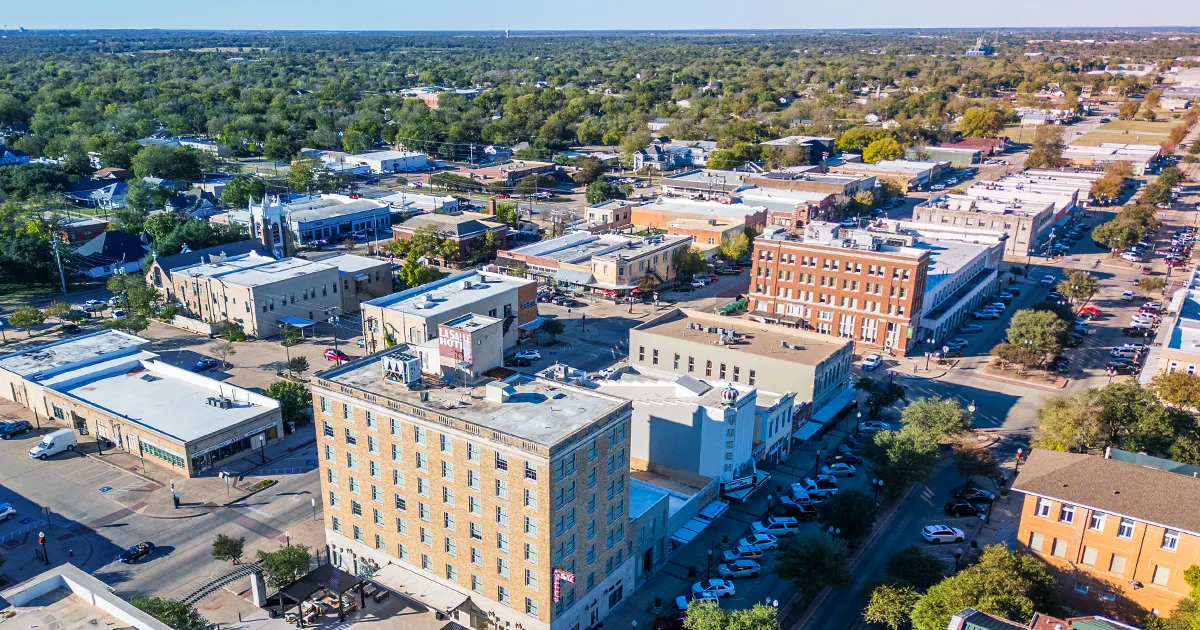
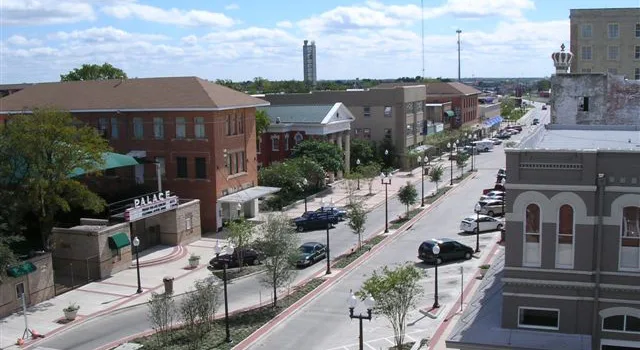
Damage Restoration in Brazos County, TX
- Damage Restoration Services Overview
- Common Damage Restoration Issues in Brazos County, Texas
- Neighborhoods We Serve in Brazos County
- Seasonal Damage Patterns in Brazos County
- Housing Characteristics & Restoration Considerations
- Environmental Conditions & Damage Implications
- Storm Season Readiness for Brazos Valley Property Owners
Damage Restoration Services Overview
You come home to your Bryan or College Station house after a long day, step into the hallway, and hear a squish underfoot. A supply line behind the washing machine has been weeping for hours, and the carpet pad, baseboards, and subfloor have already absorbed the water. In Brazos County's humid climate, that moisture becomes a mold problem within days if it isn't dried correctly.
Restoration work covers a spectrum of emergencies that local property owners face year-round:
- Water Damage Restoration - extraction, structural drying, moisture mapping, and controlled dehumidification after leaks, roof failures, or appliance breaks
- Flooded Basement - pump-out and drying for below-grade rooms, storm shelters, crawl spaces, and sunken slab areas
- Sewage Cleanup - safe removal of contaminated water, disposal of porous materials, and antimicrobial treatment after backups
- Fire Damage Restoration - debris removal, structural stabilization, board-up, and rebuild of charred framing and finishes
- Smoke Damage Restoration - soot removal from surfaces and HVAC systems, plus odor neutralization that reaches into porous materials
- Mold Removal - containment, air filtration, affected material removal, and correction of the moisture source
The benefit of acting fast is straightforward: less demolition, fewer replaced materials, shorter disruption to your household or business, and a cleaner insurance claim supported by documented moisture readings and photographs.
Common Damage Restoration Issues in Brazos County, Texas
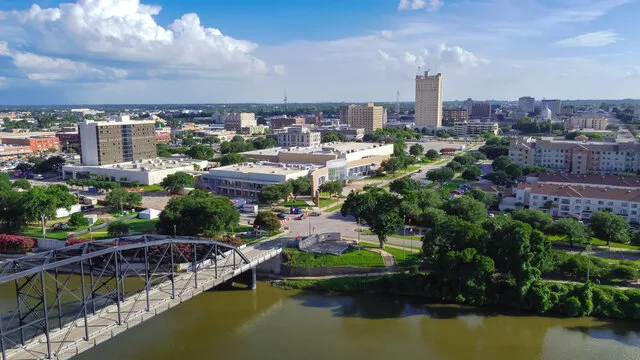
Brazos County sits between the Brazos and Navasota rivers on heavy clay soils, and that geography drives most of the damage calls in the area. Flat terrain, expansive soil, and intense rainfall events combine to push water where it doesn't belong.
Local Causes of Damage
- Flash flooding from stalled thunderstorms and Gulf moisture overwhelming yard drainage and street inlets
- Clay soil movement that shifts slab foundations, cracking supply lines and drain pipes beneath the floor
- Aging infrastructure - the same freeze-thaw and water intrusion that cracks Brazos County's 484-plus miles of county roads also stresses buried utilities and driveway-adjacent drainage
- Winter pipe bursts in uninsulated attics, garage walls, and exterior hose bibs during hard freezes
- Grease and root intrusion in older Bryan sewer laterals, causing backups into tubs and floor drains
- Kitchen fires, electrical faults, and grill mishaps, plus wildfire smoke drifting in from dry Central Texas pastureland
Warning Signs Worth Investigating
- Musty odor that intensifies when the air conditioning cycles on
- Buckling laminate, cupping wood planks, or soft spots along baseboards
- Discolored rings on ceilings under upstairs bathrooms
- Water bill jumps with no change in household usage
- Gurgling toilets or slow drains in multiple fixtures at once
- Sticky yellow-brown film on windows or return-air grilles after a fire
- Persistent allergy symptoms that improve when you leave the house
Catching any of these early usually means drying and cleaning rather than tearing out and rebuilding.
Neighborhoods We Serve in Brazos County
Crews respond throughout the county's cities, subdivisions, and rural stretches, including:
- College Station - Southwood Valley, Wolf Pen Creek, Castlegate, Pebble Creek, Northgate, Edelweiss Gartens, and the neighborhoods surrounding the Texas A&M campus
- Bryan - Downtown and the Historic District, Austin's Colony, Miramont, Traditions, Copperfield, and Villa Maria corridor properties
- Navasota River and Brazos bottomland communities - Wixon Valley, Steep Hollow, and Kurten
- Millican and the county's southern rural acreage, including properties near Lake Bryan and the Brazos River floodplain
- Surrounding areas - Wellborn, Peach Creek, and nearby Grimes, Burleson, and Robertson County properties
Student rentals, duplexes, and multi-unit properties near campus need different scheduling and containment than a family home on a large lot - both get planned accordingly.
Seasonal Damage Patterns in Brazos County
Damage in the Brazos Valley follows a fairly predictable rhythm, which helps property owners know what to watch for.
- January - February: Hard freezes burst attic and exterior-wall piping, producing sudden water damage and flooded lower levels. Space heaters and fireplaces raise fire and smoke damage calls.
- March - May: Severe spring storms bring hail, wind-driven rain, and roof leaks. Saturated clay soils push groundwater toward foundations and below-grade rooms.
- June - August: Heat and humidity create ideal mold conditions. Undersized or failing air conditioning systems produce condensation leaks, overflowing drain pans, and hidden growth inside wall cavities.
- September - October: Tropical systems and remnants of Gulf hurricanes deliver heavy rainfall. Municipal sewer systems surcharge, causing backups into homes at the lowest fixture.
- November - December: Cooking fires peak around the holidays, and the first cold snap reveals neglected chimneys and heating equipment, leaving soot and lingering odor throughout ductwork.
Dry late-summer stretches also raise grass-fire risk on the county's rural edges, where smoke infiltration can affect homes never touched by flame.
Housing Characteristics & Restoration Considerations
Brazos County housing spans more than a century of construction styles, and each type responds differently to water, fire, and microbial growth.
Common Construction Types
- Pre-1950 homes in historic Bryan - pier-and-beam foundations, shiplap sheathing, plaster walls, and original wood floors that need slow, controlled drying rather than aggressive heat
- 1960s - 1980s ranch homes - slab-on-grade with cast iron or galvanized plumbing prone to under-slab leaks and sewage backups
- 1990s - 2010s suburban builds - engineered wood, drywall, and carpeted spaces where water wicks upward quickly and mold appears behind baseboards
- Newer master-planned subdivisions - tight building envelopes and spray-foam attics that trap moisture and hold smoke odor longer
- Student housing, duplexes, and apartments - shared walls and stacked plumbing that let a single leak affect several units
How Construction Shapes the Work
- Pier-and-beam crawl spaces require separate drying and vapor control beneath the floor system
- Slab foundations may need injection drying under flooring or targeted removal to reach saturated cavities
- Plaster and original millwork are typically stabilized and dried in place to preserve historic character
- Attic insulation absorbs both moisture and soot, and often has to be removed and replaced
- Multi-story properties need containment so demolition dust and odor don't migrate to unaffected units
Documenting materials and moisture levels at the start gives adjusters what they need and keeps the rebuild scope accurate.
Environmental Conditions & Damage Implications
The Brazos Valley's humid subtropical climate is the single biggest factor in how quickly damage spreads once water enters a structure.
Conditions That Shape Restoration
- High ambient humidity for much of the year means outside air alone will not dry a building - dehumidification equipment does the work
- Warm temperatures accelerate microbial growth, shrinking the window between a wet material and a mold problem
- Expansive Houston Black and Wilson clay soils swell and shrink dramatically, cracking slabs, drain lines, and foundation perimeters
- Poor natural drainage on flat terrain leaves standing water against foundations after heavy rain
- Seasonal pollen, agricultural dust, and grass-fire smoke load HVAC filters and worsen indoor air quality after any damage event
- Hard, mineral-rich water that scales fixtures and stresses supply lines and water heaters over time
What That Means for Your Property
- Drying plans include humidity monitoring, not just water extraction
- Air scrubbers with HEPA filtration run during mold and smoke work to protect occupants
- Sewage and floodwater are treated as contaminated because of agricultural runoff and river-adjacent groundwater
- Exterior grading and gutter discharge are reviewed so the same intrusion doesn't repeat next storm
- Post-restoration verification confirms materials reached dry standard before rebuilding begins
Storm Season Readiness for Brazos Valley Property Owners
When a tropical system stalls over the Brazos Valley or a spring supercell drops several inches in an hour, restoration companies across Bryan-College Station take calls faster than they can dispatch. Property owners who prepare ahead of time recover sooner and lose fewer belongings.
Before the Storm
- Photograph each room, including inside closets and cabinets, and store the images in cloud backup
- Locate and label your main water shutoff, gas valve, and electrical panel
- Clear gutters, downspouts, and yard drains so runoff moves away from the foundation
- Elevate stored items in garages, crawl spaces, and below-grade rooms onto shelving
- Test sump pumps and backwater valves, and keep a battery backup available
- Review your policy for flood and sewer backup coverage - standard homeowners policies frequently exclude both
After Water Enters
- Shut off electricity to affected areas before stepping into standing water
- Stop the source if it's a supply line, appliance, or roof opening you can safely reach
- Photograph everything before moving items or removing wet materials
- Call for professional extraction - warm, humid Brazos County air will not dry a structure on its own
- Keep contaminated water away from occupants and pets until it's been assessed
- Save receipts for lodging, equipment, and emergency purchases for your claim file
Custom Solutions for Different Properties
- Historic Bryan homes: gentle drying and salvage-first methods that protect original materials
- Campus-area rentals: coordinated scheduling around tenant leases and semester turnover
- Rural acreage: generator-supported drying where power restoration lags
- Commercial buildings: phased work that keeps part of the operation running during restoration
The goal in every case is the same - stabilize quickly, dry thoroughly, and rebuild so the property is stronger against the next Brazos Valley storm.