
Damage Restoration in Bryan, TX
- Damage Restoration Services Overview
- Common Damage Restoration Issues in Bryan, Texas
- Neighborhoods We Serve in Bryan
- Seasonal Damage Patterns in Bryan
- Housing Characteristics & Restoration Considerations
- Environmental Conditions & Damage Implications
- Insurance Claims and the First 24 Hours After Damage in Bryan
Damage Restoration Services Overview
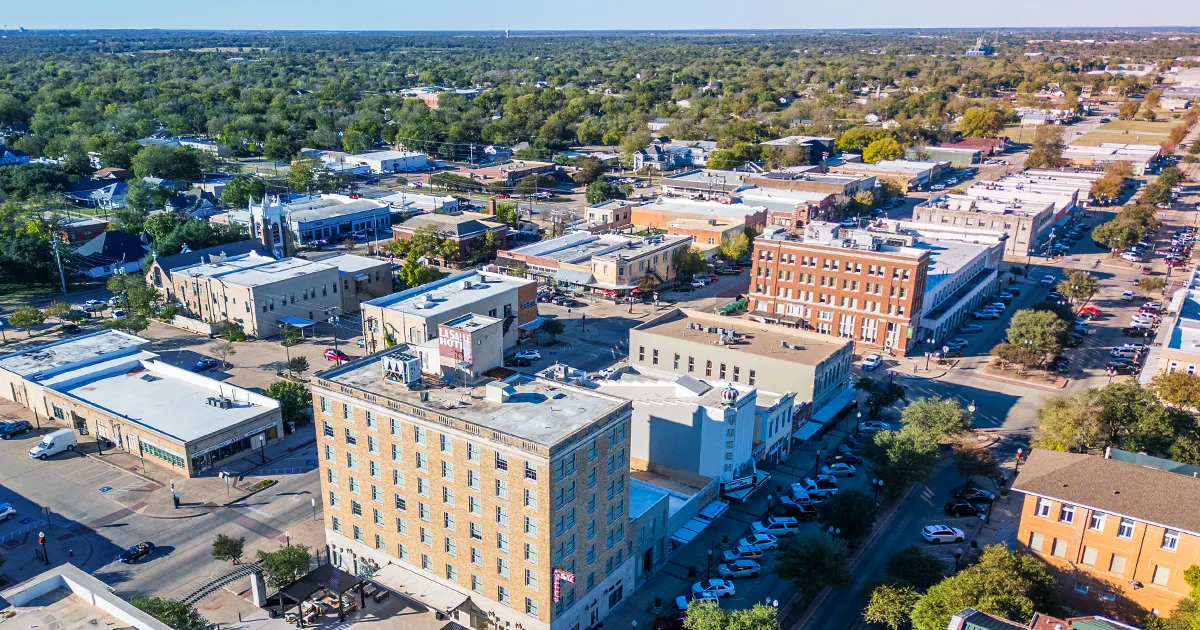
Few things rattle a homeowner like walking into standing water, smelling smoke in the drywall, or spotting black speckles spreading across a baseboard. Property damage in Bryan rarely announces itself in advance - it shows up after a Brazos Valley thunderstorm, a failed water heater, or a kitchen fire that got away in seconds.
Restoration work is about stopping the damage from spreading, then rebuilding what was lost. Fast action protects framing, flooring, HVAC systems, and the belongings that matter most.
Services Available Across Bryan and Brazos County
- Water Damage Restoration - extraction, structural drying, moisture mapping, and dehumidification after leaks, pipe breaks, and storm intrusion
- Flooded Basement Cleanup - pump-out and drying for basements, crawl spaces, storm shelters, and below-grade storage areas
- Sewage Cleanup - removal of Category 3 contaminated water, disinfection, and safe disposal of porous materials
- Fire Damage Restoration - debris removal, soot cleaning, structural stabilization, and reconstruction
- Smoke Damage Restoration - odor neutralization, HVAC cleaning, and treatment of surfaces the flames never touched
- Mold Removal - containment, air filtration, affected material removal, and moisture source correction
Why Bryan Property Owners Benefit
- 24/7 emergency response for sudden losses
- Direct coordination and billing with insurance carriers
- Pack-out and secure off-site storage for contents
- Reconstruction and repair once drying is complete
- Furniture, upholstery, and carpet cleaning to salvage what can be saved
Common Damage Restoration Issues in Bryan, Texas
Bryan sits in a humid subtropical pocket of Central Texas where heavy rainfall, clay soil, and warm air combine to create ideal conditions for water intrusion and microbial growth. Damage here often starts small and compounds quietly.
Frequent Causes of Loss
- Gulf-driven downpours overwhelming gutters, yard drains, and slab perimeters
- Aging cast iron and clay sewer laterals in older Bryan neighborhoods backing up during heavy rain
- Slab leaks under older pier-and-beam and mid-century concrete-slab homes
- Water heater, washing machine, and supply-line failures
- Frozen and burst pipes during rare hard freezes, when uninsulated attic plumbing is exposed
- Kitchen grease fires, electrical faults, and space heater incidents during winter months
- Lightning strikes and detached-garage fires following spring storms
Warning Signs Worth Acting On
- Musty odors in closets, hallways, or near HVAC returns
- Cupping, staining, or soft spots in wood and laminate flooring
- Discolored ceiling rings or bubbling paint after a storm
- Gurgling drains or slow toilets that hint at a sewer line problem
- Unexplained spikes in the water bill with no visible leak
- Lingering smoke odor that returns whenever the AC runs
- Persistent allergy symptoms that improve when you leave the house
Because Bryan humidity often stays above 70 percent, materials that seem dry on the surface can hold enough moisture to support mold within a couple of days. Surface drying alone is not enough.
Neighborhoods We Serve in Bryan
Emergency crews cover the full city footprint plus the surrounding Brazos Valley communities.
- Historic Downtown Bryan and Eastside - century-old commercial buildings and bungalows with original plumbing
- Copperfield and Austin's Colony - established subdivisions east of Highway 6
- Miramont and Traditions - newer master-planned communities on the north side
- Briarcrest and Bryan's north corridor - mixed residential and commercial properties
- Edge of Bryan near Villa Maria and Finfeather - older housing stock and rental properties
- Mumford, Wixon Valley, Kurten, Steep Hollow, and Wellborn - rural acreage with septic systems and well water
- College Station, Navasota, Caldwell, Hearne, and Madisonville - surrounding Brazos Valley service area
Response times vary with weather and call volume, but local dispatch out of Brazos County keeps crews close to Bryan properties.
Seasonal Damage Patterns in Bryan
Each part of the year brings its own risks in the Brazos Valley.
Spring (March - May)
- Peak severe storm season with hail, wind-driven rain, and roof leaks
- Flash flooding along low-lying streets and creek drainages
- Lightning-related structure fires
Summer (June - August)
- High humidity plus heavy AC use drives condensation and drain pan overflows
- Mold growth accelerates in attics, crawl spaces, and closets
- Tropical systems and remnant hurricanes push inland rainfall totals up
Fall (September - November)
- Late-season tropical moisture and sustained rain events
- Sewer backups when saturated soils infiltrate old lateral lines
- First fireplace and heater use of the year sparks smoke and soot issues
Winter (December - February)
- Hard freezes bursting attic, garage, and exterior pipes
- Cooking and holiday-related kitchen fires
- Space heater and electrical fires during cold snaps
- Post-freeze water damage often surfaces days later as pipes thaw
Housing Characteristics & Restoration Considerations
Bryan's housing stock spans more than a century, and construction type shapes how damage spreads and how restoration is approached.
Common Construction Styles
- Pre-1950 pier-and-beam homes near downtown - shiplap walls, original hardwoods, crawl spaces prone to standing water and subfloor mold
- 1950s - 1980s slab-on-grade ranch homes - vulnerable to slab leaks, wicking moisture into bottom plates and drywall
- 1990s - 2010s brick-veneer subdivisions - larger footprints, second-floor laundry rooms, and complex HVAC runs that carry smoke odor throughout
- Recent construction in north Bryan - tighter building envelopes that trap humidity when drying is incomplete
- Rural properties - septic systems, well water, and detached structures with separate loss considerations
How Age Affects Restoration
- Older homes may contain asbestos-era flooring or lead paint, requiring careful handling during demolition
- Original plaster and shiplap hold moisture longer than modern drywall and need extended drying
- Cast iron and clay drain lines in mature neighborhoods increase sewage backup risk
- Knob-and-tube or aluminum wiring in older properties raises fire risk and can complicate rebuild
- Below-grade spaces, though less common in Bryan than in northern states, still exist as basements, cellars, and storm shelters that require dedicated pumping and drying
Documentation matters for insurance. Moisture readings, photos, and material inventories support a smoother claim from first call to final repair.
Environmental Conditions & Damage Implications
Bryan's climate and geology work against drying property and in favor of mold.
Climate Factors
- Roughly 40 inches of annual rainfall, concentrated in spring and fall bursts
- Long, humid summers with dew points frequently in the 70s
- Mild winters punctuated by occasional damaging freeze events
- Warm ambient temperatures that speed microbial growth on damp materials
Soil and Drainage
- Expansive Blackland and Vertisol clay soils that swell and shrink with moisture cycles
- Soil movement stresses slabs and underground plumbing, causing hidden leaks
- Poor percolation means water pools against foundations rather than draining away
- Proximity to the Brazos and Navasota rivers raises flood exposure in outlying areas
Air and Water Quality Implications
- High regional pollen and mold spore counts mean any damp material can colonize quickly
- Smoke residues bind to surfaces and recirculate through ductwork long after a fire
- Sewage-contaminated water carries bacteria and requires antimicrobial treatment plus removal of porous materials
- Well-water properties in rural Brazos County may need additional sanitation checks after flooding
These conditions are why professional dehumidification, containment, and air scrubbing outperform fans and open windows. Bryan's outdoor air is often more humid than the damaged interior.
Insurance Claims and the First 24 Hours After Damage in Bryan
What happens in the first day sets the tone for the entire claim. Quick, documented action limits loss and keeps the insurance process moving.
Immediate Steps for Property Owners
- Make sure everyone is out and safe - never enter a fire-damaged structure or standing water near electrical panels
- Shut off the water at the main valve if a supply line or heater has failed
- Call for emergency restoration dispatch so extraction and drying begin before materials saturate
- Photograph and video everything before moving items, including serial numbers on appliances
- Notify your insurance carrier and open a claim number
- Avoid running the HVAC after a fire or sewage event - it spreads soot and contaminants
- Keep receipts for temporary lodging, supplies, and emergency measures
How Direct Insurance Billing Simplifies Recovery
- Documentation is submitted in the format adjusters expect, with moisture logs and daily drying readings
- Scope of work is coordinated with the carrier so approvals are not delayed
- Billing is handled between the restoration company and the insurer where coverage applies
- Contents pack-out lists give adjusters a clear inventory of salvageable and non-salvageable items
What a Typical Restoration Sequence Looks Like
- Emergency assessment and safety stabilization
- Water extraction, debris removal, or fire board-up as needed
- Controlled demolition of unsalvageable materials
- Structural drying, dehumidification, and antimicrobial application
- Soot cleaning, odor neutralization, and air scrubbing for smoke losses
- Mold containment and clearance verification where growth is present
- Reconstruction, flooring, paint, and content return
Bryan property owners juggling work, school schedules, and Texas A&M game weekends benefit from a single team that carries the job from extraction through rebuild. Fewer handoffs mean fewer gaps where moisture or odor gets missed.





