Damage Restoration in Bastrop County, TX
- Damage Restoration Services Overview
- Common Damage Restoration Issues in Bastrop County, Texas
- Neighborhoods We Serve in Bastrop County
- Seasonal Damage Patterns in Bastrop County
- Housing Characteristics & Restoration Considerations
- Environmental Conditions & Damage Implications
- Wildfire Recovery and Post-Fire Restoration in the Lost Pines Region
Damage Restoration Services Overview
What would you do if you walked into your Bastrop County home tomorrow morning and found two inches of standing water across the floor - or the sharp smell of smoke clinging to every wall? Property damage rarely announces itself in advance, and the hours immediately following an incident shape how much of your building and belongings can be saved.
Restoration work in Bastrop County covers a connected group of emergency services, each addressing a different form of loss:
- Water damage restoration - extraction, structural drying, and moisture mapping after supply line breaks, roof leaks, or appliance failures
- Flooded basement cleanup - pumping out below-grade spaces, crawlspaces, and storm shelters that collect runoff
- Sewage cleanup - safe removal of contaminated water from septic backups and drain line failures, followed by antimicrobial treatment
- Fire damage restoration - debris removal, structural stabilization, content cleaning, and rebuild coordination
- Smoke damage restoration - soot removal, thermal fogging, HVAC cleaning, and odor neutralization
- Mold removal - containment, air filtration, material removal, and correction of the moisture source
Crews serving Bastrop, Elgin, Smithville, and Cedar Creek respond around the clock, because drying equipment placed within hours prevents mold colonies that take weeks to remediate later.
Common Damage Restoration Issues in Bastrop County, Texas
Bastrop County sits in a corridor where drought, wildfire, and flash flooding all intersect - a combination that produces an unusually broad mix of restoration calls.
Local Causes of Damage
- Wildfire legacy and ongoing risk - the 2011 Bastrop Complex Fire burned roughly 32,400 acres and destroyed 1,696 structures, leaving residents deeply aware of how quickly loblolly pine stands and drought-stressed vegetation can carry flame toward homes
- Flash flooding along the Colorado River and its tributaries, including Piney Creek and Cedar Creek, which rise fast during heavy convective storms
- Septic system saturation - many rural properties rely on on-site septic, and saturated drain fields push wastewater back into homes
- Expansive clay soils that shift with wet-dry cycles, cracking slabs and foundation walls where water enters
- Smoke intrusion from distant burns - grass and brush fires deposit fine soot through attic vents and HVAC returns even when flames never approach the structure
Warning Signs Worth Acting On
- Musty odors in closets, under sinks, or near exterior walls after a wet week
- Peeling baseboards, cupped hardwood, or discolored grout lines
- Gurgling drains or slow flushing, often the first hint of a septic backup
- A persistent campfire smell that returns on humid days after a fire event
- Dark speckling on ceiling drywall near roof penetrations or attic access panels
Damaged wood flooring is one of the most common secondary losses; tools like Quote It can connect owners with local flooring specialists who inspect and restore water-affected wood after drying is complete.
Neighborhoods We Serve in Bastrop County
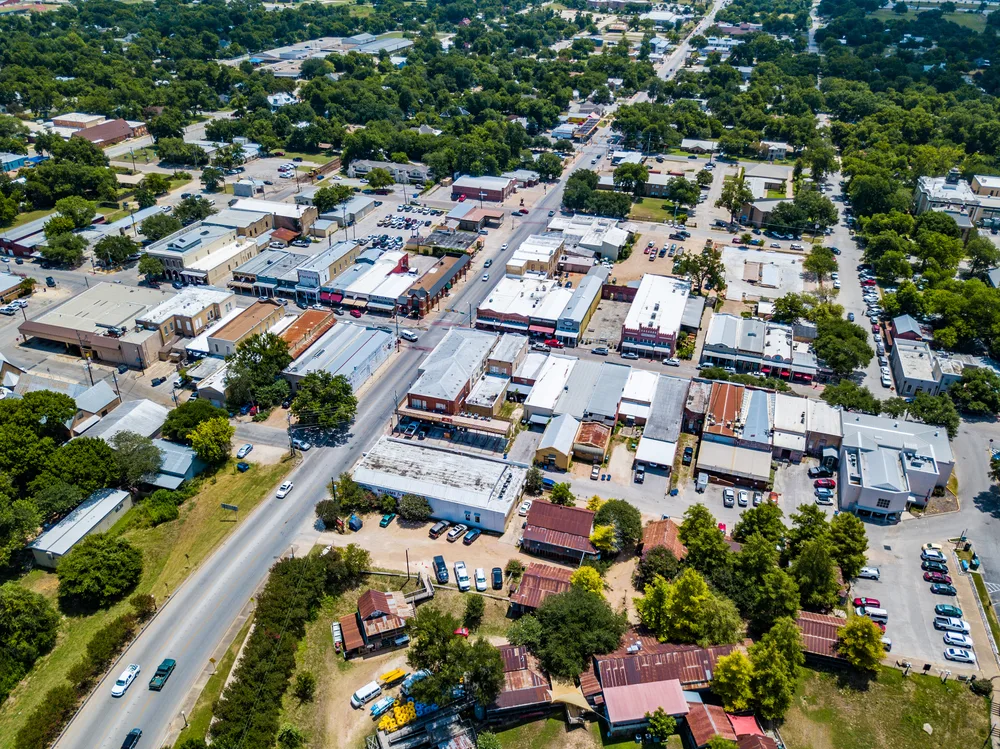
Coverage extends across the full county, from riverfront neighborhoods to pine-shaded subdivisions and open ranchland.
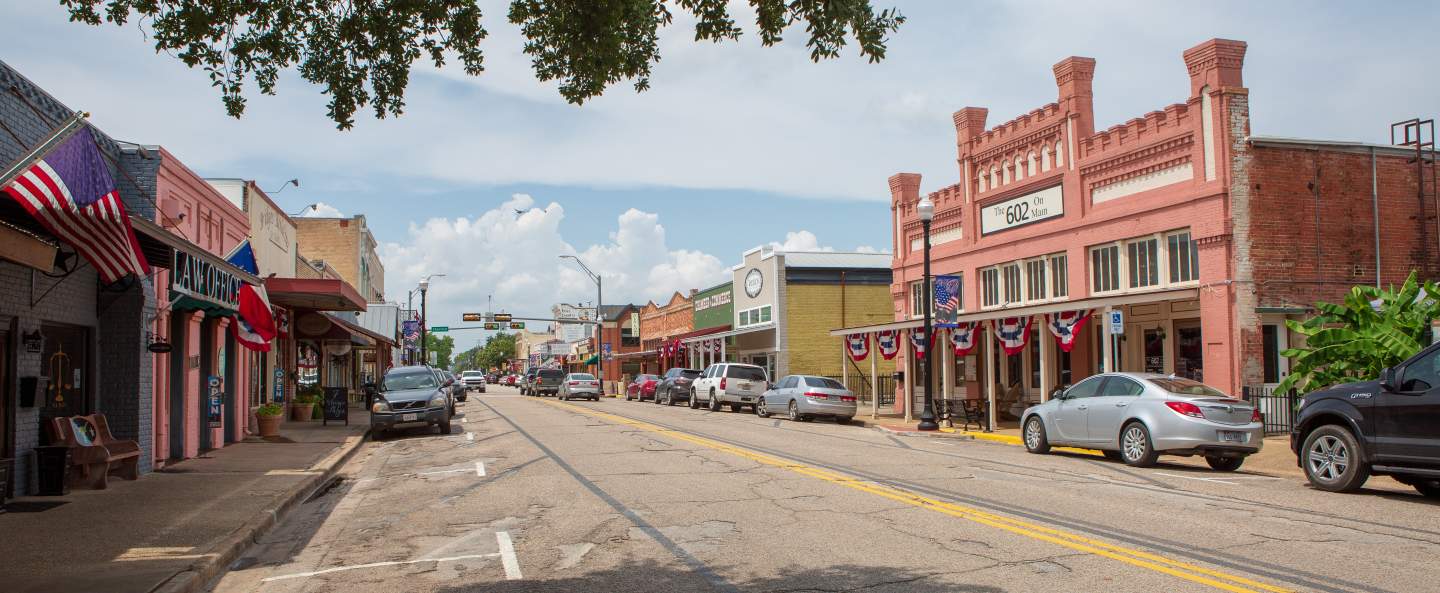
- City of Bastrop - historic downtown, Farm Street district, Pecan Park, Hunters Crossing, and Riverside Grove
- Elgin - downtown brick district, Highland Park, and surrounding FM 1704 acreage
- Smithville - the historic residential grid, Riverbend, and Gazley Creek properties
- Cedar Creek and Red Rock - rural septic-served homes along SH 21 and FM 20
- Tahitian Village and Circle D-KC Estates - wooded lots directly affected by past wildfire activity
- Paige, McDade, Rockne, and Wyldwood - outlying communities with well and septic infrastructure
- Camp Swift, Bastrop State Park corridor, and Lake Bastrop shoreline properties
Response teams also assist neighboring Caldwell, Lee, and eastern Travis County when regional storms stretch local resources.
Seasonal Damage Patterns in Bastrop County
Each season brings a distinct restoration workload, and knowing the pattern helps property owners prepare before conditions turn.
- Winter (December - February) - hard freezes burst uninsulated pipes in older homes and unheated outbuildings, producing supply-line water damage and flooded crawlspaces. Space heater and fireplace use raises fire and smoke damage calls.
- Spring (March - May) - the heaviest severe weather window. Hail and wind open roofs, thunderstorms overwhelm low-lying yards, and flooded basements and storm shelters follow. Rising humidity begins mold growth in areas dried too slowly.
- Summer (June - August) - drought stress and high heat elevate wildfire risk across pine and grassland areas, driving fire and smoke restoration. Condensation drain failures in overworked AC units cause hidden ceiling and wall water damage.
- Early fall (September - October) - tropical remnants push inland from the Gulf, saturating septic drain fields and triggering sewage backups alongside river flooding.
- Late fall (November) - mold discovered during holiday cleaning, often traced to summer leaks that were never fully dried.
Housing Characteristics & Restoration Considerations
Bastrop County housing spans nearly two centuries of construction, and the building method dictates the restoration approach.
Common Construction Types
- Historic 19th and early 20th century homes in downtown Bastrop, Smithville, and Elgin - pier-and-beam foundations, shiplap sheathing, plaster walls, and original longleaf pine flooring that requires slow, controlled drying rather than aggressive heat
- Mid-century frame homes with plaster or early drywall, where soot penetrates porous surfaces quickly during smoke events
- 1980s - 2000s slab-on-grade subdivisions where water travels beneath carpet pad and wicks up drywall before it becomes visible
- Post-2011 rebuilds in Tahitian Village and the Circle D area, built tighter and better insulated - which traps moisture and accelerates mold when a leak goes unnoticed
- Manufactured and modular homes across rural tracts, where belly wrap holds water against subflooring and demands specialized extraction
How Construction Affects the Work
- Pier-and-beam crawlspaces need under-floor dehumidification and vapor barrier replacement, not just surface drying.
- Slab foundations often require flood cuts and cavity drying behind baseboards.
- Homes built before the late 1970s may contain asbestos-bearing materials and lead paint, requiring testing before demolition.
- Older cast iron and clay sewer laterals fail more often, increasing contaminated water calls.
- Wood-heavy historic interiors hold smoke odor longer, making HVAC cleaning and sealing part of the fire restoration scope.
Environmental Conditions & Damage Implications
The county's humid subtropical climate, clay-sand soils, and pine woodlands each influence how damage develops and how restoration is performed.
Climate and Air
- Summer humidity regularly pushes indoor relative humidity above the threshold where mold colonizes damp drywall within roughly 24 to 48 hours
- Long dry spells followed by intense rainfall produce runoff that outpaces absorption, sending sheet flow toward foundations
- Regional smoke from brush fires and agricultural burning settles fine particulate into attics and duct systems, contributing to lingering odor complaints
Soil and Water
- Expansive clay in parts of the county swells and shrinks, opening foundation cracks that admit groundwater during wet periods
- Sandy Carrizo-Wilcox soils in the Lost Pines area drain quickly but erode, undermining slabs and exposing plumbing
- Post-fire hydrophobic soil from severe burns repels water, increasing runoff volume and debris-laden flooding downslope
- Private wells and septic mean contamination risk during flooding is higher, so sewage cleanup includes water testing recommendations
Practical Implications
- Dehumidification runs longer here than in drier climates, and moisture readings guide equipment removal.
- Negative air containment is standard for mold removal to prevent spore spread through open floor plans.
- Fire restoration frequently includes exterior soot washing, since ash settles on siding, decks, and roofing.
Wildfire Recovery and Post-Fire Restoration in the Lost Pines Region
Bastrop County carries a restoration history unlike most Texas communities, and that shapes how fire and smoke work is handled here. The 2011 Bastrop Complex Fire burned for over a month across roughly 32,400 acres, took two lives, and destroyed 1,696 residential and commercial structures. Within Bastrop State Park, fire consumed about 96.5 percent of total acreage and killed most trees across 91 percent of the pine and pine-oak woodlands, with lasting effects on the Houston toad and other native wildlife. Litigation over vegetation management along power line easements followed for years afterward.
That history informs current practice in several ways:
- Smoke assessment extends beyond the burn perimeter - homes untouched by flame still need duct cleaning, insulation evaluation, and content deodorization
- Defensible space matters - crews document vegetation, fencing, and outbuilding conditions during post-fire inspections
- Water and fire damage often overlap - suppression water saturates structures, so extraction and drying begin alongside soot removal
- Erosion follows fire - burned slopes send mud and ash into crawlspaces during the next storm, creating combined cleanup scopes
What Clear Communication Looks Like
- A walkthrough where the technician shows you moisture readings, soot samples, and photographs rather than describing them secondhand
- A written scope listing every affected room, material, and planned action before work begins
- Plain explanation of what is salvageable, what must be removed, and why
- Daily updates on drying progress, equipment placement, and any change in the plan
- Direct coordination with your insurance adjuster, with documentation shared to you at the same time
Emergency response is available around the clock across Bastrop, Elgin, Smithville, Cedar Creek, and the surrounding communities for cleanup, drying, and repair.