
Damage Restoration in Bastrop, TX
- Damage Restoration Services Overview
- Common Damage Restoration Issues in Bastrop, Texas
- Neighborhoods We Serve in Bastrop
- Seasonal Damage Patterns in Bastrop
- Housing Characteristics & Restoration Considerations
- Environmental Conditions & Damage Implications
- Flash Flooding, Septic Backups, and Emergency Response Along the Colorado River
Damage Restoration Services Overview
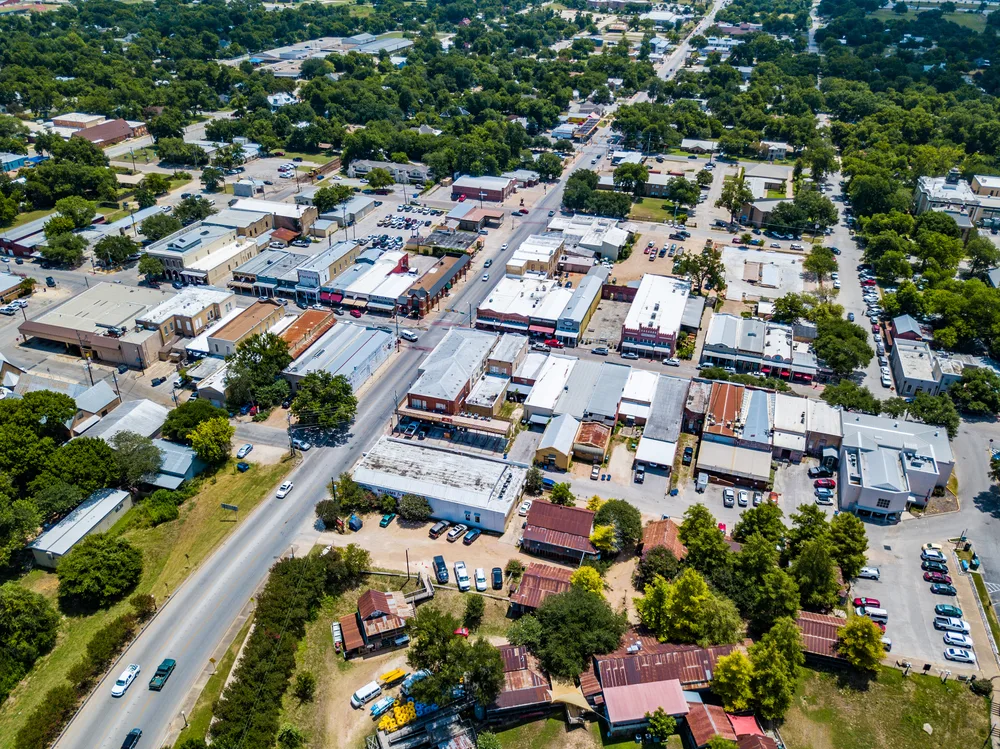
The 2011 Bastrop County Complex Fire burned more than 32,000 acres and destroyed over 1,600 homes - a reminder that property damage in this part of Central Texas rarely arrives on a schedule. Between wildfire risk, flash flooding along the Colorado River corridor, and humid summers that feed mold growth, Bastrop property owners face an unusually broad range of restoration needs.
Licensed restoration professionals serve the area around the clock, responding to emergencies at all hours with truck-mounted extraction units, commercial dehumidifiers, air scrubbers, and thermal imaging cameras.
- Water Damage Restoration - extraction, structural drying, and moisture mapping after pipe breaks, roof leaks, and storm intrusion
- Flooded Basement - pump-out, dry-out, and treatment of below-grade spaces, storm shelters, and sunken garages
- Sewage Cleanup - safe removal of Category 3 contaminated water from septic backups and municipal line failures
- Fire Damage Restoration - debris removal, structural cleaning, content pack-out, and rebuild coordination
- Smoke Damage Restoration - soot removal, thermal fogging, HVAC cleaning, and odor neutralization
- Mold Removal - containment, HEPA filtration, antimicrobial treatment, and moisture source correction
Fast response limits secondary damage, protects belongings, and keeps insurance claims moving smoothly for Bastrop families and business owners.
Common Damage Restoration Issues in Bastrop, Texas
Bastrop sits where the Lost Pines meet the Colorado River floodplain, and that geography drives most local restoration calls.
Leading Causes of Damage
- Flash flooding from severe thunderstorms that overwhelm low-lying streets, creek crossings, and drainage ditches
- Wildfire and grass fire events during drought cycles, producing both direct flame damage and widespread smoke intrusion
- Septic system failures on rural acreage properties, where saturated clay soils prevent drain fields from percolating
- Slab plumbing leaks in homes built on expansive soils that shift with wet-dry cycles
- Hard freeze pipe bursts, an increasingly familiar problem since the February 2021 statewide freeze
- Roof damage from hail and straight-line winds that allows water into attics and wall cavities
Warning Signs Worth Acting On
- Musty odors in closets, laundry rooms, or beneath sinks - often the first indicator of hidden mold
- Buckling laminate, cupping hardwood, or soft spots in flooring near exterior walls
- Discolored ceiling rings or peeling paint after heavy rainfall
- Gurgling drains or slow toilets, which frequently precede a sewage backup
- A persistent smoky smell that returns when the air conditioner runs, signaling soot in the ductwork
- Unexplained spikes in the water bill pointing to an underslab leak
Addressing these signals early keeps a contained water loss from becoming a whole-room mold remediation project.
Neighborhoods We Serve in Bastrop
Restoration crews cover the city and the surrounding Bastrop County countryside, including:
- Downtown Bastrop and the Historic District - older wood-frame homes and Main Street commercial buildings
- Tahitian Village - hillside lots among the Lost Pines with drainage and slope challenges
- The Colony and Riverside Grove - newer master-planned neighborhoods near the Colorado River
- Pecan Park, Circle D-KC Estates, and Wildwood
- Hunters Crossing and Bastrop Gardens
- Piney Ridge, Lake Bastrop area, and Camp Swift
Service also extends to Elgin, Smithville, Cedar Creek, Red Rock, Paige, McDade, Rockne, and the FM 20, SH 21, and SH 71 corridors toward Austin. Rural properties on well and septic systems receive the same round-the-clock response as in-town addresses, with crews equipped for long driveways, limited access, and off-grid water conditions.
Seasonal Damage Patterns in Bastrop
Winter (December - February)
- Hard freezes burst supply lines, hose bibs, and unprotected attic plumbing
- Fireplace, space heater, and holiday cooking fires drive smoke damage calls
- Flooded basements and slab-level water losses spike after thaw
Spring (March - May)
- Severe thunderstorms, hail, and flash flooding along creeks and low crossings
- Roof and window intrusion leading to attic and wall-cavity moisture
- Rising humidity begins accelerating mold growth in damp materials
Summer (June - August)
- Drought and heat waves raise grass and wildfire risk across the Lost Pines
- AC condensate line clogs cause ceiling and closet water damage
- Peak mold season - high dew points keep indoor humidity elevated
Fall (September - November)
- Tropical systems and remnant rainfall push septic systems past capacity, triggering sewage cleanup
- Saturated ground causes yard flooding and below-grade water entry
- First heating cycles reveal soot and odor issues in neglected chimneys and furnaces
Housing Characteristics & Restoration Considerations
Bastrop's housing stock spans nearly two centuries, and each era responds differently to water, fire, and mold.
Historic Homes (pre-1940)
- Pier-and-beam foundations with vented crawlspaces that trap humidity and invite mold
- Shiplap, lath-and-plaster, and original longleaf pine that require gentle drying to avoid warping
- Knob-and-tube or early wiring that raises electrical fire risk
- Possible asbestos or lead-based materials requiring testing before demolition
Mid-Century and 1970s - 1990s Homes
- Slab-on-grade construction where underslab leaks migrate silently beneath flooring
- Original cast iron or galvanized drain lines prone to cracking and sewage backups
- Limited attic insulation and older ductwork that holds smoke odor
Newer Construction (2000 - present)
- Tight building envelopes that trap moisture when a leak goes undetected
- Engineered wood, OSB sheathing, and paper-faced drywall that support rapid mold colonization
- Two-story layouts where upstairs supply leaks damage multiple levels at once
True basements are uncommon in Central Texas, but Bastrop properties do have storm shelters, partial cellars, sunken garages, and crawlspaces that flood and demand pumped extraction plus sustained dehumidification. Manufactured and modular homes on rural tracts present their own challenges - underbelly insulation retains water and typically requires removal rather than drying in place.
Environmental Conditions & Damage Implications
Climate
- Humid subtropical conditions with summer highs above 95°F and dew points in the 70s
- Roughly 35 - 40 inches of annual rainfall, often delivered in intense short bursts
- Wide swings between drought and downpour that stress foundations and plumbing
Elevated indoor humidity means mold spores can colonize damp drywall within 24 to 48 hours, so dehumidification matters as much as extraction on every water loss.
Soil and Drainage
- Blackland clay in parts of the county expands and contracts, cracking slabs and shearing sewer lines
- Sandy Carrizo soils around the Lost Pines drain quickly but erode on slopes, undermining foundations
- Clay-heavy drain fields slow septic percolation, contributing to backups after prolonged rain
Water and Air Quality
- Hard, mineral-rich groundwater accelerates corrosion in water heaters and supply fittings
- Private wells can be contaminated by floodwater, requiring disinfection alongside structural cleanup
- Cedar, oak, and grass pollen combine with post-fire particulate to worsen indoor air quality after smoke events
Wildfire Interface
Many Bastrop homes sit within a wildland-urban interface, where loblolly pines and dense understory bring fire close to structures. Even when flames stop short, smoke and soot infiltrate attics, HVAC systems, and porous contents - making air scrubbing, duct cleaning, and odor neutralization standard parts of local fire damage restoration.
Flash Flooding, Septic Backups, and Emergency Response Along the Colorado River
Bastrop's relationship with water defines much of the restoration work performed here. The Colorado River, Piney Creek, Gills Branch, and dozens of seasonal draws can rise quickly when a slow-moving thunderstorm parks over the watershed. Properties well outside mapped floodplains still take on water when culverts clog or sheet flow finds a low door threshold.
What an Emergency Water Response Looks Like
- Immediate contact and dispatch - crews mobilize any hour, day or night
- Safety assessment - electrical hazards, structural stability, and contamination category identified
- Water extraction - truck-mounted and portable units remove standing water from floors and crawlspaces
- Moisture mapping - thermal cameras and penetrating meters trace water inside walls and under cabinets
- Controlled demolition - saturated baseboards, insulation, and unsalvageable drywall removed
- Structural drying - air movers and low-grain refrigerant dehumidifiers run with daily monitoring
- Antimicrobial application - treated surfaces resist mold regrowth
- Documentation and reconstruction - readings, photos, and scope details shared with the insurance carrier
When Sewage Is Involved
- Contaminated water is treated as Category 3 - porous materials it touches are typically removed, not dried
- Technicians work in full PPE with negative-air containment to keep pathogens from spreading
- Affected surfaces are cleaned, disinfected, and verified before rebuild work begins
- Septic tanks and drain fields are evaluated so the same failure does not repeat
Bastrop homeowners can reduce risk between storms by clearing gutters and culverts, extending downspouts away from the foundation, installing backwater valves, keeping septic tanks pumped on schedule, and maintaining defensible space around structures in the pines.





