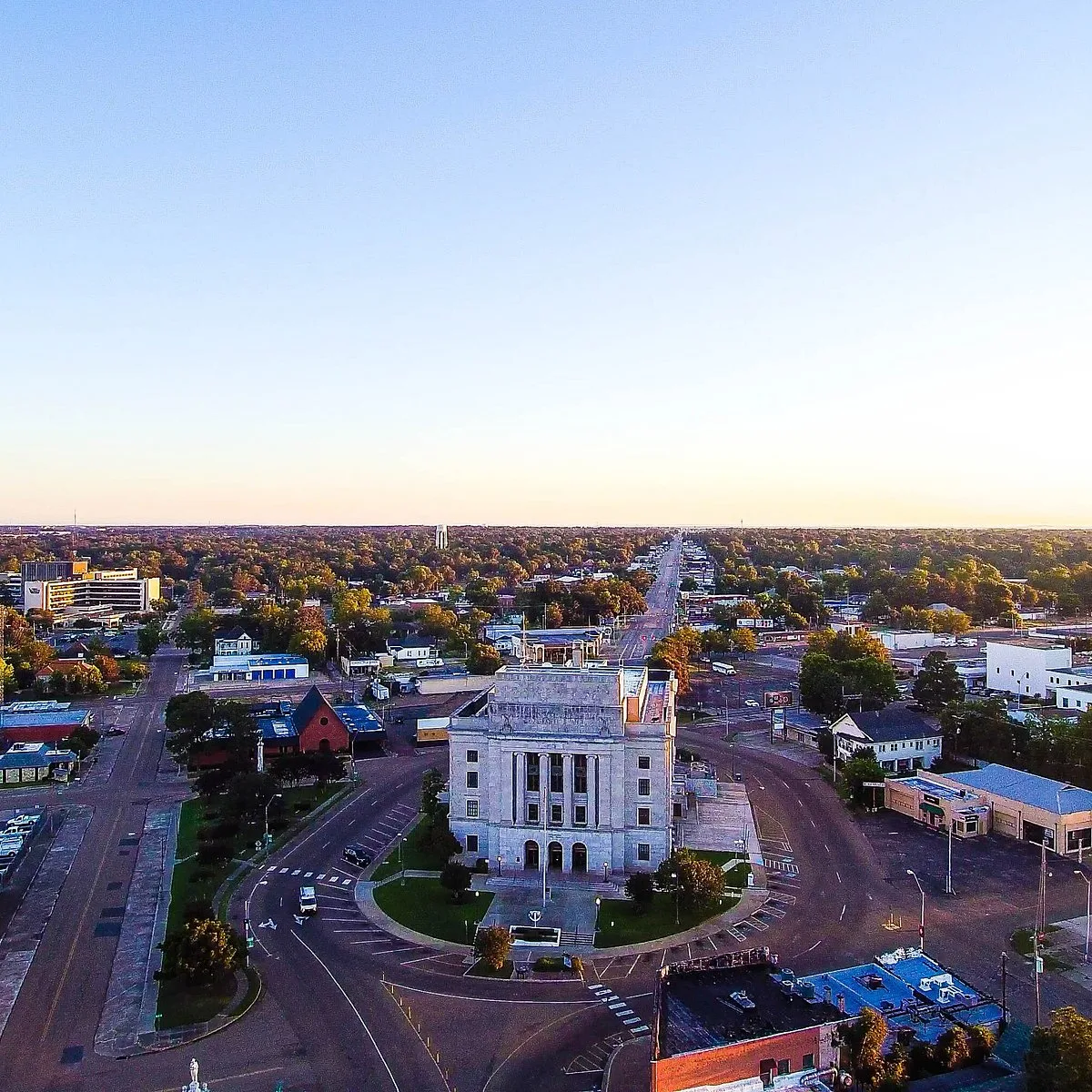
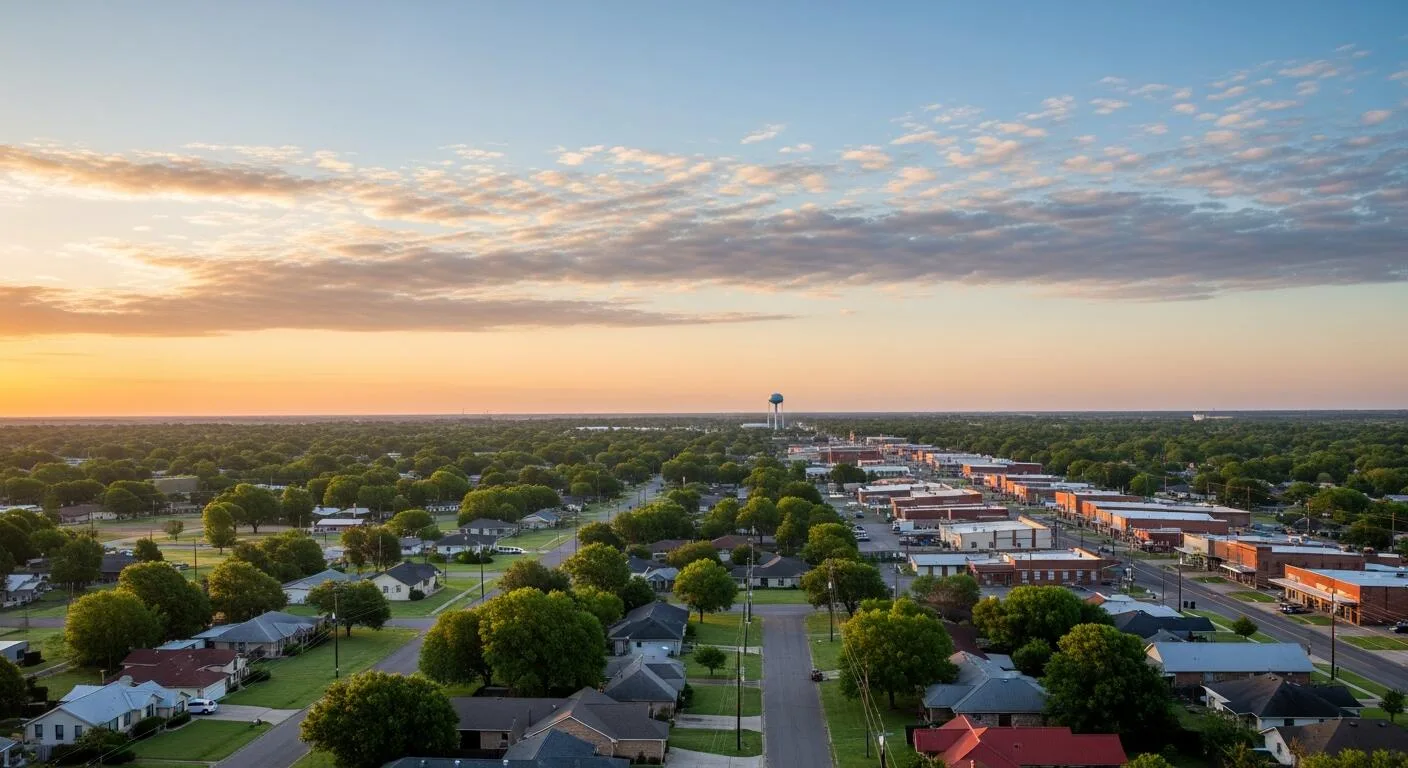
Damage Restoration in Bowie County, TX
- Damage Restoration Services Overview
- Common Damage Restoration Issues in Bowie County, Texas
- Neighborhoods We Serve in Bowie County
- Seasonal Damage Patterns in Bowie County
- Housing Characteristics & Restoration Considerations
- Environmental Conditions & Damage Implications
- Storm Response and Insurance Documentation for Bowie County Property Owners
Damage Restoration Services Overview
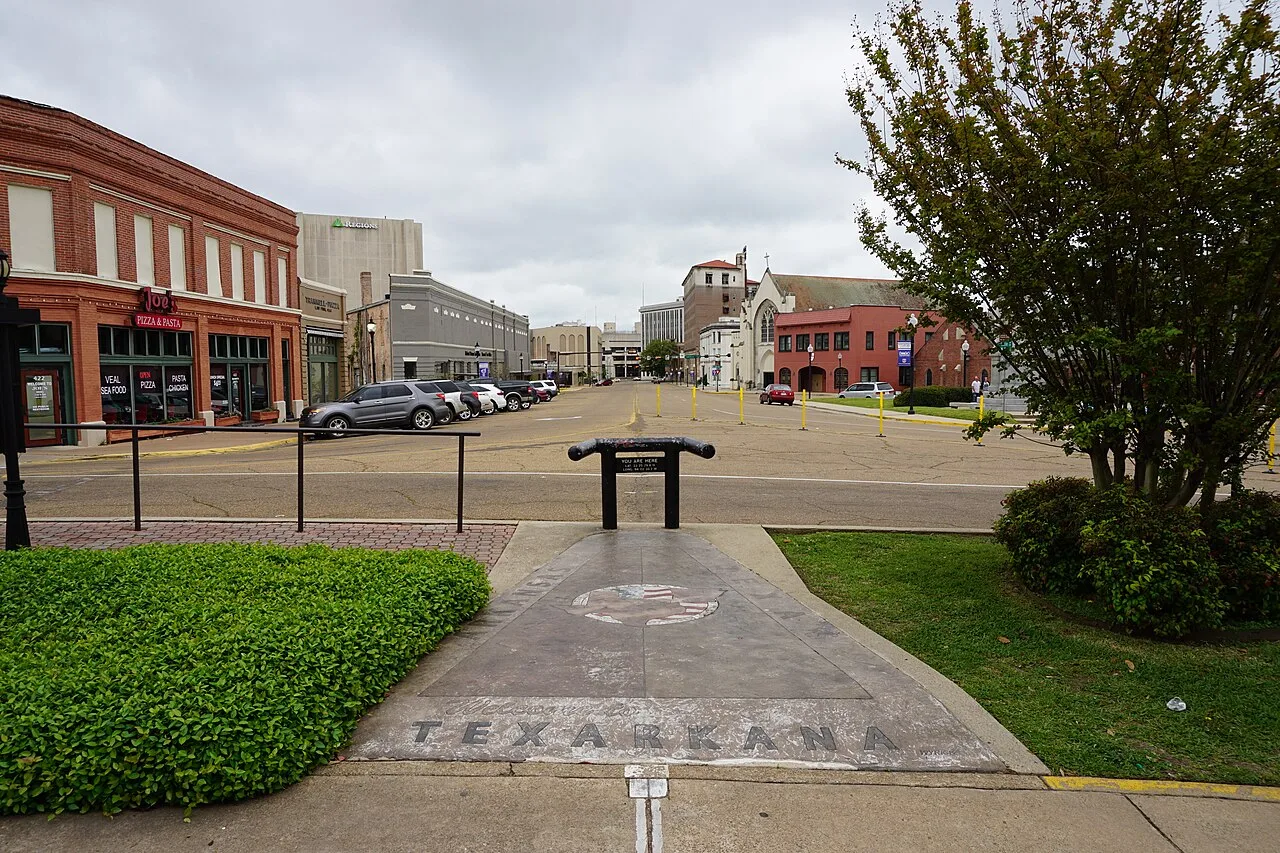
What happens to a Bowie County home in the first 24 hours after water pushes through a wall, or after smoke settles into every soft surface in the house? The answer usually decides whether a property is dried and saved or gutted and rebuilt.
Restoration work in Texarkana, New Boston, and the surrounding communities spans a wide range of emergencies - and each one demands a different response.
- Water Damage Restoration - extraction, structural drying, and moisture mapping after supply line breaks, roof leaks, and storm intrusion
- Flooded Basement - pump-out, sump inspection, and drying of below-grade storage areas and crawl spaces
- Sewage Cleanup - removal of contaminated material, antimicrobial treatment, and safe disposal after backups
- Fire Damage Restoration - debris removal, soot cleaning, structural stabilization, and content recovery
- Smoke Damage Restoration - odor neutralization, HVAC cleaning, and treatment of porous surfaces
- Mold Removal - containment, air filtration, material removal, and moisture source correction
The benefit for local property owners is simple: faster stabilization means less material loss, fewer secondary problems like mold growth behind drywall, and a cleaner path through the insurance documentation process.
Common Damage Restoration Issues in Bowie County, Texas
Bowie County sits in the humid Ark-La-Tex corner of Texas, where heavy rainfall, severe thunderstorms, and long muggy stretches create ideal conditions for water intrusion and fungal growth. Storm damage cleanup has been an ongoing effort across the county, with some of the most widespread damage concentrated in the western portion of the county.
Frequent Causes of Property Damage
- Straight-line winds and hail that compromise roofing and allow rain to reach ceilings and insulation
- Flash flooding along the Red River bottoms, Sulphur River drainages, and low-lying county roads
- Overwhelmed municipal sewer lines and private septic systems during sustained rainfall
- Aging galvanized and polybutylene supply lines in mid-century homes
- Electrical fires from overloaded circuits in older housing stock
- Grease and cooking fires that spread smoke through open floor plans
- Condensation and poor ventilation in crawl spaces feeding chronic mold colonies
Warning Signs Worth Acting On
- Musty odor that intensifies when the HVAC system cycles on
- Discolored rings or sagging in ceiling drywall after a storm
- Buckling laminate, cupping hardwood, or soft spots in subfloor
- Slow drains and gurgling toilets that precede a sewage backup
- Persistent smoke odor weeks after a small kitchen fire
- Peeling paint or efflorescence on foundation walls and slab edges
A county disaster declaration cited widespread or severe damage to property, infrastructure, county roads, and rights-of-way - a reminder that regional storm events affect access and utilities as much as individual structures.
Neighborhoods We Serve in Bowie County
Coverage extends across the county's cities, small towns, and rural addresses along the Red River corridor.
- Texarkana - historic downtown, Pleasant Grove, Wake Village Road corridor, and neighborhoods near Interstate 30
- New Boston - county seat neighborhoods and properties along US 82
- Wake Village and Nash - established subdivisions and newer slab-built homes
- De Kalb, Hooks, and Redwater - small-town residential and light commercial properties
- Maud, Leary, and Red Lick - rural homes on well and septic systems
- Simms, Hubbard, and Malta - farmsteads and outbuildings in the western county
Surrounding areas including Cass County, Miller County across the state line, and communities near the Sulphur River bottoms also fall within reach for emergency response.
Seasonal Damage Patterns in Bowie County
Damage types shift predictably through the year in Northeast Texas.
- January - February: Hard freezes crack exposed pipes in crawl spaces, garages, and unheated additions. Space heater and fireplace fires spike, bringing smoke damage calls.
- March - May: Peak severe weather. Hail, wind-driven rain, and flash flooding drive water damage restoration, flooded basement pump-outs, and sewer backups when storm systems stall over the county.
- June - August: High humidity and dew points feed mold growth in attics, crawl spaces, and behind vinyl wallpaper. Air conditioning condensate line clogs cause hidden ceiling leaks.
- September - October: Tropical remnants push moisture inland. Roof damage from earlier storms surfaces as interior staining.
- November - December: Cooking and holiday lighting fires increase. First cold snaps expose weak plumbing.
Sewage cleanup requests cluster around the wettest months, when groundwater infiltration pressures both city lines and rural septic fields.
Housing Characteristics & Restoration Considerations
Bowie County housing spans more than a century of building practice, and each era responds differently to water, fire, and mold.
Common Construction Types
- Pre-1940 frame homes in older Texarkana neighborhoods - pier-and-beam foundations, plaster walls, shiplap sheathing, and knob-and-tube remnants
- 1950s - 1970s ranch homes - slab-on-grade with wall cavity insulation that traps moisture and hides mold
- 1980s - 2000s subdivisions in Wake Village, Nash, and Redwater - engineered trusses and OSB sheathing that delaminate quickly when wet
- Rural manufactured and modular homes - belly board insulation that holds standing water beneath the floor
- Farm outbuildings and metal shops - condensation-driven corrosion and storage-content losses
How Age Shapes the Response
- Pier-and-beam crawl spaces require dedicated drying and vapor barrier repair after flooding
- Plaster and lath hold water far longer than modern drywall, extending drying timelines
- Older homes may contain asbestos-bearing floor tile or insulation requiring testing before demolition
- Slab homes concentrate water at the floor line, wicking into baseboards and bottom plates
- Smoke travels aggressively through open-plan newer builds and shared attic spaces
- Rural septic systems create higher contamination risk during sewage cleanup
Documenting pre-existing conditions before work begins protects owners during insurance review.
Environmental Conditions & Damage Implications
The local climate and ground conditions influence nearly every restoration decision made in the county.
Climate and Humidity
- Roughly 50 inches of annual rainfall, well above the Texas average
- Summer relative humidity that regularly stays high overnight, slowing natural drying
- Mild winters that allow mold activity to continue in crawl spaces year-round
- Dehumidification equipment sizing must account for outdoor moisture load, not just interior water volume
Soil and Drainage
- Expansive clay soils common across Northeast Texas that swell and shrink, stressing foundations and creating entry paths
- Slow-percolating subsoil that holds water against foundation walls after heavy rain
- Red River floodplain areas with elevated groundwater tables
- Poor perimeter drainage on older lots contributing to repeat basement and crawl space flooding
Air and Water Quality Factors
- Pine and hardwood pollen loads that combine with soot residue to worsen indoor air quality after fires
- Well water in rural areas requiring separate consideration during contamination cleanup
- Smoke particulate that binds to humid surfaces, making odor removal more demanding than in dry climates
- Elevated moisture that accelerates mold colonization on wet materials within days
These conditions mean drying plans, containment setups, and mold removal protocols are built around local humidity rather than generic national standards.
Storm Response and Insurance Documentation for Bowie County Property Owners
When a severe weather system moves across the county, hundreds of properties need help at once. Roads, rights-of-way, and utility infrastructure often take damage alongside homes, which slows access and stretches local resources thin.
What Effective Storm Response Looks Like
- Safety assessment - confirming electrical, structural, and contamination hazards before entry
- Emergency mitigation - board-up, roof tarping, and water extraction to stop ongoing loss
- Moisture mapping - meters and thermal imaging to find water inside wall cavities and under flooring
- Controlled drying - air movers and dehumidifiers placed by calculation, monitored daily until materials reach target readings
- Contamination categorization - separating clean water losses from sewage-affected areas requiring removal and disinfection
- Reconstruction planning - scoping repairs once the structure is dry and stable
Documentation That Supports a Claim
- Time-stamped photos and video of all affected rooms before anything is moved
- Daily moisture readings showing drying progress
- Written inventory of damaged contents, including serial numbers where available
- Notes on the water source and category, which drives coverage decisions
- Records of emergency mitigation steps taken to limit further loss
Custom Solutions for Local Problems
- Crawl space drying systems for pier-and-beam homes in older Texarkana neighborhoods
- Negative-pressure containment for mold removal in occupied homes
- Hydroxyl and thermal fogging approaches for smoke odor in humid conditions
- Septic-adjacent sewage cleanup protocols for rural properties outside city sewer service
- Content pack-out and cleaning when fire damage makes a home temporarily unlivable
Every structure dries differently. Matching equipment, containment, and sequencing to the actual building - not a template - is what shortens the timeline and protects what can still be saved.