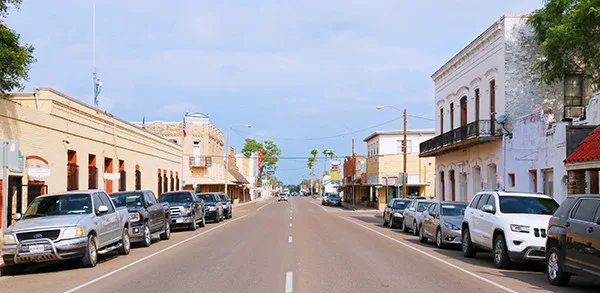
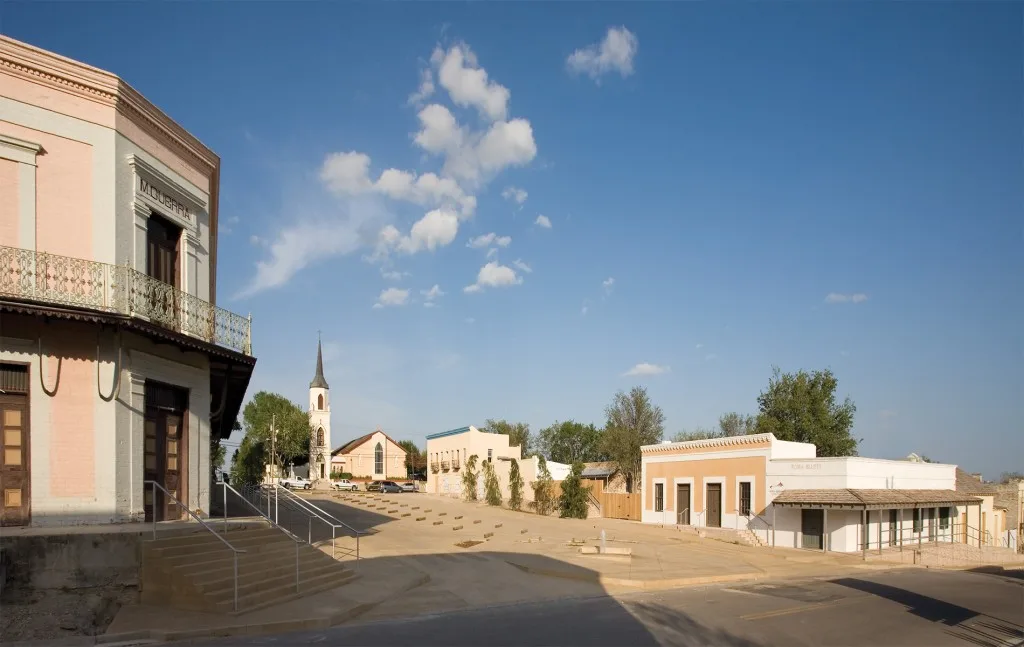
Damage Restoration in Starr County, TX
- Damage Restoration Services Overview
- Common Damage Restoration Issues in Starr County, Texas
- Neighborhoods We Serve in Starr County
- Seasonal Damage Patterns in Starr County
- Housing Characteristics & Restoration Considerations
- Environmental Conditions & Damage Implications
- Storm Response, Insurance Documentation, and Modern Drying Technology in Starr County
Damage Restoration Services Overview
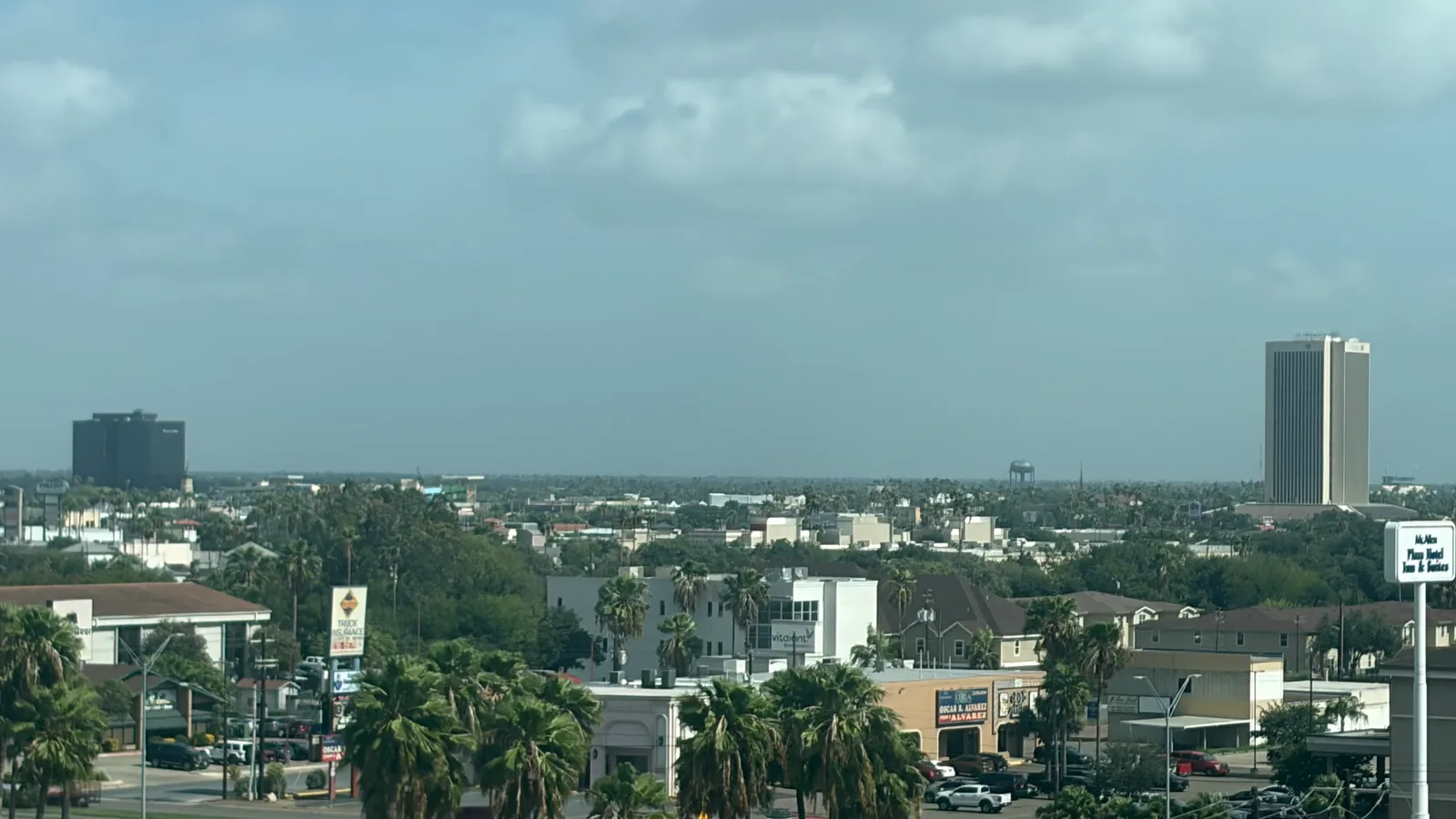
After a single storm system swept through Roma and Rio Grande City, more than 100 Starr County households reported property damage through the state's assessment tool - a reminder that in a semi-arid county, the water problem is rarely a slow leak. It arrives all at once.
Texas Prime Homes Roofing & Restoration answers emergency calls at 956-250-4094 across Hidalgo, Cameron, and Starr County TX, handling the full sequence from extraction through reconstruction.
- Water Damage Restoration - same-day water removal, ceiling water damage repair, and structural drying after roof leaks, burst supply lines, and storm intrusion.
- Flooded Basement - pump-out and drying for basements, cellars, sunken utility rooms, and below-grade storage found on older ranch properties.
- Sewage Cleanup - water backup cleanup, contaminated material removal, and antimicrobial treatment after septic failures or municipal line surcharges.
- Fire Damage Restoration - board-up, debris removal, char and soot remediation, and rebuild coordination.
- Smoke Damage Restoration - odor neutralization, HVAC cleaning, and treatment of walls, textiles, and porous surfaces.
- Mold Removal - containment, spore-controlled removal, and moisture-source correction so growth does not return.
Free estimates are provided, and there is typically no out-of-pocket cost when the loss is covered by insurance - which matters when a family is already juggling storm cleanup and displaced routines.
Common Damage Restoration Issues in Starr County, Texas
Starr County sits in a dry climate that produces wet emergencies. Rain arrives in concentrated bursts, drainage capacity fills quickly, and caliche-heavy ground sheds water toward slabs and low-lying yards.
Frequent Causes of Loss
- Heavy thunderstorm cells and tropical moisture pushing water through roof penetrations, ridge caps, and wind-lifted shingles.
- Sheet flow along arroyos and roadside ditches around Rio Grande City, Roma, and Escobares entering garages and sunken rooms.
- Septic saturation during downpours, causing sewage backup at floor drains and lowest-elevation fixtures.
- Supply line and water heater failures - especially with mineral-heavy water accelerating corrosion.
- Electrical faults, grease fires, and outdoor burning that spreads during dry, windy stretches.
- Condensation from oversized or leaking air conditioning systems feeding hidden mold behind drywall.
Warning Signs Worth Acting On
- Brown ceiling rings or sagging drywall tape after a storm.
- Baseboards that feel cool, soft, or swollen at the bottom edge.
- A musty odor that intensifies when the air conditioner cycles on.
- Gurgling drains or slow toilets - often the first hint of a backup.
- Smoke odor that returns on humid days, indicating residue trapped in porous materials.
- Tile grout darkening or flooring lifting near exterior walls.
Damage rarely stays where it started. Water travels along framing and under flooring, and soot migrates through return air ducts within hours.
Neighborhoods We Serve in Starr County
Crews cover the county from the river communities to the ranchland north of Highway 755.
- Rio Grande City - historic downtown structures, older brick and masonry homes, and newer subdivisions.
- Roma - including Roma Creek and the bluff neighborhoods above the river.
- Escobares and La Grulla - properties with septic systems and rural drainage.
- Garciasville, Santa Cruz, El Sauz, and Fronton - outlying colonias and ranch homesites.
- Salineño, Falcon Heights, and the Falcon Lake corridor - lakeside properties exposed to wind-driven rain.
- Los Saenz, Sullivan City area, and communities along US-83.
Service continues east into Hidalgo County and Cameron County TX, so multi-property owners and property managers can use one restoration contact across the Rio Grande Valley. Call 956-250-4094 for same-day dispatch.
Seasonal Damage Patterns in Starr County
Each season brings a different call volume mix, and knowing the pattern helps homeowners prepare before the emergency line rings.
- January - March: Cold snaps stress exposed plumbing and hose bibs. Freeze-related pipe breaks drive water damage restoration and flooded basement calls, often discovered after thaw.
- April - May: Spring storm lines with hail and straight-line winds damage roofs, leading to ceiling water damage and interior saturation.
- June - August: Peak heat and humidity. Air conditioner condensate overflows, drain pan failures, and hidden wall moisture push mold removal demand to its yearly high.
- August - October: Tropical systems and remnant moisture produce flash flooding, septic saturation, and sewage cleanup emergencies across low-elevation properties.
- November - December: Heating equipment restarts, fireplace use, and holiday cooking increase fire damage restoration and smoke damage restoration calls.
- Dry, windy weeks any month elevate brush and structure fire risk.
- Mold can follow any water event within roughly two days of unresolved moisture, regardless of season.
Housing Characteristics & Restoration Considerations
Starr County housing spans mid-century masonry homes near the historic districts, 1970s-1990s slab-on-grade ranch styles, manufactured homes on rural lots, and newer stucco subdivisions. Each construction type reacts differently to water, soot, and humidity.
Construction Types and What They Mean
- Slab-on-grade with tile or laminate: Water spreads laterally under flooring; drying often requires mat systems and cavity injection rather than surface fans alone.
- Older block and brick homes in Rio Grande City and Roma: Dense masonry holds moisture and smoke odor, calling for extended dehumidification and specialized cleaning.
- Stucco and EIFS exteriors: Trap moisture behind cladding after roof or window intrusion, creating concealed mold growth.
- Manufactured and modular homes: Belly-board insulation retains water and needs opening, removal, and controlled drying.
- Homes with cellars, storm rooms, or sunken utility spaces: Require pumping, sanitizing, and vapor control during flooded basement work.
- Older cast iron and clay sewer laterals: Prone to root intrusion and collapse, a common trigger for sewage cleanup.
Materials That Influence Scope
- Popcorn and textured ceilings in pre-1990 homes may require testing before removal.
- Wood-frame interior walls with cellulose insulation must be removed when saturated.
- Ductwork routed through hot attics collects soot and moisture and often needs cleaning after fire or flood events.
Documenting these details supports a stronger insurance file and a rebuild that matches the original finish.
Environmental Conditions & Damage Implications
The environment along the Rio Grande shapes how quickly damage escalates and how drying must be engineered.
Climate and Air
- Long, extremely hot summers with high dew points slow natural evaporation indoors and accelerate microbial growth.
- Airborne dust and agricultural particulates settle on soot residue, making smoke damage restoration cleaning more involved.
- Wind-driven rain enters at window flanges and roof edges even without visible shingle loss.
Soil and Water
- Caliche and clay-rich soils absorb slowly, sending runoff toward foundations and below-grade openings.
- Seasonal soil movement opens hairline slab and stucco cracks that later admit water.
- Hard, mineral-heavy water shortens the life of water heaters, valves, and supply lines.
- Rural septic systems near saturated ground back up during prolonged rain, raising sewage cleanup risk.
How Conditions Change the Work
- Dehumidification is sized for humidity load, not just square footage, since outdoor air offers little drying help.
- Containment barriers keep dust and spores out of unaffected rooms during mold removal.
- Category 3 water requires removal of porous materials rather than drying in place.
- Post-fire cleaning must address both soot and the region's fine dust layer for full odor control.
Storm Response, Insurance Documentation, and Modern Drying Technology in Starr County
When county officials opened damage reporting after a recent storm, homeowners across Roma and Rio Grande City discovered how much paperwork follows a wet ceiling. Restoration and documentation now happen simultaneously, and the equipment used determines both the drying result and the strength of the claim.
Equipment and Methods Used on Local Jobs
- Truck-mounted and portable extraction units that pull standing water from tile, carpet, and below-grade spaces on the first visit.
- Low-grain refrigerant and desiccant dehumidifiers matched to Valley humidity loads.
- Thermal imaging cameras and penetrating moisture meters that map hidden water behind stucco, drywall, and cabinet toe-kicks.
- Injectidry and cavity drying systems for wall assemblies and hardwood without full demolition.
- HEPA air scrubbers and negative-air machines for mold removal and post-fire particulate control.
- Hydroxyl and thermal fogging equipment for smoke odor bound into porous materials.
- EPA-registered antimicrobials applied after sewage cleanup and category 3 losses.
How the Process Typically Runs
- Emergency call to 956-250-4094 and same-day dispatch across Starr, Hidalgo, and Cameron counties.
- Safety check, source control, and tarping or board-up when roof or fire damage is involved.
- Moisture mapping with photo and meter documentation for the insurer.
- Extraction, controlled demolition of unsalvageable materials, and antimicrobial application.
- Structural drying monitored daily until readings match dry standards.
- Odor treatment, cleaning, and reconstruction back to pre-loss condition.
Free estimates are available, and covered losses generally proceed with no out-of-pocket cost - keeping attention on the home rather than the invoice.