Damage Restoration in Orange County, TX
- Damage Restoration Services Overview
- Common Damage Restoration Issues in Orange County, Texas
- Neighborhoods We Serve in Orange County
- Seasonal Damage Patterns in Orange County
- Housing Characteristics & Restoration Considerations
- Environmental Conditions & Damage Implications
- Flood Recovery, Insurance Documentation, and Repeat-Loss Properties in Orange County
Damage Restoration Services Overview
Orange County sits at the eastern edge of Southeast Texas, where the Sabine and Neches rivers meet Sabine Lake - and where more than 30 inches of rain fell in a matter of days during Tropical Storm Harvey. For thousands of homes in Orange, Bridge City, Vidor, and Mauriceville, flooding is not a rare event but a recurring reality.
That reality shapes the restoration work needed here. Structures absorb humidity year-round, storm surge pushes water inland, and older wiring in mid-century homes contributes to fire calls each winter.
Services available across Orange County include:
- Water Damage Restoration - extraction, structural drying, moisture mapping, and controlled dehumidification after storms, roof leaks, or supply-line failures
- Flooded Basement - pump-out, sanitation, and drying for below-grade crawlspaces, storm cellars, and sunken utility rooms
- Sewage Cleanup - Category 3 black water removal, hard-surface disinfection, and removal of contaminated porous materials
- Fire Damage Restoration - debris removal, structural stabilization, contents cleaning, and rebuild coordination
- Smoke Damage Restoration - soot removal from framing and HVAC systems, thermal fogging, and odor neutralization
- Mold Removal - containment, HEPA filtration, affected material removal, and antimicrobial treatment
Benefits for local residents include faster property stabilization, reduced secondary damage, documentation that supports insurance and FEMA claims, and healthier indoor air after saturation events.
Common Damage Restoration Issues in Orange County, Texas
Geography drives most of the damage seen here. Low elevation, heavy clay soils, and proximity to tidal water mean rainfall lingers instead of draining.
Local Causes of Loss
- Gulf storm surge pushing brackish water into homes near Cow Bayou, Adams Bayou, and the Sabine River
- Slow-moving tropical systems dumping rainfall faster than ditches and bayous can carry it
- Sanitary sewer overflows when lift stations lose power during outages
- Aging cast-iron and clay drain lines cracking under shifting clay soil
- Space heaters, fireplaces, and outdoor grills causing winter and holiday fires
- Refinery-area lightning strikes and electrical surges igniting attic wiring
Warning Signs Worth Acting On
- Musty odors in closets, under sinks, or along exterior walls that never fully clear
- Cupping or crowning hardwood, or vinyl plank lifting at the seams
- Dark staining along the bottom four inches of sheetrock - a common Harvey-era waterline
- Gurgling toilets or slow floor drains after heavy rain, often the first hint of a sewer backup
- Soot filming on window glass, ceiling fans, or return-air vents weeks after a small fire
- Persistent allergy symptoms that improve when occupants leave the house
Because humidity rarely drops below comfortable drying levels, mold growth can begin within a day or two of a leak. Treating water intrusion as a same-day issue keeps a small repair from becoming a full remediation project.
Neighborhoods We Serve in Orange County
Coverage spans the entire county and neighboring communities across Southeast Texas.
- Orange - historic downtown, Navy Park, and the older neighborhoods along Green Avenue and Front Street
- Bridge City - subdivisions near Cow Bayou and the Texas Avenue corridor
- Vidor - residential areas off Highway 12 and Old Spanish Trail
- West Orange and Pinehurst - established mid-century housing near MacArthur Drive
- Mauriceville - rural acreage properties with septic systems and detached shops
- Rose City, Pine Forest, and Orangefield - smaller communities with slab and pier-and-beam homes
- Little Cypress and Lakeview - lakeside and bayou-adjacent properties
Surrounding areas including Beaumont, Port Arthur, Nederland, Vinton, and Deweyville also fall within reach for water, fire, sewage, smoke, and mold response.
Seasonal Damage Patterns in Orange County
Spring (March - May)
- Thunderstorm clusters produce roof leaks and wind-driven rain intrusion
- Rising humidity restarts dormant mold colonies in attics and crawlspaces
- Ground saturation begins pushing water into low crawl areas and sunken rooms
Summer (June - August)
- Peak hurricane preparation season; early tropical systems bring flash flooding
- Air conditioning condensate line clogs cause hidden ceiling and wall water damage
- Heat and moisture accelerate mold growth in any unaddressed wet material
Fall (September - November)
- Historic peak for major storms, storm surge, flooded basements, and sewage backups
- Power outages disable sump pumps and municipal lift stations
- First heater startups create smoke odors from dust burn-off - and occasional fires
Winter (December - February)
- Hard freezes burst uninsulated pipes in attics, exterior walls, and outbuildings
- Holiday cooking, candles, and fireplaces drive fire and smoke damage calls
- Closed-up homes trap moisture, allowing quiet mold growth behind furniture
Housing Characteristics & Restoration Considerations
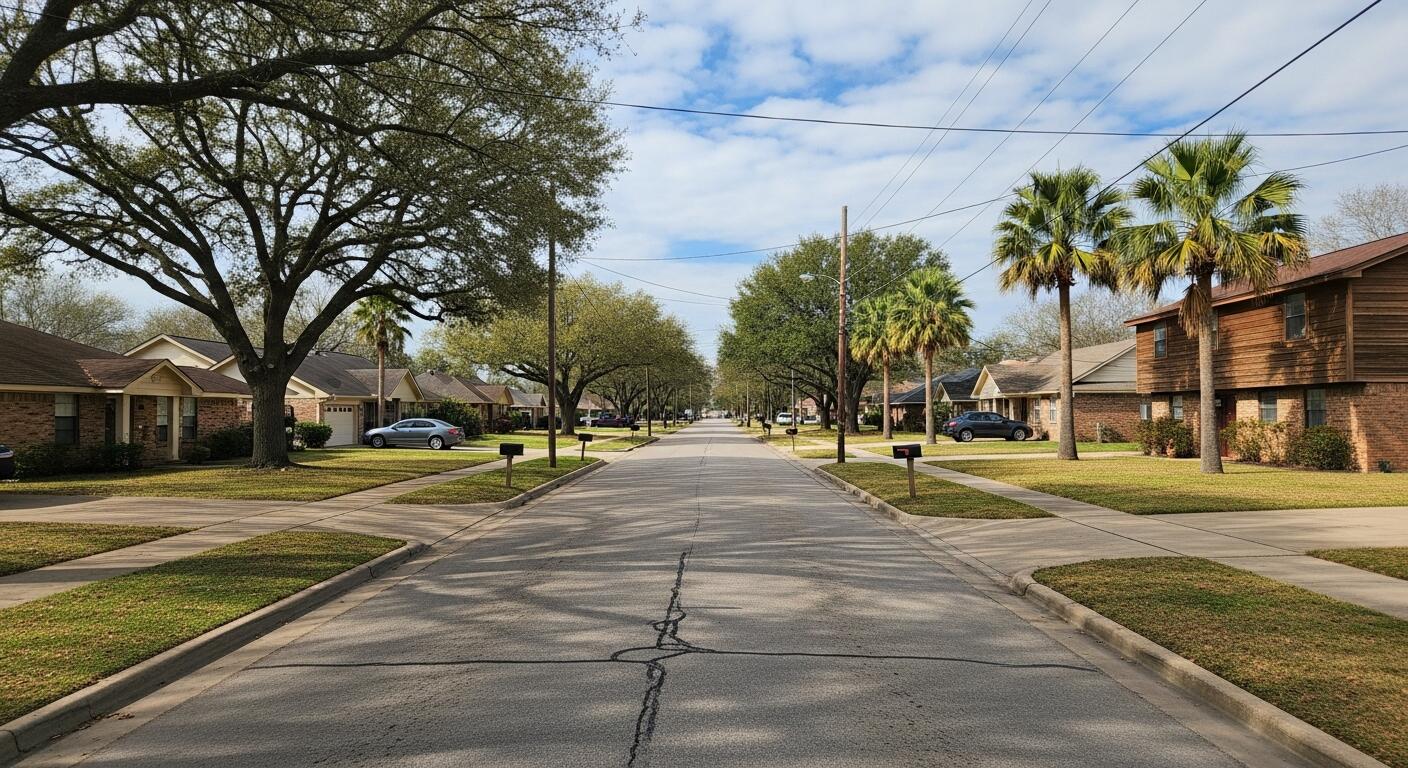
Much of Orange County's housing stock predates 1980, with a strong concentration of homes built between the 1940s shipbuilding boom and the 1970s petrochemical expansion. Newer construction clusters in Bridge City and Orangefield, often rebuilt after major flood events.
Common Construction Types
- Pier-and-beam homes - open crawlspaces that trap standing water and support mold growth on floor joists and subfloor
- Post-war slab-on-grade - water wicks upward into bottom plates and sheetrock, requiring flood cuts and cavity drying
- Elevated post-flood rebuilds - raised living space with exposed plumbing and ductwork vulnerable to freeze damage
- Brick veneer over wood frame - hides saturated sheathing behind an intact-looking exterior
- Manufactured and mobile homes - belly wrap holds water for weeks and complicates sewage decontamination
How Age Affects Restoration
- Pre-1980 materials may contain asbestos in floor tile, mastic, or popcorn ceilings, requiring testing before demolition
- Lead paint in older trim changes how fire and smoke cleaning is performed
- Original cast-iron drain lines are prone to collapse, making sewage backups recurring rather than one-time events
- Knob-and-tube remnants and aluminum branch wiring increase electrical fire risk
- Ductwork routed through humid attics spreads soot and mold spores throughout the house
Restoration plans here account for repeat-flood history - many properties have been dried more than once, and previous repairs sometimes concealed unresolved moisture behind new sheetrock.
Environmental Conditions & Damage Implications
Orange County averages roughly 60 inches of rain annually - among the wettest counties in Texas - with relative humidity frequently above 75 percent.
Climate and Moisture
- Long warm season means indoor drying rarely happens naturally; mechanical dehumidification is required
- Dew points in the 70s make outdoor air unusable for ventilation drying in summer
- Mold colonization can begin within 24 to 48 hours on wet cellulose materials
Soil and Drainage
- Heavy gumbo clay expands when wet and shrinks in drought, cracking slabs and drain lines
- Poor percolation keeps yard water sitting against foundations after storms
- High water tables limit how quickly crawlspaces and below-grade areas can drain
Water Quality Concerns
- Floodwater from bayous and the Sabine River often carries silt, agricultural runoff, and sewage - always treated as Category 3
- Septic systems on rural Mauriceville and Orangefield tracts surcharge during saturation, contaminating yards and crawlspaces
- Brackish surge water leaves salt residue that accelerates corrosion on fasteners, HVAC coils, and electrical panels
Air Quality Factors
- Industrial particulate from nearby refining corridors settles into HVAC systems and complicates post-fire soot testing
- High pollen and humidity combine with mold spores to worsen respiratory symptoms indoors
- Smoke odor bonds more aggressively to porous surfaces in humid conditions, requiring sealing and thermal treatment
Flood Recovery, Insurance Documentation, and Repeat-Loss Properties in Orange County
Few counties in Texas have filed more repetitive flood claims than Orange County. Homes in Bridge City, Rose City, and parts of Vidor have taken water from Rita, Ike, Harvey, and Imelda - sometimes all four.
That history changes how restoration is approached locally. Documentation matters as much as drying equipment, because homeowners are often working with flood policies, windstorm coverage, and disaster assistance at the same time.
What Local Experience Brings to a Claim
- Moisture readings recorded before, during, and after drying, mapped room by room
- Photo logs of flood cuts, contaminated material removal, and salvageable contents
- Clear separation of flood-related loss from wind-driven rain, which different policies handle differently
- Documented Category 3 classification when bayou water or sewage is involved
- Notes on pre-existing damage from prior events, which adjusters routinely question
Practical Recovery Sequence After a Flood
- Confirm the structure is safe - power off, gas checked, standing water assessed for contamination
- Extract water and remove saturated carpet, pad, and contaminated porous contents
- Perform flood cuts above the waterline and pull wet insulation from wall cavities
- Disinfect framing, slabs, and hard surfaces, especially where sewage was present
- Install dehumidifiers and air movers, monitoring readings daily until materials reach dry standard
- Verify no residual mold growth before insulation and sheetrock go back in
- Coordinate rebuild with elevation, flood vents, or closed-cell insulation where appropriate
Local crews also understand practical realities here - limited road access along FM 1442 during high water, temporary sewer restrictions after lift station failures, and the value of drying a pier-and-beam crawlspace before the next front rolls in. Mitigation planning frequently includes recommendations for flood-resistant materials, raised outlets, and improved yard drainage so the next storm causes less loss than the last.