Damage Restoration in Hardin County, TX
- Damage Restoration Services Overview
- Common Damage Restoration Issues in Hardin County, Texas
- Neighborhoods We Serve in Hardin County
- Seasonal Damage Patterns in Hardin County
- Housing Characteristics & Restoration Considerations
- Environmental Conditions & Damage Implications
- Flood and Storm Response for Hardin County Property Owners
Damage Restoration Services Overview
Water spreads through a Hardin County home faster than most owners expect - drywall wicks moisture upward within hours, and mold colonies can take hold in a day or two. Fast action protects your structure, your belongings, and your family's health.
Our team responds around the clock across Hardin County, handling every stage from emergency extraction through detailed sanitization and full reconstruction.
- Water Damage Restoration - extraction, structural drying, moisture mapping, and monitoring until materials return to normal readings
- Flooded Basement Cleanup - pump-out, contents removal, sump and drainage evaluation, and dehumidification of below-grade spaces
- Sewage Cleanup - removal of contaminated water and porous materials, antimicrobial treatment, and containment to protect clean areas
- Fire Damage Restoration - structural assessment, soot and ash removal, debris hauling, and rebuild of damaged framing and finishes
- Smoke Damage Restoration - odor neutralization, HVAC and duct cleaning, and surface-by-surface treatment of residue
- Mold Removal - containment barriers, HEPA filtration, safe material removal, and correction of the moisture source
Working with one crew from the first call through the final coat of paint keeps documentation consistent for your insurance carrier and shortens the time your household spends displaced.
Common Damage Restoration Issues in Hardin County, Texas
Sitting in the Piney Woods just north of Beaumont, Hardin County collects heavy rainfall, high humidity, and slow-draining clay soils - a combination that keeps restoration crews busy year-round.
Local Causes of Property Damage
- Tropical systems and stalled storm fronts dumping rain onto saturated ground near the Neches and Village Creek corridors
- Sheet flooding across low-lying properties in Kountze, Sour Lake, and Silsbee when bayous and creeks crest
- Sanitary sewer backups when municipal lines and septic fields exceed capacity during downpours
- Lightning strikes and electrical fires during spring and summer thunderstorm season
- Pine and hardwood limbs falling on roofs during high winds, opening the envelope to rain intrusion
- Condensation and duct sweating in humid crawl spaces and attics
Warning Signs Worth Acting On
- Musty, earthy odor that intensifies when the air conditioner cycles on
- Buckled laminate, cupped hardwood, or soft spots along baseboards
- Brown or yellow ceiling rings that reappear after painting
- Gurgling drains, slow toilets, or backflow at floor drains
- Persistent smoke smell in closets, upholstery, or return-air vents weeks after a small kitchen fire
- Peeling wallpaper, blistered paint, or dark speckling behind furniture on exterior walls
- Increased allergy symptoms, headaches, or congestion that improve when family members leave the house
Any one of these signs deserves a moisture reading before it turns into framing replacement.
Neighborhoods We Serve in Hardin County
Our crews cover the entire county and the surrounding communities of Southeast Texas, including rural properties down long private drives.
- Silsbee - older neighborhoods near downtown plus newer subdivisions along Highway 96
- Kountze - the county seat and surrounding properties bordering the Big Thicket National Preserve
- Lumberton - established and growing residential areas along Highway 69 and Village Creek
- Sour Lake - historic homes and acreage properties on the county's western edge
- Saratoga, Batson, Votaw, and Honey Island - rural homesteads, mobile homes, and farm structures
- Rose Hill Acres, Wildwood, and Thicket - lakefront, wooded, and low-density parcels
We also respond to nearby Beaumont, Vidor, Nederland, and Woodville when regional storms create widespread demand.
Seasonal Damage Patterns in Hardin County
Damage calls follow predictable rhythms across the year, and knowing them helps homeowners prepare.
- January - February: Occasional hard freezes burst uninsulated pipes in crawl spaces, attics, and outbuildings. Space heaters and fireplaces drive winter fire and smoke calls.
- March - May: Severe thunderstorms, hail, and straight-line winds tear shingles loose. Wind-driven rain enters attics, and lightning strikes start structural fires.
- June - August: Peak humidity keeps indoor moisture high. Mold growth accelerates behind vinyl wallpaper, under vinyl flooring, and in poorly ventilated closets. Air conditioner condensate line clogs flood hallways and utility closets.
- September - October: Hurricane and tropical storm season brings the heaviest flooding, sewage backups, and crawl space and basement water intrusion.
- November - December: Holiday cooking, candles, and wiring loads increase kitchen fires and smoke damage. Cooler air condensing on warm surfaces starts hidden mold.
Storm season overlaps with the greatest demand for restoration crews, so early contact matters when water enters your home.
Housing Characteristics & Restoration Considerations
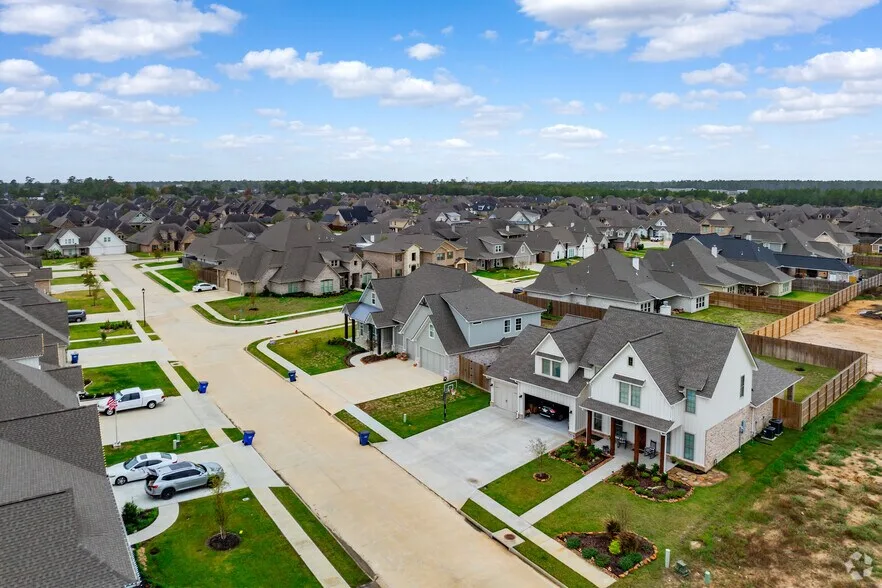
Hardin County housing spans pre-war farmhouses, 1960s-1980s ranch homes, brick-veneer subdivisions built in recent decades, and a substantial number of manufactured homes on rural lots. Each construction type responds differently to water, fire, and mold.
How Local Construction Shapes the Work
- Pier-and-beam foundations: Common in older Silsbee and Sour Lake homes. Crawl spaces trap standing water and humidity, requiring subfloor drying, vapor barrier replacement, and joist treatment.
- Slab-on-grade construction: Water travels under flooring and wicks up into wall cavities. Flooring often must come up for drying equipment to reach trapped moisture.
- Basements and below-grade storage: Less common but present on some properties, and the first area to flood when the water table rises.
- Manufactured homes: Vinyl-backed drywall and belly wrap hold moisture against framing, making rapid removal necessary rather than optional.
- Mid-century homes: May contain asbestos-bearing floor tile, mastic, or textured ceilings, plus lead paint - all requiring careful handling during fire and water demolition.
- Older wiring and ductwork: Knob-and-tube or aging aluminum wiring raises fire risk; ducts under slabs or in humid attics distribute smoke residue and mold spores throughout the house.
We document pre-existing conditions, materials, and moisture readings on every job so your carrier sees a clear picture of what caused the loss and what the rebuild involves.
Environmental Conditions & Damage Implications
Hardin County averages more than 55 inches of rain per year with humidity that regularly stays above 70 percent - conditions that make drying slower and mold growth faster than in drier parts of Texas.
Conditions That Shape Restoration Here
- Heavy annual rainfall: Saturated ground pushes water through foundation cracks and crawl space vents long after storms pass.
- Dense clay and gumbo soils: Poor percolation causes standing water around foundations, hydrostatic pressure, and slow-draining yards.
- High dew points: Ordinary air movement alone will not dry a structure. Commercial dehumidification is required to pull vapor out of the air.
- Pine pollen and organic debris: Clogs gutters and roof valleys, redirecting water into soffits and wall cavities.
- Gulf-influenced salt air: Corrodes condensers, flashing, and fasteners, shortening the life of exterior components and creating entry points for moisture.
- Shallow water tables near creeks and bayous: Keeps subfloors and crawl spaces damp between rain events.
- Septic systems in rural areas: Saturated drain fields back up into homes, turning a water loss into a category three contamination event.
Because of these conditions we monitor moisture daily, use containment and HEPA filtration on mold and sewage jobs, and address the source of water before closing walls back up. Drying to a standard - not a schedule - keeps mold from returning after the rebuild.
Flood and Storm Response for Hardin County Property Owners
Hardin County residents know the pattern: Village Creek and the Neches rise, roads close, and water enters homes from the ground up. Storm flooding brings mud, bacteria, and debris - never clean water - so the response has to treat it as contaminated from the first minute.
What Happens After You Call
- Immediate dispatch: We take calls 24/7 and stage equipment ahead of forecast storms so crews can reach Silsbee, Lumberton, Kountze, and outlying areas quickly.
- Safety and utility check: Electrical hazards, structural stability, and gas service are evaluated before anyone enters.
- Water extraction: Truck-mounted and portable units remove standing water from living areas, crawl spaces, and below-grade rooms.
- Contaminated material removal: Flood-soaked carpet, pad, insulation, and lower drywall come out, with cut lines documented for your adjuster.
- Cleaning and sanitization: Antimicrobial application on framing and subfloor, HEPA vacuuming, and air scrubbing throughout the affected zone.
- Structural drying: Dehumidifiers and air movers positioned by calculation, with daily moisture logs until materials hit dry standard.
- Reconstruction: Insulation, drywall, trim, flooring, and paint returned to pre-loss condition by the same team that did the mitigation.
Steps That Reduce Loss Before We Arrive
- Shut off electricity to flooded areas if the panel can be reached safely
- Move photographs, documents, and electronics to higher ground
- Photograph standing water levels and damaged contents for your claim
- Avoid walking through sewage-contaminated water without boots and gloves
- Keep the air conditioner running if it is safe - it helps limit humidity
Call 406-770-5373 or reach us online for emergency water, fire, smoke, sewage, and mold service anywhere in Hardin County.