
Damage Restoration in Silsbee, TX
- Damage Restoration Services Overview
- Common Damage Restoration Issues in Silsbee, Texas
- Neighborhoods We Serve in Silsbee
- Seasonal Damage Patterns in Silsbee
- Housing Characteristics & Restoration Considerations
- Environmental Conditions & Damage Implications
- Storm and Flood Response Planning for Hardin County Properties
Damage Restoration Services Overview
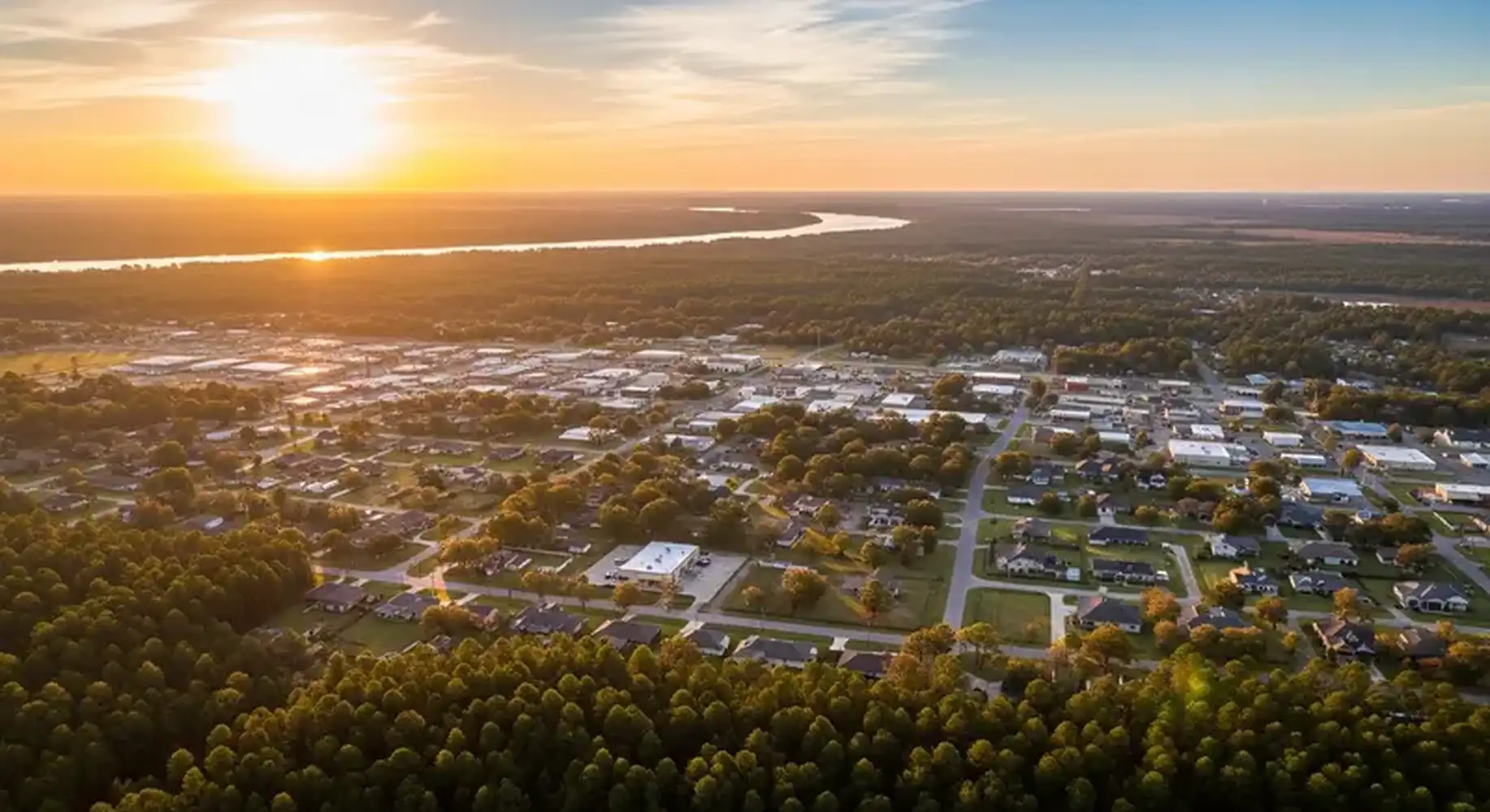
Silsbee sits in the Big Thicket region of Hardin County, where high annual rainfall, dense pine canopy, and heavy clay soils create restoration challenges that differ sharply from drier parts of Texas. Homes here absorb moisture from every direction - tropical downpours from the Gulf, groundwater pressure against slabs and pier-and-beam foundations, and humidity that rarely drops for long.
Property owners along Highway 96 and throughout the surrounding communities rely on a full range of restoration work, including:
- Water Damage Restoration - extraction, structural drying, and moisture mapping after storms, roof leaks, and supply-line failures
- Flooded Basement - pump-out and drying for below-grade rooms, storm cellars, crawlspaces, and sunken additions
- Sewage Cleanup - removal of Category 3 contamination from backed-up drains, failed septic fields, and municipal line surcharges
- Fire Damage Restoration - debris removal, structural stabilization, and content recovery after kitchen, electrical, or wildfire-related losses
- Smoke Damage Restoration - soot removal, odor neutralization, and HVAC decontamination
- Mold Removal - containment, remediation, and correction of the moisture source that fed the growth
The benefit of addressing these issues quickly in Silsbee is straightforward: humid Southeast Texas air lets microbial growth take hold fast, so early drying protects framing, flooring, insulation, and indoor air quality before secondary damage multiplies the scope of repair.
Common Damage Restoration Issues in Silsbee, Texas
Most losses in Silsbee trace back to water in some form - either falling from the sky, rising from saturated ground, or escaping from aging plumbing. Understanding the local triggers helps homeowners catch problems while they are still small.
Leading Causes of Damage Locally
- Tropical systems and remnant rain bands that push Village Creek and the Neches River basin toward flood stage
- Slow-draining clay soils that hold standing water against foundations for days after a storm
- Hail and wind events that open roof decking, allowing water into attics and wall cavities
- Septic systems and rural drain fields that surcharge during saturated ground conditions, driving sewage backups indoors
- Hard freezes like the February 2021 event, which split uninsulated supply lines in attics and exterior walls
- Pine straw and brush accumulation near structures that raises fire risk during dry late-summer stretches
- Kitchen and electrical fires in older wiring systems, producing widespread smoke and soot travel through ductwork
Warning Signs Worth Acting On
- Musty odor that intensifies when the HVAC cycles on
- Cupping, buckling, or dark staining along baseboards and flooring seams
- Bubbling paint, sagging ceiling texture, or nail-pop patterns near roof valleys
- Gurgling drains or slow tub drainage after heavy rain - a common precursor to sewage backup
- Persistent smoke odor weeks after a small fire, indicating soot residue trapped in porous materials
- Condensation on interior walls or visible growth behind furniture pushed against exterior walls
Catching any of these early usually means targeted drying and cleaning instead of demolition and rebuild.
Neighborhoods We Serve in Silsbee
Restoration crews respond across the full Silsbee area and the surrounding Hardin County communities, adapting methods to each area's housing stock and drainage conditions.
- Downtown Silsbee and the older residential blocks near Highway 327
- Neighborhoods along the Highway 96 South corridor
- Silsbee Heights and adjacent established subdivisions
- Rural acreage properties toward the Big Thicket National Preserve
- Lumberton, Kountze, and Village Mills to the south and west
- Honey Island, Bevil Oaks, and communities near Village Creek
- Sour Lake, Saratoga, and outlying Hardin County properties
- Nearby Jefferson County areas including Vidor and north Beaumont
Properties near creek bottoms and low-lying drainage cuts typically need flood-focused response, while in-town homes more often see plumbing failures, roof-driven water intrusion, and mold behind finished walls.
Seasonal Damage Patterns in Silsbee
Damage types in Southeast Texas follow a fairly predictable annual rhythm, which helps property owners plan inspections and maintenance.
- January - February: Freeze events split pipes in attics and exterior walls. Water damage calls spike sharply during and just after a hard freeze. Space heater and fireplace use raises fire and smoke damage risk.
- March - May: Spring thunderstorm season brings hail, wind-driven rain, and roof breaches. Saturated ground pushes water into crawlspaces and below-grade rooms.
- June - August: Peak humidity fuels mold growth in poorly ventilated attics, closets, and under-slab plumbing leaks. Air conditioning condensate line clogs cause quiet, slow ceiling leaks.
- August - October: Hurricane and tropical storm season. Flooding, sewage backup from overwhelmed septic fields, and widespread water intrusion dominate. Lightning strikes contribute to structure fires.
- November - December: Cooking fires and holiday electrical loads increase smoke damage calls. Cooler nights combined with warm interiors create condensation and hidden mold.
Scheduling roof, gutter, and plumbing checks before hurricane season and before the first freeze prevents the majority of avoidable losses.
Housing Characteristics & Restoration Considerations
Silsbee's housing stock reflects its history as a timber and railroad town, with a mix of mid-century wood-frame homes, 1970s and 1980s brick ranch construction, manufactured housing on rural lots, and newer slab-on-grade builds.
How Construction Type Shapes Restoration
- Pier-and-beam homes: Crawlspaces trap humidity and floodwater, so drying requires under-floor access, ventilation, and often subfloor removal. Mold colonizes joists quickly if standing water lingers.
- Slab-on-grade homes: Water wicks laterally beneath flooring and into bottom plates. Specialized mat systems and injection drying pull moisture from beneath adhered flooring and wall cavities.
- Older wood siding and shiplap walls: Layered materials hold moisture and soot deep in the assembly, requiring selective removal rather than surface cleaning.
- Manufactured homes: Belly wrap and lightweight framing hold water against insulation, demanding full inspection of the underbelly after any flooding.
- Homes with basements, storm cellars, or sunken rooms: These below-grade spaces drain slowly in clay soil and need pumping, sanitizing, and dehumidification.
Age-Related Concerns
- Cast iron and galvanized supply and drain lines that corrode and leak inside slabs
- Original aluminum or cloth-insulated wiring associated with elevated fire risk
- Pre-1980 materials that may contain asbestos or lead, requiring testing before demolition
- Undersized attic ventilation that traps humid air and encourages mold
Matching drying and cleaning methods to the actual assembly - rather than applying a single approach everywhere - is what keeps repairs contained and lasting.
Environmental Conditions & Damage Implications
Silsbee's environment is defined by heat, moisture, and dense soils - a combination that accelerates nearly every form of building damage.
Climate and Humidity
- Annual rainfall well above the Texas average, with frequent multi-inch rain events
- Relative humidity commonly staying elevated day and night for much of the year
- Long warm season that keeps material surfaces within the range where mold thrives
- Implication: passive air-drying rarely works here. Mechanical dehumidification and controlled airflow are the practical path to restoring materials to dry standard.
Soil and Groundwater
- Heavy clay content with poor percolation, holding water against foundations
- Seasonal shrink-swell movement that cracks slabs and separates plumbing joints
- High water table in low-lying areas near creeks and sloughs, contributing to crawlspace and below-grade seepage
- Septic drain fields that fail to absorb during wet periods, raising sewage backup risk
Air Quality and Contamination
- Pine pollen, spores, and organic debris that settle into HVAC systems and combine with moisture
- Floodwater in this region frequently carries agricultural runoff, septic content, and petrochemical residue, so it is treated as contaminated regardless of appearance
- Smoke residues bond aggressively to humid surfaces, requiring solvent-based cleaning and thermal odor treatment rather than simple wiping
Documenting these conditions with moisture meters, thermal imaging, and hygrometer readings gives an accurate picture of what materials can be saved and what must be removed.
Storm and Flood Response Planning for Hardin County Properties
When a tropical system stalls over Southeast Texas, restoration demand across Silsbee, Lumberton, and Kountze rises within hours. Property owners who understand the response sequence get cleaner outcomes and better documentation for their claims.
The Standard Response Sequence
- Safety assessment: Confirming electrical hazards, structural stability, and contamination category before entry.
- Source control: Stopping active intrusion through tarping, board-up, shutoff, or pump deployment.
- Water extraction: Removing bulk water from flooring, below-grade rooms, and crawlspaces with truck-mounted and portable equipment.
- Contamination classification: Sorting clean water from gray and sewage-contaminated water, which dictates whether materials are dried or discarded.
- Selective demolition: Removing saturated drywall, insulation, carpet pad, and unsalvageable materials to open cavities for drying.
- Structural drying: Placing air movers, dehumidifiers, and specialty drying systems, then monitoring readings daily until materials reach dry standard.
- Antimicrobial and odor treatment: Applying appropriate products, then addressing smoke or sewage odors at the source rather than masking them.
- Verification and documentation: Recording moisture logs, photos, and scope details that support the insurance file.
What Thoroughness Looks Like Here
- Checking wall cavities behind brick veneer, where trapped water hides from visual inspection
- Inspecting attic decking and insulation after wind or hail, not just the visible ceiling stain
- Pulling base trim and drilling weep holes rather than assuming surfaces dried on their own
- Cleaning HVAC returns and duct interiors after fire or sewage events to stop recontamination
- Confirming that the moisture source is corrected before any mold remediation is closed out
Preparation before storm season - clearing gutters, trimming limbs, testing sump equipment, elevating stored belongings, and photographing rooms for a baseline record - reduces both the severity of damage and the friction of recovery.





