Damage Restoration in Comal County, TX
- Damage Restoration Services Overview
- Common Damage Restoration Issues in Comal County, Texas
- Neighborhoods We Serve in Comal County
- Seasonal Damage Patterns in Comal County
- Housing Characteristics & Restoration Considerations
- Environmental Conditions & Damage Implications
- Flash Flood Response and Documenting Damage in Comal County
Damage Restoration Services Overview
You wake up to the sound of running water at 3 a.m., step into the hallway, and feel carpet squishing under your feet. A supply line behind the washing machine let go hours ago, and now the water has traveled into two bedrooms and down toward the garage. That kind of moment happens across Comal County more often than most homeowners expect - and what you do in the first few hours shapes the next several weeks.
Property damage in this part of Central Texas rarely arrives in one form. Storm runoff from the Comal and Guadalupe watersheds, aging supply lines in older New Braunfels homes, kitchen fires, and the humidity that follows any moisture event all create overlapping problems.
- Water Damage Restoration - extraction, structural drying, and moisture mapping after leaks, roof failures, or flooding
- Flooded Basement - pump-out and dry-down for basements, sunken garages, storm cellars, and below-grade storage rooms
- Sewage Cleanup - removal of contaminated material, disinfection, and safe disposal after backups or septic failures
- Fire Damage Restoration - debris removal, structural stabilization, and rebuilding after flame and heat damage
- Smoke Damage Restoration - soot removal, odor neutralization, and cleaning of contents affected by residue
- Mold Removal - containment, remediation, and correction of the moisture source feeding the growth
Handled together by one crew, these services keep documentation consistent and prevent gaps that lead to repeat problems.
Common Damage Restoration Issues in Comal County, Texas
Comal County sits where the Balcones Escarpment meets the coastal plain, and that geography drives much of the damage local crews respond to. Rain that falls on thin limestone soils runs off fast, funneling into creeks and rivers that rise quickly.
Water and Flooding Triggers
- Flash flooding along the Comal River, Guadalupe River, Dry Comal Creek, and smaller tributaries
- Runoff from Hill Country slopes overwhelming yard drainage in Bulverde, Spring Branch, and Canyon Lake neighborhoods
- Freeze events that burst uninsulated pipes in attics, exterior walls, and unheated garages
- Roof and flashing failures after hail and straight-line winds
- Water heater ruptures, refrigerator line splits, and failed washing machine hoses
Sewage and Backup Warning Signs
- Multiple slow drains at once, especially in the lowest fixtures of the house
- Gurgling toilets when the washing machine drains
- Odors near cleanouts, septic fields, or floor drains after heavy rain
- Standing water near lateral lines or drain fields following saturation
Fire, Smoke, and Mold Indicators
- Yellow-brown staining above outlets, doorframes, or HVAC returns after a small kitchen fire
- Persistent burnt odor that returns on humid days, signaling residue in soft goods and ductwork
- Grill and fire pit accidents on decks during dry summer stretches
- Musty smells in closets, behind baseboards, or under sinks weeks after a leak was "dried out"
- Buckled flooring, peeling tape joints, or dark spotting on ceiling drywall
Damage that looks contained on the surface often extends into wall cavities. Reporting through the Texas Division of Emergency Management iSTAT survey after a declared storm event also helps county officials map how widely a community was affected.
Neighborhoods We Serve in Comal County
Crews respond across the county, from riverfront properties to Hill Country acreage on caliche roads.
- New Braunfels - Downtown, Gruene, Comal Springs, Oak Run, Havenwood, Meyer Ranch, Veramendi, and Landa Park area homes
- Canyon Lake - Startzville, Sattler, Cranes Mill, Fischer, and the neighborhoods around Canyon Lake Dam
- Bulverde and Spring Branch - Johnson Ranch, Copper Ridge, Singing Hills, and surrounding ranchettes
- Garden Ridge - established subdivisions along FM 3009 and the Cibolo Creek corridor
- Smaller communities - Bracken, Schertz-adjacent areas, Hunter, Solms, and rural properties off FM 306, FM 1863, and Highway 46
Service extends to nearby Guadalupe, Hays, and Bexar county lines where storm systems rarely stop at jurisdictional boundaries.
Seasonal Damage Patterns in Comal County
Restoration work in this county follows a predictable rhythm shaped by Texas weather swings.
- Winter (December - February) - Hard freezes drive burst pipe calls in attics and exterior walls. Space heaters and fireplace use raise fire and smoke damage volume.
- Spring (March - May) - Peak severe weather. Hail, wind-driven rain, and flash flooding along the Comal and Guadalupe produce water damage, flooded basements, and sewage backups when systems surcharge.
- Summer (June - August) - Heat and humidity accelerate mold growth in any structure that was not fully dried. Grill fires, brush fires during burn bans, and AC condensate line overflows are common.
- Fall (September - November) - Tropical remnants push moisture inland, bringing another flooding stretch. Cooler nights plus warm interiors create condensation problems in crawlspaces and attics.
- Post-storm mold calls typically arrive two to three weeks after a flood event
- Smoke odor complaints spike as homes close up during the first cold snap
- Septic and lateral line failures cluster after multi-day soaking rains
Housing Characteristics & Restoration Considerations
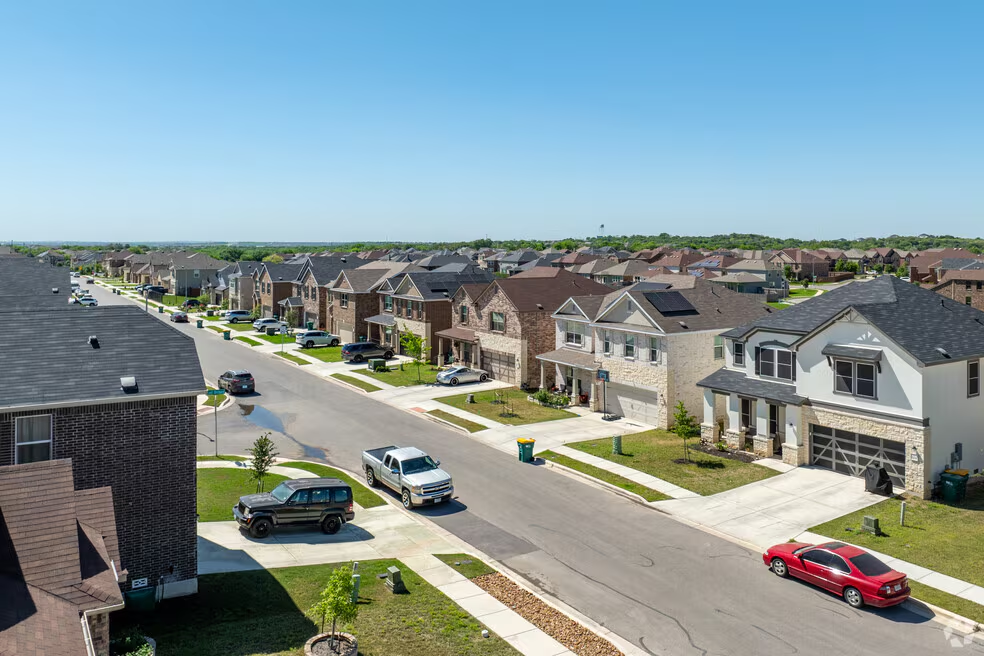
Comal County housing spans more than a century of building practice, and each era responds differently to water, fire, and microbial growth.
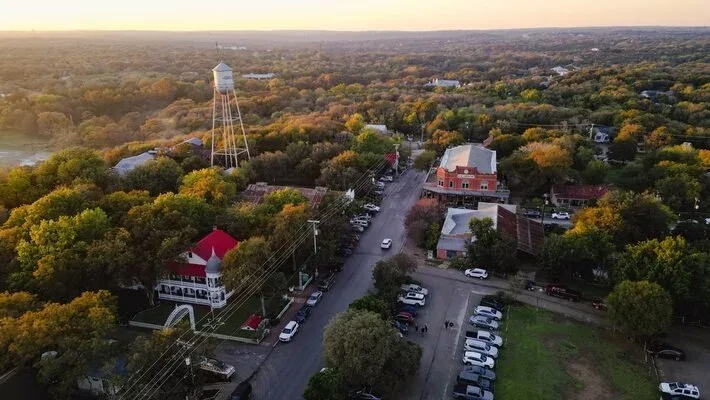
Older Homes in New Braunfels and Gruene
- Historic limestone, fachwerk, and early frame construction with plaster walls that hold moisture long after surfaces feel dry
- Pier-and-beam foundations with tight crawlspaces where standing water lingers
- Original galvanized or cast iron drain lines prone to backups requiring sewage cleanup
- Knob-and-tube or early wiring remnants that complicate fire damage assessment
Mid-Century and 1980s - 1990s Housing
- Slab-on-grade construction where water wicks into bottom plates and carpet tack strips
- Original ductwork in attics that spreads smoke residue and mold spores through the whole house
- Basements and partial below-grade rooms in hillside builds around Canyon Lake that trap runoff
Newer Subdivisions
- Engineered wood flooring and MDF trim that swell fast and rarely recover without replacement
- Tight building envelopes that hold humidity and smoke odor longer than older, leakier homes
- Multi-story layouts where an upstairs supply leak damages three levels before anyone notices
Restoration planning accounts for these differences - drying a plaster-and-stone wall assembly takes a different approach than drying a modern insulated cavity, and containment for mold removal must match the construction it sits inside.
Environmental Conditions & Damage Implications
Local climate and geology influence how quickly damage spreads and how long recovery takes.
Climate and Humidity
- Humid subtropical conditions with warm, moist air for much of the year
- Indoor relative humidity that easily climbs past the point where mold colonies establish within days
- Extreme rainfall variability - long dry stretches broken by intense downpours that drop several inches quickly
Soil and Geology
- Thin clay loams over Edwards limestone that shed water instead of absorbing it, increasing surface flooding
- Expansive clays in eastern portions of the county that shift with moisture cycles, stressing slabs and plumbing
- Karst features and fractured rock allowing water to move unpredictably beneath structures
Water and Air Quality Factors
- Floodwater from creeks and rivers frequently carries agricultural runoff, fuel, and bacteria, pushing it into Category 3 contaminated water territory
- Septic systems on rural acreage that surcharge when drain fields saturate
- Wildfire and brush fire smoke during dry seasons infiltrating homes through attic vents and gaps
- Fine soot particles binding to HVAC filters, insulation, and porous contents
These conditions mean drying alone is rarely enough. Contaminated water requires antimicrobial treatment and controlled removal of affected materials, while smoke residue demands cleaning methods matched to the fuel source rather than general surface wiping.
Flash Flood Response and Documenting Damage in Comal County
Comal County lives inside what hydrologists call Flash Flood Alley. The county manages six dams - including Krause, Vogel, Eikel Blank, and Schuetz - and several have decades of service behind them. When a storm cell parks over the escarpment, water moves fast, and homeowners downstream may have very little warning.
What to Do in the First Hours
- Confirm the structure is safe to enter - watch for sagging ceilings, compromised floors, and any contact between water and electrical systems.
- Shut off power to affected circuits at the panel if it can be reached safely, and close the main water supply if the source is a plumbing failure.
- Photograph and video everything before moving a single item, including standing water depth, damaged contents, and exterior conditions.
- Call for professional extraction rather than waiting for water to recede on its own.
- Avoid contact with floodwater or backed-up sewage without protective equipment.
- Move undamaged belongings to a dry area to limit secondary loss.
Reporting Through iSTAT
After declared flooding and severe weather events, the Texas Division of Emergency Management opens an iSTAT damage survey. Filing one helps local and state officials understand where damage occurred and how severely the community was hit, which factors into what recovery resources Comal County may qualify for later.
- Complete the survey for the specific flooding or severe weather event
- Upload the photos taken before cleanup began
- Submit even if damage appears minor - every report improves the countywide picture
- The survey is available in English and Spanish
An iSTAT report does not guarantee financial assistance and does not replace filing a claim with your insurance carrier. Restoration crews conducting damage assessments can help you build the documentation both processes require, from moisture readings to itemized loss lists.