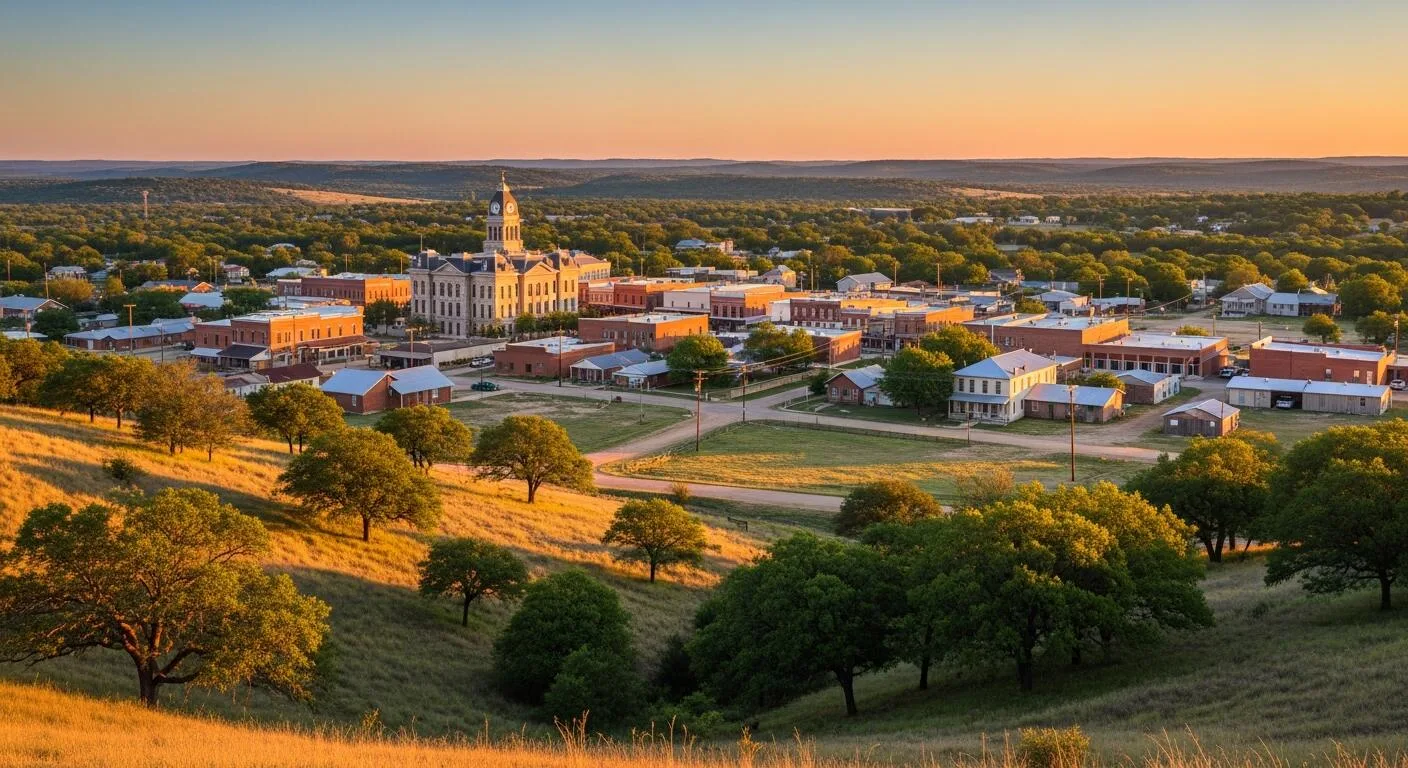
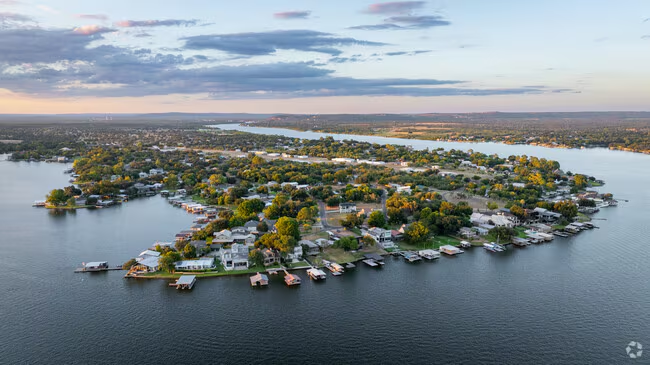
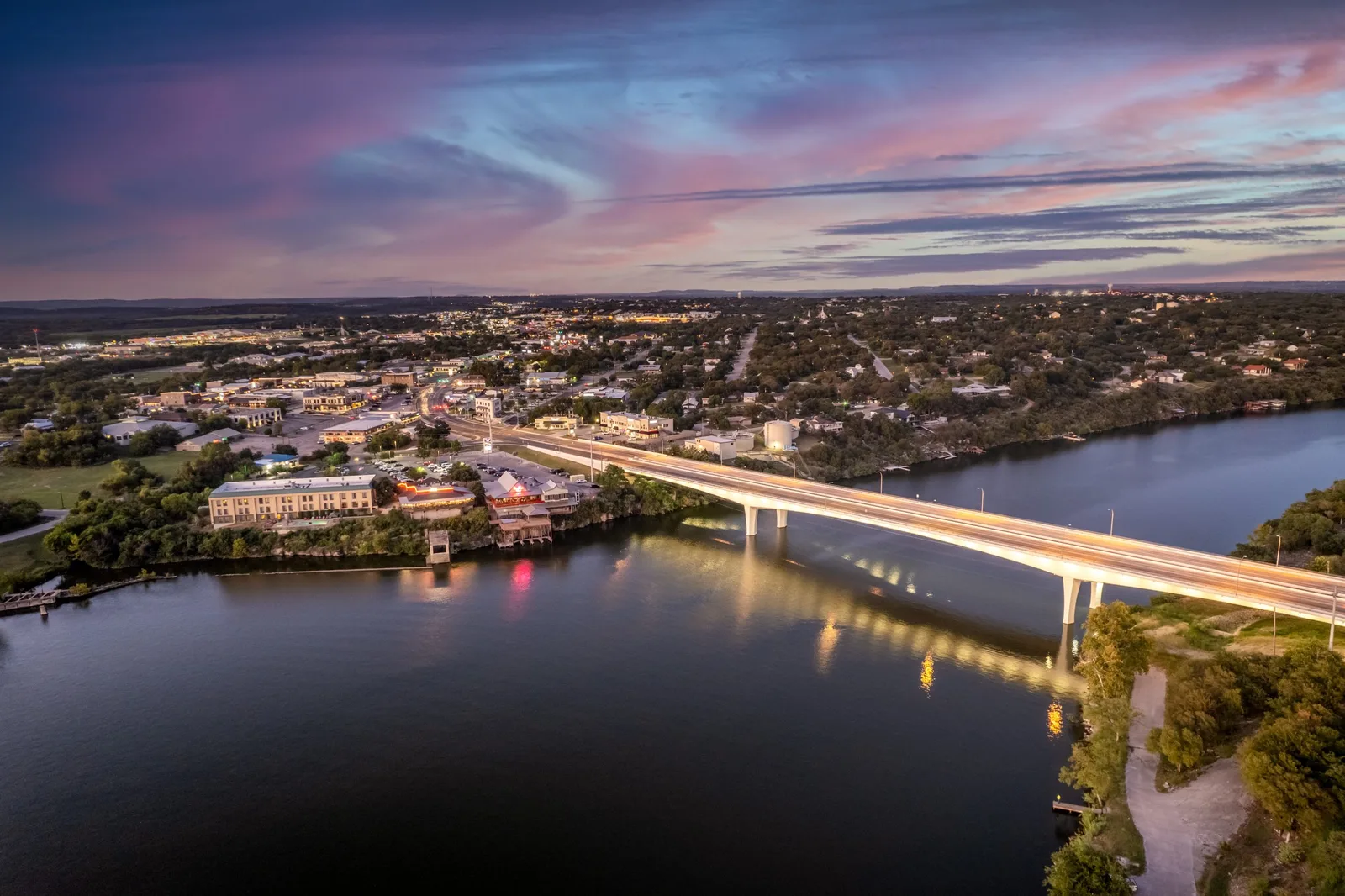
Damage Restoration in Burnet County, TX
- Damage Restoration Services Overview
- Common Damage Restoration Issues in Burnet County, Texas
- Neighborhoods We Serve in Burnet County
- Seasonal Damage Patterns in Burnet County
- Housing Characteristics & Restoration Considerations
- Environmental Conditions & Damage Implications
- Rapid Response and Insurance Documentation for Highland Lakes Property Owners
Damage Restoration Services Overview
When water pours through a ceiling in Marble Falls or smoke stains the walls of a ranch house outside Bertram, the first hour matters more than almost anything that follows. Professional restoration gives Burnet County property owners a clear plan, documented moisture readings, and a path back to a dry, clean, safe building.
Our teams handle the full range of property damage across the Highland Lakes region:
- Water Damage Restoration - extraction, structural drying, and moisture mapping after supply line breaks, roof leaks, and storm intrusion
- Flooded Basement - pump-out and drying for basements, walk-out lower levels, storm cellars, and crawl spaces along the lake slopes
- Sewage Cleanup - septic backups and sewer overflows removed, contaminated materials disposed of, and surfaces sanitized
- Fire Damage Restoration - board-up, debris removal, soot cleaning, and coordination toward rebuild
- Smoke Damage Restoration - odor counteracting, HVAC cleaning, and content treatment even where flames never reached
- Mold Removal - containment, air filtration, removal of colonized materials, and correction of the moisture source
Benefits for local homeowners and business operators include faster drying that limits secondary damage, thorough documentation for insurance adjusters, and reduced disruption to daily life. One call reaches technicians who work through every phase - from the first extraction hose to the final coat of paint.
Common Damage Restoration Issues in Burnet County, Texas
Burnet County sits in the heart of Flash Flood Alley, where thin limestone soils shed rainfall quickly into the Colorado River system, Lake Buchanan, and Inks Lake. That geography drives much of the damage we respond to.
Frequent Causes of Loss
- Intense spring and fall thunderstorms dumping several inches in a short window, overwhelming yard drainage and low-lying garages
- Creek and tributary rises along Hamilton Creek, the San Gabriel headwaters, and Backbone Creek
- Frozen and burst pipes during hard freezes, especially in homes with exposed plumbing in attics or unheated utility rooms
- Septic system failures on acreage properties when saturated ground prevents drain field absorption
- Aging water heaters, ice maker lines, and washing machine hoses failing while owners are away at work or traveling
- Wildfire, brush fire, and grill or fire pit incidents during dry, windy stretches
- Electrical faults and chimney fires in older stone and frame farmhouses
Warning Signs Worth Acting On
- Musty odor in closets, under sinks, or near an HVAC return
- Bubbling paint, cupping wood floors, or dark staining along baseboards
- Gurgling drains or slow toilets, often the first hint of a septic or sewer issue
- Persistent smoke smell that returns on humid days after a small kitchen fire
- Unexplained spikes in the water bill or a meter that turns with all fixtures off
- Condensation on ductwork or visible speckling on drywall in bathrooms
Waiting even a day or two lets clean water become contaminated and lets mold gain a foothold in Central Texas humidity.
Neighborhoods We Serve in Burnet County
Our response covers the entire county and the communities that ring the Highland Lakes:
- City of Burnet - downtown square, Delaware Springs, and surrounding subdivisions
- Marble Falls - Gregg Ranch, Meadowlakes, Horseshoe Bay north shore areas, and lakefront properties
- Bertram and Oatmeal - historic homes and rural acreage along Highway 29
- Granite Shoals and Highland Haven - lakeside cabins and full-time residences on Lake LBJ
- Cottonwood Shores and Spicewood Beach
- Buchanan Dam, Council Creek Village, and Lake Victor
- Briggs, Joppa, and Naruna - ranch properties and outlying homesteads
We also support neighboring Llano, Lampasas, Williamson, and Travis County properties, including commercial buildings, short-term rentals, churches, and small manufacturing sites throughout the region.
Seasonal Damage Patterns in Burnet County
Winter (December - February)
- Hard freezes burst attic and exterior-wall pipes, producing large-volume water losses
- Fireplace, space heater, and wiring fires increase, bringing soot and smoke odor work
Spring (March - May)
- Peak storm season with flash flooding, roof leaks, and flooded basements and crawl spaces
- Rising humidity accelerates mold growth in any structure dried improperly over winter
Summer (June - August)
- AC condensate line clogs and overflow pans soaking ceilings and closets
- Drought conditions raise brush fire and wildfire risk near rural properties
- Septic strain from full houses and lake visitors leading to backups
Fall (September - November)
- Tropical remnants and heavy October rains push creeks over their banks
- Mold discovered as homeowners open closed-up vacation homes
- Heating systems fired up for the first time push stored dust and smoke odors through ducts
Housing Characteristics & Restoration Considerations
Burnet County housing spans more than a century of building styles, and each type reacts differently to water, fire, and mold.
- Historic limestone and frame homes in Burnet and Bertram - lath and plaster, shiplap, and original wood floors hold moisture and require slow, controlled drying rather than aggressive demolition
- Mid-century ranch homes - slab-on-grade construction where water travels under flooring and wicks into wall cavities, calling for careful moisture mapping
- Lakefront properties on Lake LBJ, Inks, and Buchanan - hillside builds with lower levels, walk-out basements, boathouses, and crawl spaces prone to standing water
- Manufactured and modular homes on rural tracts - belly wrap traps water beneath the floor and hides mold growth for months
- Newer subdivisions in Marble Falls and Delaware Springs - engineered wood, PEX and CPVC plumbing, and tight envelopes that hold humidity when drying is incomplete
- Barndominiums and metal buildings - spray foam and batt insulation that must be removed when saturated
Restoration decisions follow the construction. Older homes may contain asbestos-containing materials or lead paint, requiring testing before removal. Slab homes often need mat drying systems for hardwood. Homes on septic need contaminated-water protocols rather than standard water damage cleanup. Vacation rentals and second homes benefit from moisture monitoring because losses often run undetected between guests.
Environmental Conditions & Damage Implications
Central Texas climate and geology shape how damage develops and how restoration must be performed.
Climate
- Humid subtropical summers with dew points that keep indoor humidity elevated, feeding mold within 24 to 48 hours of a leak
- Boom-and-bust rainfall - long dry spells followed by very heavy events, which is why soil cannot absorb sudden downpours
- Occasional hard freezes that Texas plumbing is not always designed to withstand
Soil and Geology
- Thin clay-loam over Hill Country limestone and granite outcrops, producing high runoff and fast creek rises
- Expansive clay in parts of the county that shifts foundations, opening cracks where groundwater enters lower levels
- Fractured limestone that channels water into crawl spaces and below-grade rooms in unpredictable paths
Water and Air
- Many properties rely on wells and septic systems, so backups involve biohazard handling and well disinfection concerns
- Hard, mineral-heavy water contributes to fixture and appliance failures
- Cedar pollen, dust, and wildfire smoke already stress indoor air, so post-fire soot and mold spores compound respiratory problems
These conditions mean drying targets must account for regional humidity, mold remediation requires containment and HEPA filtration, and smoke odor treatment often includes duct cleaning to keep particulate from recirculating.
Rapid Response and Insurance Documentation for Highland Lakes Property Owners
Rural addresses, gated lake communities, and long county roads make speed a genuine challenge in Burnet County - which is exactly why local crews with local knowledge matter. Response works best when the property owner and the restoration team move together.
What to Do Before Crews Arrive
- Stop the source if it is safe - shut off the main water valve or the fixture supply
- Kill power to affected rooms at the breaker if water is near outlets or panels
- Stay out of any area with sewage, structural damage, or lingering smoke
- Photograph and video everything before moving items, including standing water levels
- Move small valuables, electronics, and documents to a dry area
- Place foil or wood blocks under furniture legs to prevent staining on carpet
- Call your insurance carrier to open a claim and note the claim number
How the Restoration Process Unfolds
- Inspection with moisture meters and thermal imaging to map the true extent of saturation
- Water extraction, sewage removal, or fire debris and board-up as the loss requires
- Controlled demolition of unsalvageable drywall, insulation, flooring, and cabinetry
- Antimicrobial application, soot cleaning, or mold containment depending on the damage type
- Structural drying with air movers and dehumidifiers, monitored daily until readings hit dry standard
- Odor neutralization, HVAC cleaning, and content restoration
- Reconstruction - drywall, texture, paint, trim, and flooring to return the property to pre-loss condition
Throughout, daily moisture logs, photo records, and detailed scopes are shared with your adjuster. That documentation is what turns a stressful claim into an approved one, and it is the difference between a home that looks dry and a home that truly is.