
Damage Restoration in Marble Falls, TX
- Damage Restoration Services Overview
- Common Damage Restoration Issues in Marble Falls, Texas
- Neighborhoods We Serve in Marble Falls
- Seasonal Damage Patterns in Marble Falls
- Housing Characteristics & Restoration Considerations
- Environmental Conditions & Damage Implications
- Protecting Seasonal and Vacation Properties in the Highland Lakes
Damage Restoration Services Overview
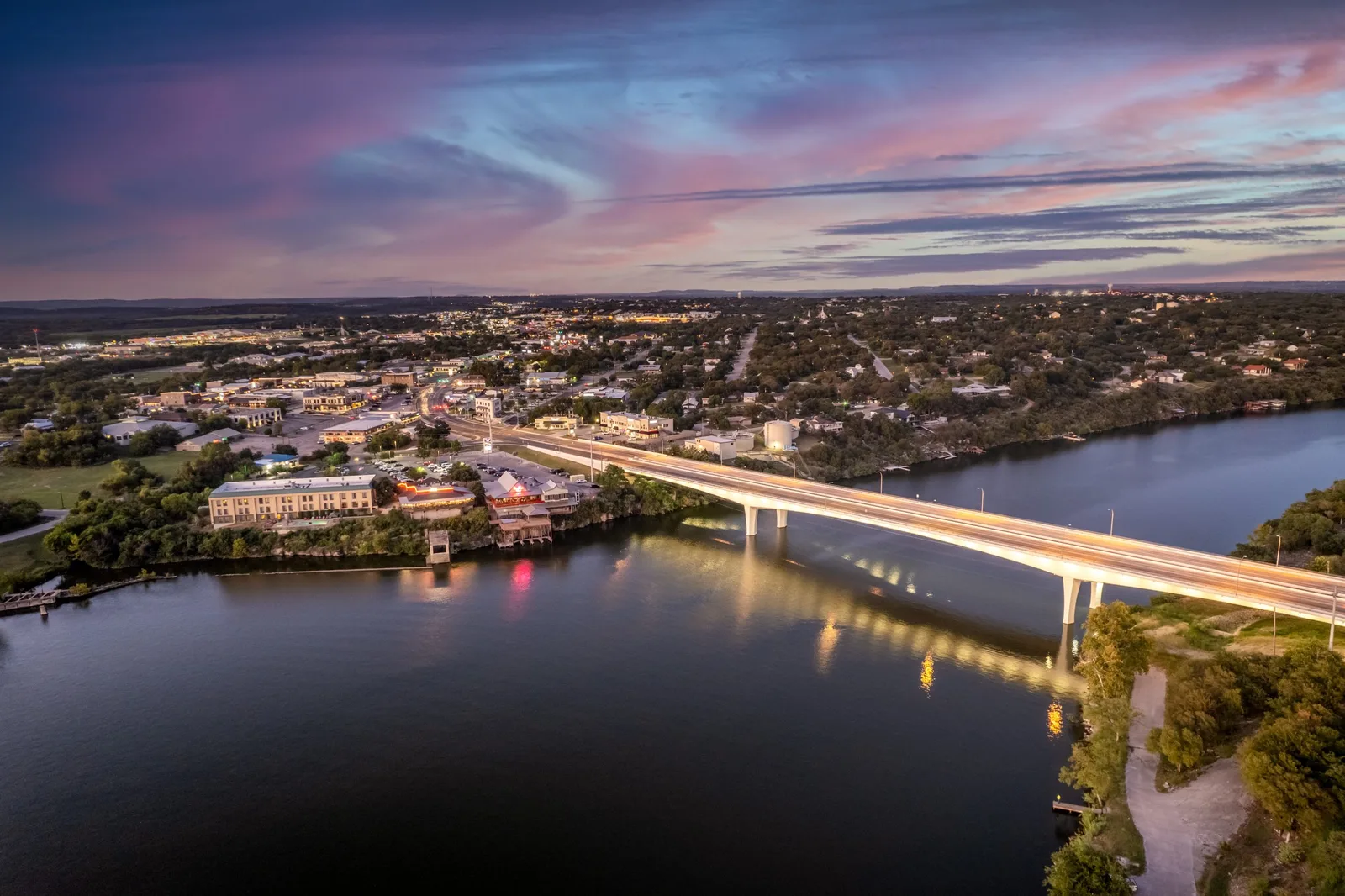
You open the door to your lake house after three weeks away and the air hits you first - heavy, sour, and wrong. A supply line under the kitchen sink let go sometime after the last visit, and now the flooring is cupped and the baseboards are dark.
That kind of discovery is common around Marble Falls, where second homes, weekend properties, and full-time residences all sit in the same demanding Highland Lakes climate. Restoration work here covers a wide range of emergencies:
- Water damage restoration - burst supply lines, failed water heaters, roof leaks, and appliance overflows
- Flooded basement and lower-level cleanup - hillside walkout levels, storm runoff intrusion, and sump failures
- Sewage cleanup - septic backups, lift station failures, and contaminated water extraction
- Fire damage restoration - structural cleaning, content recovery, and rebuild coordination
- Smoke damage restoration - soot removal, odor neutralization, and HVAC decontamination
- Mold removal - containment, remediation, and moisture source correction
Fast response matters more here than in many Texas markets. Warm air, lake humidity, and closed-up houses create ideal conditions for microbial growth within a day or two of any water event.
Common Damage Restoration Issues in Marble Falls, Texas
Burnet County properties face a specific mix of hazards driven by limestone terrain, lake proximity, and a climate that swings between drought and downpour.
Frequent Causes of Loss
- Flash flooding from Hill Country runoff moving fast over thin soil and rock
- Hard freezes that split uninsulated pipes in garages, attics, and exterior walls
- Septic system backups at rural and lakefront properties on older drain fields
- Unattended leaks in vacation homes that run for days or weeks before discovery
- Wildfire and brush fire smoke during dry, windy stretches
- Kitchen and fireplace fires in homes with heavy seasonal entertaining use
- HVAC condensate overflow during long, humid cooling seasons
Warning Signs Worth Acting On
- Musty odor that returns each time the house is closed up
- Cupped, buckled, or separating wood flooring near exterior doors
- Staining at ceiling penetrations, skylights, and around chimney chases
- Slow drains or gurgling fixtures pointing to septic or lateral line trouble
- Soot film on window glass, lampshades, or HVAC registers after any fire event
- Peeling paint or bubbling drywall tape at the base of walls
- Allergy symptoms that ease when you leave the property
Water intrusion rarely stays where you can see it. Limestone slabs, stone veneer, and stacked-stone foundations wick moisture sideways, so a small visible stain often marks a much larger wet area behind the finish.
Neighborhoods We Serve in Marble Falls
Restoration crews cover the city and the surrounding Highland Lakes communities, including waterfront subdivisions and rural acreage properties.
- Downtown Marble Falls and the historic Main Street district
- Meadowlakes and the golf course communities
- Horseshoe Bay and Lake LBJ waterfront properties
- Gregg Ranch, Woodland Park, and Blue Lake Estates
- Sunrise Beach Village and Granite Shoals
- Cottonwood Shores and Highland Haven
- Kingsland, Burnet, and Spicewood
- Lampasas and the surrounding county corridors
- Rural properties along RR 1431, US 281, and FM 2147
Property managers handling short-term rentals and absentee-owner homes often need coordinated scheduling between bookings. Crews work with caretakers and remote owners to document conditions and keep projects moving when nobody is on site.
Seasonal Damage Patterns in Marble Falls
Winter (December - February)
- Frozen and ruptured pipes during Hill Country hard freezes
- Fireplace, chimney, and space heater fires with resulting smoke damage
- Water losses discovered late in unoccupied seasonal homes
Spring (March - May)
- Heavy thunderstorm runoff and flash flooding into lower levels
- Roof and window leaks from hail and wind-driven rain
- Rising humidity triggering mold growth in previously wet materials
Summer (June - August)
- HVAC condensate line clogs and drain pan overflows
- Mold blooms in closed-up houses between visits
- Brush fire and grill-related fire and smoke incidents
- Septic strain from peak occupancy at rental properties
Fall (September - November)
- Tropical remnant rainfall producing sudden flooding
- Sewage backups after saturated ground overwhelms drain fields
- Post-summer mold discovery as owners return and reopen houses
Housing Characteristics & Restoration Considerations
Marble Falls housing stock spans mid-century cottages near downtown, 1980s and 1990s lake homes, and newer subdivision construction built in the last two decades. Each group responds differently to water, smoke, and microbial damage.
Older Homes (pre-1980)
- Galvanized or early copper plumbing prone to pinhole leaks
- Original wood windows and door frames that swell and rot
- Potential asbestos-containing flooring and texture requiring careful handling
- Cellulose and batt insulation that holds water and feeds mold
Lake Homes and Hillside Builds
- Walkout lower levels and daylight basements exposed to slope runoff
- Stone and stucco exteriors that trap moisture behind cladding
- Extensive decking, screened porches, and boathouse structures
- Long vacancy periods that delay leak discovery
Newer Subdivision Construction
- Post-tension slabs that complicate under-slab leak repair
- Tight building envelopes that hold humidity when systems fail
- Engineered wood flooring with limited tolerance for saturation
- Open floor plans that allow smoke and soot to travel building-wide
Many properties in the area rely on septic systems and private wells. That changes the approach to sewage cleanup - contamination control, disinfection, and disposal follow different steps than a city-sewer loss, and affected porous materials are usually removed rather than dried in place.
Environmental Conditions & Damage Implications
The Highland Lakes climate cycle is the defining issue for restoration outcomes here. Days are hot and bright, nights pull humidity off the water, and the swing between those two states drives moisture into building materials.
Climate Factors
- Intense reflected sun off Lake Marble Falls and Lake LBJ that bakes exterior finishes
- Overnight lake humidity that swells joints, trim, and wood flooring
- Long cooling seasons producing steady condensate volume
- Occasional hard freezes that catch under-insulated plumbing
Soil and Water Conditions
- Thin soil over limestone that sheds rainfall quickly into low areas
- Karst features and rock fractures that route water in unpredictable directions
- Hard, mineral-heavy water that leaves scale and accelerates fixture failure
- Expansive clay pockets that stress slabs and underground lines
What This Means for Restoration
- Drying targets must account for elevated ambient humidity, not just wet materials
- Dehumidification often runs longer than in drier inland markets
- Mold containment matters even for small water losses in closed-up homes
- Smoke odor lingers in humid conditions and requires thorough deodorization of HVAC systems
Moisture readings are documented throughout the process so drying decisions rest on data rather than appearance.
Protecting Seasonal and Vacation Properties in the Highland Lakes
A large share of Marble Falls homes sit empty for weeks at a time. That single fact changes almost everything about how damage develops and how restoration is handled.
Why Unoccupied Homes Suffer Worse Losses
- A leak that would be caught in minutes runs unnoticed for days
- Thermostats set high in summer allow humidity to build indoors
- Closed windows and idle HVAC systems concentrate musty odors
- Septic systems sit idle then face heavy weekend loads
- Smoke residue from a small kitchen fire settles and bonds to surfaces before anyone returns
Steps to Take Before Closing Up a Property
- Shut off the main water supply and drain exposed lines
- Set the HVAC to a humidity-controlling temperature rather than the highest setting
- Install water sensors under sinks, at water heaters, and near washing machines
- Clear HVAC condensate lines and confirm the drain pan is dry
- Have the septic system inspected before and after peak season
- Arrange periodic walkthroughs by a caretaker or neighbor
- Photograph the interior so pre-loss condition is documented
How Remote Owners Stay Informed
- Photo and moisture documentation shared throughout the project
- Direct coordination with property managers and rental calendars
- Scope details supplied in the format insurance carriers expect
- Containment planning that lets unaffected areas stay usable
Work available around the clock means a discovered leak or fire does not have to wait for a weekday. Emergency mitigation - extraction, board-up, containment, and stabilization - starts the same visit, which limits secondary damage and keeps a manageable loss from turning into a full reconstruction.





