
Damage Restoration in Orange, TX
- Damage Restoration Services Overview
- Common Damage Restoration Issues in Orange, Texas
- Neighborhoods We Serve in Orange
- Seasonal Damage Patterns in Orange
- Housing Characteristics & Restoration Considerations
- Environmental Conditions & Damage Implications
- Insurance Documentation and Restoration Standards for Orange Property Owners
Damage Restoration Services Overview
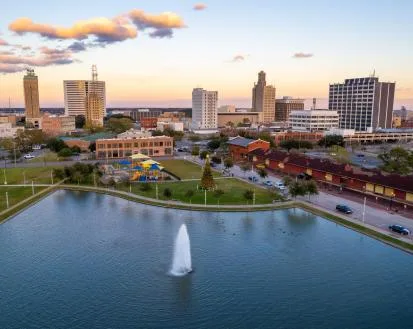
Orange sits at the eastern edge of Texas along the Sabine River, and the city's 20.8 square miles receive more than 55 inches of rain in a typical year - roughly double the national average. That volume of water, combined with Gulf humidity that rarely drops below 70 percent, makes property damage a recurring reality rather than a rare event for homeowners and business owners across Orange County.
Full-service restoration in Orange covers the entire arc of a loss, from the first extraction pass to the final coat of paint:
- Water damage restoration - burst supply lines, roof leaks, appliance failures, and storm intrusion
- Flooded basement and below-grade cleanup - crawl spaces, sunken garages, storm shelters, and slab-level flooding
- Sewage cleanup - backups from overloaded municipal lines, failed lift stations, and saturated septic fields
- Fire damage restoration - structural stabilization, debris removal, and rebuild coordination
- Smoke damage restoration - soot removal, thermal fogging, HVAC decontamination, and odor neutralization
- Mold removal - containment, air scrubbing, material removal, and post-remediation verification
Acting quickly protects framing, flooring, and drywall, limits secondary microbial growth, and gives insurance adjusters a documented record of the loss from day one.
Common Damage Restoration Issues in Orange, Texas
Orange properties face a stacked set of risks - low elevation, heavy rainfall, aging plumbing, and near-constant humidity all working together.
What Causes Most Losses Here
- Tropical systems and heavy rain events - Hurricanes Rita, Ike, Harvey, and Laura all pushed water into Orange neighborhoods, and street flooding follows even ordinary summer downpours.
- Sabine and Neches river backwater - rising river stages slow drainage and hold standing water against foundations.
- Burst pipes and supply line failures - January hard freezes crack exposed lines under piers and in unheated utility rooms.
- Sewage backups - saturated soil overloads city lines and septic fields, pushing contaminated water into tubs, floor drains, and crawl spaces.
- Electrical and kitchen fires - older wiring in mid-century homes and space heater use during cold snaps.
- Persistent mold growth - humidity alone can sustain colonies once a material stays damp past 48 hours.
Warning Signs Worth a Phone Call
- Musty or earthy odor that returns after cleaning, especially near baseboards or closets
- Cupping or crowning hardwood, soft spots in laminate, or lifting vinyl seams
- Brown ceiling rings, bubbling paint, or drywall tape releasing at joints
- Slow drains or gurgling toilets during rain - an early sign of sewer surcharge
- Lingering smoke smell that intensifies when the air conditioner runs
- Condensation on interior walls or supply registers
Neighborhoods We Serve in Orange
Restoration crews respond throughout the city and the wider Orange County corridor, including areas near the chemical plants and refineries that anchor the local economy.
- West Orange - established residential streets with frequent water and mold calls
- Pinehurst - slab-on-grade subdivisions prone to sheet flow flooding
- Little Cypress and Mauriceville - low-lying rural properties with septic and crawl space concerns
- Bridge City and Orangefield - storm surge and sewage backup exposure
- Downtown Orange and the Riverside Historic District - older wood-frame and masonry structures
- Rose City, Vidor, and the Cove
- Surrounding Beaumont-Port Arthur metro communities - Beaumont, Nederland, Port Neches, and Groves
Coverage extends to commercial corridors along MacArthur Drive, 16th Street, and Interstate 10, where office suites, retail spaces, restaurants, and industrial support buildings need cleanup that limits downtime.
Seasonal Damage Patterns in Orange
Winter (December - February)
- Frozen and burst pipes during Gulf Coast hard freezes
- Fire and smoke damage from heaters, fireplaces, and overloaded circuits
- Slab leaks revealed when soils shift after cold snaps
Spring (March - May)
- Severe thunderstorms, hail, and wind-driven rain through roofs and windows
- Flooded crawl spaces and below-grade storage as groundwater rises
- First heavy mold calls as temperatures and dew points climb
Summer (June - August)
- Peak mold growth season - condensate line clogs and undersized air conditioning
- Lightning strikes causing attic and electrical fires
- Early tropical systems bringing flooding and sewage surcharge
Fall (September - November)
- Hurricane season peak - the highest volume of flood and storm restoration work
- Sewage backups from saturated ground and overwhelmed lift stations
- Smoke damage from generators, grills, and improvised cooking after outages
Housing Characteristics & Restoration Considerations
Orange's housing stock reflects its lumber-boom past and its post-war industrial expansion. A large share of homes date to the 1940s through the 1970s, with pockets of Victorian and Craftsman construction near the historic district and newer slab-built subdivisions on the outskirts.
How Construction Type Shapes the Work
- Pier-and-beam homes - vented crawl spaces trap humid air, so water losses often require sub-floor drying, insulation removal, and vapor barrier replacement.
- Slab-on-grade homes - water travels under flooring and wicks up drywall; extraction alone rarely dries the assembly without cavity drying equipment.
- True basements are uncommon in Southeast Texas, so "flooded basement" work here usually means storm shelters, sunken garages, crawl spaces, or below-grade utility rooms.
- Original wood siding and shiplap interiors - highly absorbent and prone to mold once wet.
- Older wiring, including knob-and-tube and early aluminum - raises fire risk and requires electrical clearance before restoration begins.
- Pre-1980 finishes - asbestos-containing floor tile, mastic, and popcorn ceilings plus lead-based paint call for testing before demolition.
Repeat-Flood Properties
Many Orange homes have flooded more than once. Previously repaired walls sometimes hide unremediated mold behind new drywall, which is why moisture mapping and cavity inspection matter more here than in most Texas markets. Elevated homes still need attention to ductwork, skirting, and utility penetrations where contaminated water enters.
Environmental Conditions & Damage Implications
The environment around Orange works against drying and in favor of microbial growth almost year-round.
Climate and Moisture
- Humid subtropical conditions with dew points in the 70s for much of the summer
- Annual rainfall well above the national average, concentrated in intense events
- Elevation only a few feet above sea level, slowing runoff and drainage
- Outdoor air often too humid to be useful for drying, making closed-system dehumidification necessary
Soil and Groundwater
- Heavy clay and gumbo soils that swell when wet and shrink when dry, stressing slabs and plumbing
- High water table that pushes moisture upward through concrete by capillary action
- Poor percolation that keeps septic fields saturated and increases sewage backup risk
Air Quality Factors
- Petrochemical and industrial activity contributes particulates that combine with soot after fire events
- Pollen and organic debris feed mold colonies inside damp wall cavities
- Flood water in industrial corridors may carry fuel, oil, and chemical residue, requiring category-based cleaning protocols
These conditions mean drying targets, containment, and clearance testing should be measured with meters and hygrometers rather than assumed - a wall that feels dry in Orange is frequently still holding moisture behind the surface.
Insurance Documentation and Restoration Standards for Orange Property Owners
Restoration work in a repeat-flood region has to satisfy two audiences: the science of drying and the scrutiny of an insurance adjuster. Both are handled best with documentation gathered from the first hour on site.
The Standards That Guide the Work
- IICRC S500 - water damage restoration, including the three water categories and four damage classes that determine equipment and demolition scope
- IICRC S520 - mold remediation, covering containment, negative air pressure, and post-remediation verification
- IICRC S700 - fire and smoke restoration, including soot classification and appropriate cleaning methods
- EPA and Texas Department of State Health Services guidance for mold assessment and remediation licensing in Texas
How a Documented Claim Comes Together
- Emergency contact and same-day site inspection with photo and video capture before any material is removed
- Moisture mapping with penetrating meters and thermal imaging to define the affected area
- Water category classification - clean, gray, or black - which drives whether sewage protocols apply
- Extraction, controlled demolition, and placement of air movers and dehumidifiers
- Daily moisture logs and equipment readings recorded for the carrier
- Third-party clearance testing where mold or sewage contamination was present
- Reconstruction scope written in line-item format adjusters recognize
Cost Ranges in the Orange and Beaumont Area
Residential projects commonly run from roughly $800 for a contained water or smoke cleanup to $10,000 or more when structural repairs, full mold remediation, or fire rebuild work is involved. Commercial losses in offices, retail spaces, and industrial support buildings generally range from about $1,500 to $25,000 or more depending on square footage and downtime requirements. Humidity raises the total whenever drying is delayed, which is the strongest argument for calling within the first 24 to 48 hours.





