
Damage Restoration in Rio Grande City, TX
- Damage Restoration Services Overview
- Common Damage Restoration Issues in Rio Grande City, Texas
- Neighborhoods We Serve in Rio Grande City
- Seasonal Damage Patterns in Rio Grande City
- Housing Characteristics & Restoration Considerations
- Environmental Conditions & Damage Implications
- Working With Your Insurance Claim in Starr County
Damage Restoration Services Overview
Water that sits for a weekend rarely stays a water problem. In Rio Grande City's heat and humidity, saturated drywall becomes a mold colony within days, subfloors warp, wiring corrodes, and smoke residue etches permanent staining into ceilings and cabinet finishes. What starts as a manageable repair turns into a structural rebuild - and insurance carriers grow far less cooperative when documentation shows a delay.
Our teams handle the full range of property loss across Starr County and the wider RGV:
- Water Damage Restoration - source identification, leak shutoff, extraction, structural drying, and rebuild of damaged drywall, insulation, and flooring.
- Flooded Basement and below-grade cleanup - pump-out, dehumidification, and mold prevention for cellars, storm shelters, sunken garages, and slab-below rooms.
- Sewage Cleanup - contaminated water removal, disinfection, and safe disposal of porous materials touched by Category 3 water.
- Fire Damage Restoration - debris removal, structural stabilization, and reconstruction after kitchen, electrical, or brush fires.
- Smoke Damage Restoration - soot removal, thermal fogging, HVAC cleaning, and odor neutralization.
- Mold Removal - containment, antimicrobial treatment, removal of affected materials, and correction of the moisture source.
The benefit for homeowners is straightforward: one crew from emergency response through final repaint, with photo documentation and moisture logs prepared for your insurance claim.
Common Damage Restoration Issues in Rio Grande City, Texas
Rio Grande City sits on the bluffs above the river in Starr County, where intense rainfall events, aging infrastructure, and year-round humidity combine to create predictable loss patterns.
Frequent Causes of Property Damage
- Flash flooding - short, violent downpours overwhelm caliche soil and street drainage, pushing water into garages, additions, and low-lying homes near arroyos.
- Roof and window intrusion - straight-line winds and hail loosen flashing, letting storm water travel down wall cavities before anyone sees a stain.
- Supply line and water heater failures - hard water corrodes fittings and tank bottoms, producing overnight floods.
- Sewer backups - grease, root intrusion, and heavy rain infiltration surcharge older laterals, sending contaminated water into tubs and floor drains.
- AC condensate overflow - clogged drain lines in units that run nine months a year saturate ceilings and closets.
- Kitchen and electrical fires - grease flare-ups and overloaded circuits in older homes generate smoke damage far beyond the burn area.
- Brush and grass fires - dry-season fires near rural properties push smoke and soot into attics and HVAC systems.
Warning Signs Worth Acting On
- Musty odor that intensifies when the AC cycles on
- Bubbling paint, sagging drywall tape, or a soft spot in a ceiling
- Unexplained jumps in the water bill with no visible leak
- Gurgling drains or slow tub drainage after heavy rain
- Yellow-brown soot film on window glass, vents, or above door frames
- Persistent allergy symptoms that ease when you leave the house
Neighborhoods We Serve in Rio Grande City
Crews dispatch the same day throughout Starr County and neighboring communities.
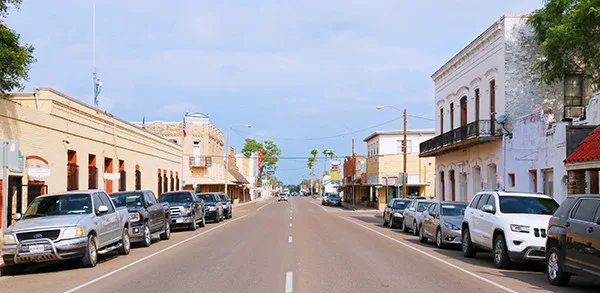
- Downtown Rio Grande City and the Fort Ringgold historic area
- Residential streets along US-83, Highway 755, and FM 3167
- Neighborhoods near Rio Grande City High School and the Roma-Los Saenz corridor
- Garciasville, La Grulla, Escobares, and Salineño
- Roma, Los Ebanos, Sullivan City, and La Rosita
- Rural colonias and ranch properties north of the city toward Falcon Heights
- Surrounding Hidalgo County communities including Mission, Palmview, and Peñitas
Because response time drives cost and severity, we stage extraction units, air movers, and dehumidifiers regionally rather than routing everything from a single hub. That matters most for sewage cleanup and flooded lower levels, where every hour of standing contaminated water expands the scope of demolition required.
Seasonal Damage Patterns in Rio Grande City
Loss types here follow the calendar closely, and knowing the pattern helps homeowners get ahead of it.
- March through May - spring thunderstorms and hail bring roof leaks, wind-driven rain intrusion, and the first wave of water damage calls. Ceiling stains that appear now often hide wet insulation.
- June through September - peak humidity and tropical moisture. Flash flooding fills garages and below-grade rooms, sewer systems surcharge, and mold growth accelerates in any material that stays damp more than 48 hours. AC condensate failures spike.
- August through October - hurricane and tropical storm season. Extended power outages stop sump pumps and dehumidifiers, compounding flood and sewage losses.
- November through January - heating equipment, space heaters, and holiday cooking drive kitchen and electrical fires, followed by widespread smoke damage restoration work.
- January through March - occasional hard freezes crack exposed supply lines and outdoor plumbing on homes with minimal pipe insulation, causing sudden interior flooding on thaw.
- February through April - dry, windy conditions raise brush fire risk on rural and ranch properties.
Housing Characteristics & Restoration Considerations
Rio Grande City's housing stock spans century-old brick and adobe structures near the historic downtown, mid-century frame homes, and newer slab-on-grade subdivisions. Each construction type changes how water and smoke move through a building.
How Local Construction Affects Restoration
- Slab-on-grade foundations dominate the area. Water spreads laterally under flooring rather than draining down, so we lift carpet pad, drill weep holes, and dry the slab surface directly instead of assuming evaporation will handle it.
- Few true basements exist, but sunken garages, storm cellars, utility pits, and split-level additions flood the same way and need pump-out plus aggressive dehumidification.
- Older masonry and stucco walls hold moisture behind the finish. Thermal imaging and penetrating meters find saturation that surface inspection misses.
- Cast iron and clay sewer laterals in older neighborhoods crack and root-intrude, making backups more likely and requiring full disinfection of affected framing.
- Blown-in attic insulation absorbs both water and smoke odor. It rarely survives a significant loss and is bagged and removed rather than dried.
- Open floor plans and central HVAC distribute soot and mold spores building-wide, so duct cleaning is standard after fire and smoke events.
- Manufactured and mobile homes in outlying areas have vulnerable belly wrap and underfloor insulation that traps water indefinitely.
Every project ends with reconstruction - drywall, insulation, trim, flooring, and paint - so you are not left holding a dried-out shell and a separate contractor search.
Environmental Conditions & Damage Implications
The environment around Rio Grande City works against a drying property in several specific ways.
- Subtropical humidity - ambient moisture frequently sits high enough that opening windows adds water to a structure. Closed-drying systems with commercial dehumidifiers are the only reliable approach.
- Extended heat - warm, damp cavities are ideal for mold. Visible growth can appear on drywall paper within two to three days of a leak.
- Caliche and clay soils - low permeability means rainfall runs off rather than soaking in, concentrating flooding around foundations and driveways. Clay movement also stresses slabs and buried plumbing.
- Hard, mineral-heavy water - scale accelerates corrosion in water heaters, supply lines, and appliance hoses, a common cause of sudden indoor flooding.
- River proximity and irrigation canals - floodwater in this area often carries silt, agricultural runoff, and bacteria, which elevates cleanup to contaminated-water protocols.
- Dust and agricultural particulates - already-loaded HVAC systems bind smoke residue faster, intensifying lingering odor after a fire.
Our response accounts for these conditions directly: moisture readings logged daily, antimicrobial treatment applied to all affected framing and subfloor, containment barriers to keep spores out of unaffected rooms, and negative air machines running during any mold removal or sewage cleanup. Materials that cannot be verified dry and clean are removed rather than sealed over.
Working With Your Insurance Claim in Starr County
After a major storm event, adjusters in the Rio Grande Valley are handling hundreds of claims at once, and cleanup timelines stretch out for weeks. Homeowners who document poorly - or wait for approval before mitigating - often see coverage reduced for secondary damage that could have been prevented.
How We Keep the Process Transparent
- Emergency response - we dispatch the same day with extraction equipment, stop the water source, and stabilize the property before scope discussions begin.
- Documented assessment - moisture mapping, thermal images, and room-by-room photos are captured before any material is removed.
- Written scope before work - you see what is being demolished, what is being dried in place, and why, in plain language.
- Daily drying logs - equipment placement, humidity readings, and material moisture content recorded and shared, not just filed away.
- Mold prevention - antimicrobial treatment on all affected surfaces, with damaged insulation and drywall removed and disposed of safely.
- Direct adjuster communication - we submit documentation, answer scope questions, and handle supplement requests so you are not relaying technical details.
- Full restoration - drywall, insulation, flooring, and ceilings rebuilt to pre-loss condition with a closing photo record.
What You Should Do First
- Photograph standing water, soot lines, and damaged contents before anything is moved
- Shut off the water supply or breaker if it is safe to do so
- Avoid walking through sewage-contaminated water without protective equipment
- Keep receipts for temporary lodging, fans, or emergency supplies
- Call for mitigation immediately - most policies expect prompt action to limit damage
You get straight answers about what is salvageable, what is not, and what the rebuild involves - before the first piece of drywall comes out.





