
Damage Restoration in Texarkana, TX
- Damage Restoration Services Overview
- Common Damage Restoration Issues in Texarkana, Texas
- Neighborhoods We Serve in Texarkana
- Seasonal Damage Patterns in Texarkana
- Housing Characteristics & Restoration Considerations
- Environmental Conditions & Damage Implications
- What Happens After You Call: The Texarkana Emergency Response Process
Damage Restoration Services Overview
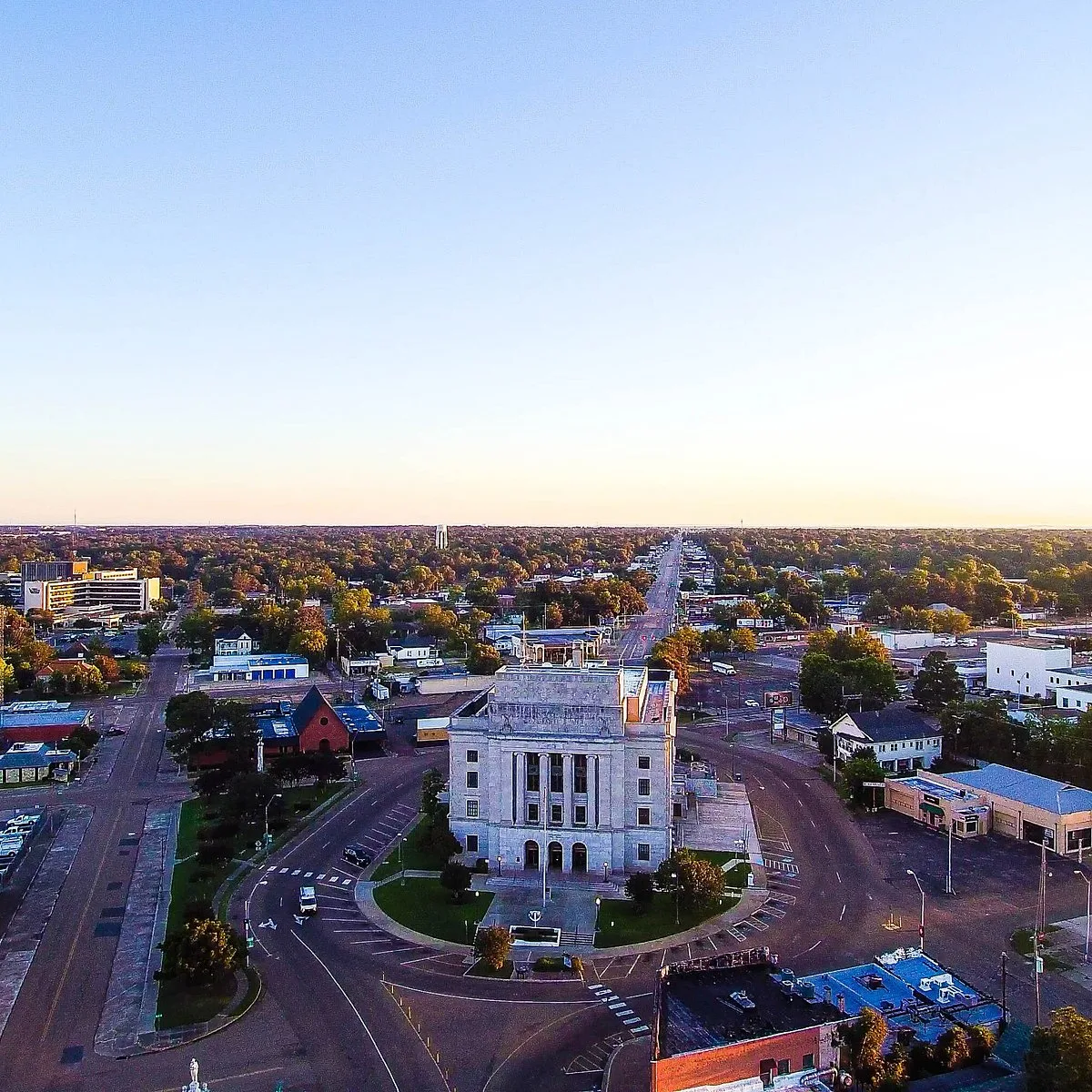
Damage that sits untreated rarely stays contained. A slow supply line leak behind a Texarkana kitchen wall can rot subflooring in weeks, and soot left on painted drywall after a kitchen fire etches into the finish permanently. What starts as a cleanup job becomes a rebuild.
Acting fast keeps damage in the category of "restorable" instead of "replaceable." Local property owners have access to a full range of emergency response services:
- Water Damage Restoration - extraction, structural drying, moisture mapping, and monitoring until materials return to normal readings
- Flooded Basement - pump-out, sanitizing, and drying of below-grade spaces, crawl spaces, and sunken rooms
- Sewage Cleanup - removal of contaminated water and porous materials, followed by antimicrobial treatment
- Fire Damage Restoration - debris removal, structural cleaning, content pack-out, and reconstruction
- Smoke Damage Restoration - soot removal from surfaces and HVAC systems, plus odor neutralization
- Mold Removal - containment, air filtration, affected material removal, and correction of the moisture source
SERVPRO of Texarkana is locally owned and operated, staffed by IICRC certified technicians, and available 24 hours a day, 7 days a week, 365 days a year. Crews are quick to arrive on the scene, and pre-loss scoping visits are available for property owners who want an estimate before an emergency happens. Call (903) 832-4400.
Common Damage Restoration Issues in Texarkana, Texas
Texarkana sits in a humid subtropical climate zone where heavy rain, expansive clay soils, and long muggy summers combine to create steady demand for restoration work. The causes of loss here follow recognizable patterns.
Frequent Causes of Property Damage
- Spring thunderstorm downpours overwhelming gutters, yard drainage, and storm sewers
- Roof damage from hail and straight-line winds allowing water into attics and ceilings
- Sewer backups when saturated ground and heavy inflow overload municipal lines
- Burst or split pipes during the occasional hard freeze, especially in uninsulated crawl spaces and exterior walls
- Water heater failures, washing machine hose ruptures, and refrigerator line leaks
- Kitchen grease fires and electrical faults in older wiring systems
- Chimney and space heater incidents during cold snaps
- HVAC condensate line clogs dripping into ceilings and closets all summer long
Warning Signs Worth Investigating
- Musty odors in closets, hallways, or near floor vents
- Buckling laminate, cupping hardwood, or soft spots underfoot
- Brown ceiling rings that reappear after being painted over
- Peeling baseboard paint or separated caulk lines in bathrooms
- Gurgling drains or slow toilets - often an early sewer line signal
- Smoke odor that returns on humid days after a small fire
- Persistent allergy symptoms that improve when occupants leave the house
Each of these deserves a professional moisture reading rather than a guess. Hidden water behind cabinets and under tile is the most common source of mold complaints in this region.
Neighborhoods We Serve in Texarkana
The office is in Texarkana, but crews travel widely across the Ark-La-Tex. Response covers residential, commercial, and rural properties alike.
- Downtown Texarkana and the State Line Avenue corridor
- Wake Village, Nash, and Leary
- Pleasant Grove and the Richmond Road commercial district
- Redwater, Maud, and Hooks
- New Boston and surrounding Bowie County communities
- Liberty-Eylau and the southern Texarkana neighborhoods
- Northern Cass County and Atlanta area properties
- Areas near Wright Patman Lake and Sulphur River bottomlands
Older homes near downtown, newer subdivisions along the western edge of town, and country properties on septic systems all present different challenges. Technicians adjust drying plans, containment methods, and equipment placement based on the structure in front of them, not a generic template.
Seasonal Damage Patterns in Texarkana
Winter (December - February)
- Frozen and burst pipes during hard freezes, often discovered after a thaw
- Heating equipment fires from space heaters, fireplaces, and furnaces
- Smoke damage from fireplace backdrafts and blocked flues
Spring (March - May)
- Peak season for flooded basements, crawl spaces, and slab-level water intrusion
- Sewage backups tied to heavy rainfall and saturated soils
- Roof leaks from hail and wind-driven rain
- Lightning strikes causing attic and structure fires
Summer (June - August)
- Mold growth accelerating in humid, poorly ventilated spaces
- HVAC condensate overflows in ceilings and utility closets
- Grill, outdoor cooking, and electrical panel fires during heat waves
Fall (September - November)
- Tropical system remnants delivering multi-day rainfall
- First-use furnace and fireplace fires after dormant months
- Clogged gutters from leaf fall pushing water against foundations
Emergency calls come in year-round, which is why the phone is answered every day of the year.
Housing Characteristics & Restoration Considerations
Texarkana's housing stock spans more than a century, and the age and construction method of a home shapes nearly every restoration decision made on site.
Common Construction Types
- Pre-1940 homes near downtown - pier-and-beam foundations, shiplap sheathing, plaster walls, and original wood floors that require careful controlled drying
- Mid-century brick ranch homes - slab-on-grade construction where water spreads laterally under carpet padding and beneath tile
- 1970s - 1990s subdivisions - vinyl or brick veneer with wood framing, often with original galvanized or early plastic supply lines
- Newer construction on the west side - tighter building envelopes that trap moisture and hold smoke odor longer
- Rural properties - septic systems, well water, and crawl spaces that demand different sewage and water protocols
How Construction Affects the Work
- Pier-and-beam and crawl space homes need subfloor inspection and often ventilation upgrades after water losses
- Slab homes require wall cavity drying and baseboard removal since water wicks upward into drywall
- Plaster and lath assemblies hold moisture far longer than modern drywall and need extended monitoring
- Older knob-and-tube or aluminum wiring found during fire investigations may require electrical correction before rebuild
- Blown-in or batt attic insulation that absorbs smoke or water is usually removed rather than dried
- Homes with additions built over multiple decades often hide unexpected framing transitions where moisture collects
Scoping the property before an emergency helps document these details in advance.
Environmental Conditions & Damage Implications
The local environment does not simply cause damage - it changes how that damage behaves after the initial event.
Climate and Humidity
- Summer dew points regularly sit in the low to mid 70s, meaning outdoor air cannot be used to dry a structure
- Dehumidification equipment carries most of the drying load from May through September
- Mold colonies can establish on wet organic materials in a short window under these conditions
- Smoke odor molecules reactivate in high humidity, so incomplete fire cleanup gets noticed weeks later
Soil and Groundwater
- Expansive clay soils swell after heavy rain and shrink in drought, stressing foundations and creating cracks that admit water
- Poor percolation keeps stormwater sitting against slabs and basement walls
- Shallow water tables in low-lying areas near creeks and river bottoms raise hydrostatic pressure on below-grade spaces
- Saturated ground reduces septic drain field capacity, contributing to backups on rural properties
Air Quality and Water Considerations
- Regional pollen and mold spore counts stay elevated for much of the year, so HEPA filtration during remediation matters
- Seasonal agricultural and controlled burning smoke can compound indoor air issues in homes recovering from fire
- Mineral-heavy water contributes to appliance and water heater failures over time
- Storm-driven floodwater is treated as contaminated, requiring the same protocols as sewage cleanup
Every drying plan accounts for these conditions with moisture readings taken on arrival and tracked daily until materials reach dry standard.
What Happens After You Call: The Texarkana Emergency Response Process
Property owners calling at 3 a.m. with water running across the floor want to know one thing - what happens next. Here is the sequence.
Step by Step
- Immediate phone contact - a real conversation about what is happening, with guidance on shutting off water, avoiding contaminated areas, and staying safe until crews arrive
- Rapid dispatch - trucks roll from the Texarkana office to your address, whether you are in Nash, Redwater, or out past New Boston
- Inspection and scope - moisture meters, thermal imaging, and category determination for water losses; soot and odor mapping for fire losses
- Emergency mitigation - extraction, board-up, tarping, or containment barriers to stop damage from spreading
- Removal of unsalvageable materials - contaminated carpet, saturated drywall, charred framing, and mold-affected substrates
- Drying and cleaning - air movers, dehumidifiers, HEPA filtration, antimicrobial application, and specialized soot removal techniques
- Daily monitoring - readings documented until materials meet dry standard, with adjustments to equipment placement as needed
- Reconstruction - drywall, flooring, paint, cabinetry, and finish work so you are not hiring a separate contractor for build back
Why Local Ownership Changes the Experience
- Crews know Texarkana streets, building styles, and which neighborhoods flood first
- IICRC certified technicians can answer questions on site rather than deferring to a call center
- Documentation is prepared for insurance carriers with photos, readings, and itemized scope
- Pre-loss scoping visits are available so businesses and homeowners have a plan before an emergency
- The same team handles mitigation and rebuild, keeping one point of accountability
Water damage, fire damage, sewage, smoke, or mold - SERVPRO of Texarkana answers 24/7 at (903) 832-4400.





