
Damage Restoration in College Station, TX
- Damage Restoration Services Overview
- Common Damage Restoration Issues in College Station, Texas
- Neighborhoods We Serve in College Station
- Seasonal Damage Patterns in College Station
- Housing Characteristics & Restoration Considerations
- Environmental Conditions & Damage Implications
- Freeze Events, Storm Season, and Emergency Response in Aggieland
Damage Restoration Services Overview
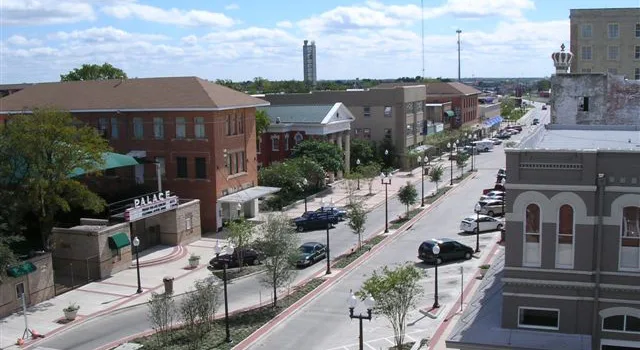
College Station sits inside the Brazos Valley, where humidity routinely climbs above 70% for months at a time - a level at which mold colonies can establish on damp drywall in as little as 24 to 48 hours. That single environmental reality shapes almost every restoration job in Aggieland, from a burst supply line in a Southwood Valley ranch home to a soot-coated kitchen near Wellborn Road.
Restoration work here covers a connected set of services, and most properties need more than one:
- Water Damage Restoration - extraction, structural drying, dehumidification, and moisture mapping behind walls and under flooring
- Flooded Basement - pump-out, cleaning, and drying of basements, storm cellars, sunken garages, and below-grade storage rooms
- Sewage Cleanup - removal of contaminated material, antimicrobial treatment, and decontamination after backups
- Fire Damage Restoration - emergency board-up, site containment, debris removal, and reconstruction
- Smoke Damage Restoration - soot removal, odor control, air duct cleaning, and contents restoration
- Mold Removal - containment, affected material removal, and humidity correction to stop regrowth
Benefits for local homeowners, landlords managing student rentals, and business owners include faster reoccupancy, reduced secondary damage, documentation that supports insurance claims, and a single coordinated path from mitigation through rebuild.
Common Damage Restoration Issues in College Station, Texas
Local damage patterns follow the Brazos Valley's swings between heavy rainfall, hard freezes, and long humid stretches.
What Causes Damage Here
- Frozen and burst pipes - unprotected exterior spigots, attic supply lines, and slab-plumbing runs fail during Texas cold snaps, releasing water for hours before anyone notices
- Flash flooding - fast-moving storms overwhelm drainage near Wolf Pen Creek, Carters Creek, and Bee Creek tributaries
- Sewer backups - aging laterals, grease buildup in dense rental corridors, and heavy rain infiltration push waste back through floor drains and tubs
- Kitchen and electrical fires - unattended cooking in shared student housing and overloaded circuits in older homes
- HVAC condensation - clogged drain pans in attic air handlers leak into ceilings all summer long
- Roof and window leaks - wind-driven rain and hail damage shingles, then water tracks along framing
Warning Signs Worth Acting On
- Musty odor that returns each time the air conditioner cycles
- Cupping or darkening at the edges of wood and laminate flooring
- Ceiling stains that grow slowly between rain events
- Gurgling drains or slow tubs on more than one fixture at once
- Persistent smoke smell that reappears in humid weather after a small fire
- Peeling baseboard paint, blistering trim, or visible growth on closet walls
- Unexplained increases in water usage with no visible leak
Small signals rarely stay small in this climate. Damp cavity insulation and warm attic air create ideal conditions for mold long before staining reaches the finished surface.
Neighborhoods We Serve in College Station
Restoration crews respond across College Station and the wider Brazos Valley, including:
- Southwood Valley and Emerald Forest - established homes with mature trees and older plumbing
- Pebble Creek and Castlegate II - larger custom homes with complex roof lines
- Northgate and the University Drive corridor - dense student housing and mixed-use buildings
- Wolf Pen Creek, Woodcreek, and Raintree
- Edelweiss Estates, Edelweiss Gartens, and Alexandria
- Indian Lakes, Greens Prairie, and the William D. Fitch Parkway growth area
- Surrounding communities including Bryan, Wellborn, Navasota, Caldwell, Hearne, Madisonville, and Brenham
Coverage extends across a wide radius of Aggieland, which matters when a regional storm produces dozens of simultaneous calls for water extraction, sewage cleanup, and emergency board-up.
Seasonal Damage Patterns in College Station
- December through February - freeze events dominate. Burst pipes drive water damage restoration and flooded basement calls, while space heaters and fireplaces raise fire and smoke damage risk.
- March through May - spring storms bring hail, wind-driven rain, and flash flooding. Roof leaks, saturated crawl spaces, and sewage backups from overwhelmed lines peak during heavy rainfall.
- June through August - heat and humidity take over. Mold removal requests climb as air conditioners run constantly, condensation lines clog, and drain pans overflow into ceilings.
- September through October - tropical moisture moving inland from the Gulf can stall over the Brazos Valley, producing sustained rain, groundwater intrusion, and slow-developing mold behind baseboards.
- November - grilling season, tailgating, and the first heating cycles of the year generate kitchen fires and smoke odor complaints in homes and apartments.
Move-in and move-out weekends around Texas A&M's academic calendar add their own spike, when vacant rental units hide leaks for weeks before anyone reports them.
Housing Characteristics & Restoration Considerations
College Station housing spans 1960s-era ranch homes, 1980s and 1990s subdivisions, dense student apartment stock, and newer construction pushing south toward Greens Prairie. Most homes sit on post-tension or conventional slab foundations, with pier-and-beam more common in older Bryan neighborhoods.
How Construction Type Affects the Work
- Slab foundations - water spreads horizontally under flooring and wicks up drywall, so drying focuses on wall cavities, sill plates, and floor coverings rather than a basement
- Pier-and-beam homes - crawl spaces trap standing water and become the primary mold source; ventilation and subfloor drying come first
- Below-grade spaces - basements are uncommon locally, but storm shelters, sunken rooms, and daylight garages flood in the same way and need pump-out plus antimicrobial treatment
- Attic-mounted HVAC - a standard local design that turns small condensation leaks into ceiling collapses
- Older homes - may contain asbestos-bearing materials or lead paint, requiring environmental handling before demolition after fire or water loss
- Multi-unit student housing - shared walls and stacked plumbing spread water, sewage, and smoke odor across several units at once
Newer builds use tighter envelopes and spray foam insulation, which conserves energy but holds moisture longer once water gets behind it. Restoration in those homes leans heavily on moisture meters, thermal imaging, and controlled dehumidification instead of surface drying alone.
Environmental Conditions & Damage Implications
The Brazos Valley combines humid subtropical air, expansive clay soils, and periodic heavy rainfall - a combination that influences every category of restoration work.
Local Conditions That Matter
- High humidity - dew points in the 70s from late spring through early fall slow natural drying and make mechanical dehumidification necessary rather than optional
- Expansive clay soil - the Blackland Prairie and Post Oak Savannah clays shrink in drought and swell after rain, stressing slabs and shifting sewer laterals until joints separate
- Poor drainage in flat terrain - water pools against foundations instead of running off, feeding chronic moisture at wall bases
- Hard water - mineral scale shortens the life of water heaters and supply connections, a frequent source of sudden indoor flooding
- Summer heat - accelerates microbial growth and intensifies lingering smoke odor as soot residues volatilize in warm rooms
- Airborne pollen and dust - settles in duct systems, which then redistribute soot and mold spores after a loss unless ducts are cleaned
These factors explain why local restoration protocols include moisture mapping under flooring, antimicrobial application after any sewage contact, negative-air containment during mold removal, and thermal fogging or hydroxyl treatment for smoke odor. Drying a College Station home to a stable moisture content takes more equipment and more monitoring than the same job would in a dry climate.
Freeze Events, Storm Season, and Emergency Response in Aggieland
Two scenarios generate the heaviest call volume in College Station: a hard freeze and a stalled rainstorm. Both hit hundreds of properties within hours, and both reward homeowners who know what to do in the first sixty minutes.
Immediate Steps After Discovering Damage
- Shut off the water at the main valve, or kill power to the affected area if water is near outlets and panels.
- Leave the building if there is fire, structural damage, or sewage contamination - Category 3 water carries real health risks.
- Photograph and video everything before moving items, capturing water lines on walls and soot patterns around openings.
- Call a restoration provider for emergency response, extraction, and board-up.
- Notify your insurance carrier and request the claim number for documentation.
- Move undamaged contents to a dry area, and lift furniture legs off wet carpet to prevent staining.
- Avoid running the HVAC after a fire or a mold discovery, since it spreads soot and spores through the ducts.
What a Coordinated Restoration Response Includes
- Emergency board-up, tarping, and site containment to secure the property
- Water extraction, structural drying, and daily moisture readings until targets are met
- Sewage removal, disposal of porous contaminated materials, and decontamination of hard surfaces
- Smoke and soot removal, odor control, and air duct cleaning
- Contents restoration, document recovery, and electronics cleaning
- Mold containment and removal, paired with correction of the moisture source
- Environmental handling for asbestos, lead, and hazardous materials in older structures
- General contracting and reconstruction to finish the rebuild
Working with one provider through mitigation and reconstruction shortens the handoffs that stall projects. For rental property managers near campus, that continuity matters even more when a unit has to be ready before the next semester begins.





