
Damage Restoration in Commerce, TX
- Damage Restoration Services Overview
- Common Damage Restoration Issues in Commerce, Texas
- Neighborhoods We Serve in Commerce
- Seasonal Damage Patterns in Commerce
- Housing Characteristics & Restoration Considerations
- Environmental Conditions & Damage Implications
- Storm-Driven Losses and Insurance Documentation in Hunt County
Damage Restoration Services Overview
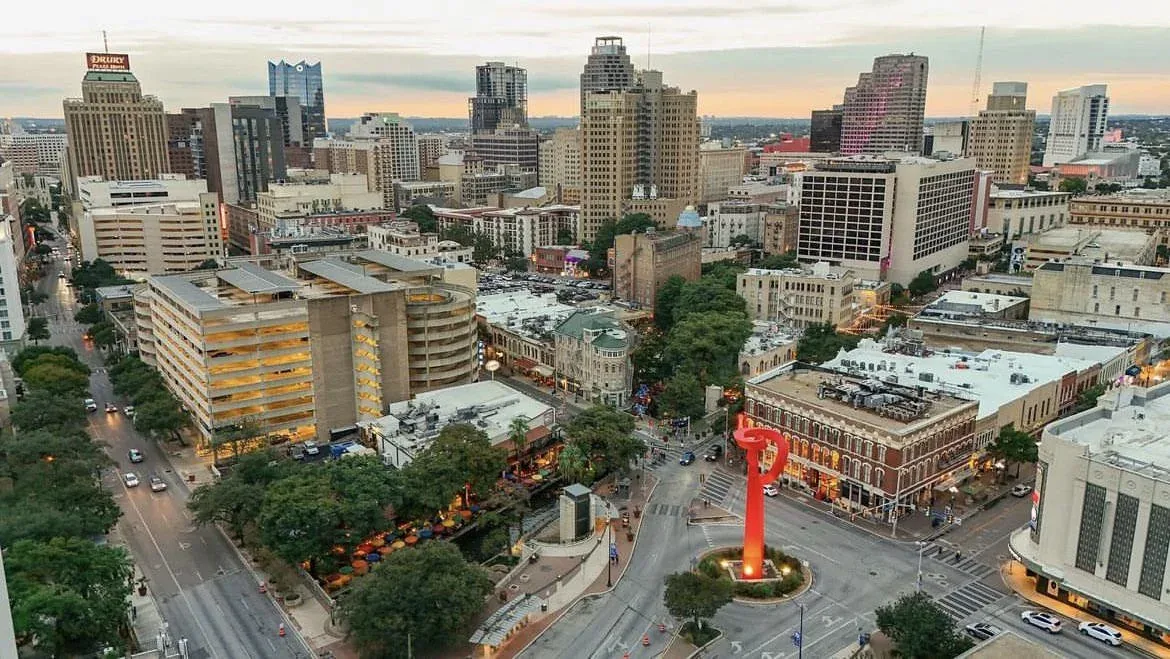
Commerce sits in Hunt County, where the average year delivers more than 45 inches of rain - most of it arriving in concentrated spring and autumn bursts that overwhelm gutters, yard drainage, and older sewer laterals within hours. That rainfall pattern, combined with expansive clay soils and a housing stock that includes many pre-1980 structures, means water finds its way indoors far more often than most homeowners expect.
Restoration work in this part of Northeast Texas covers a connected set of emergencies rather than isolated repairs:
- Water Damage Restoration - extraction, structural drying, and moisture mapping after supply line breaks, roof leaks, and storm intrusion
- Flooded Basement - pump-out and drying for below-grade rooms, storm shelters, and sunken utility spaces
- Sewage Cleanup - Category 3 contamination removal, disinfection, and disposal of porous materials
- Fire Damage Restoration - stabilization, debris removal, soot cleaning, and reconstruction
- Smoke Damage Restoration - odor neutralization, HVAC decontamination, and surface-specific residue removal
- Mold Removal - containment, HEPA filtration, and removal of colonized building materials
The benefit of coordinated response is timing. Mold colonies establish within 24 to 72 hours of water intrusion, and smoke residues become acidic and corrosive within days. Addressing the primary loss and its secondary effects together shortens the recovery and limits how much of a Commerce home has to be rebuilt.
Common Damage Restoration Issues in Commerce, Texas
Commerce properties face a specific mix of hazards driven by geography, soil, and building age. The most frequent triggers include:
- Severe convective storms - Hunt County sits in a corridor that regularly sees damaging straight-line winds, hail, and tornado watches from March through June
- Roof compromise - hail bruising on asphalt shingles and wind uplift along ridges create slow leaks that saturate attic insulation before anyone notices
- Clay soil movement - shrink-swell cycles crack slabs and foundation walls, opening pathways for groundwater and sewer gas
- Aging sewer laterals - clay and cast iron lines near the older core of town crack under root pressure and back up during heavy rain
- Kitchen and electrical fires - older wiring, window units, and space heaters remain leading ignition sources in rental and student housing
- Chronic humidity - summer dew points in the 70s feed mold in crawlspaces, wall cavities, and behind vinyl wallcoverings
Warning signs worth acting on quickly:
- Musty odor that intensifies when the HVAC cycles on - a strong indicator of colonization inside ductwork or wall cavities
- Ceiling stains that expand between rain events, pointing to trapped attic moisture rather than a single leak
- Gurgling drains or slow tub drainage, often the first sign of a lateral collapse ahead of a sewage backup
- Buckling laminate or cupping hardwood, indicating subfloor saturation beneath the surface
- Yellowing on painted trim weeks after a small fire, showing that smoke residue was never fully neutralized
- Efflorescence or white powder on below-grade block walls, signaling ongoing hydrostatic pressure
Neighborhoods We Serve in Commerce
Response covers the full city footprint and the surrounding rural stretches of Hunt County:
- Downtown Commerce and the Main Street district - historic masonry commercial buildings with shared walls and legacy plumbing
- Neighborhoods surrounding Texas A&M University-Commerce - dense student rentals, duplexes, and converted single-family homes
- Northside and Park Street areas - mid-century frame houses with pier-and-beam crawlspaces
- Highway 224 and FM 1737 corridors - newer slab-on-grade subdivisions and manufactured homes
- Rural properties along FM 1550, FM 1563, and County Road routes - well and septic systems, metal outbuildings, barns
Service also extends to nearby communities including Cooper, Wolfe City, Campbell, Klondike, Pecan Gap, Ladonia, and the greater Greenville area. Rural addresses with septic systems and private wells receive additional testing after flooding, since surface water contamination changes both the cleanup scope and the disinfection approach.
Seasonal Damage Patterns in Commerce
Loss types in Commerce follow a predictable annual rhythm:
- January - February: Frozen and burst pipes during hard freezes, especially in unheated crawlspaces, garages, and vacant rentals. Heating-related fire and smoke damage peaks alongside cold snaps.
- March - May: The most active window. Hail, straight-line wind, and tornado-producing supercells drive roof failures, wind-driven rain intrusion, and flooded basements. Sewage backups spike as saturated ground overloads laterals.
- June - August: Humidity and condensation dominate. Mold appears in closets, crawlspaces, and around undersized or oversized AC systems. Lightning strikes cause attic and electrical fires.
- September - October: Remnant tropical moisture from Gulf systems reaches Northeast Texas, producing multi-inch rainfall events and slow-onset water intrusion through compromised flashing.
- November - December: Kitchen fires rise around the holidays, and smoke damage from fireplaces and chimney flue issues becomes common.
Mold remediation calls trail every wet season by roughly four to eight weeks, since colonization inside wall cavities stays hidden until odor or visible staining appears.
Housing Characteristics & Restoration Considerations
Commerce housing spans more than a century of construction methods, and each era responds differently to water, fire, and microbial damage.
Pre-1950 Frame Homes
- Pier-and-beam foundations with vented crawlspaces that trap ground moisture
- Shiplap sheathing and plaster over wood lath, which holds water far longer than drywall
- Possible asbestos-containing floor tile, mastic, or pipe wrap requiring testing before demolition
- Balloon framing that lets smoke and fire travel vertically through wall cavities
1960s - 1980s Ranch and Brick Veneer
- Slab-on-grade construction over active clay, where slab cracks admit groundwater
- Cast iron drain lines nearing end of service life, a common source of sewage backup
- Original aluminum or cloth-insulated branch wiring in some homes, raising fire risk
- Blown-in attic insulation that mats down and holds moisture after roof leaks
Post-2000 Subdivisions and Manufactured Housing
- Tighter building envelopes that dry slowly and require controlled dehumidification rather than open-air ventilation
- Engineered wood trim and OSB sheathing that swells irreversibly once saturated
- PEX and CPVC supply lines with fitting failures behind finished walls
- Manufactured homes with belly wrap that traps standing water beneath the floor system
Below-grade spaces are less common here than in northern markets, but storm shelters, sunken dens, and older cellar rooms flood readily and need pumping, antimicrobial treatment, and extended drying because concrete and block release moisture slowly.
Environmental Conditions & Damage Implications
The physical setting around Commerce shapes how damage develops and how restoration is sequenced.
Climate and Humidity
- Humid subtropical conditions with summer dew points frequently above 70°F, meaning outdoor air cannot dry a wet structure - closed-system dehumidification is required
- Roughly 45 inches of annual rainfall concentrated in spring and fall peaks
- Sharp winter temperature swings that cause pipe stress and condensation inside wall assemblies
Soil and Drainage
- Blackland Prairie clay with high shrink-swell potential, cracking slabs and shifting foundation piers
- Low infiltration rates that push stormwater across yards toward door thresholds and crawlspace vents
- Clay backfill against foundation walls that holds hydrostatic pressure long after rain ends
Water and Air Quality Factors
- Rural septic systems that surcharge during saturation, elevating pathogen risk in flood water
- Municipal sewer inflow and infiltration that produces backups during peak rainfall
- Regional pollen and agricultural dust loads that compound respiratory irritation when mold spores or smoke particulate are already airborne
These conditions push several practical requirements: moisture readings taken at multiple depths rather than surface-only, containment before any mold or sewage demolition, HEPA air scrubbing throughout the work area, and post-fire HVAC cleaning so soot is not redistributed once the system restarts. Clay-driven foundation movement also means drying alone may not resolve recurring intrusion - drainage correction often belongs in the repair scope.
Storm-Driven Losses and Insurance Documentation in Hunt County
Most major restoration work in Commerce begins with a storm. What separates a smooth recovery from a stalled one is usually documentation quality in the first 48 hours - before tarps go up, before demolition, and before drying equipment changes the moisture picture.
Why Wind and Hail Are Assessed Separately
Both perils frequently strike the same roof in a single event, but adjusters evaluate them on different criteria, and claim apportionment depends on keeping them distinct.
- Hail damage - measured by impact mark density per test square, dent depth on soft metals like gutters and vents, and mat bruising on asphalt shingles
- Wind damage - identified by directional patterns, creased or lifted shingles, torn underlayment, and uplift failure along ridges and eaves
- Interior water intrusion - documented as a consequential loss traced back to the specific roof or envelope breach
Recommended Sequence After a Storm
- Confirm the structure is safe - no compromised roof decking, downed lines, or gas odor - before entering
- Photograph exterior elevations, roof edges, and every affected interior room before anything is moved
- Request emergency tarping and board-up to stop ongoing intrusion, and photograph that work as well
- Allow moisture mapping and thermal imaging to record saturation extent inside walls, ceilings, and subfloors
- Separate salvageable contents from unsalvageable, with an itemized inventory for the claim
- Begin controlled drying with documented daily readings showing progress toward dry standard
- Address secondary conditions - mold growth, sewage contamination, or smoke residue - under proper containment
Damage progression follows a causal chain: envelope breach admits water, saturated cavities feed microbial growth within days, and contaminated or charred materials release particulate into conditioned air. Interrupting that chain early keeps the repair scope narrow. IICRC-certified technicians working 24/7 across Commerce and surrounding Hunt County communities handle emergency mitigation and coordinate directly with adjusters so the record supports the work performed.





