
Damage Restoration in Sherman, TX
- Damage Restoration Services Overview
- Common Damage Restoration Issues in Sherman, Texas
- Neighborhoods We Serve in Sherman
- Seasonal Damage Patterns in Sherman
- Housing Characteristics & Restoration Considerations
- Environmental Conditions & Damage Implications
- 24-Hour Emergency Response Across Grayson County
Damage Restoration Services Overview
What would you do if you walked into your Sherman home tomorrow morning and found two inches of water across the floor - or smelled smoke lingering in the walls after a small kitchen fire? Property damage rarely announces itself in advance, and the hours immediately following a loss shape how much of your structure and belongings can be saved.
Sherman Restoration Services brings more than 20 years of hands-on work across Grayson County to every call. Our IICRC certified technicians handle the full arc of recovery, from the first extraction hose to the final coat of paint.
- Water Damage Restoration - burst supply lines, roof leaks, appliance failures, and storm intrusion, handled with moisture mapping and structural drying
- Flooded Basement - pump-out, extraction, and drying for below-grade spaces, storm shelters, and crawl areas that hold water long after the rain stops
- Sewage Cleanup - safe removal of Category 3 contamination from backed-up lines, septic failures, and toilet overflows
- Fire Damage Restoration - property stabilization, debris removal, soot cleaning, and rebuild of affected assemblies
- Smoke Damage Restoration - hydroxyl generators and thermal fogging that treat odor at the molecular level rather than masking it
- Mold Removal - containment, source correction, removal, and post-cleaning verification
Benefits for Sherman property owners include faster reoccupancy, reduced secondary damage, documented insurance files, and one accountable team from mitigation through reconstruction.
Common Damage Restoration Issues in Sherman, Texas
North Texas weather swings hard, and Sherman properties feel every degree of it. Spring storm systems roll across Texoma with hail and straight-line wind, while January cold snaps freeze exposed pipes in attics, garages, and unheated utility rooms.
Local conditions that drive restoration calls:
- Heavy spring downpours overwhelming yard drainage and pushing water toward foundations
- Hail and wind opening roof decking, leading to slow ceiling leaks discovered days later
- Hard freezes cracking supply lines and splitting hose bibs on exterior walls
- Aging clay and cast iron sewer laterals in older neighborhoods collapsing or backing up
- Humid summers keeping crawl spaces and closets above the moisture threshold where mold colonizes
- Kitchen grease fires, dryer lint ignition, fireplace and chimney faults, and wiring failures in older panels
Warning signs worth acting on quickly:
- Musty odor in a closet, bathroom, or hallway that never fully clears
- Discolored rings or sagging on ceilings and drywall seams
- Baseboards separating, flooring cupping, or tile grout darkening
- Gurgling drains or slow toilets, often the first hint of a sewer line problem
- Smoke odor returning on humid days after a fire was supposedly cleaned
- Unexplained allergy symptoms that ease when you leave the house
Small signals like these usually mean moisture or contamination is already spreading inside the assembly. Addressing them early keeps a water loss from becoming a mold remediation project.
Neighborhoods We Serve in Sherman
Our crews work throughout Sherman and the wider Texoma region, with response routes planned around local traffic patterns on US-75 and Texoma Parkway.
- Sherman - Historic Downtown and the Silk Stocking District, Washington Irving and Fairview areas, Sherman High School neighborhoods, Loy Lake corridor, Woodlawn, Heritage Park, and newer subdivisions off FM 1417 and Post Oak Road
- Denison - Downtown, Eisenhower Birthplace area, and the Lake Texoma side of town
- Pottsboro - lakefront homes, weekend properties, and marina-adjacent structures
- Bells, Howe, Van Alstyne, Whitesboro, Gunter, and Tom Bean
- Surrounding Grayson County rural properties with septic systems and well water
We also handle commercial work for retail spaces, churches, medical offices, schools, and multi-unit properties across these communities. Whether it is a lake house with a flooded lower level or a downtown building with smoke damage, our teams know the local building stock and the inspectors who sign off on the rebuild.
Seasonal Damage Patterns in Sherman
Restoration demand in Grayson County follows a fairly predictable rhythm. Knowing the pattern helps property owners prepare before the call becomes an emergency.
- December through February - frozen and burst pipes, water damage from failed water heaters, flooded basements and crawl spaces after thaw, and a spike in fire damage from space heaters, fireplaces, and holiday cooking
- March through May - peak storm season, with hail-punctured roofs, wind-driven rain, flash flooding, sewage backups when heavy rain infiltrates municipal lines, and emergency board up and tarping calls
- June through August - humidity-driven mold growth in attics, closets, and under sinks, plus condensation losses from overworked HVAC drain pans and clogged condensate lines
- September through November - lingering mold from summer moisture, early-season chimney and heater fires, roof leaks revealed by fall rain, and smoke odor complaints as houses close up for cooler weather
Late-summer drought followed by autumn rain also shifts expansive North Texas soils, opening foundation cracks that let water into below-grade spaces during the first heavy fall storms.
Housing Characteristics & Restoration Considerations
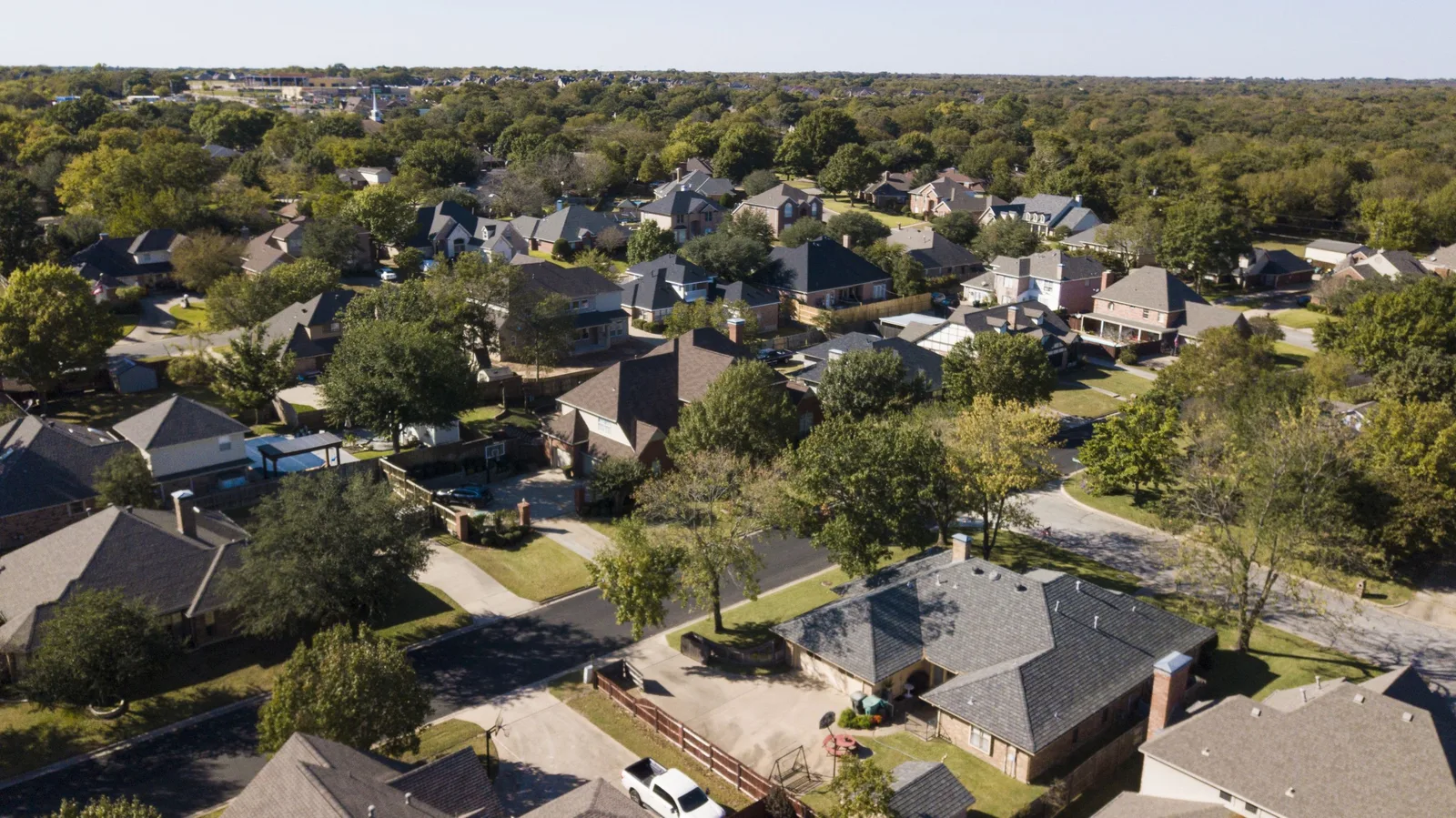
Sherman's housing stock spans well over a century, and each era brings its own restoration challenges. Downtown and the Silk Stocking District hold pier-and-beam homes from the late 1800s and early 1900s, while mid-century ranch construction fills the neighborhoods built during the post-war decades. Newer slab-on-grade subdivisions continue expanding along the FM 1417 and Post Oak corridors.
How construction type shapes the work:
- Pier-and-beam homes - vented crawl spaces trap humidity and hold standing water, making them frequent mold removal and structural drying sites; original hardwood and plaster demand controlled drying rather than aggressive demolition
- Mid-century ranches - cast iron and clay sewer laterals are common failure points, and older wiring and panels raise fire risk; lath, plaster, and layered flooring hide moisture from surface readings
- Slab-on-grade construction - water spreads laterally under flooring and wicks up drywall fast; carpet pad and engineered wood often need removal even when the slab dries well
- Lake-area and rural properties - walkout lower levels, septic systems, and well water add contamination variables to sewage cleanup and flooded basement projects
- Attic-mounted HVAC systems - a Texas standard and a recurring source of ceiling water damage and duct-borne smoke and mold contamination
Older homes may also contain asbestos-bearing materials and lead paint, which we identify before demolition begins. Documentation, containment, and cautious material handling protect both the household and the historic character of the property.
Environmental Conditions & Damage Implications
Sherman sits in a humid subtropical zone with hot summers, mild but volatile winters, and roughly 45 inches of annual rainfall concentrated in spring and fall bursts.
Local conditions and what they mean for restoration:
- Summer humidity - indoor relative humidity routinely climbs past the level where mold germinates within 24 to 48 hours of a water event, so dehumidification matters as much as extraction
- Expansive Blackland clay soils - shrink in drought, swell in rain, and stress foundations and buried sewer lines, producing cracks that admit groundwater and lead to backups
- Poor soil percolation - clay drains slowly, so yard water pools against slabs and below-grade walls after storms rather than dispersing
- Hard mineral-heavy water - accelerates corrosion in water heaters, supply lines, and appliance connections, a common source of sudden interior flooding
- Seasonal pollen and airborne dust - settles in ductwork and combines with soot after a fire, making HVAC cleaning part of proper smoke damage restoration
- Lake Texoma proximity - elevated ambient moisture for nearby properties, raising mold risk in crawl spaces and seasonal structures
Because clay soil and humidity both work against fast natural drying, we rely on moisture meters, thermal imaging, and monitored drying equipment instead of assumptions. Daily readings confirm that framing, subfloor, and wall cavities actually reach dry standard before reconstruction begins.
24-Hour Emergency Response Across Grayson County
Damage does not wait for business hours, and neither do we. Water migrates through a Sherman home within minutes, mold begins colonizing within a day or two, and soot turns acidic and etches metal, glass, and finishes almost immediately after a fire.
What happens when you call:
- Immediate dispatch - a live conversation about the situation, safety guidance for shutting off water or power, and a crew routed to your address
- Property stabilization - emergency board up, roof tarping, and hazard isolation so the structure stops taking on further damage
- Assessment and documentation - moisture mapping, thermal imaging, photographs, and contamination category determination for water or sewage losses
- Extraction and containment - truck-mounted water removal, pump-out for flooded basements, and negative air containment for sewage or mold work
- Drying and treatment - air movers, dehumidifiers, antimicrobial application, soot cleaning, and odor neutralization with hydroxyl generators or thermal fogging
- Monitoring and rebuild - daily readings until dry standard is confirmed, then reconstruction of drywall, flooring, cabinetry, and trim
Speed matters most in three scenarios Sherman sees often:
- Sewage backups - Category 3 water carries pathogens, so containment and removal cannot be delayed overnight
- Post-fire water - firefighting water plus acidic soot creates compound damage that worsens by the hour
- Storm season flooding - when hail and wind hit Sherman, Denison, and Pottsboro at once, early callers get equipment placed first
We coordinate directly with your insurance adjuster, supply the documentation carriers expect, and keep you informed at every stage. One team, from the first emergency call through the final walkthrough.





