
Damage Restoration in Lubbock, TX
- Damage Restoration Services Overview
- Common Damage Restoration Issues in Lubbock, Texas
- Neighborhoods We Serve in Lubbock
- Seasonal Damage Patterns in Lubbock
- Housing Characteristics & Restoration Considerations
- Environmental Conditions & Damage Implications
- The First 48 Hours: Emergency Response Standards on the South Plains
Damage Restoration Services Overview
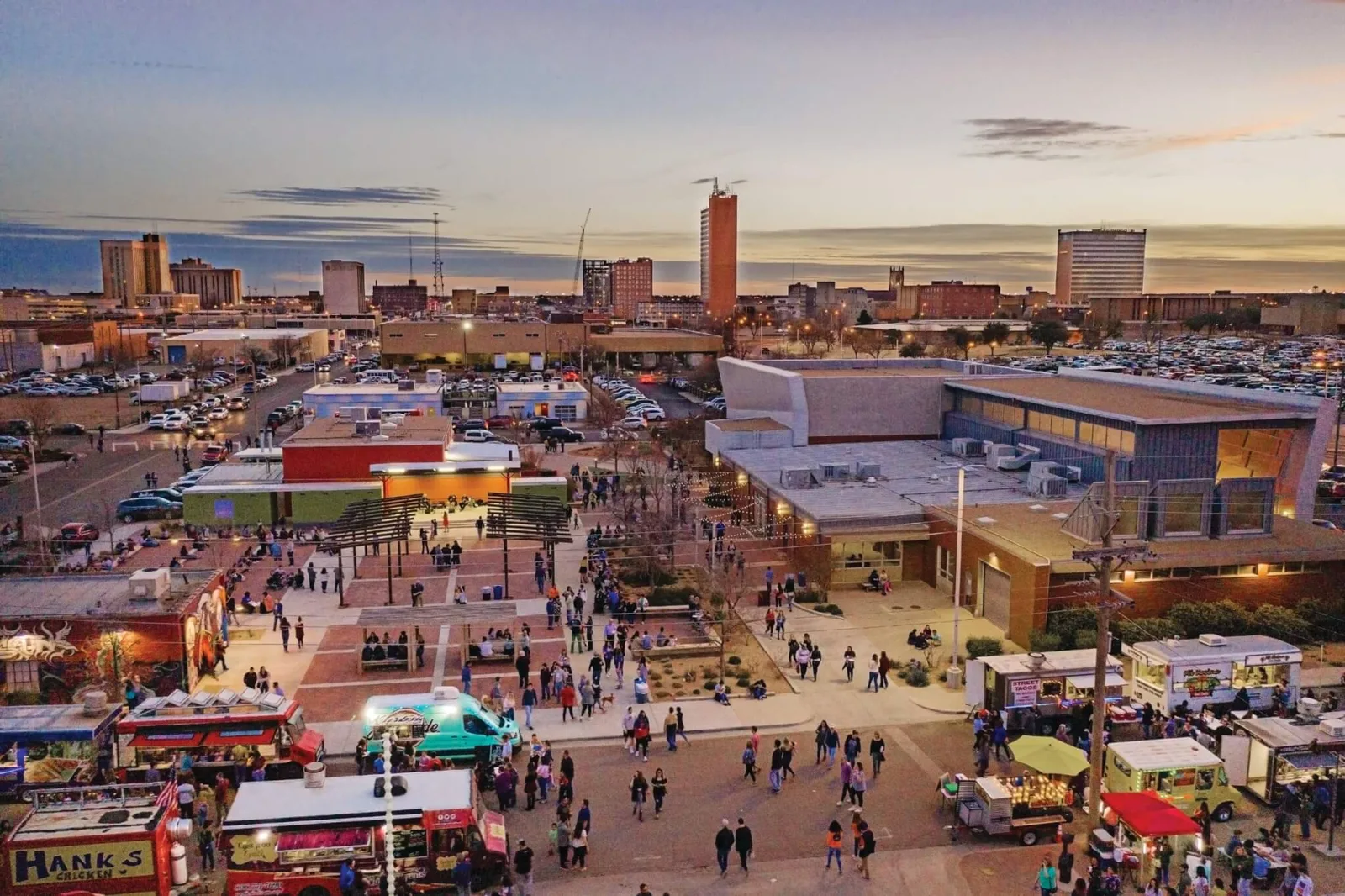
Lubbock sits in one of the flattest regions in North America, yet the caliche hardpan beneath the city means rainwater often has nowhere to go but sideways - straight toward foundations, garage slabs and below-grade rooms. That single soil quirk explains why a two-inch thunderstorm can leave standing water in a South Lubbock home while the street outside looks nearly dry.
Restoration work on the South Plains covers far more than mopping up. A complete response addresses structure, contents and air quality together.
- Water Damage Restoration - extraction, moisture mapping, controlled drying and repair of saturated materials after leaks, appliance failures and roof intrusion.
- Flooded Basement - pump-out, sump evaluation and drying of below-grade storm shelters, cellars and daylight lower levels.
- Sewage Cleanup - removal of Category 3 contaminated water, antimicrobial treatment and safe disposal of porous materials.
- Fire Damage Restoration - debris removal, structural stabilization, soot cleaning and content pack-out.
- Smoke Damage Restoration - odor neutralization, HVAC line cleaning and treatment of surfaces smoke reached but flames never touched.
- Mold Removal - containment, source correction, remediation and clearance-focused drying.
The benefit for Lubbock homeowners is simple: faster stabilization means fewer materials lost, less demolition and a shorter path back to normal for wood floors, cabinetry and heirloom furniture.
Common Damage Restoration Issues in Lubbock, Texas
West Texas swings between bone-dry stretches and violent, fast-moving storms. That whiplash is behind most of the damage calls across Hub City.
Leading Local Causes
- Hard water and mineral scale - Lubbock's mineral-heavy supply shortens the life of water heaters, ice maker lines and supply valves, leading to sudden bursts.
- Hail and wind-driven rain - spring storms punch through shingles and roof vents, sending water down wall cavities before anyone sees a stain.
- Flash flooding - playa lakes and low-lying streets back up quickly, pushing runoff into garages and below-grade rooms.
- Frozen pipe breaks - uninsulated attic and exterior wall lines split during hard freezes, then release water when temperatures rebound.
- Sewer line intrusion - older clay laterals in central Lubbock crack under shifting soil and allow backups into tubs and floor drains.
- Grass fires and kitchen fires - dry, windy conditions and cooking incidents drive both structural burns and widespread smoke deposits.
Warning Signs Worth Acting On
- Baseboards that feel cool or spongy along one wall
- A musty odor that intensifies when the HVAC cycles
- Nail pops, tape lines or bubbling paint on ceilings
- Gurgling toilets or slow drains in more than one fixture
- Yellow-brown staining around vents after a fire, even minor ones
- Warped wood joints or lifting veneer on furniture in a damp room
Because low humidity masks moisture at the surface, materials often look dry while framing and subfloor stay saturated. Meter readings tell the real story.
Neighborhoods We Serve in Lubbock
Response covers the full city and the surrounding South Plains, working outward from a Wolfforth-based restoration workshop.
- Central and near-campus - Tech Terrace, Overton, Maxey Park, Heart of Lubbock and Arnett Benson
- South Lubbock - Vintage Township, Kings Park, Melonie Park, Bell Farms and the 98th Street corridor
- Southwest and west - Quaker Heights, Regal Park, The Rawls area and neighborhoods near Milwaukee Avenue
- North and northeast - Clapp Park vicinity, North Overton and areas near Loop 289
- Surrounding communities - Wolfforth, Shallowater, Idalou, Slaton, New Deal, Ransom Canyon and Levelland
- Regional reach - Plainview, Snyder, Brownfield, Post and points across a 150-mile West Texas radius
Coverage extends to commercial addresses as well, including retail along Indiana Avenue, offices near the Medical District and warehouse space on the east side.
Seasonal Damage Patterns in Lubbock
Each season brings a distinct mix of losses. Knowing the pattern helps homeowners prepare before the call is needed.
- December through February - Hard freezes split supply lines and hose bibs. Pipe-break water damage and flooded lower levels spike, along with heating-related fire and smoke damage from space heaters and fireplaces.
- March through May - Peak hail and thunderstorm season. Roof leaks, wind-driven rain intrusion and flash flooding drive water extraction and flooded basement work. Lightning strikes contribute to structure fires.
- June through August - Heat stresses appliances. Water heater ruptures, AC condensate overflows and drain pan failures are frequent. Grass fires near the city edge increase smoke damage claims.
- Late summer monsoon surge - Heavy August and September rain overwhelms storm drains and older sewer laterals, producing sewage backups and Category 3 cleanup needs.
- September through November - Trapped summer moisture surfaces as visible mold growth. Remediation and humidity control calls rise as homes close up and HVAC runs less.
Furniture and cabinetry losses follow the same curve. Post-storm humidity swings cause wood fibers to swell, then shrink, loosening joints long after the water is gone.
Housing Characteristics & Restoration Considerations
Lubbock's housing stock spans nearly a century, and construction era dictates how a loss unfolds.
Common Building Types
- 1920s-1940s bungalows in Tech Terrace and the Heart of Lubbock - pier-and-beam crawlspaces, shiplap sheathing, original wood floors and lath plaster that holds moisture stubbornly.
- 1950s-1970s ranch homes - slab-on-grade with cast iron or clay drain lines prone to backup, plus original ductwork that spreads smoke odor quickly.
- 1980s-2000s brick veneer builds - insulated wall cavities that hide moisture behind intact drywall.
- Newer South Lubbock construction - engineered flooring, MDF trim and paper-faced drywall, all of which degrade fast when saturated.
How Construction Affects the Work
- Crawlspaces need dedicated drying and vapor control, or mold returns after the visible repair.
- Slab homes require flood cuts and cavity drying instead of simple surface extraction.
- Below-grade storm cellars and basements demand pump-out plus contaminated water protocols when storm runoff is involved.
- Plaster walls dry far slower than drywall and benefit from injection drying rather than removal.
- Older galvanized and clay plumbing raises the odds that a water loss is actually a sewage event.
Antique and solid-wood furnishings common in older Lubbock homes deserve separate handling. Submerged wood swells, hide glue and traditional adhesives release, and rapid drying causes cracking - controlled dehumidification and joint stabilization protect the piece.
Environmental Conditions & Damage Implications
The South Plains environment shapes every drying plan. Ambient humidity often sits in the teens, which tempts owners into believing a wet structure will dry itself. It rarely does.
Climate and Air
- Low average humidity speeds surface evaporation but leaves deep moisture trapped in framing, insulation and subfloor.
- Blowing dust bonds with soot residue after a fire, creating a gritty film that requires specific cleaning agents rather than general wiping.
- High wind pushes smoke through wall penetrations and attic bypasses, spreading odor into rooms the fire never reached.
- Wide daily temperature swings cause condensation inside wall cavities and around ductwork.
Water and Soil
- Hard, mineral-rich water accelerates corrosion in supply lines and leaves scale that hides slow leaks.
- Caliche and expansive clay resist absorption, so storm runoff pools near foundations and enters through slab cracks and cellar walls.
- Soil movement stresses sewer laterals, a frequent precursor to backups.
- Playa lake proximity raises localized flood risk for properties in shallow depressions.
Mold Behavior Locally
Growth here is concentrated and hidden rather than widespread. Colonies form in cool, damp pockets - under sinks, behind tubs, along exterior walls and inside crawlspaces - while surrounding materials read dry. Containment, source correction and verified moisture readings matter more than surface cleaning alone.
The First 48 Hours: Emergency Response Standards on the South Plains
What happens in the first two days determines whether a Lubbock property is dried in place or gutted. Industry drying standards call for stabilization before secondary damage sets in, and that window is short.
A Structured Response Sequence
- Safety and source control - shut off water, evaluate electrical hazards, tarp roof openings and board compromised areas after fire.
- Water category assessment - determine whether the loss is clean, gray or sewage-contaminated, since that classification drives every decision about what stays and what goes.
- Moisture mapping - use meters and thermal imaging to trace migration behind baseboards, under cabinets and into wall cavities.
- Extraction and controlled demolition - remove standing water, saturated carpet pad and unsalvageable porous materials with flood cuts placed above the wicking line.
- Antimicrobial application - required on sewage and gray water losses, applied to exposed framing and subfloor.
- Engineered drying - place air movers and dehumidifiers calculated to the affected cubic footage, not guessed at.
- Daily monitoring - log readings until materials return to documented dry standard, adjusting equipment as conditions change.
- Reconstruction and content restoration - rebuild finishes, deodorize soft goods and stabilize wood furnishings.
Why Documentation Matters Here
- Hail and storm claims in Lubbock are heavily scrutinized - moisture logs and photo records support the file.
- Category classification affects coverage decisions on sewage losses.
- Clear scope notes help separate storm damage from pre-existing wear on aging roofs.
Smoke work follows its own discipline. Protein residue from kitchen fires, dry soot from paper and wood, and oily residue from plastics each require different cleaning chemistry, plus sealing and HVAC decontamination to keep odor from returning during the next humid stretch.





