
Damage Restoration in Slaton, TX
- Damage Restoration Services Overview
- Common Damage Restoration Issues in Slaton, Texas
- Neighborhoods We Serve in Slaton
- Seasonal Damage Patterns in Slaton
- Housing Characteristics & Restoration Considerations
- Environmental Conditions & Damage Implications
- Working With Insurance and Knowing What Happens Next
Damage Restoration Services Overview
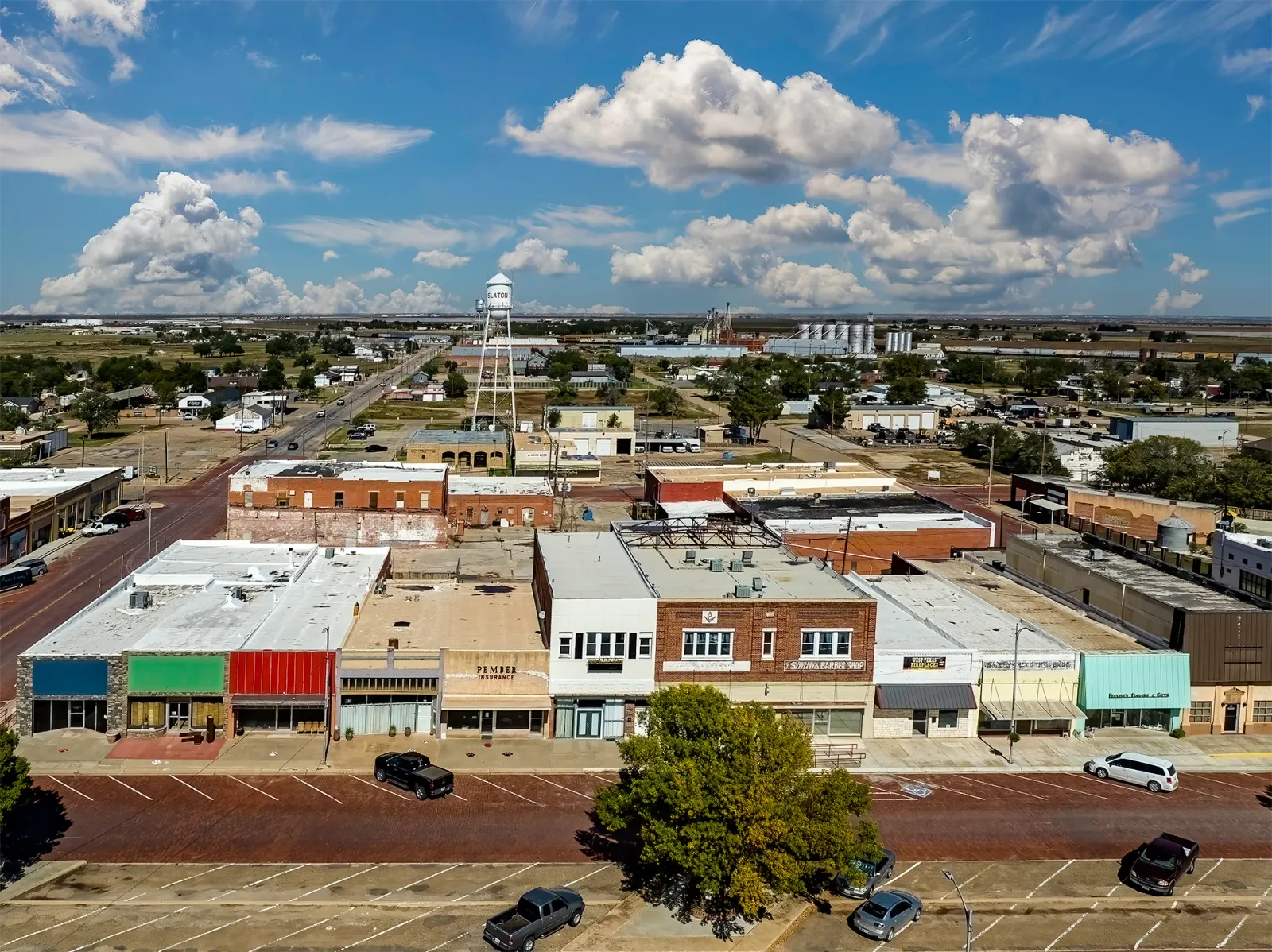
Slaton sits on the flat, clay-heavy plains southeast of Lubbock, where sudden thunderstorms, hard freezes, and dry, wind-driven dust all take turns testing local homes. Property damage here rarely arrives slowly - it shows up in a single afternoon downpour or an overnight pipe burst.
Lubbock Steamer Restoration & Cleaning handles water and fire emergencies for Slaton homeowners and business owners around the clock, coordinating extraction, drying, cleaning, and rebuild-ready repairs under one roof.
- Water Damage Restoration - extraction, structural drying, moisture mapping, and monitoring until materials return to normal readings.
- Flooded Basement - pump-outs, cellar and storm shelter drying, and treatment of below-grade walls and floors.
- Sewage Cleanup - containment, removal of contaminated materials, and antimicrobial cleaning after backups or septic failures.
- Fire Damage Restoration - debris removal, structural cleaning, contents handling, and coordination with insurance adjusters.
- Smoke Damage Restoration - soot removal from surfaces and HVAC systems, plus odor treatment that reaches porous materials.
- Mold Removal - containment, controlled removal, and drying that addresses the moisture source rather than only the visible growth.
The benefit for Slaton residents is straightforward: faster response, fewer materials lost, and a clear record of what was done for insurance purposes.
Common Damage Restoration Issues in Slaton, Texas
West Texas weather swings hard, and local homes absorb the impact. Most calls in Slaton trace back to a short list of repeat causes.
- Frozen and burst supply lines - uninsulated pipes in crawlspaces, attics, and exterior walls split during January cold snaps.
- Flash flooding - heavy spring and late-summer storms overwhelm yard drainage on flat lots, pushing water toward slab foundations.
- Sewer and septic backups - saturated soil and grease-loaded older lines cause reverse flow into tubs, floor drains, and laundry areas.
- Roof and window leaks - hail and straight-line winds open entry points that go unnoticed until ceiling stains appear.
- Appliance failures - water heaters, supply hoses, and ice maker lines account for a steady share of interior flooding.
- Kitchen and electrical fires - grease flare-ups and aging wiring in older homes produce smoke that travels far beyond the burn area.
Warning Signs Worth Acting On
- Musty odor in closets, under sinks, or near baseboards after a storm
- Buckling or cupping wood floors and soft spots in laminate
- Paint bubbling on drywall or tape seams lifting at ceiling joints
- Slow drains in multiple fixtures at the same time
- Lingering smoke smell that returns when the HVAC runs
- Unexplained jump in the water bill with no visible leak
Damage compounds quickly in this climate. Water that sits overnight often becomes a mold question within days.
Neighborhoods We Serve in Slaton
Crews cover the full city and the surrounding rural stretches of southeastern Lubbock County.
- Downtown Slaton and the historic district near the Harvey House and railroad corridor
- Established residential blocks around West Crosby Street and West Garza Street
- Neighborhoods near Slaton High School, Austin Elementary, and the Slaton ISD campuses
- Homes bordering US 84 and the FM 41 corridor
- Newer builds and acreage properties on the north and west edges of town
- Surrounding communities including Posey, Wilson, Southland, Ransom Canyon, and Lubbock's southeast side
Rural properties on septic systems and well water get the same response as in-town addresses, with extra attention to contamination screening and off-grid drying setups.
Seasonal Damage Patterns in Slaton
- December through February - freeze events dominate. Burst pipes, split hose bibs, and heater-related fires drive the majority of emergency calls, often clustered in the 48 hours after a hard freeze breaks.
- March through May - severe storm season. Hail, wind-driven rain, and flash flooding bring roof leaks, flooded cellars and basements, and the first mold growth of the year.
- June through August - heat and humidity combine. Air conditioner condensate line clogs, refrigerator line failures, and rapid mold amplification in poorly ventilated spaces are common.
- Late August through September - monsoon-pattern downpours overwhelm drainage and stress sanitary sewer lines, producing sewage backups.
- October through November - grass fire risk climbs with dry vegetation and wind, while early heating system startups cause smoke and puff-back damage.
Two windows matter most for prevention: insulate plumbing before Thanksgiving, and clear gutters and yard drainage before spring storms arrive.
Housing Characteristics & Restoration Considerations
Slaton's housing stock skews older than the Lubbock metro average, with a large share built between the 1920s and 1970s during the railroad and agricultural boom years. Newer construction sits mostly on the outskirts.
Common Construction Types
- Pier-and-beam homes with crawlspaces - vulnerable to standing water, subfloor rot, and hidden mold growth under the living space.
- Post-1970s slab-on-grade - water spreads laterally under flooring and wicks up drywall, requiring flood cuts and cavity drying.
- Brick veneer over wood frame - traps moisture between the veneer and sheathing, slowing natural drying.
- Storm cellars and partial basements - relatively rare but prone to groundwater intrusion and sewage backflow.
What Older Homes Change About Restoration
- Plaster and lath absorb water differently than modern drywall and need slower, monitored drying.
- Original hardwood may be salvageable with specialized drying instead of replacement.
- Cast iron and galvanized drain lines corrode, raising the odds of sewage backups.
- Homes built before 1980 may contain asbestos or lead paint, which requires testing before demolition.
- Balloon-frame wall cavities let smoke and odor travel between floors, so cleaning must extend past the visible damage.
- Original knob-and-tube or aluminum wiring remains a fire risk in a handful of properties.
Documenting these details early keeps repair scopes accurate and prevents surprises during reconstruction.
Environmental Conditions & Damage Implications
The South Plains climate shapes how damage behaves here. Low average humidity helps drying, but that advantage disappears fast inside a closed wall cavity.
Climate and Air
- Semi-arid conditions with roughly 19 inches of annual rainfall, much of it in short, intense bursts
- Wide daily temperature swings that cause condensation on cold surfaces and in ductwork
- Frequent dust and blowing soil that loads HVAC filters and mixes with soot after a fire, making smoke residue harder to remove
- Strong prevailing winds that spread grass fire risk and drive rain into wall assemblies
Soil and Water
- Expansive clay soils - swell when wet and shrink in drought, stressing slabs and opening cracks that admit groundwater
- Flat terrain with limited natural runoff - water ponds against foundations rather than draining away
- Hard, mineral-heavy water - accelerates scale buildup and pinhole leaks in supply lines and water heaters
- Rural septic systems - saturated drain fields after storms increase backup risk
These conditions mean mold rarely announces itself on the surface. It develops behind cabinets, under vinyl plank, and inside exterior wall cavities where the dry outdoor air never reaches. Moisture meters and thermal imaging find what a visual walkthrough misses.
Working With Insurance and Knowing What Happens Next
The most stressful part of a loss in Slaton is usually not the water or the smoke - it is not knowing what the process looks like. Clear communication at every step removes that uncertainty.
How a Typical Restoration Project Unfolds
- Emergency call and dispatch - a crew is routed from the Lubbock area, and you receive guidance on shutting off water or leaving the structure until arrival.
- Inspection and documentation - moisture readings, photos, and affected-area mapping are recorded before any material is removed.
- Stabilization - extraction, board-up, tarping, or containment stops the damage from spreading.
- Scope review - you see the plan in writing, including which materials can be dried and which need removal, before work continues.
- Drying and cleaning - equipment is placed and monitored daily, with readings logged and shared.
- Verification - drying goals confirmed, odor and surface testing completed for fire and mold projects.
- Repair coordination - flooring, drywall, paint, and finish work to return the space to pre-loss condition.
What Transparency Should Look Like
- Written documentation you can forward directly to your adjuster
- Daily moisture logs rather than vague progress updates
- Photographs of hidden damage before demolition
- Explanations of why specific materials are being removed instead of dried
- A single point of contact who answers questions between visits
Insurance carriers in Texas generally expect prompt mitigation to prevent secondary damage such as mold. Calling early - even before the claim is filed - protects both the property and the claim itself. Help is available 24/7 for Slaton residents facing water intrusion, sewage contamination, fire, smoke, or mold concerns.





