
Damage Restoration in Aransas Pass, TX
- Damage Restoration Services Overview
- Common Damage Restoration Issues in Aransas Pass, Texas
- Neighborhoods We Serve in Aransas Pass
- Seasonal Damage Patterns in Aransas Pass
- Housing Characteristics & Restoration Considerations
- Environmental Conditions & Damage Implications
- Storm Recovery, Insurance Documentation and Clear Communication
Damage Restoration Services Overview
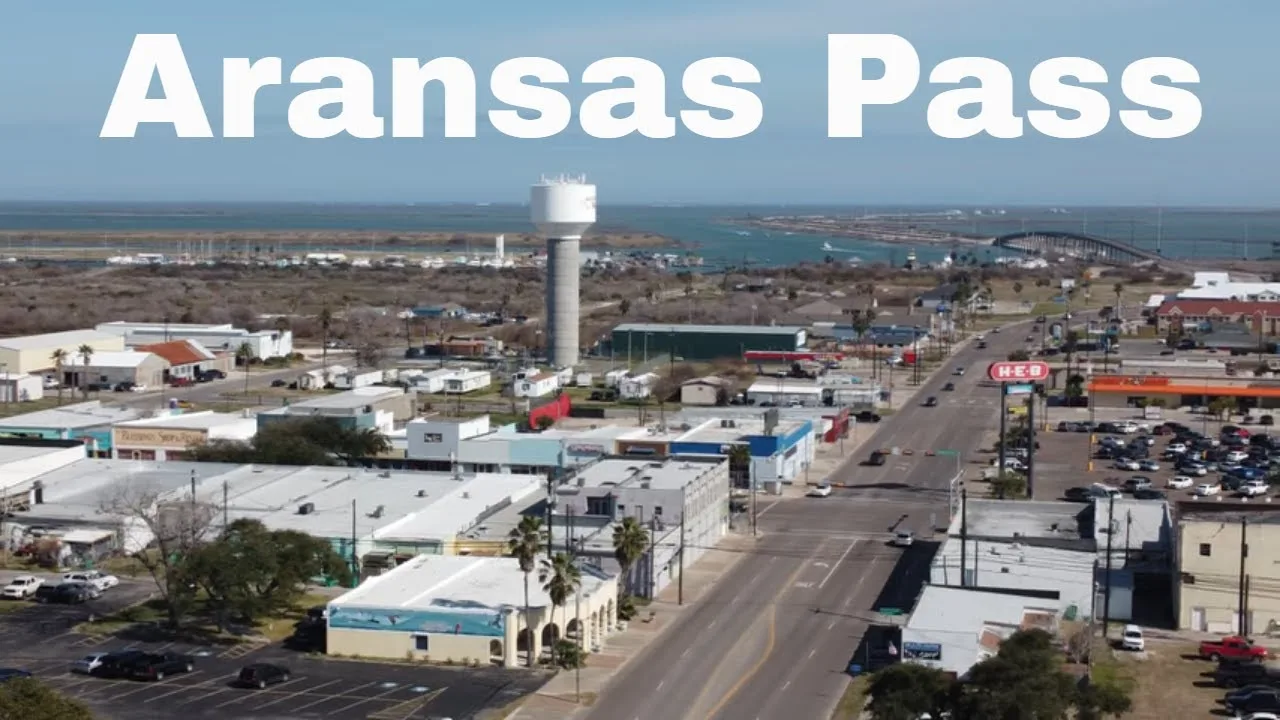
What would you do if you walked into your Aransas Pass home tomorrow morning and found water spreading across the floor - or smelled smoke where there shouldn't be any? Property damage rarely announces itself in advance, and in a coastal community shaped by storms, tides and humidity, the clock starts running the moment moisture or soot touches building materials.
Restoration work covers a wide range of emergencies, and each one demands a different response:
- Water Damage Restoration - extraction, structural drying and moisture mapping after leaks, roof failures or storm intrusion
- Flooded Basement - pump-out, decontamination and drying for below-grade rooms, crawl spaces and sunken slabs
- Sewage Cleanup - removal of contaminated material, antimicrobial treatment and safe disposal after backups or septic failures
- Fire Damage Restoration - debris removal, structural stabilization and rebuilding of burned areas
- Smoke Damage Restoration - soot removal from surfaces, HVAC cleaning and odor neutralization
- Mold Removal - containment, controlled removal of colonized materials and humidity correction
The benefit to Aransas Pass property owners is straightforward: faster containment means fewer materials thrown away, less disruption for families and businesses, and cleaner documentation for insurance claims.
Common Damage Restoration Issues in Aransas Pass, Texas
Aransas Pass sits at the edge of the Gulf, where flat elevation, salt air and tropical moisture combine to stress buildings year-round. The community still carries the memory of storms that left virtually every structure in town with some level of damage, and recovery timelines stretched across many months.
Since August 2024 alone, the area logged 11 confirmed severe weather reports - including a tornado, three large hail events and six damaging wind reports. Each of those events creates entry points for water.
Local Causes of Damage
- Wind-driven rain forced under shingles, flashing and window seals
- Hail bruising that opens roof decking weeks or months before a leak appears
- Tidal surge and heavy rainfall overwhelming low-lying yards and drainage
- Sanitary sewer backups when stormwater infiltrates the collection system
- Electrical fires from storm-damaged wiring, plus grill and kitchen fires
- Chronic humidity feeding mold behind baseboards, vinyl flooring and cabinets
Warning Signs Worth Acting On
- Musty odor that intensifies when the air conditioner cycles on
- Cupping or lifting flooring planks near exterior walls
- Ceiling stains that darken at the edges after each rain
- Gurgling drains or slow toilets, often the first hint of a sewage backup
- Persistent smoke odor returning on hot, humid days after a small fire
- Condensation on interior walls or visible growth on closet contents
Neighborhoods We Serve in Aransas Pass
Crews respond throughout Aransas Pass and the surrounding San Patricio, Aransas and Nueces County communities.
- Central Aransas Pass - older bungalows and downtown commercial buildings along Wheeler Avenue
- Conn Brown Harbor area - marine businesses, warehouses and waterfront structures
- Bayside and canal-front neighborhoods - homes with docks and elevated foundations
- Palm Harbor and nearby residential subdivisions
- North Aransas Pass and Highway 35 corridor properties
- Surrounding communities - Ingleside, Ingleside on the Bay, Portland, Gregory, Taft, Rockport, Fulton and Port Aransas
RV parks, coastal rental properties, seafood processing facilities and small manufacturing shops all present different restoration challenges, from saltwater intrusion to grease-laden smoke residue. Local familiarity matters when access roads flood or when a barrier island property needs equipment staged before conditions worsen.
Seasonal Damage Patterns in Aransas Pass
Spring (March - May)
- Severe thunderstorms bring hail and damaging wind, opening roofs to water damage
- Rising humidity restarts mold growth in spaces that stayed damp over winter
- Heavy downpours overwhelm yard drainage and fill sunken garages and below-grade rooms
Summer (June - August)
- Peak hurricane and tropical storm season drives flooding and sewage backups
- Air conditioning condensate line clogs cause hidden ceiling and wall saturation
- High dew points make mold removal the most requested service of the year
Fall (September - November)
- Late-season tropical systems and king tides push water into low-lying blocks
- Post-storm power restoration and generator misuse contribute to fire damage
- Smoke damage from outdoor cooking and equipment fires increases
Winter (December - February)
- Occasional hard freezes burst supply lines in unheated slab and pier homes
- Space heater and fireplace incidents drive fire and smoke restoration calls
- Cool, damp stretches allow mold to persist in closed vacation properties
Housing Characteristics & Restoration Considerations
Aransas Pass housing stock spans mid-century wood-frame cottages, 1970s and 1980s brick-veneer ranch homes, newer elevated coastal construction and a large share of manufactured and modular units. Each type reacts to water and fire differently.
How Construction Affects the Work
- Pier-and-beam cottages - open crawl spaces trap humid air, so subfloor drying and vapor control come before flooring replacement
- Slab-on-grade ranch homes - water wicks into bottom plates and drywall; controlled removal of baseboards and cavity drying prevents hidden mold
- Manufactured homes - vinyl-backed drywall and particleboard flooring absorb water quickly and often require material removal rather than drying
- Elevated post-storm rebuilds - ground-level enclosures function like basements here and are the first area to flood
- Older buildings pre-1980 - may contain asbestos-bearing floor tile or lead paint, requiring testing before demolition
Common Restoration Complications
- Layered flooring from decades of renovations that hides trapped moisture
- Blown-in or batt insulation that holds soot and odor after a fire
- Ductwork routed through humid attics, spreading smoke residue and spores
- Retrofitted plumbing under slabs that complicates sewage cleanup and locating leaks
Documenting materials and moisture readings room by room keeps repairs proportionate - saving what can be dried and replacing only what cannot.
Environmental Conditions & Damage Implications
The local environment works against building assemblies almost every day of the year. Average humidity stays high, and salt-laden air accelerates corrosion on fasteners, ductwork and electrical components.
Climate and Air
- Long warm season with dew points that keep interior surfaces near mold-growth conditions
- Salt aerosol from the bay and ship channel corrodes metal weakened by fire or water
- Coastal wind carries fine grit that bonds with soot, making smoke residue harder to wipe away
Water and Soil
- Shallow water tables mean below-grade spaces refill even after pumping until surrounding soil drains
- Clay-rich, poorly draining soils hold rainfall against foundations and slow yard recovery
- Brackish floodwater is treated as contaminated - it carries bacteria, fuel residue and marine debris
- Stormwater infiltration into sewer lines raises the odds of backups during heavy rain
What This Means for Restoration
- Drying plans use dehumidification sized for coastal humidity, not inland averages
- Saltwater-exposed materials get rinsed and neutralized, not simply dried
- Mold clearance depends on correcting humidity sources - ventilation, condensate lines and vapor barriers
- Sewage and floodwater cleanup includes antimicrobial application and disposal of porous contents
The City of Aransas Pass also publishes flood prevention and mitigation resources, and pairing those measures with proper drying reduces repeat losses.
Storm Recovery, Insurance Documentation and Clear Communication
After a major coastal event, the hardest part for many Aransas Pass property owners is not the water itself - it is understanding what happens next. When damage is widespread and recovery stretches across months, honest updates matter as much as equipment.
What a Transparent Restoration Process Looks Like
- Emergency contact and safety review - confirming power, gas and structural stability before anyone enters
- Documented inspection - photos, moisture meter readings and thermal imaging recorded room by room
- Written scope explanation - what will be dried, what must be removed and why, in plain language
- Containment and extraction - water removal, sewage decontamination or soot containment as the situation requires
- Structural drying with daily monitoring - readings logged and shared, not just equipment left running
- Mold prevention or removal - antimicrobial treatment, containment barriers and negative air where growth exists
- Odor and surface restoration - HVAC cleaning, sealing and deodorization after fire or smoke events
- Final walkthrough - verification readings and a complete file for the insurance claim
Questions Worth Asking Any Restoration Company
- Will you provide moisture readings and photos I can share with my adjuster?
- Which materials are being removed, and what is the reason for each?
- How will humidity be controlled once equipment is pulled?
- Who is my single point of contact for daily updates?
- Are subcontractors used for reconstruction, and how is that coordinated?
Reviews across the Aransas Pass and Coastal Bend market consistently reward companies that explain the process and show up when they say they will. Storm recovery here is a marathon - steady communication is what keeps homeowners confident from the first extraction to the last coat of paint.





