
Damage Restoration in Sinton, TX
- Damage Restoration Services Overview
- Common Damage Restoration Issues in Sinton, Texas
- Neighborhoods We Serve in Sinton
- Seasonal Damage Patterns in Sinton
- Housing Characteristics & Restoration Considerations
- Environmental Conditions & Damage Implications
- Hurricane and Tropical Storm Recovery for San Patricio County Properties
Damage Restoration Services Overview
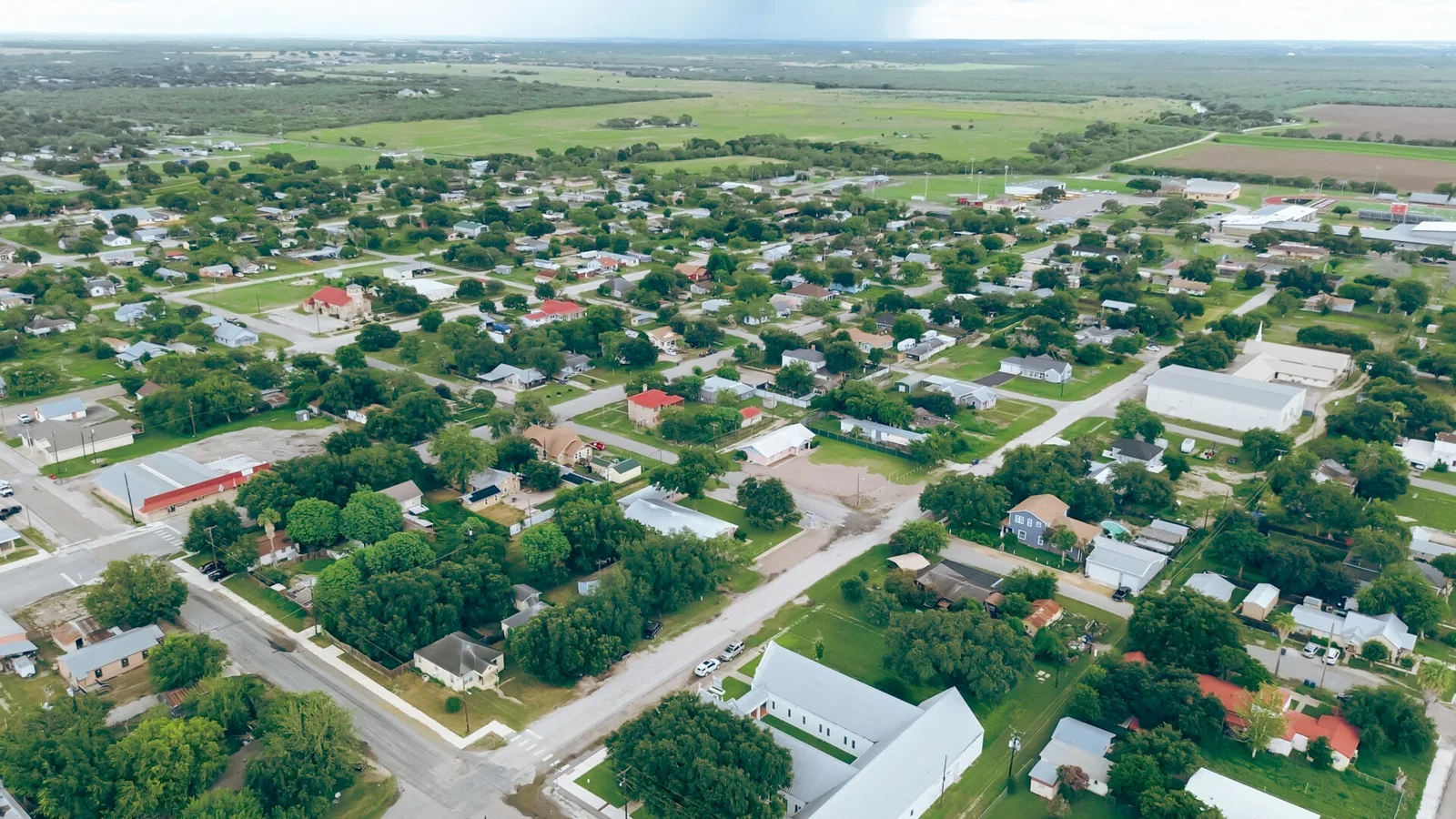
Water that sits for a weekend does not simply dry out in Sinton's humidity - it wicks into drywall, swells baseboards, and seeds mold colonies inside wall cavities where nobody sees them until the smell arrives. Fire leaves behind acidic soot that keeps etching metal, glass, and finishes long after the flames are out. Sewage backups leave bacteria in porous materials that no household cleaner will neutralize.
Full-service restoration in San Patricio County covers the entire recovery arc, from emergency extraction to rebuilding the parts of the structure that were lost:
- Water Damage Restoration - extraction, structural drying, moisture mapping, and repairs to walls, ceilings, flooring, and roofing systems
- Flooded Basement - pump-out, sump and drainage evaluation, and drying of below-grade or partially sunken living space
- Sewage Cleanup - removal of contaminated materials, disinfection, and safe disposal following biohazard protocols
- Fire Damage Restoration - debris removal, structural repair, content cleaning, and rebuild of damaged framing and roof decking
- Smoke Damage Restoration - soot removal from surfaces and HVAC systems, plus odor neutralization
- Mold Removal - containment, remediation, air quality restoration, and prevention planning
Acting quickly protects the resale value of your Sinton home, limits out-of-pocket costs your policy may not cover, and keeps a single-room problem from becoming a whole-house rebuild.
Common Damage Restoration Issues in Sinton, Texas
Sinton sits roughly 30 miles inland from Corpus Christi Bay, close enough to feel tropical systems and far enough that residents sometimes underestimate them. The Nueces River basin, Chiltipin Creek, and flat coastal prairie drainage all shape the kinds of damage local properties see.
Frequent Causes of Property Damage
- Tropical storm and hurricane rainfall overwhelming yard drainage and roof systems
- Wind-driven rain forced under shingles, through ridge vents, and around window flashing
- Aging cast iron and clay sewer laterals failing under expansive clay soil movement
- Municipal line surcharging during heavy rain, pushing sewage back into low fixtures
- Supply line and water heater failures in slab homes, where leaks spread laterally under flooring
- Grass and brush fires during dry spells, plus kitchen and electrical fires in older wiring
- Air conditioner condensate line clogs - a year-round issue in Gulf Coast humidity
Warning Signs Worth Calling About
- Musty odor that intensifies when the AC cycles on
- Baseboards that feel soft, or tile grout that stays dark days after cleaning
- Flooring that cups, buckles, or lifts near exterior walls
- Ceiling stains that reappear after painting over them
- Gurgling drains or slow tubs during and after heavy rain
- Lingering smoke smell that returns on humid days after a minor fire
- Unexplained allergy or asthma flare-ups among household members
Neighborhoods We Serve in Sinton
Crews respond throughout Sinton and the surrounding San Patricio County communities, covering both older in-town blocks and newer development on the outskirts.
- Downtown Sinton and the historic residential blocks near San Patricio County Courthouse
- Neighborhoods along and off North Highway 181 and East Sinton
- Areas surrounding Sinton High School and the school district campuses
- Homes and ranch properties along FM 1945, FM 881, and Highway 77 corridors
- Rural acreage between Sinton and the Chiltipin Creek bottoms
Nearby service coverage extends to Odem, Taft, Gregory, Portland, Mathis, Edroy, Aransas Pass, and greater Corpus Christi. Familiarity with these routes matters after a storm, when Highway 181 and 77 may be congested or partially blocked - knowing alternate farm-to-market approaches keeps response times short when water is still rising inside a property.
Seasonal Damage Patterns in Sinton
Spring (March - May)
- Severe thunderstorms with hail and straight-line winds damaging roofs
- First heavy rains exposing winter-cracked flashing and clogged gutters
- Rising humidity restarting dormant mold growth in attics and closets
Summer (June - August)
- Peak hurricane season beginning June 1 - flooding, wind, and roof loss
- AC condensate overflow saturating ceilings and hallway flooring
- Dry, hot stretches raising grass and brush fire risk on rural parcels
Fall (September - November)
- Highest tropical activity in September, with sewage backups from surcharged lines
- Post-storm mold blooms in homes that lost power and air conditioning
- Slow-drying below-grade and sunken rooms after prolonged saturation
Winter (December - February)
- Occasional hard freezes bursting uninsulated pipes and hose bibs
- Heating equipment, fireplace, and space heater fires with heavy smoke residue
- Holiday cooking fires producing greasy soot that spreads through ductwork
Housing Characteristics & Restoration Considerations
Sinton's housing stock spans early-to-mid twentieth century frame homes near the town center, 1960s-1980s brick ranch construction, manufactured homes on rural lots, and newer slab-on-grade builds. Each type reacts differently when water, smoke, or sewage enters.
How Local Construction Affects Restoration
- Pier-and-beam homes - crawl spaces trap standing water and humidity, making subfloor drying and mold remediation a separate task from the living space above
- Slab-on-grade homes - leaks travel under vinyl, laminate, and tile, requiring moisture mapping and sometimes cutting flooring to dry the slab surface
- Older plaster and shiplap walls - hold water longer than modern drywall and need controlled drying to prevent cracking
- Brick veneer with wood framing - traps wind-driven rain behind the veneer, hiding damage until sheathing rots
- Manufactured housing - underbelly insulation absorbs floodwater and generally must be removed rather than dried
- Sunken dens, storm shelters, and partial basements - rare locally but the lowest point in the house, so they collect both stormwater and sewage backups
Common Complicating Factors
- Asbestos-containing floor tile or joint compound in homes built before the late 1970s
- Cast iron drain lines nearing end of service life beneath slabs
- Aluminum or knob-and-tube era wiring contributing to fire risk in older properties
- Attic insulation that holds smoke odor and must be removed after a fire
Restoration here routinely includes rebuild work - drywall, ceilings, cabinetry, roofing, and structural repair - not just drying equipment.
Environmental Conditions & Damage Implications
Coastal Bend conditions accelerate nearly every form of secondary damage. Relative humidity in Sinton often stays above 70 percent, which means a home does not passively dry - it needs mechanical dehumidification and controlled airflow.
Local Conditions That Shape Restoration Work
- Humidity and warmth - mold can establish within roughly 24 to 48 hours on wet cellulose materials like drywall paper and cabinet backs
- Expansive clay soils - shrink in drought and swell after rain, stressing slabs and cracking sewer laterals
- Flat prairie drainage - water pools around foundations rather than running off, driving moisture through slab edges and crawl space vents
- High water table after heavy rain - hydrostatic pressure pushes water into any below-grade space and slows pump-out
- Salt-laden coastal air - combines with fire soot to corrode wiring, appliances, HVAC coils, and metal fixtures quickly
- Agricultural surroundings - runoff can carry fertilizer, pesticide, and organic contaminants into floodwater, raising it to a category that requires disinfection
What This Means Practically
- Floodwater in Sinton should be treated as contaminated until proven otherwise
- Drying plans need dehumidification sized for coastal humidity, not textbook averages
- Smoke deodorization must include HVAC cleaning, since ducts recirculate odor in a closed, air-conditioned home
- Post-remediation moisture and air quality verification prevents repeat mold growth
Hurricane and Tropical Storm Recovery for San Patricio County Properties
Sinton residents remember what a major landfall does to this area - roofs peeled back, days without power, and interiors that sat wet in August heat. Storm recovery is a distinct discipline because it combines wind damage, water intrusion, contaminated flooding, and often sewage backup in a single event.
What a Coordinated Storm Response Looks Like
- Emergency stabilization - roof tarping, board-up of broken windows and doors, and debris removal to stop ongoing intrusion
- Water extraction - pumping standing water from living areas, crawl spaces, and any below-grade rooms before drying begins
- Contamination assessment - identifying whether floodwater carried sewage, agricultural runoff, or fuel, which determines what materials can be saved
- Controlled demolition - removing saturated drywall, insulation, carpet pad, and damaged furnishings that cannot be dried
- Structural drying - air movers, dehumidifiers, and daily moisture readings until materials return to normal levels
- Antimicrobial treatment - disinfecting framing and subfloor to interrupt mold growth
- Reconstruction - rebuilding walls, ceilings, flooring, cabinetry, and roofing systems back to pre-loss condition
Preparing Before the Next Named Storm
- Photograph every room, including inside closets and cabinets, and store images off-site
- Keep a current copy of your policy, including flood coverage, which is separate from homeowners insurance
- Have gutters, downspouts, and yard drainage cleared before June
- Install or test a backwater valve if your home has had sewage backup before
- Know where your main water shutoff and electrical panel are located
- Elevate valuables and mechanical equipment in any sunken or below-grade space
Documentation matters as much as equipment. Detailed moisture logs, photographs, and material inventories support your insurance claim and reduce disputes over what was damaged and why - a difference Sinton homeowners feel most in the weeks after the storm passes.





