
Damage Restoration in Portland, TX
- Damage Restoration Services Overview
- Common Damage Restoration Issues in Portland, Texas
- Neighborhoods We Serve in Portland
- Seasonal Damage Patterns in Portland
- Seasonal Damage Patterns in Portland
- Housing Characteristics & Restoration Considerations
- Environmental Conditions & Damage Implications
- Hurricane Season Readiness and Post-Storm Restoration in the Coastal Bend
Damage Restoration Services Overview
What would you do if you walked into your Portland home tomorrow morning and found water spreading across the tile, or the smell of smoke clinging to every wall? Property damage rarely announces itself. It arrives during a Gulf storm, after a supply line splits, or when a slow leak behind a wall finally shows itself as a dark stain.
Restoration work in the Coastal Bend covers a wide range of emergencies, and each one calls for different equipment, drying strategies, and cleaning chemistry.
- Water Damage Restoration - extraction, structural drying, moisture mapping, and monitoring until materials reach dry standard.
- Flooded Basement - pump-out and drying for below-grade rooms, storm shelters, sunken slabs, and crawl spaces.
- Sewage Cleanup - removal of contaminated water and porous materials, followed by antimicrobial treatment of affected surfaces.
- Fire Damage Restoration - board-up, debris removal, soot cleaning, and rebuilding of damaged structural elements.
- Smoke Damage Restoration - odor counteracting, HVAC cleaning, and treatment of surfaces holding residue.
- Mold Removal - containment, controlled removal, and correction of the moisture source that fed the growth.
Benefits for Portland property owners are practical: faster reoccupancy, fewer secondary losses, cleaner insurance documentation, and a healthier indoor environment for families living close to the bay.
Common Damage Restoration Issues in Portland, Texas
Portland sits on the bluff above Nueces Bay, which means wind, salt air, and tropical moisture shape nearly every loss we see. Humidity here rarely drops low enough to dry a structure on its own.
Frequent Causes of Loss
- Hurricane and tropical storm bands driving rain through roof decking, soffits, and window flashing
- Slab leaks and copper pinhole failures in older subdivisions
- Water heater ruptures in garages and utility closets
- Sanitary sewer backups when heavy rainfall overwhelms lines and lift stations
- Kitchen fires, grill fires on patios, and electrical faults in aging panels
- Condensate line clogs on air handlers running nearly year-round
Warning Signs Worth Acting On
- Musty odor near baseboards, closets, or interior walls that share plumbing
- Buckled laminate, cupping wood planks, or tile that sounds hollow underfoot
- Water rings on ceilings after a windy rain event
- Gurgling drains or slow toilets - often the first hint of a sewer line problem
- Soot streaks above outlets, doorways, or return air vents
- Persistent smoke odor that returns when the air conditioning cycles on
Seasonal timing matters. Late summer brings the highest storm risk, while winter fronts can crack exposed hose bibs and irrigation backflow devices. Mold follows nearly every one of these events if drying is delayed - warm coastal air plus trapped moisture is all it takes.
Neighborhoods We Serve in Portland
Response covers Portland proper and the surrounding San Patricio County communities, including bayfront properties and inland subdivisions.
- Northshore Country Club - larger homes, custom builds, and irrigation-related water losses
- Sunset Lake and the bluff area - properties exposed to bay wind and wind-driven rain
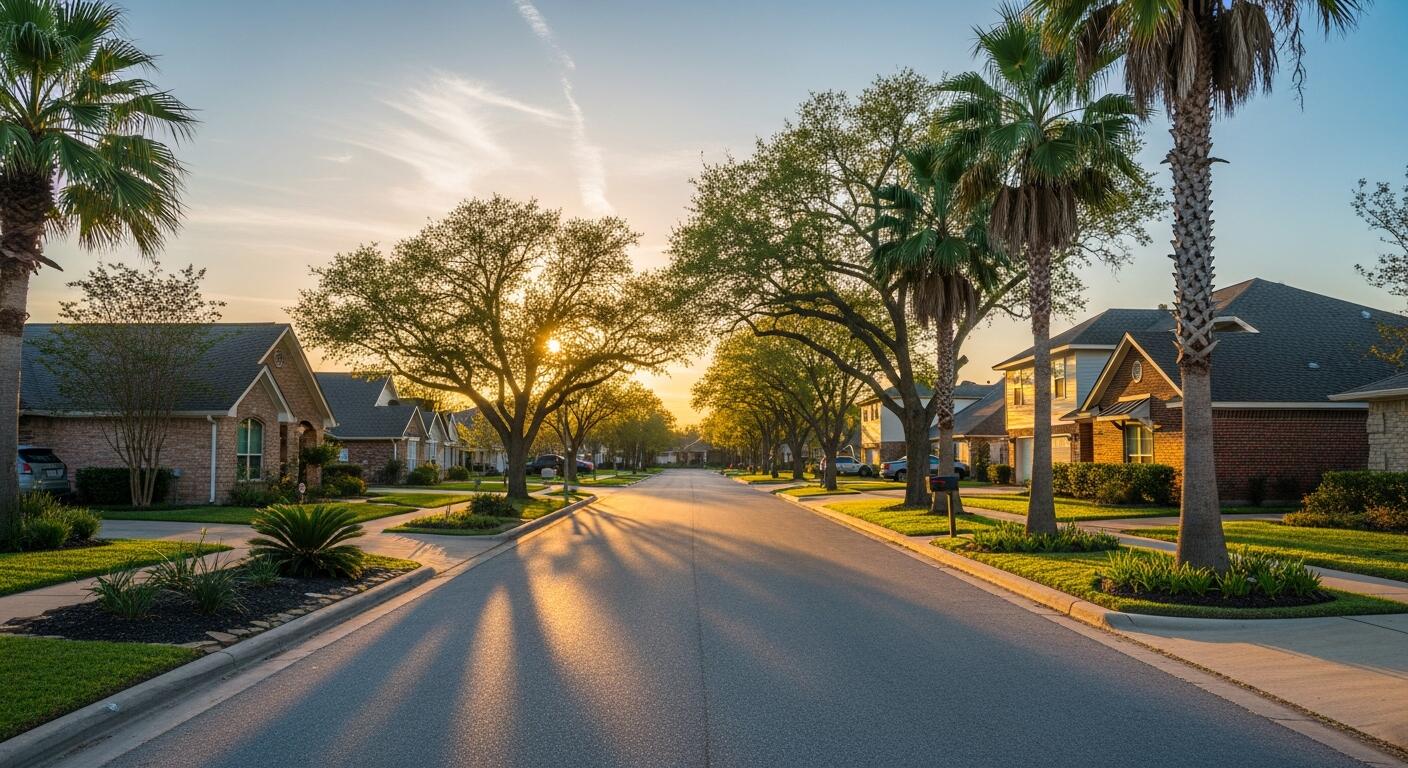
- Wildcat Creek and Moore Avenue corridors - established residential streets with mature trees
- Downtown Portland and Broadway Boulevard businesses - retail, office, and restaurant losses
- Country Club Estates and newer east-side developments
Service also extends to Gregory, Taft, Ingleside, Ingleside on the Bay, Aransas Pass, Rockport, Odem, and across the Harbor Bridge into North Corpus Christi. Crews familiar with these routes reach properties quickly during storm surges when traffic patterns and road closures change hour to hour.
Seasonal Damage Patterns in Portland
Seasonal Damage Patterns in Portland
- January - February: Hard freezes are uncommon but severe when they arrive. Burst hose bibs, split PVC irrigation lines, and attic supply line failures create sudden water damage. Space heater and fireplace fires rise during cold snaps.
- March - May: Spring thunderstorms deliver heavy rainfall in short bursts. Expect roof leaks, drainage backups into low-lying rooms, and the first mold calls of the year as humidity climbs.
- June - August: Peak heat and dew points. Air conditioning condensate overflows, ductwork sweating, and mold growth behind furniture and inside closets dominate. Grill and outdoor kitchen fires increase.
- August - October: Hurricane season peak. Wind-driven rain, storm surge near the bay, sewage backups from overwhelmed lines, and flooded below-grade spaces. Generator misuse also drives fire and smoke losses during outages.
- November - December: Cooking fires around the holidays, chimney and flue issues, and smoke odor complaints. Cooler nights push condensation onto interior surfaces where mold can start.
Mold removal calls follow every category by two to six weeks - which is why fast drying after any water event matters more here than in drier parts of Texas.
Housing Characteristics & Restoration Considerations
Portland's housing stock blends mid-century construction near the older core with rapid subdivision growth from the 1990s onward. Nearly all homes sit on concrete slabs, so true basements are rare - though sunken living rooms, garages, storm shelters, and commercial lower levels flood the same way.
How Construction Type Shapes the Work
- Slab-on-grade foundations: Water spreads laterally under flooring and wicks up drywall. Flooring removal and cavity drying with injection systems is often needed.
- Post-tension slabs: Common in newer builds; slab leak repair requires careful coordination before drying can finish.
- Brick veneer over wood framing: Traps moisture between veneer and sheathing after wind-driven rain, feeding hidden mold.
- Older 1950s - 1970s homes: May contain asbestos-bearing floor tile, mastic, or textured ceilings requiring testing before demolition after fire or water damage.
- Cast iron and clay sewer laterals: Found in established neighborhoods and prone to root intrusion and collapse, leading to sewage backups.
- Attic-mounted air handlers: A leading source of ceiling water damage and a fast pathway for smoke odor distribution.
Newer homes are tighter and better insulated, which is good for energy bills but means trapped moisture and smoke odor linger. Blown-in attic insulation absorbs soot and water readily and frequently needs removal rather than cleaning. Rebuild work is coordinated so drying, mold clearance, and reconstruction happen in the right order instead of sealing problems behind new drywall.
Environmental Conditions & Damage Implications
The Coastal Bend climate is humid subtropical, with average relative humidity that stays high through most of the year. That single factor changes how every restoration project is planned.
Local Conditions and What They Mean
- High dew points: Open-window drying is ineffective. Dehumidification and controlled airflow do the actual work.
- Salt-laden air: Accelerates corrosion on fasteners, HVAC coils, and electronics - a real concern after fire suppression water contacts metal.
- Expansive clay soils: Shrink in drought and swell after rain, stressing slabs and underground plumbing, which produces slab leaks and sewer line separation.
- Poor natural drainage in low areas: Standing water near foundations pushes moisture through slab edges and into wall cavities.
- Storm surge exposure along Nueces and Corpus Christi Bay: Floodwater arriving in these events is treated as contaminated and handled under sewage cleanup protocols.
- Regional industrial and refinery activity: Adds particulate load to outdoor air, so post-fire air filtration and HVAC cleaning matter for indoor air quality.
Mold species common to warm, humid coastal environments colonize damp gypsum and cellulose quickly. Containment barriers, negative air machines, and HEPA filtration keep spores from migrating during removal. Moisture readings are documented at the start, throughout drying, and at completion so there is verifiable proof the structure reached dry standard - not just a surface that feels dry to the touch.
Hurricane Season Readiness and Post-Storm Restoration in the Coastal Bend
Living between the bay and the Gulf means storm preparation is part of homeownership in Portland. When a named system enters the Gulf, restoration demand spikes across San Patricio and Nueces counties within hours of landfall.
Before a Storm Arrives
- Photograph each room, the roof line, and major contents so pre-loss condition is documented.
- Clear gutters, downspouts, and yard drains that route water away from the slab.
- Locate and test the main water shutoff valve and the electrical panel disconnect.
- Move documents, electronics, and irreplaceable items to interior, elevated storage.
- Confirm what your policy covers - wind, flood, and sewer backup are often separate.
After the Storm
- Treat standing floodwater as contaminated; avoid contact and keep children and pets clear.
- Board up broken windows and tarp roof openings to stop continuing intrusion.
- Document damage with photos and video before moving or discarding anything.
- Call for extraction and drying quickly - mold can begin establishing within a couple of days in this climate.
- Keep receipts for temporary repairs and lodging for your claim file.
How Custom Solutions Get Built
- Site stabilization first - power, safety hazards, and continuing water sources addressed before cleanup begins
- Moisture mapping with thermal imaging and meters to find hidden saturation behind cabinets and wall cavities
- Category and class assessment that determines whether materials are dried in place or removed
- Separate protocols for sewage, fire residue, and mold rather than one generic cleaning approach
- A single project manager assigned to oversee mitigation through reconstruction
- Insurance-ready documentation, including daily drying logs and photo records
Fire and smoke losses follow a parallel path: soot chemistry differs between protein fires, synthetic materials, and wood, so cleaning agents and sequencing are matched to what actually burned.





