Damage Restoration in Seneca County, OH
- Damage Restoration Services Overview
- Common Damage Restoration Issues in Seneca County, Ohio
- Neighborhoods We Serve in Seneca County
- Seasonal Damage Patterns in Seneca County
- Housing Characteristics & Restoration Considerations
- Environmental Conditions & Damage Implications
- Basement Flooding and Sewer Backup Response in Tiffin and Fostoria
Damage Restoration Services Overview
Water that sits for a weekend rarely stays a water problem. It becomes swollen subflooring, delaminated cabinet bases, rusted duct boots, and colonies of mold behind drywall that only show up months later as a musty odor nobody can locate.
The same delay principle applies after a fire. Acidic soot residue keeps etching metal, glass, and finished surfaces long after the flames are out, turning restorable contents into total losses.
Seneca County property owners have access to a full response range through IICRC-certified crews with more than 27 years of field experience:
- Water damage restoration - extraction, structural drying, moisture mapping, and monitored dry-down
- Flooded basement recovery - sump failures, foundation seepage, and storm surcharge cleanup
- Sewage cleanup - Category 3 handling, removal of porous materials, and antimicrobial treatment
- Fire damage restoration - emergency board-up, debris removal, structural cleaning, reconstruction
- Smoke damage restoration - soot removal, HVAC cleaning, odor neutralization, content care
- Mold removal - containment, HEPA filtration, controlled removal, post-remediation verification
Benefits for local homeowners and business operators include faster reoccupancy, fewer secondary losses, documentation that supports insurance claims, and salvage of materials that would otherwise be demolished.
Call (419) 451-4500 for response across Tiffin, Fostoria, and the surrounding townships.
Common Damage Restoration Issues in Seneca County, Ohio
Seneca County sits in the Sandusky River watershed on flat, clay-heavy ground that drains slowly. That combination puts pressure on basements and foundations year after year.
Frequent Causes of Loss
- Sump pump failure or power loss during heavy rain events
- Hydrostatic pressure pushing water through foundation cracks and cove joints
- Frozen and burst supply lines in unheated crawl spaces and basements
- Aging cast iron and clay sewer laterals backing up into floor drains
- Combined sewer surcharge in older sections of Tiffin and Fostoria
- Water heater, washing machine hose, and dishwasher supply line failures
- Wood stove, furnace, and space heater fires during cold months
- Kitchen grease fires that spread smoke through entire homes
Warning Signs Worth Acting On
- Efflorescence or white chalky residue on basement block walls
- Cupping or crowning hardwood near dishwashers and refrigerators
- A persistent earthy smell that intensifies when the HVAC runs
- Staining at the base of drywall or along baseboards
- Slow floor drains, gurgling toilets, or sewer odor near the basement
- Yellow-brown soot streaking above outlets and on ceiling corners
- Peeling paint or condensation on windows through winter
Delays multiply the damage. Mold can take hold in wet building materials within a short window, and sewage contamination affects everything porous it touches.
Neighborhoods We Serve in Seneca County
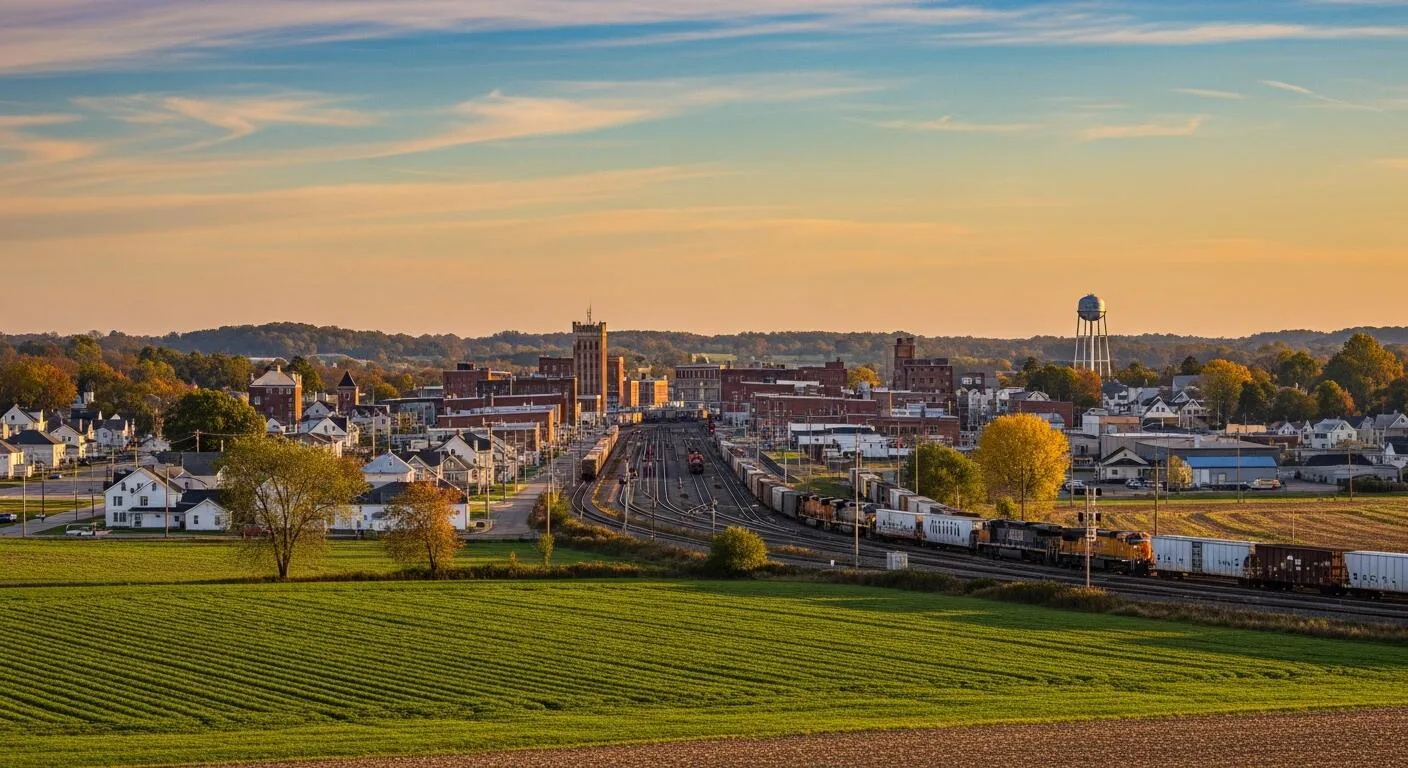
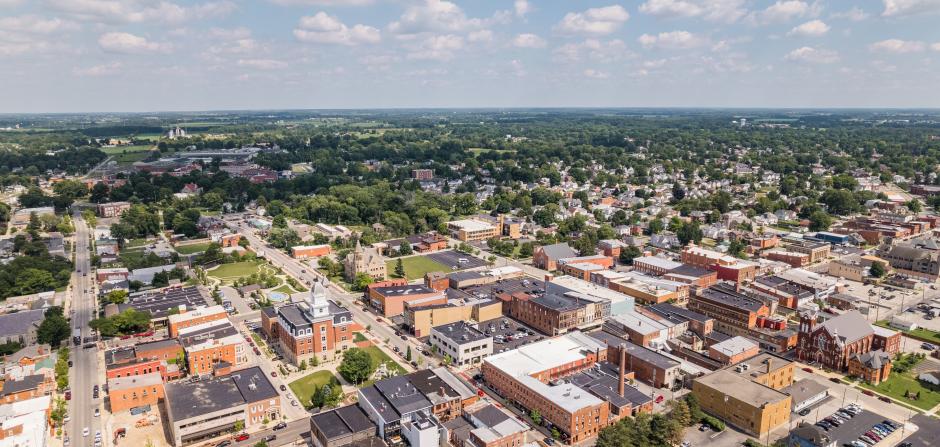
Coverage spans the entire county, from the county seat out to the rural townships.
- Tiffin - downtown historic districts, the Heidelberg and Tiffin University areas, East and West Tiffin neighborhoods
- Fostoria - residential blocks near the rail corridor and surrounding subdivisions
- Bettsville, Attica, Republic, Bloomville, Green Springs, New Riegel, Old Fort, Kansas, Bascom, Alvada, and Melmore
- Township properties in Clinton, Hopewell, Eden, Seneca, Big Spring, Loudon, and Thompson
- Adjacent areas in Huron, Sandusky, Wyandot, Hancock, and Crawford counties
Rural farmhouses, village bungalows, campus-area rentals, and commercial storefronts each present different construction and access challenges. Crews arrive equipped for well systems, septic conditions, and municipal sewer scenarios alike.
Seasonal Damage Patterns in Seneca County
Winter (December - February)
- Burst pipes during deep freezes and extended power outages
- Ice damming along low-slope roofs pushing water into ceilings
- Peak heating-related fire and smoke losses from furnaces, wood stoves, and chimneys
Spring (March - May)
- Snowmelt plus rainfall saturating clay soils and flooding basements
- Sandusky River and tributary rises affecting low-lying properties
- Sewer backups when systems reach capacity during sustained storms
Summer (June - August)
- Severe thunderstorms, wind-driven rain, and hail breaching the building envelope
- Mold growth accelerating in humid basements and closed vacation homes
- Air conditioner condensate line clogs quietly soaking ceilings and closets
Fall (September - November)
- Clogged gutters and downspouts redirecting water to foundations
- First furnace cycles releasing accumulated dust and puff-back soot
- Odor complaints surfacing after summer moisture problems went unaddressed
Housing Characteristics & Restoration Considerations
Seneca County housing skews older than the national average. Tiffin and Fostoria both hold large inventories of pre-1940 homes, and many rural properties date to the late nineteenth and early twentieth centuries.
Common Construction Types
- Late-1800s and early-1900s balloon-frame homes with plaster and wood lath
- Fieldstone and unmortared block foundations with dirt or partial-slab basements
- Post-war ranches with poured concrete basements and finished rec rooms
- Brick commercial buildings downtown with shared party walls
- Newer subdivision homes with engineered joists and OSB subfloor
- Farm properties with crawl spaces, outbuildings, and septic systems
How Age Affects Restoration
- Balloon framing creates open wall cavities that carry water, smoke, and fire vertically between floors
- Plaster and lath holds moisture longer than drywall and requires targeted drying rather than automatic removal
- Stone foundations allow seepage at multiple points, complicating flooded basement drying
- Pre-1980 materials may contain asbestos in floor tile, mastic, pipe wrap, and popcorn ceilings, requiring testing before demolition
- Lead paint in pre-1978 homes triggers containment requirements during fire and water repairs
- Finished basements hide moisture behind paneling and under carpet pad, extending mold risk
- Engineered joists lose structural capacity quickly when saturated
Every one of these factors changes the drying plan, the demolition scope, and the reconstruction path.
Environmental Conditions & Damage Implications
Northwest Ohio's climate and geology set the conditions for most losses here. Understanding them shapes how drying and remediation are executed.
Climate Factors
- Roughly 36 inches of annual precipitation spread across all four seasons
- Summer dew points that push basement relative humidity well past mold thresholds
- Lake Erie systems delivering heavy snow, lake-effect moisture, and ice storms
- Freeze-thaw cycling that widens foundation cracks year over year
Soil and Groundwater
- Glacial till and heavy lakebed clay that drain poorly and hold water against foundations
- Flat terrain across much of the county limiting natural runoff
- Agricultural tile drainage that can surcharge during intense rainfall
- Shallow water tables in parts of the Sandusky River corridor
Restoration Implications
- Dehumidification must be sized for both the water load and ambient humidity, not just square footage
- Clay-laden floodwater carries silt and agricultural runoff, often pushing losses into Category 3 territory
- Rural sewage cleanup may involve septic field failure alongside interior contamination
- Well water systems need evaluation after basement flooding and backflow events
- Smoke odor lingers longer in tightly sealed modern homes and in humid conditions
- Mold remediation follows IICRC S520 with containment, negative air, HEPA filtration, and post-remediation verification
Basement Flooding and Sewer Backup Response in Tiffin and Fostoria
Basements take the brunt of damage in Seneca County. Clay soils, aging municipal infrastructure, and older lateral lines combine to make flooded basements and sewer backups the most frequent calls in the area.
What Separates Clean Water From Contaminated Water
- Category 1 - a broken supply line or water heater, still sanitary at the moment of release
- Category 2 - discharge from appliances or seepage that carries contaminants
- Category 3 - sewer backup, septic overflow, or ground surface floodwater containing pathogens
Category 1 water degrades to Category 2 and then Category 3 as it sits, which is why response speed changes the entire scope of work.
The Response Sequence
- Safety assessment - electrical hazards, structural stability, contamination level, and gas shutoff verification
- Containment - isolating the affected area to keep contaminants out of living space and the HVAC system
- Extraction - truck-mounted and portable units removing standing water and heavy silt
- Selective removal - discarding carpet pad, saturated drywall, insulation, and porous contents touched by Category 3 water
- Cleaning and antimicrobial application - detailed cleaning of hard surfaces and framing
- Structural drying - air movers, low-grain dehumidifiers, and daily moisture readings until materials reach dry standard
- Verification and documentation - moisture logs, photos, and reports that support the insurance claim
- Reconstruction - flooring, drywall, trim, and finish work to return the space to prior condition
Reducing Repeat Losses
- Add a battery or water-powered backup sump pump
- Install a backwater valve on the sewer lateral where code permits
- Extend downspouts well away from the foundation
- Regrade soil so it slopes away from the house
- Run a properly sized dehumidifier through humid months
- Keep stored belongings on shelving rather than the floor
Call (419) 451-4500 for water, fire, smoke, sewage, or mold response anywhere in Seneca County.