Damage Restoration in Miami County, OH
- Damage Restoration Services Overview
- Common Damage Restoration Issues in Miami County, Ohio
- Neighborhoods We Serve in Miami County
- Seasonal Damage Patterns in Miami County
- Housing Characteristics & Restoration Considerations
- Environmental Conditions & Damage Implications
- Advanced Drying and Restoration Technology for Miami Valley Properties
Damage Restoration Services Overview
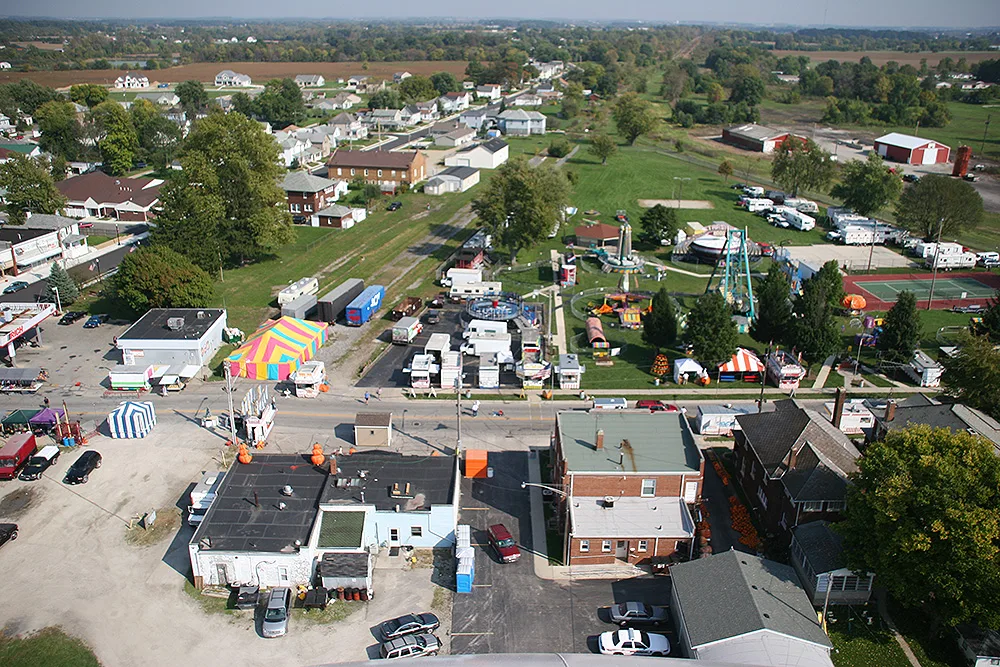
Miami County sits along the Great Miami River corridor, where a mix of river valley floodplain, aging housing stock, and Ohio's freeze-thaw winters creates restoration challenges you won't find in drier parts of the country. Properties in Troy, Piqua, and Tipp City face water intrusion from multiple directions - rising groundwater, wind-driven rain, and failing plumbing in homes built decades ago.
A single restoration partner handling every phase of recovery keeps documentation consistent and shortens the timeline between loss and repair.
Services Available Across Miami County
- Water Damage Restoration - extraction, structural drying, moisture mapping, and controlled dehumidification after supply line breaks, appliance failures, or roof leaks
- Flooded Basement - pump-out, contaminated material removal, sump system evaluation, and full drying of below-grade spaces
- Sewage Cleanup - Category 3 black water removal, antimicrobial treatment, and safe disposal of porous materials
- Fire Damage Restoration - emergency board-up, structural stabilization, debris removal, and reconstruction
- Smoke Damage Restoration - soot removal from walls and HVAC systems, thermal fogging, and odor neutralization
- Mold Removal - containment, air filtration, affected material removal, and moisture source correction
Why It Matters Locally
- Reduces secondary damage to framing, subfloor, and insulation
- Protects indoor air quality for households with allergies or asthma
- Creates the moisture readings and photo records insurers request
Common Damage Restoration Issues in Miami County, Ohio
The Great Miami River and its tributaries - Stillwater River, Lost Creek, and Honey Creek among them - produce localized flash flood events that push water into basements and crawl spaces. Floodwater entering below-grade space is classified as Category 3 in most scenarios because of groundwater contamination.
Frequent Causes of Loss
- Flash flooding from saturated ground and overwhelmed storm drains during spring thunderstorm clusters
- Wind-driven rain infiltration - water entering through compromised window seals, soffits, or flashing rather than an actual roof breach
- Sump pump failure during power outages, a leading cause of flooded basement calls in older subdivisions
- Sewer backups when combined municipal lines surcharge during heavy rain
- Frozen and burst pipes in uninsulated crawl spaces and exterior walls during January cold snaps
- Kitchen and electrical fires, plus heating-season incidents tied to space heaters and wood stoves
- Hidden mold colonies behind finished basement walls and under vinyl flooring
Warning Signs Worth Acting On
- Musty odor that intensifies after rainfall or when HVAC cycles on
- Efflorescence - white chalky residue - on block foundation walls
- Cupping or crowning hardwood planks near exterior doors
- Ceiling stains that expand after storms but appear dry between events
- Soot film reappearing on surfaces weeks after a small fire, signaling residue in ductwork
- Gurgling floor drains, a common precursor to sewage backup
Neighborhoods We Serve in Miami County
Coverage extends throughout the county and into the surrounding Miami Valley, with crews familiar with local building departments and municipal utility contacts.
- Troy - downtown historic district, Nottingham, Concord Township, and neighborhoods bordering the Great Miami levee
- Piqua - Shawnee, Springcreek Township, and older brick homes near the hydraulic canal corridor
- Tipp City - Main Street commercial buildings, Monroe Township, and newer developments off County Road 25-A
- Covington and Pleasant Hill - Newberry and Newton Township farmsteads with well and septic systems
- West Milton, Ludlow Falls, and Laura - Union Township properties near Stillwater River tributaries
- Bradford, Fletcher, Casstown, and Lena - rural properties with detached outbuildings
- Huber Heights, Vandalia, and Sidney for surrounding-area response
Seasonal Damage Patterns in Miami County
Winter (December - February)
- Burst supply lines in crawl spaces and unheated garages during sub-zero stretches
- Ice dam backup along north-facing roof eaves
- Peak season for heating-related fire and smoke damage restoration calls
Spring (March - May)
- Snowmelt combined with saturated clay soil drives flooded basement volume
- Severe thunderstorms bring wind-driven rain and roof breaches
- Sewage cleanup requests climb as combined sewer lines surcharge
Summer (June - August)
- High dew points accelerate mold growth in basements and crawl spaces
- Air conditioning condensate line clogs cause slow ceiling and closet leaks
- Storm-driven power outages disable sump pumps
Fall (September - November)
- Clogged gutters from leaf fall redirect water against foundations
- First furnace cycles push dormant soot and mold spores through ductwork
- Ideal window for moisture inspections and drainage correction before freeze
Housing Characteristics & Restoration Considerations
Miami County housing spans Civil War-era brick homes in Piqua and Troy, mid-century ranches, 1970s-90s subdivisions, and newer construction along the I-75 corridor. Each era carries its own restoration profile.
Older Homes (pre-1950)
- Stone and unreinforced block foundations that wick groundwater through porous mortar
- Plaster and lath walls that hold moisture longer than drywall and require slower, monitored drying
- Balloon framing that lets smoke and fire travel vertically between floors undetected
- Possible asbestos-containing floor tile, pipe wrap, or textured plaster requiring testing before demolition
Mid-Century and Suburban Builds (1950s - 1990s)
- Finished basements with paneling, carpet pad, and fiberglass batt - all high-risk mold reservoirs
- Original cast iron or clay sewer laterals prone to root intrusion and backups
- Ductwork routed through basement joist bays, spreading smoke odor and spores house-wide
Newer Construction (2000s onward)
- Tight building envelopes that trap humidity when drying is incomplete
- Engineered wood I-joists and OSB subfloor that lose structural integrity faster than dimensional lumber when saturated
- PEX and CPVC fittings that can fail at connections behind finished walls
Rural and Farmstead Properties
- Private septic systems that surcharge into basements during heavy rain
- Well water supply requiring testing after any sewage or flood event
- Longer response distances that make immediate stabilization steps more important
Environmental Conditions & Damage Implications
Miami County's humid continental climate delivers roughly 40 inches of annual precipitation, hot muggy summers, and freeze-thaw cycling from November into March. Those conditions shape how quickly damage escalates.
Soil and Groundwater
- Glacial till and clay-rich soils drain slowly, holding water against foundation walls after storms
- Outwash gravel deposits near the Great Miami and Stillwater floodplains carry a high water table that pressures basement slabs
- Hydrostatic pressure drives seepage through cove joints and cold joints, often without visible cracking
- Expansive clay shifts seasonally, opening pathways for water intrusion at foundation corners
Humidity and Air Quality
- Summer dew points regularly exceed 65°F, keeping unconditioned basements above the 60 percent relative humidity threshold where mold thrives
- Agricultural dust and seasonal pollen combine with smoke residue to worsen indoor air after fire events
- Wood-burning stoves and fireplaces contribute creosote buildup and chimney-related smoke damage
Water Conditions
- Hard water with elevated mineral content accelerates appliance and water heater failures
- Municipal combined sewer sections in older city districts raise backup risk during downpours
- Agricultural runoff means floodwater entering homes may carry nutrients and bacteria that demand Category 3 handling
These factors mean drying targets, antimicrobial selection, and containment planning are set against local conditions rather than generic averages.
Advanced Drying and Restoration Technology for Miami Valley Properties
Modern restoration relies on measurement rather than guesswork. Equipment selection and placement are driven by readings taken throughout the structure, then re-verified daily until materials return to dry standard.
Detection and Documentation Tools
- Thermal imaging cameras that reveal temperature differentials behind plaster, paneling, and cabinetry
- Penetrating and non-penetrating moisture meters for framing, subfloor, and masonry readings
- Thermo-hygrometers tracking grain-per-pound differentials between affected and unaffected areas
- Borescopes for inspecting wall cavities and joist bays without full demolition
- Digital moisture mapping producing daily logs for insurance documentation
Drying and Cleanup Equipment
- Low-grain refrigerant dehumidifiers sized to the cubic footage and class of water loss
- Desiccant units for stone foundations, dense hardwood, and cold-weather basement drying
- Injectidry and negative-pressure wall systems that dry cavities while preserving plaster and trim
- Truck-mounted extraction for high-volume basement flooding
- HEPA air scrubbers and negative air machines for mold containment and sewage cleanup zones
- Hydroxyl generators, ozone, and thermal fogging for smoke odor at the molecular level
- Soda and dry ice blasting to strip charring from joists without aggressive sanding
How a Typical Project Progresses
- Emergency contact, safety assessment, and utility shutoff where needed
- Source control - stopping the leak, boarding openings, or stabilizing structure
- Water category classification and full moisture mapping of affected zones
- Extraction, containment setup, and controlled removal of unsalvageable materials
- Equipment placement with daily readings and adjustments
- Antimicrobial application, cleaning, deodorization, and clearance verification
- Reconstruction - drywall, flooring, paint, and finish work returning the property to pre-loss condition