Damage Restoration in Erie County, OH
- Damage Restoration Services Overview
- Common Damage Restoration Issues in Erie County, Ohio
- Neighborhoods We Serve in Erie County
- Seasonal Damage Patterns in Erie County
- Housing Characteristics & Restoration Considerations
- Environmental Conditions & Damage Implications
- Handling Lakefront and Below-Grade Water Emergencies in Erie County
Damage Restoration Services Overview
You come home to Sandusky after a February thaw and hear water running where no faucet is open. The basement stairs disappear into six inches of cold water, the furnace is submerged, and boxes of family photos are floating. Within hours, moisture is wicking up drywall and into floor joists.
That scenario plays out across Erie County every year, and it rarely stays simple. Restoration work here spans a connected group of services, each addressing a different failure point in a home or commercial building:
- Water Damage Restoration - extraction, structural drying, and moisture mapping after pipe breaks, roof leaks, appliance failures, and storm intrusion.
- Flooded Basement - pump-out, saturated material removal, and drying of below-grade spaces where groundwater and sump failures collide.
- Sewage Cleanup - Category 3 contaminated water handling, disinfection, and safe disposal after backups and septic failures.
- Fire Damage Restoration - debris removal, soot and char cleaning, structural stabilization, and rebuild coordination.
- Smoke Damage Restoration - odor neutralization, HVAC cleaning, and content treatment for residues that travel far beyond the burn area.
- Mold Removal - containment, HEPA filtration, affected material removal, and correction of the moisture source feeding growth.
The benefit of handling these under one roof is continuity. Water problems become mold problems, and fires leave water damage behind from suppression efforts. One team tracking the whole picture reduces repeat visits and gaps in documentation for your insurance claim.
Common Damage Restoration Issues in Erie County, Ohio
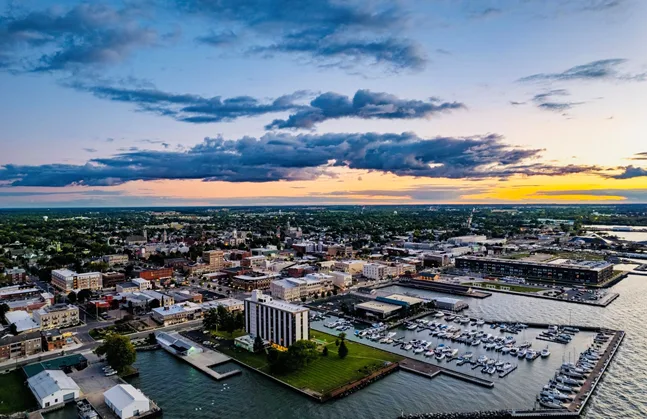
Erie County sits directly on the Lake Erie shoreline, and that position shapes nearly every damage pattern property owners face. Lake-effect moisture, wind-driven seiche events, and rapid freeze-thaw cycles put continuous stress on building envelopes from Huron to Vermilion.
Local Drivers of Property Damage
- Shoreline flooding and high lake levels pushing water into low-lying basements and crawlspaces near Sandusky Bay and the Huron River.
- Frozen and burst supply lines in uninsulated basements, garages, and seasonal cottages on the Marblehead and Bay View side.
- Sump pump failures during power outages that accompany lake-driven wind events.
- Combined and aging sewer laterals in older city neighborhoods that surcharge during intense summer downpours.
- Ice damming on steep-pitched older roofs, forcing meltwater under shingles and into ceilings.
- Heating-season fires from furnaces, wood stoves, and space heaters used in drafty older housing stock.
Warning Signs Worth Acting On
- Musty odor in a basement or closet that never fully clears, even in dry weather.
- Efflorescence, white powdery residue, or dark staining along block foundation walls.
- Slow floor drains or gurgling fixtures - often the first sign of a sewer line problem.
- Cupping hardwood, bubbling paint, or drywall that feels soft near the baseboard.
- Lingering smoke smell that returns when the furnace or air conditioning kicks on.
- Allergy-like symptoms that improve when occupants leave the building.
Catching these early usually means drying and cleaning instead of demolition and rebuilding.
Neighborhoods We Serve in Erie County
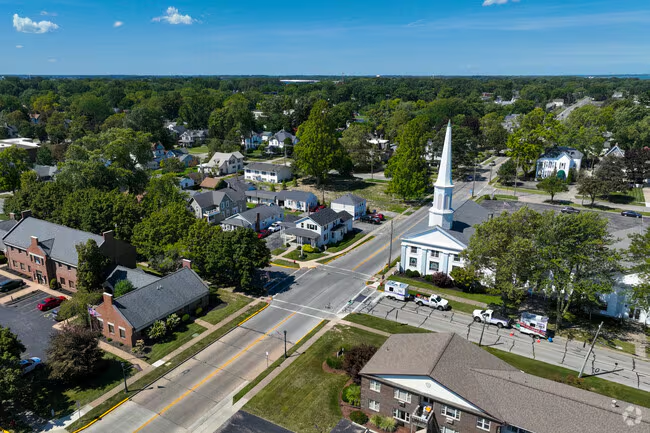
Response coverage extends across the county's cities, villages, and unincorporated townships, including the lakefront communities where seasonal properties sit empty for months at a time.
- Sandusky - downtown historic districts, the Cedar Point corridor, and surrounding residential streets.
- Huron - riverfront homes, lakeside subdivisions, and Old Woman Creek area properties.
- Vermilion - Harbour Town, Vermilion-on-the-Lake, and the Erie/Lorain county line.
- Milan and Berlin Heights - village centers and surrounding farm properties.
- Castalia, Kelleys Island, and Bay View - island and shoreline structures with unique access considerations.
- Perkins, Margaretta, Groton, Florence, Oxford, and Milan Townships - rural homes on septic systems and private wells.
Crews also serve adjacent areas in Ottawa, Sandusky, Huron, and Lorain counties when regional storm systems create widespread demand.
Seasonal Damage Patterns in Erie County
Damage in this county follows a predictable annual rhythm tied to lake temperature, snowpack, and storm tracks.
- December through February - frozen pipe breaks peak, especially in vacant lakefront cottages and unheated crawlspaces. Ice damming pushes water into upper-floor ceilings. Heating equipment and holiday-related fire calls rise sharply, bringing paired smoke damage restoration needs.
- March and April - snowmelt combines with spring rain and saturated ground. Flooded basement calls dominate, along with sump pump burnout and sewer backups where systems reach capacity.
- May through August - thunderstorms bring wind-driven rain and roof intrusion. Humidity climbs, and mold removal becomes the leading service as summer dew points hover high near the lake. Sewage cleanup follows cloudburst events that overwhelm laterals.
- September and October - lake-effect storms and strong northeast winds drive shoreline water inland. Power outages disable sump systems. Furnaces restarting after months idle create smoke and puffback incidents.
- November - the first hard freeze exposes unwinterized plumbing and marginal roof flashing before the winter cycle repeats.
Knowing the calendar allows property owners to schedule preventive checks before the highest-risk windows arrive.
Housing Characteristics & Restoration Considerations
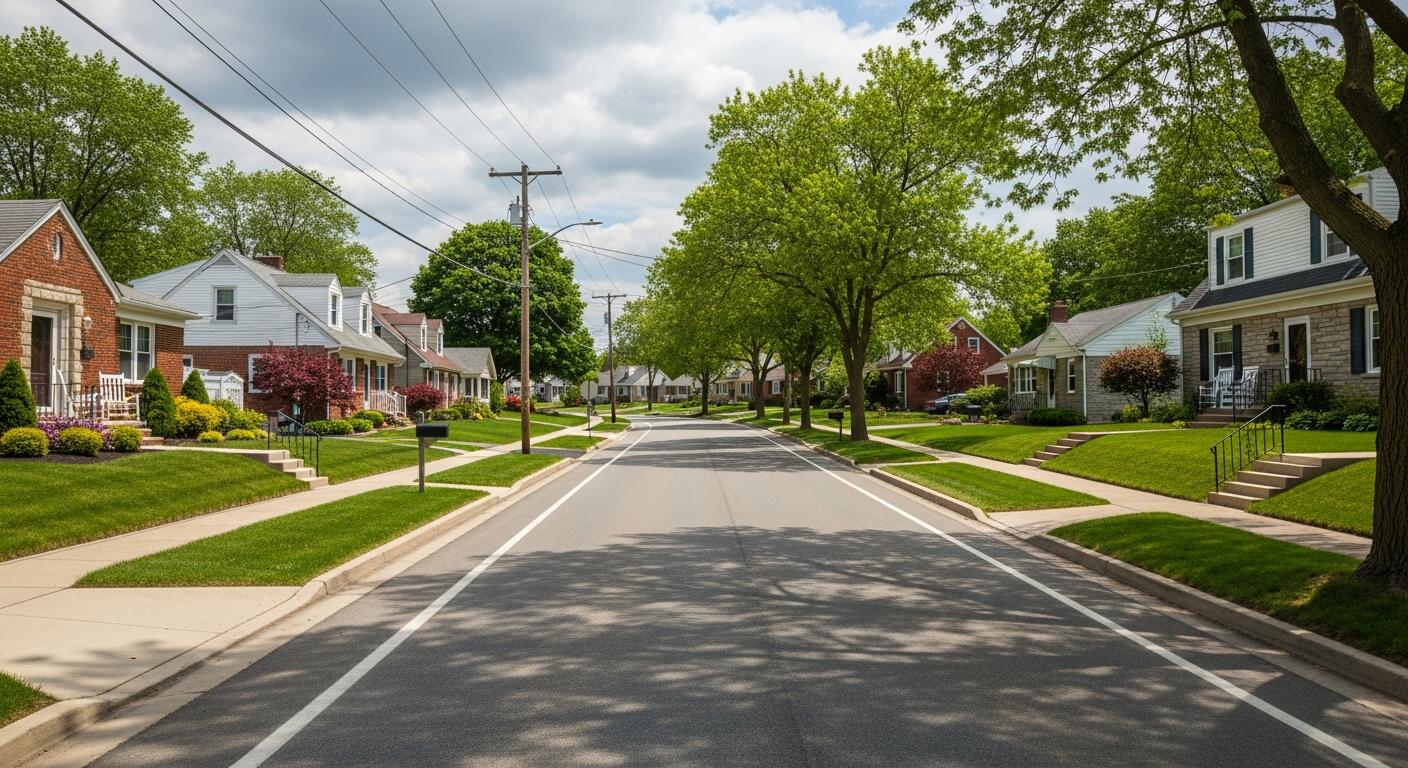
Erie County's building stock is unusually varied for its size, ranging from mid-1800s Sandusky limestone homes to postwar ranches and newer subdivisions in Perkins Township. Each construction era responds differently to water, fire, and microbial growth.
Common Construction Types and Their Restoration Impact
- Pre-1940 homes with stone or brick foundations - porous masonry absorbs water deeply, requiring extended drying and often specialty desiccant equipment rather than standard refrigerant dehumidifiers.
- Plaster and lath walls - hold moisture behind the finish surface, hiding mold growth that moisture meters must confirm before demolition decisions are made.
- Postwar block basements - hollow cores trap water and need drilled weep holes for complete drying after flooding.
- Balloon-framed older houses - open wall cavities allow smoke, soot, and water to travel between floors, expanding the scope of fire and smoke restoration.
- Seasonal cottages and converted summer homes - limited insulation and intermittent heat create the county's highest frozen-pipe risk.
- Newer builds with finished basements - carpet pad, laminate, and framed walls below grade turn a minor leak into a full flooded basement project.
Age-Related Hazards to Plan Around
- Asbestos in pipe wrap, floor tile, and mastic in structures built before the 1980s.
- Lead paint layers disturbed during fire or water-related demolition.
- Knob-and-tube or aluminum branch wiring that raises fire risk and complicates rebuilds.
- Cast iron and clay sewer laterals prone to root intrusion and collapse.
Testing before demolition protects occupants and keeps projects compliant with Ohio regulations.
Environmental Conditions & Damage Implications
Lake Erie moderates temperature but keeps ambient humidity elevated for much of the year, and that single factor influences every restoration decision made in this county.
Climate and Moisture
- Summer dew points in the 60s and 70s slow natural drying and accelerate mold colonization on cellulose materials.
- Winter freeze-thaw cycling opens foundation cracks and mortar joints season after season.
- Annual precipitation is distributed across all months, so basements rarely get a long dry-out period.
Soil and Groundwater
- Lakebed clay soils drain slowly and hold water against foundation walls, driving hydrostatic pressure into block basements.
- Shallow limestone bedrock near Castalia and Margaretta Township limits infiltration and pushes surface water toward structures.
- High water tables near the bay and river corridors keep sump systems cycling year-round.
Water and Air Quality Factors
- Rural septic systems in the townships fail more often in saturated ground, increasing sewage cleanup calls that require full Category 3 protocols.
- Agricultural runoff can introduce nutrients and bacteria into floodwater entering low-lying properties.
- Smoke residues bond aggressively in humid interior air, making prompt cleaning and thermal fogging more effective than delayed treatment.
Effective work here accounts for these conditions by monitoring interior humidity continuously, sealing containment properly, and confirming dryness with meter readings rather than appearance alone.
Handling Lakefront and Below-Grade Water Emergencies in Erie County
Properties near Sandusky Bay, the Huron River, and the Vermilion lakefront face a combination of pressures that inland homes never experience - seiche-driven water level swings, saturated clay soil, and basements built below the surrounding water table. When those forces align during a spring storm, a basement can fill faster than a homeowner can move belongings.
How a Full-Scope Response Unfolds
- Emergency contact and dispatch - crews mobilize around the clock, with equipment staged for pump-out, extraction, and power loss scenarios.
- Safety and hazard assessment - electrical shutoff, contamination category determination, and identification of asbestos or lead risk in older structures.
- Water removal - submersible pumps and truck-mounted extraction clear standing water from below-grade spaces.
- Contaminated material removal - saturated carpet, pad, insulation, and drywall are cut back to dry substrate, with sewage-affected materials bagged and disposed of under proper protocols.
- Cleaning and disinfection - antimicrobial application on all affected surfaces, followed by HEPA vacuuming.
- Structural drying - air movers, dehumidifiers, and cavity drying systems run with daily moisture readings documented for the claim file.
- Mold prevention and remediation - containment and air scrubbing if growth is present, plus correction of the moisture source that caused it.
- Reconstruction - drywall, flooring, trim, and finish work returning the space to pre-loss condition.
What Comprehensive Service Delivers
- One point of contact from the first pump to the final coat of paint.
- Photo, moisture, and scope documentation formatted for Ohio insurance adjusters.
- Coordination with plumbers, electricians, and sewer contractors so root causes get fixed.
- Post-remediation verification before walls are closed back up.
The same team also handles fire and smoke losses, where suppression water and soot residue demand both drying and specialized cleaning in a single coordinated plan.