
Damage Restoration in Sandusky, OH
- Damage Restoration Services Overview
- Common Damage Restoration Issues in Sandusky, Ohio
- Neighborhoods We Serve in Sandusky
- Seasonal Damage Patterns in Sandusky
- Housing Characteristics & Restoration Considerations
- Environmental Conditions & Damage Implications
- Basement Flooding and Sewer Backup Prevention Along Sandusky Bay
Damage Restoration Services Overview
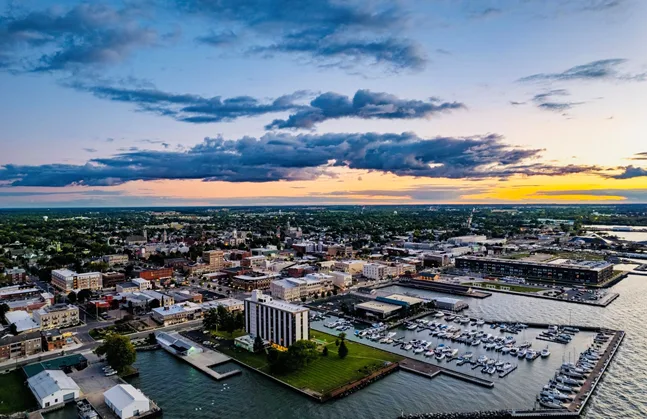
When water pours into a Sandusky basement or smoke settles into the walls of a Columbus Avenue home, the clock starts running immediately. Materials absorb moisture within minutes, mold colonies can form within a day or two, and soot becomes acidic enough to etch metal and glass in a matter of hours.
Fast, correctly sequenced restoration protects both the structure and everything inside it. Services available to property owners across Erie County include:
- Water Damage Restoration - extraction, structural drying, moisture mapping, and repair of affected building materials after pipe breaks, appliance failures, or roof leaks.
- Flooded Basement Cleanup - pumping standing water, drying foundation walls and slabs, and salvaging stored belongings after heavy rainfall or sump pump failure.
- Sewage Cleanup - removal of contaminated water, disposal of porous materials, and antimicrobial treatment of every affected surface.
- Fire Damage Restoration - securing the structure, removing charred debris, cleaning residue, and rebuilding damaged areas.
- Smoke Damage Restoration - odor neutralization, HVAC cleaning, soot removal from contents, and treatment of hidden residues inside wall cavities.
- Mold Removal - containment, HEPA filtration, removal of colonized materials, and correction of the moisture source feeding growth.
Benefits for Sandusky residents include reduced secondary damage, better documentation for insurance claims, healthier indoor air, and preservation of older housing stock that would otherwise need extensive reconstruction.
Common Damage Restoration Issues in Sandusky, Ohio
Sandusky sits directly on Lake Erie, and that lakefront position shapes nearly every restoration call in the area. High groundwater, lake-effect snow, aging clay sewer laterals, and century-old housing combine to create predictable but damaging patterns.
Local Causes of Damage
- Heavy spring rain events overwhelming storm and combined sewer lines, backing water into basements
- High lake levels and seiche activity raising groundwater under foundations near the bay
- Sump pump failures during power outages caused by summer thunderstorms
- Frozen and burst supply lines in unheated crawl spaces and vacation properties near Cedar Point
- Ice dams on older low-slope roofs pushing meltwater into ceilings and wall cavities
- Kitchen fires, space heaters, and aging knob-and-tube or early aluminum wiring in historic homes
- Chimney and wood stove fires in older West End residences
Warning Signs Worth Acting On
- Musty odor in basements, closets, or near HVAC returns - often the first hint of hidden mold
- Efflorescence, white chalky residue, or flaking paint on foundation walls
- Gurgling floor drains or slow drainage during rainstorms, a common precursor to sewage backup
- Cupping hardwood, bubbling paint, or stained ceiling tiles
- Soot film on windows, blinds, or lampshades after a small kitchen or furnace puff-back
- Lingering smoke odor that returns on humid days, indicating residue remains in porous materials
Small signs rarely stay small in a lakefront climate. Humidity keeps moisture in materials far longer than in drier inland areas.
Neighborhoods We Serve in Sandusky
Restoration crews respond throughout the city and the surrounding Erie County communities, including:
- Downtown Sandusky and the Jackson Street corridor - historic commercial buildings with basement-level water and sewer concerns
- Old Plat Historic District - stone-foundation homes needing careful drying and salvage-focused work
- The West End and Columbus Avenue area - large early-1900s residences with plaster, lath, and finished attics
- Cedar Point Chaussee and Bay View shoreline properties - seasonal homes at higher risk of freeze breaks
- Sandusky's East Side and Perkins Township neighborhoods - mid-century ranches with block basements
- Venice Heights, Hancock Street area, and Meigs Street district
Service also extends to Huron, Castalia, Milan, Vermilion, Port Clinton, Bellevue, Norwalk, and Fremont, along with Marblehead and the Catawba peninsula.
Seasonal Damage Patterns in Sandusky
Winter (December - February)
- Burst pipes in exterior walls, crawl spaces, and closed-up lake cottages
- Ice dams driving water into ceilings and upper-floor walls
- Furnace puff-backs and heating-related fires producing widespread smoke damage
- Chimney fires in homes using wood heat
Spring (March - May)
- Snowmelt plus rain saturating soil and flooding basements
- Sewage backups when combined systems reach capacity
- Sump pump overload and failure
- First mold discoveries as temperatures climb above 60 degrees
Summer (June - August)
- Severe thunderstorms, wind-driven rain, and power outages disabling pumps
- Peak mold growth from high humidity coming off Lake Erie
- Air conditioning condensate line clogs causing slow, hidden water damage
- Grill, fire pit, and holiday fireworks-related fire calls
Fall (September - November)
- Clogged gutters and downspouts pushing water toward foundations
- Storm and tree damage opening roofs to rain intrusion
- Early heating season fires as furnaces restart after months idle
- Ideal window for mold remediation and moisture-source repair before winter
Housing Characteristics & Restoration Considerations
Sandusky's housing stock skews older than the national average, with a large share of homes built before 1940 and many others dating to the postwar decades. That age directly changes how restoration work is performed.
Construction Types and Their Impact
- Limestone and stone-rubble foundations - porous and prone to seepage; drying requires longer dehumidification cycles and careful monitoring rather than quick surface treatment
- Plaster over wood lath - holds moisture and smoke odor deep in the material; often needs specialized drying or selective removal rather than the cut-and-replace approach used on drywall
- Balloon-frame walls - open cavities let water and smoke travel from basement to attic, so inspection has to extend well beyond the visible damage
- Clay tile and cast iron sewer laterals - root intrusion and cracking make sewage backups common in older districts
- Finished basements added in later decades - paneling, carpet pad, and framed walls trap water against block and hide mold growth
- Vinyl-sided mid-century ranches in Perkins Township - typically faster to dry but vulnerable to slab-edge moisture
Practical Considerations
- Homes built before 1978 may contain lead paint, and pre-1980 flooring, insulation, and ductwork may contain asbestos - testing precedes demolition
- Historic district properties often warrant salvage and restoration of trim, doors, and flooring rather than replacement
- Older electrical and HVAC systems require evaluation after fire or flooding before reactivation
- Lake-adjacent cottages need winterization guidance to prevent repeat freeze losses
Environmental Conditions & Damage Implications
Lake Erie governs the local climate, and its influence shows up in nearly every restoration project along the Sandusky Bay shoreline.
Climate and Humidity
- Summer dew points frequently sit in the 60s and 70s, slowing evaporation and extending drying timelines
- Lake-effect snow and freeze-thaw cycles stress foundations, roofs, and exterior plumbing
- Cold, damp shoulder seasons keep basement humidity high year-round without mechanical dehumidification
Groundwater and Soil
- Heavy clay-rich lake plain soils drain slowly and hold water against foundation walls after storms
- Shallow limestone bedrock in parts of Erie County limits absorption, sending runoff toward basements
- Elevated lake levels raise the water table beneath low-lying neighborhoods, increasing hydrostatic pressure
Implications for Restoration Work
- Mold remediation requires humidity control as a permanent fix, not just removal of visible growth
- Structural drying in this climate often calls for desiccant or low-grain refrigerant dehumidifiers rather than open windows
- Sewage cleanup must account for combined sewer overflow risk and groundwater intrusion in older lines
- Smoke odor lingers longer in humid air, making thermal fogging, hydroxyl treatment, and sealing more effective than surface cleaning alone
- Basement contents stored on floors face repeated exposure - shelving and elevated storage reduce future losses
Basement Flooding and Sewer Backup Prevention Along Sandusky Bay
Basement water is the single most frequent restoration call in Sandusky, and it comes from several distinct sources that each demand a different response. Understanding which one you are dealing with shapes both the cleanup and the long-term fix.
Identifying the Source
- Clean water intrusion - a failed supply line, water heater, or washing machine hose; category one water that can often be dried in place if addressed quickly
- Groundwater seepage - water entering through foundation cracks, cove joints, or window wells during heavy rain; usually gray water requiring sanitizing
- Sewer backup - water rising through floor drains or toilets, carrying pathogens; classified as black water and handled with full containment, PPE, and disposal of porous materials
- Storm surge and overland flooding - contaminated by soil, fuel, and debris from the surrounding area
The Restoration Sequence
- Stop the source and cut power to affected circuits
- Extract standing water with truck-mounted or portable equipment
- Remove saturated carpet pad, paneling, drywall, and insulation to the appropriate height
- Clean and apply antimicrobial treatment to all affected surfaces
- Set air movers and dehumidifiers, then monitor moisture readings daily until materials reach dry standard
- Rebuild with materials better suited to below-grade conditions
Prevention Steps for Local Homeowners
- Install a battery backup or water-powered backup sump pump before storm season
- Add a backwater valve on the sewer lateral, particularly in older neighborhoods with clay pipe
- Extend downspouts at least several feet from the foundation and regrade soil away from walls
- Have laterals camera-inspected for root intrusion and offset joints
- Keep a dehumidifier running in the basement through the humid months
- Store belongings on raised shelving in plastic bins rather than cardboard
Documenting conditions with photos before cleanup begins also strengthens insurance claims, since sewer backup and groundwater coverage often depend on separate endorsements.





