Damage Restoration in Delaware County, OH
- Damage Restoration Services Overview
- Common Damage Restoration Issues in Delaware County, Ohio
- Neighborhoods We Serve in Delaware County
- Seasonal Damage Patterns in Delaware County
- Seasonal Damage Patterns in Delaware County
- Housing Characteristics & Restoration Considerations
- Environmental Conditions & Damage Implications
- Modern Drying Technology and Basement Flood Response in Delaware County
Damage Restoration Services Overview
Water that sits for a weekend rarely stays a water problem. Within days, drywall wicks moisture upward, subfloors swell, and mold colonies establish themselves inside wall cavities where no fan can reach. Fire leaves behind acidic soot that continues etching metal, glass, and finishes long after the flames are out. Delay is what turns a contained loss into a gut-and-rebuild project.
Delaware County property owners have access to a full range of restoration disciplines, each handling a different failure mode:
- Water Damage Restoration - extraction, structural drying, and moisture mapping after supply line breaks, appliance failures, and roof leaks.
- Flooded Basement - pump-out, contents handling, and drying of below-grade spaces after sump pump failures or groundwater intrusion.
- Sewage Cleanup - removal of Category 3 contaminated water, porous material disposal, and antimicrobial treatment of affected surfaces.
- Fire Damage Restoration - debris removal, structural stabilization, and cleaning of heat-affected assemblies.
- Smoke Damage Restoration - soot removal, thermal fogging, and odor neutralization in HVAC systems and porous contents.
- Mold Removal - containment, source moisture correction, and removal of colonized materials.
The benefit of coordinated response is straightforward: fewer materials removed, shorter drying cycles, and documentation that supports an insurance claim from the first day forward.
Common Damage Restoration Issues in Delaware County, Ohio
Delaware County sits at the intersection of older farmhouse stock, dense post-2000 subdivisions, and glacial soils that hold water rather than drain it. That combination produces a predictable set of restoration calls.
Frequent Causes of Loss
- Sump pump failures during heavy spring rain - especially when battery backups age out or the discharge line freezes.
- Foundation seepage in subdivisions built on clay-heavy till near Alum Creek and the Olentangy and Scioto corridors.
- Sanitary sewer backups in older Delaware city neighborhoods where laterals are shared, root-intruded, or undersized for storm surges.
- Frozen and burst supply lines in unheated crawl spaces, garages, and bonus rooms over garages.
- Kitchen and laundry fires, chimney and wood stove fires in rural township homes, and electrical faults in aging panels.
- Slow leaks behind refrigerators, dishwashers, and second-floor bathrooms that surface as ceiling stains below.
Warning Signs Worth Acting On
- A musty odor in the basement that intensifies after rain or when the HVAC blower runs.
- Efflorescence - white chalky residue - along block foundation walls.
- Baseboards separating from drywall, or floor tile that sounds hollow underfoot.
- Gurgling floor drains or slow tub drains, which often precede a full sewage backup.
- Persistent smoke odor that returns on humid days after a small kitchen or furnace puff-back.
- Visible staining at rim joists, around egress windows, or beneath finished basement carpet padding.
Neighborhoods We Serve in Delaware County
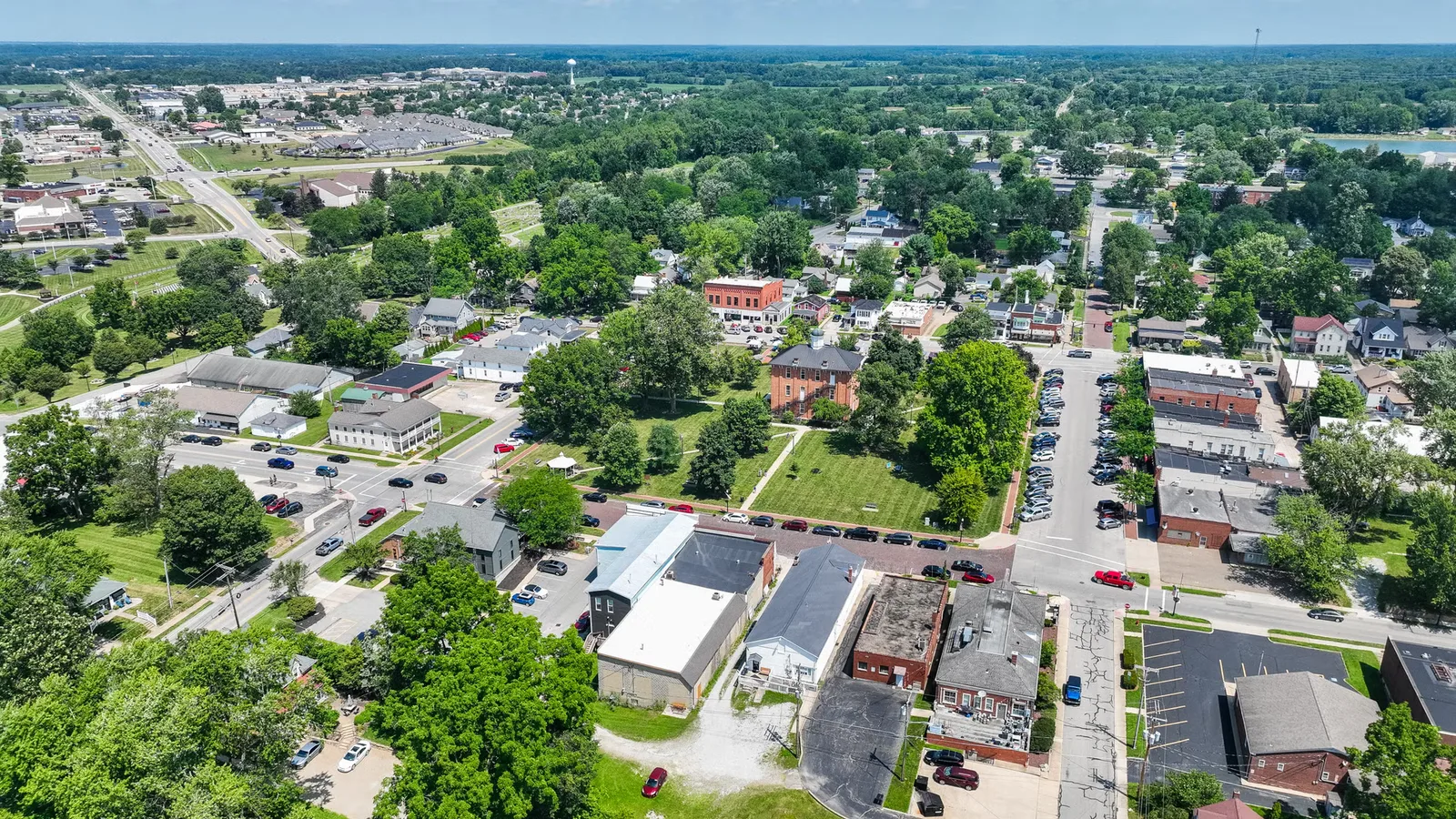
Coverage spans the county's fast-growing southern corridor and its rural northern townships alike.
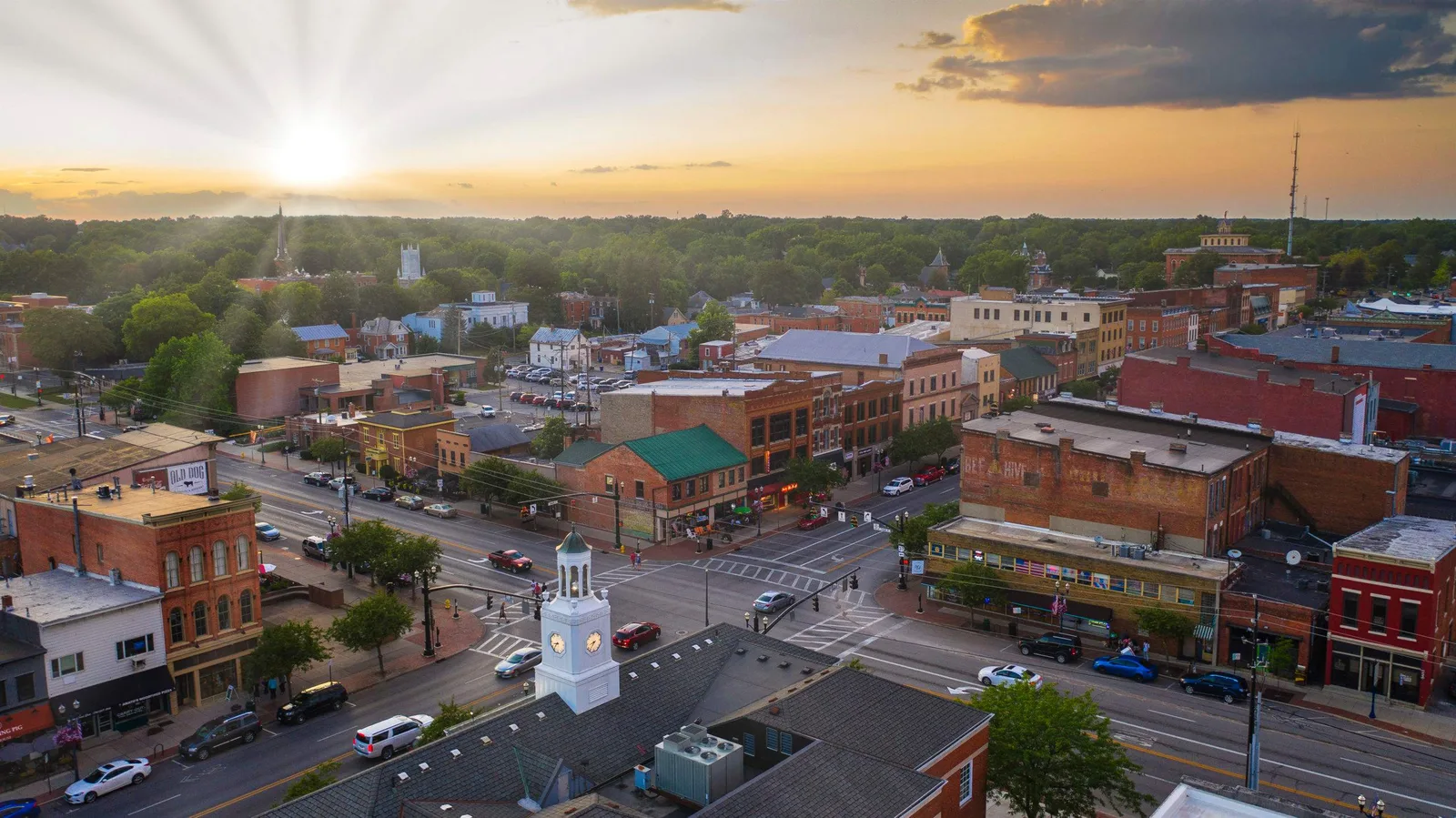
- City of Delaware - including historic districts near Curtis Street, the Olentangy riverfront, and newer developments off US-23 and 43015 ZIP areas.
- Powell and Liberty Township - large-lot subdivisions, finished basements, and homes near Liberty Park and the Scioto.
- Lewis Center and Orange Township - dense residential growth along Africa Road and Polaris Parkway.
- Sunbury, Galena, and Berkshire Township - properties near Hoover Reservoir and Big Walnut Creek.
- Ostrander, Ashley, Radnor, and Kilbourne - rural homes on well and septic systems.
- Genoa, Concord, Trenton, Brown, and Porter Townships, plus nearby Dublin, Westerville, and Union County borders.
Seasonal Damage Patterns in Delaware County
Seasonal Damage Patterns in Delaware County
Central Ohio's weather calendar drives restoration demand in fairly reliable cycles.
- December - February: Frozen and burst pipes dominate. Furnace puff-backs and chimney fires spike as heating systems run continuously. Space heaters contribute to residential fire calls.
- March - April: Snowmelt combined with saturated clay soil produces the year's heaviest volume of flooded basements and sump pump failures. Sewer surcharges follow multi-inch rain events.
- May - June: Severe thunderstorms bring wind-driven rain, roof and window intrusion, and power outages that disable sump pumps.
- July - August: High dew points make mold growth the leading concern. Condensation on cold basement walls and undersized air conditioning create hidden humidity problems.
- September - October: Remnant tropical systems occasionally deliver heavy rain. Fireplace and wood stove season begins, along with early smoke damage calls.
- November: First hard freezes catch unwinterized hose bibs and crawl space lines. Holiday cooking increases kitchen fire risk.
Mold remediation requests typically trail water events by two to six weeks - which is why post-loss moisture verification matters as much as the initial extraction.
Housing Characteristics & Restoration Considerations
Delaware County's housing stock splits into distinct eras, and each responds differently to water, fire, and microbial damage.
Pre-1950 Farmhouses and Historic Delaware Homes
- Stone or unreinforced block foundations that seep laterally rather than through cracks.
- Plaster and lath walls that hold water far longer than drywall and require slower, controlled drying.
- Balloon framing that lets smoke and soot travel vertically into attics from a first-floor fire.
- Knob-and-tube remnants and cast iron drain lines prone to root intrusion and sewage backup.
1970s - 1990s Suburban Construction
- Poured or block basements with perimeter drain tile that has silted over time.
- Original polybutylene or early copper supply lines nearing end of service life.
- Fiberglass batt insulation in rim joists that traps moisture against wood.
Post-2000 Subdivisions in Powell, Lewis Center, and Sunbury
- Finished basements with carpet, drywall, and built-ins directly against foundation walls - the costliest category in any flood event.
- Engineered wood I-joists and OSB subfloor that delaminate quickly when saturated.
- Tight building envelopes that hold smoke odor and humidity, requiring HVAC cleaning and dedicated dehumidification.
- Second-floor laundry rooms, a common source of catastrophic multi-level water damage.
Rural properties on septic systems add another variable: a saturated leach field can push sewage back into basement drains during prolonged wet periods, turning a clean-water event into a Category 3 cleanup.
Environmental Conditions & Damage Implications
The physical setting of Delaware County shapes how damage develops and how drying must be approached.
Soil and Groundwater
- Glacial till with high clay content drains slowly and swells when wet, driving hydrostatic pressure against foundation walls.
- Seasonally high water tables near Alum Creek, Hoover Reservoir, the Olentangy, and Big Walnut Creek keep basements damp even without a storm event.
- Shrink-swell cycles open hairline foundation cracks that become active seepage points.
Climate and Humidity
- Summer dew points regularly climb into the 60s and 70s, so outside air cannot be used for drying - closed-drying systems with LGR dehumidifiers are required.
- Roughly 38 to 40 inches of annual precipitation, much of it in concentrated spring events.
- Winter temperature swings across the freeze line cause repeated pipe stress and ice damming on low-slope roof sections.
Water Quality and Air Considerations
- Hard water throughout much of the county accelerates water heater corrosion and valve failure - a leading cause of interior flooding.
- Agricultural dust and pollen loads elevate particulate levels, which compounds respiratory impact after a fire or mold event.
- Well-served rural homes need water testing after any sewage or flood contact near the wellhead.
Together these conditions mean mold spores in Delaware County have consistent seasonal opportunity, and that structural drying plans must account for both soil moisture and ambient humidity rather than surface readings alone.
Modern Drying Technology and Basement Flood Response in Delaware County
Homeowners across Orange, Liberty, and Berkshire Townships describe a familiar scenario: a sump pump and battery backup that could not keep pace with a spring downpour, followed by soaked carpet, wet drywall, and a utility provider unable to help. What happens in the first 24 to 48 hours determines whether the basement is dried in place or demolished.
The Response Sequence
- Safety and source control - power isolation, water category determination, and stopping the intrusion at its origin.
- Extraction - truck-mounted and portable units, with weighted extraction tools that pull water from carpet and pad without immediate removal.
- Moisture mapping - thermal imaging cameras and penetrating meters identify wet material behind baseboards, inside stud bays, and under flooring.
- Controlled demolition - flood cuts, insulation removal, and selective material disposal only where readings justify it.
- Structural drying - low grain refrigerant dehumidifiers, air movers, and injection drying for wall cavities and hardwood.
- Antimicrobial and odor treatment - EPA-registered products for contaminated water, hydroxyl or ozone treatment for smoke residue.
- Verification - daily moisture logs compared against dry standards before equipment comes out.
Equipment That Changes Outcomes
- Negative air machines with HEPA filtration for mold containment and post-fire particulate control.
- Desiccant dehumidification for large finished basements and humid summer conditions.
- Remote monitoring sensors that track temperature, humidity, and grains per pound between site visits.
- Ultrasonic cleaning and soda blasting for soot-affected contents and framing.
- Wall cavity injection systems that dry insulated assemblies without removing full sheets of drywall.
Documentation matters locally too. Detailed moisture readings, photographs, and material inventories support insurance claims and, for income-qualified homeowners, can align with critical home repair programs administered through Habitat for Humanity serving Delaware and Union Counties from 305 Curtis Street in Delaware.