
Damage Restoration in Powell, OH
- Damage Restoration Services Overview
- Common Damage Restoration Issues in Powell, Ohio
- Neighborhoods We Serve in Powell
- Seasonal Damage Patterns in Powell
- Housing Characteristics & Restoration Considerations
- Environmental Conditions & Damage Implications
- From Emergency Call to Rebuild: What a Powell Restoration Project Looks Like
Damage Restoration Services Overview
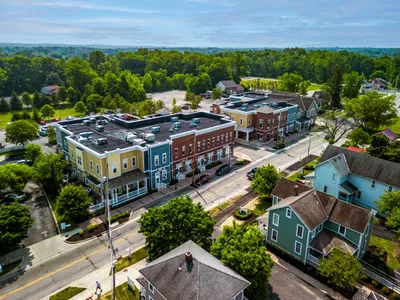
Powell sits in one of the fastest-growing corridors in Delaware County, where subdivision growth has more than tripled the local housing stock since the 1990s - and that building boom means thousands of finished basements sitting below grade in soils that hold water. When a supply line bursts on Liberty Road or a storm backs up a sanitary line near Olentangy, restoration is not a luxury; it is damage control on a clock.
Restoration companies serving Powell handle a connected set of emergencies:
- Water damage restoration - extraction, structural drying, and moisture mapping after leaks, appliance failures, and roof intrusion
- Flooded basement cleanup - pump-out, content removal, and drying of below-grade living space
- Sewage cleanup - containment, removal of contaminated materials, and antimicrobial treatment of Category 3 losses
- Fire damage restoration - structural stabilization, debris removal, and rebuild coordination
- Smoke damage restoration - soot removal from framing and contents, HVAC cleaning, and odor neutralization
- Mold removal - containment, HEPA filtration, affected material removal, and moisture source correction
Benefits for Powell homeowners include faster insurance documentation, protection of hardwood and drywall assemblies common in local builds, and reduced risk of secondary mold growth in humid Ohio summers. Round-the-clock availability matters most, since water travels through a home in hours, not days.
Common Damage Restoration Issues in Powell, Ohio
Powell's geography - rolling terrain along the Olentangy River and Scioto watershed, clay-heavy glacial soils, and a mix of older farmhouses and newer subdivisions - creates a predictable set of loss patterns.
Frequent Causes of Damage
- Hydrostatic pressure pushing groundwater through basement wall-floor joints after multi-day rain
- Sump pump failure during power outages from summer thunderstorms and winter ice
- Frozen and burst pipes in unheated garages, crawl spaces, and exterior-wall plumbing runs
- Sanitary sewer surcharge and backflow into floor drains when municipal lines reach capacity
- Failed water heaters, washing machine hoses, dishwasher supply lines, and refrigerator ice makers
- Kitchen fires, fireplace and chimney issues, and electrical faults in older panels
- Ice damming along low-slope roof sections and over poorly ventilated attics
Warning Signs Powell Residents Should Not Ignore
- Musty odor in a finished basement, especially near carpet tack strips and baseboards
- Efflorescence - white chalky residue - on poured concrete foundation walls
- Cupping or crowning of hardwood floors on the first level
- Staining around ceiling light fixtures below bathrooms
- Gurgling floor drains or slow-draining basement fixtures, an early sewage backup signal
- Lingering smoke odor that returns on humid days after a small kitchen fire
- Visible growth behind furniture placed against exterior walls
Because clay soil drains slowly, water that enters a Powell basement often has nowhere to go, and saturated drywall wicks moisture upward well beyond the visible waterline.
Neighborhoods We Serve in Powell
Service coverage spans the entire 43065 area and the communities that surround it.
- Golf Village and Wedgewood - larger custom homes with deep finished basements and multi-zone HVAC
- Village of Powell historic core - older frame structures near Olentangy Street and Liberty Street
- Bartholomew Run, Steeplechase, and Seldom Seen area - established subdivisions with mature tree cover
- Murphy Parkway, Sawmill Parkway, and Home Road corridors - high-density newer construction
- Scioto Reserve and Bennett Farms - properties near waterways and retention areas
- Liberty Township and Delaware County unincorporated pockets
Crews also respond to adjacent communities including Lewis Center, Dublin, Delaware, Worthington, Hilliard, and Sunbury, which keeps response windows short when a burst pipe or sewage backup is spreading across a finished lower level.
Seasonal Damage Patterns in Powell
Central Ohio weather drives a fairly reliable annual rhythm of restoration calls.
- December through February - frozen and burst pipes during hard freezes, ice damming after heavy snow, and heating-related fire and smoke damage from furnaces, space heaters, and fireplaces
- March and April - snowmelt combined with spring rain saturates clay soils, producing the year's heaviest volume of flooded basement and groundwater intrusion calls
- May through July - severe thunderstorms bring wind-driven rain, roof leaks, power outages that disable sump pumps, and sewer surcharge events
- July through September - high dew points and humid basements accelerate mold growth, often discovered weeks after an unnoticed spring leak
- October and November - clogged gutters full of leaves overflow against foundations, while the first furnace cycles reveal dust and duct issues that can lead to smoke odor complaints
Sewage cleanup requests cluster around the wettest stretches of spring and midsummer storms, since infiltration raises pressure inside the sanitary system. Fire and smoke losses spike around the holidays with cooking volume and decorative lighting loads.
Housing Characteristics & Restoration Considerations
Powell's housing stock skews newer than the Ohio average, with a large share of homes built between 1990 and 2015, plus a smaller inventory of pre-1950 structures near the old village center and scattered farmhouses on larger parcels.
Typical Construction Features
- Poured concrete foundations with full basements, frequently finished with carpet, drywall, and built-in cabinetry
- Two-story wood frame construction with vinyl, brick veneer, or stone accents
- Engineered wood I-joist floor systems that lose strength quickly when saturated or fire-exposed
- Open floor plans that allow smoke and odor to migrate through the entire main level
- Central forced-air HVAC with basement air returns that pull humid or contaminated air upward
How This Shapes Restoration Work
- Finished basements require selective demolition - flood cuts in drywall, carpet pad removal, and cabinet toe-kick drying rather than gutting everything
- Sewage losses in carpeted lower levels almost always mean porous material disposal, since Category 3 water cannot be safely dried in place
- Older homes near Olentangy Street may include plaster, knob-and-tube remnants, or asbestos-containing materials requiring testing before demolition
- Tight modern building envelopes trap moisture and smoke odor, making negative air machines and HEPA filtration necessary
- Crawl spaces under additions need vapor barrier inspection during any mold removal project
Accurate moisture readings behind baseboards and inside wall cavities matter more in newer builds because drywall can look dry while the framing behind it stays wet for days.
Environmental Conditions & Damage Implications
Powell's climate and soil profile influence how quickly damage spreads and how long structural drying takes.
Local Conditions
- Precipitation - roughly 39 to 41 inches annually, distributed across all seasons with spring and early summer peaks
- Humidity - summer dew points regularly in the upper 60s, pushing indoor relative humidity above the 60 percent threshold where mold thrives
- Soil - glacial till with high clay content that drains slowly and expands when saturated, stressing foundation walls
- Groundwater - shallow water tables in low-lying areas near the Olentangy River and neighborhood retention basins
- Freeze-thaw cycles - dozens per winter, widening foundation cracks and stressing exterior plumbing
- Water hardness - hard water common in central Ohio, contributing to scale buildup and premature failure of water heaters and supply valves
Restoration Implications
- Dehumidification loads run higher in summer, so drying plans account for outdoor conditions rather than defaulting to a fixed equipment count
- Mold colonies can establish within 24 to 48 hours on wet cellulose materials in warm months, making immediate extraction the priority
- Clay backfill holds moisture against foundations long after rain stops, meaning basement drying continues past the point the floor looks dry
- Soot from a fire binds tightly to surfaces in humid air, so smoke damage restoration begins with stabilizing indoor conditions before cleaning
- Sewage residue in porous concrete requires antimicrobial application and post-cleaning verification, not just visual inspection
From Emergency Call to Rebuild: What a Powell Restoration Project Looks Like
Homeowners rarely call a restoration company twice in a lifetime, so knowing the sequence removes a lot of stress. A complete project covers mitigation, cleanup, and reconstruction under one point of contact instead of leaving you to coordinate three separate trades.
The Start-to-Finish Process
- Emergency contact and dispatch - 24/7 phone response, with guidance on shutting off water, gas, or electricity before crews arrive
- Site assessment - moisture meters, thermal imaging, and water category classification determine whether it is clean water, gray water, or sewage
- Containment and safety - poly barriers, negative air pressure, and personal protective equipment for contaminated or fire-damaged areas
- Extraction and stabilization - truck-mounted pumps for flooded basements, board-up and tarping after fire, and structural safety checks
- Controlled demolition - flood cuts, carpet and pad removal, charred material removal, and disposal of unsalvageable contents
- Drying and cleaning - air movers, LGR dehumidifiers, soot removal, HEPA vacuuming, duct cleaning, and antimicrobial application
- Odor neutralization - hydroxyl or ozone treatment and thermal fogging for persistent smoke odor
- Verification - daily moisture logs, post-remediation clearance testing where mold was present, and documented dry standards
- Reconstruction - drywall, insulation, flooring, trim, paint, and cabinetry returned to pre-loss condition
Working With Your Insurance
- Photo and moisture documentation captured from the first visit forward
- Written scope of work using industry-standard estimating software adjusters recognize
- Direct communication with your carrier so you are not relaying technical details
- Clear explanation of what is typically covered - sudden discharge - versus long-term seepage
Powell residents benefit from local crews familiar with Delaware County permitting, common subdivision builders, and the drainage quirks of specific neighborhoods, which shortens the gap between the first phone call and a finished repair.





