Damage Restoration in Cuyahoga, OH
- Damage Restoration Services Overview
- Common Damage Restoration Issues in Cuyahoga, Ohio
- Neighborhoods We Serve in Cuyahoga
- Seasonal Damage Patterns in Cuyahoga
- Housing Characteristics & Restoration Considerations
- Environmental Conditions & Damage Implications
- Comprehensive Storm and Flood Recovery Services
Damage Restoration Services Overview
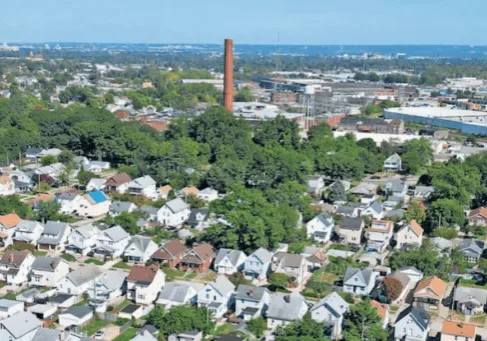
Property damage left untreated can escalate into devastating structural problems, health hazards, and financial burdens that affect families for years. In Cuyahoga County, Ohio, swift professional restoration makes the difference between minor repairs and complete reconstruction.
Our comprehensive damage restoration services address every type of emergency that threatens local properties:
- Water Damage Restoration - Immediate extraction, drying, and structural repairs
- Flooded Basement - Complete water removal and moisture control systems
- Sewage Cleanup - Safe sanitization and contamination elimination
- Fire Damage Restoration - Structural rebuilding and content recovery
- Smoke Damage Restoration - Odor removal and surface cleaning
- Mold Removal - Professional remediation and prevention strategies
Cuyahoga residents benefit from our 24/7 emergency response, advanced moisture detection equipment, and partnerships with local insurance providers. Our certified technicians understand Ohio building codes and work efficiently to restore properties to pre-damage conditions while preventing secondary damage that could compromise your family's safety and investment.
Common Damage Restoration Issues in Cuyahoga, Ohio
Cuyahoga County's location near Lake Erie and the Cuyahoga River creates unique challenges for property owners. Heavy lake-effect snow and spring thaws frequently overwhelm drainage systems, leading to basement flooding and water damage throughout residential areas.
The most frequent damage issues we encounter include:
- Basement flooding from overwhelmed storm drains during heavy rainfall
- Burst pipes during winter freeze-thaw cycles affecting older plumbing systems
- Sewage backups when municipal systems become overloaded
- Ice dam water intrusion through rooflines and attic spaces
- Mold growth in humid basements and poorly ventilated areas
- Fire damage from heating system malfunctions during cold months
- Smoke infiltration from nearby industrial activities or wildfires
Warning signs requiring immediate attention:
- Standing water or dampness in basements or crawl spaces
- Musty odors indicating hidden moisture or mold growth
- Discolored walls or ceiling stains from water intrusion
- Persistent smoke odors after fires or nearby incidents
- Sewage odors or visible contamination in drains
Early intervention prevents minor issues from becoming major restoration projects that could displace families and strain budgets.
Neighborhoods We Serve in Cuyahoga
Our damage restoration teams respond throughout Cuyahoga County, serving both urban and suburban communities with specialized equipment and local expertise.
Primary service areas include:
- Cleveland - Downtown, West Side, East Side neighborhoods
- Cuyahoga Falls - Residential districts and commercial zones
- Parma - Established neighborhoods with older housing stock
- Lakewood - Historic homes near Lake Erie shoreline
- Strongsville - Suburban developments and newer construction
- Brecksville - Rural properties and custom homes
- Independence - Mixed residential and commercial properties
- Brooklyn - Industrial areas and worker housing
- Newburgh Heights - Compact residential communities
We maintain rapid response capabilities across all communities, with strategically positioned equipment and certified technicians familiar with each area's specific challenges and building characteristics.
Seasonal Damage Patterns in Cuyahoga
Cuyahoga County experiences distinct seasonal damage patterns that require different restoration approaches throughout the year.
Winter (December - February):
- Frozen pipe bursts requiring immediate water damage restoration
- Ice dam formation causing roof leaks and attic flooding
- Heating system fires and smoke damage incidents
- Carbon monoxide exposure from faulty heating equipment
Spring (March - May):
- Snowmelt flooding in basements and lower levels
- Storm drain backups causing sewage cleanup needs
- Mold growth from winter moisture accumulation
- Foundation water intrusion from saturated soil
Summer (June - August):
- Severe thunderstorm water damage and flooding
- Lightning-caused fires requiring comprehensive restoration
- High humidity mold problems in poorly ventilated spaces
- Sump pump failures during heavy rainfall periods
Fall (September - November):
- Leaf-clogged gutters causing water damage
- Chimney and fireplace smoke damage preparation
- Pre-winter mold remediation before sealing homes
- Storm preparation and damage prevention services
Housing Characteristics & Restoration Considerations
Cuyahoga County's diverse housing stock presents unique restoration challenges based on construction era, materials, and architectural styles. Many homes date from the early-to-mid 20th century, requiring specialized approaches for effective damage restoration.
Pre-1950s Housing:
- Plaster walls requiring careful water damage restoration techniques
- Knob-and-tube wiring creating fire damage risks
- Cast iron plumbing prone to sewage backup issues
- Limited insulation allowing mold growth in wall cavities
- Basement stone foundations vulnerable to water intrusion
1950s-1980s Construction:
- Drywall construction simplifying fire and smoke damage restoration
- Copper plumbing reducing sewage contamination risks
- Improved foundation waterproofing limiting basement flooding
- Asbestos materials requiring specialized removal during restoration
Modern Homes (1990s+):
- Advanced HVAC systems affecting smoke damage distribution
- Engineered lumber requiring specific fire damage assessment
- Improved moisture barriers reducing mold remediation complexity
- Modern electrical systems minimizing fire damage origins
Our restoration teams adapt techniques based on each property's construction characteristics, ensuring appropriate materials and methods preserve structural integrity while addressing damage effectively.
Environmental Conditions & Damage Implications
Cuyahoga County's environmental conditions significantly influence damage patterns and restoration requirements. The region's humid continental climate, proximity to Lake Erie, and industrial history create specific challenges for property preservation.
Climate Factors:
- Average annual precipitation of 39 inches increases water damage risks
- High humidity levels (70-80%) promote rapid mold growth
- Temperature fluctuations cause freeze-thaw pipe damage
- Lake-effect snow creates ice dam formation and roof stress
Soil and Water Conditions:
- Clay-heavy soil retains moisture, increasing basement flooding
- High water table levels complicate sewage cleanup efforts
- Poor drainage in flat terrain prolongs water damage exposure
- Mineral-rich groundwater leaves deposits during flood restoration
Air Quality Considerations:
- Industrial emissions require specialized smoke damage restoration
- Seasonal pollen increases respiratory concerns during mold removal
- Urban pollutants complicate fire damage assessment
- Lake winds distribute contaminants across residential areas
These environmental factors require restoration teams to use enhanced moisture control, specialized filtration systems, and extended monitoring periods to prevent recurring damage and health hazards in restored properties.
Comprehensive Storm and Flood Recovery Services
Cuyahoga County's position along Lake Erie makes properties particularly vulnerable to severe weather events that combine multiple damage types. Our integrated approach addresses the complex restoration needs that arise when storms bring flooding, power outages, and structural damage simultaneously.
During major weather events, properties often experience cascading damage requiring multiple restoration services:
- Initial Assessment - Comprehensive evaluation of water, fire, and structural damage
- Emergency Stabilization - Immediate water extraction and structural securing
- Contamination Control - Sewage cleanup when municipal systems overflow
- Moisture Management - Advanced drying to prevent mold growth
- Air Quality Restoration - Smoke damage cleanup from power grid fires
- Complete Reconstruction - Full property restoration to pre-damage condition
Our storm recovery process addresses the unique challenges of Cuyahoga County properties:
- Basement flooding from overwhelmed storm drains requires specialized pumping equipment
- Sewage backups during heavy rains demand immediate sanitization
- Power outage fires from overloaded circuits need comprehensive smoke restoration
- Mold prevention in humid post-storm conditions requires industrial dehumidification
- Insurance coordination for multiple damage types streamlines claim processing
We maintain emergency response capabilities 24/7, with pre-positioned equipment and established relationships with local utilities, ensuring rapid response when severe weather threatens Cuyahoga County properties. Our certified technicians coordinate all aspects of multi-damage restoration, providing property owners with single-point accountability during stressful recovery periods.