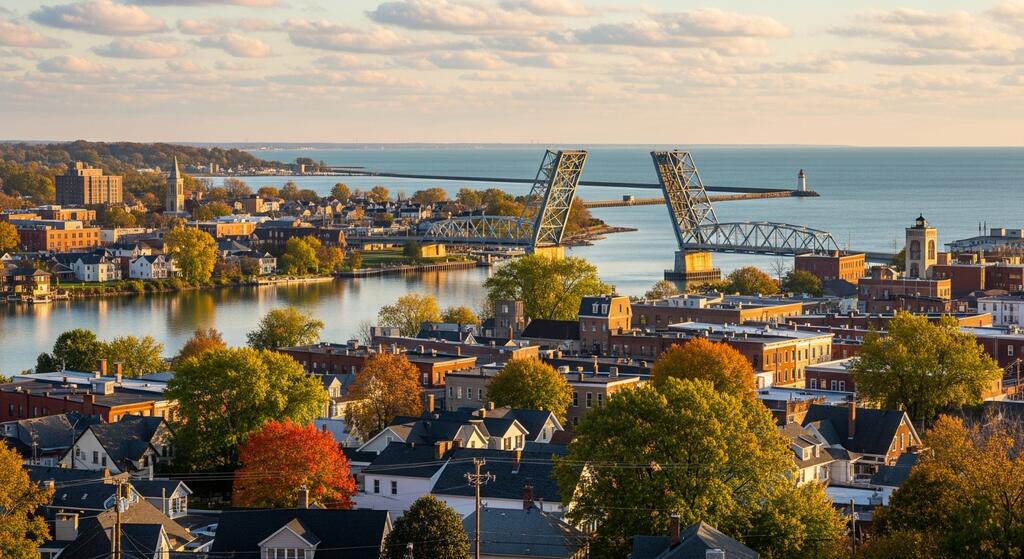
Damage Restoration in Ashtabula County, OH
- Damage Restoration Services Overview
- Common Damage Restoration Issues in Ashtabula County, Ohio
- Neighborhoods We Serve in Ashtabula County
- Seasonal Damage Patterns in Ashtabula County
- Housing Characteristics & Restoration Considerations
- Environmental Conditions & Damage Implications
- Emergency Response Timelines and Insurance Documentation in Ashtabula County
Damage Restoration Services Overview
Walking into a basement filled with water, or opening a door to the smell of smoke, changes your day in an instant. Property damage rarely announces itself, and the hours immediately afterward shape how much of your home or building can be saved.
Restoration teams serving Ashtabula County handle the full spectrum of emergency property damage, from Lake Erie shoreline homes in Ashtabula and Conneaut to farmhouses in the county's southern townships.
- Water Damage Restoration - extraction, structural drying, moisture mapping and monitoring after pipe breaks, appliance failures and roof leaks
- Flooded Basement - pump-out, removal of saturated storage and finishes, sanitizing of slab and block walls
- Sewage Cleanup - containment and disinfection of Category 3 contamination from backups, failed septic systems and overwhelmed municipal lines
- Fire Damage Restoration - board-up, debris removal, soot cleaning, and rebuilding of charred framing and finishes
- Smoke Damage Restoration - odor neutralization, HVAC cleaning, and treatment of walls, textiles and contents affected by residue
- Mold Removal - containment, HEPA filtration, removal of colonized materials and correction of the moisture source
Key benefits for county residents include faster drying that limits secondary mold growth, documentation that supports insurance claims, and one team coordinating cleanup through reconstruction.
Common Damage Restoration Issues in Ashtabula County, Ohio
Ashtabula County's position along Lake Erie's snowbelt, combined with older housing stock and a mix of municipal and septic sewer service, creates a distinct damage profile.
Local Causes of Damage
- Heavy lake-effect snow loads followed by rapid thaw, sending meltwater against foundations in Ashtabula, Geneva and Jefferson
- Ice dams on low-slope and older roofs pushing water into attics and ceilings
- Frozen and burst supply lines in unheated crawl spaces, seasonal cottages and vacant rentals
- Stormwater surges along the Ashtabula, Grand and Conneaut river corridors overwhelming sump pumps
- Sewer backups where combined or aging clay laterals meet root intrusion and downpour volume
- Septic saturation in rural townships with dense clay soils that drain slowly
- Wood stove, fireplace and space heater fires during long heating seasons
- Grease and kitchen fires that spread soot through open floor plans and ductwork
Warning Signs Worth Acting On
- Efflorescence, white chalky staining or peeling paint on block basement walls
- A musty odor that intensifies when the furnace or air conditioning cycles on
- Gurgling floor drains or slow basement fixtures during rain
- Buckling hardwood, soft drywall at baseboards, or cupped subfloor near dishwashers and water heaters
- Yellow-brown ceiling rings after snowmelt, pointing to ice dam intrusion
- Lingering campfire-like odor weeks after a small fire, indicating untreated smoke residue
- Visible growth behind furniture on exterior walls, common in poorly insulated older homes
Neighborhoods We Serve in Ashtabula County
Coverage extends across the county's lakefront cities, inland villages and rural townships.
- Ashtabula - Harbor district, West Side, and neighborhoods near Route 20 and the harbor bluffs
- Conneaut - lakefront properties, Broad Street corridor and surrounding township homes
- Geneva and Geneva-on-the-Lake - year-round residences plus seasonal cottages and resort properties
- Jefferson - county seat neighborhoods, historic homes and downtown commercial buildings
- Andover, Orwell, Rock Creek, Roaming Shores and Pierpont - lake community and village properties
- North Kingsville, Kingsville, Saybrook and Austinburg - suburban and highway-corridor properties
- Townships including Harpersfield, Trumbull, Plymouth, Sheffield, Monroe, Denmark, Colebrook and Wayne
Service also reaches nearby Madison, Lake County borders and western Pennsylvania edges for property owners with holdings on both sides of the line.
Seasonal Damage Patterns in Ashtabula County
Winter (December - February)
- Peak season for frozen and burst pipes, especially in Conneaut and Ashtabula snowbelt zones
- Ice dam leaks into attics, ceilings and exterior wall cavities
- Highest fire and smoke damage volume from heating appliances, chimneys and holiday cooking
Spring (March - May)
- Rapid snowmelt plus rain drives flooded basement calls countywide
- Sewage backups increase as stormwater loads laterals and septic fields saturate
- Mold growth accelerates in basements and crawl spaces left damp over winter
Summer (June - August)
- Thunderstorm downpours, sump pump failures and power outages during storms
- Air conditioning condensate leaks and humidity-driven mold on north-facing walls
- Seasonal cottage water losses discovered late after unattended failures
Fall (September - November)
- Clogged gutters and leaf-blocked downspouts pushing water toward foundations
- First heating cycles reveal furnace, flue and wood stove problems
- Early lake-effect events expose roof and flashing weaknesses
Housing Characteristics & Restoration Considerations
Much of Ashtabula County's housing predates 1970, with substantial numbers of homes built before 1940 in Ashtabula, Conneaut and Jefferson. Age and construction method directly shape how each loss is handled.
Common Construction Types
- Sandstone and fieldstone foundations - porous, mortar-jointed and prone to seepage, requiring longer drying cycles and careful moisture readings
- Concrete block basements - water travels inside the cores, so drilling weep holes or removing base drywall is often necessary
- Balloon-framed older homes - open wall cavities allow water and smoke to travel between floors, demanding cavity drying and thorough odor treatment
- Plaster and lath walls - hold moisture far longer than drywall and may be salvageable with targeted drying rather than demolition
- Farmhouses with crawl spaces - dirt floors and limited ventilation create persistent mold conditions
- Seasonal lake cottages - minimal insulation, shallow plumbing and long vacancies raise freeze and undetected-leak risk
- Newer subdivisions in Saybrook and Austinburg - finished basements with carpet, laminate and drywall that are quickly damaged by even shallow flooding
How This Affects Restoration Work
- Documenting pre-loss conditions in historic homes so original trim, flooring and millwork can be preserved
- Testing for asbestos-containing materials and lead paint before demolition in pre-1980 structures
- Extended structural drying for masonry, plaster and heavy timber assemblies
- Sealing and cleaning ductwork after fires, since older systems distribute soot aggressively
- Addressing insulation gaps and grading that caused repeat basement water intrusion
Environmental Conditions & Damage Implications
Local climate and ground conditions influence how quickly damage spreads and how long drying takes.
Climate and Moisture
- Lake-effect snowfall totals among the highest in Ohio, producing heavy spring meltwater volume
- High summer humidity off Lake Erie keeps indoor relative humidity elevated, feeding mold growth on cool basement surfaces
- Frequent freeze-thaw cycles crack foundations, mortar joints and exterior masonry, opening new water paths
- Steady annual precipitation with intense summer thunderstorm bursts that outpace older drainage systems
Soil and Water
- Dense glacial clay soils across much of the county drain slowly and hold water against foundation walls
- Hydrostatic pressure pushes moisture through block cores and floor-wall joints even without visible flooding
- Rural septic systems on clay struggle during wet stretches, contributing to backups requiring sewage cleanup
- Shallow water tables near river corridors and lakefront bluffs raise chronic basement dampness
Air Quality and Indoor Effects
- Tight winter closure traps smoke residue and combustion odors, prolonging smoke damage complaints
- Wood-burning stoves and outdoor fire pits add particulate that settles in ducts and on soft goods
- Damp-then-heated cycles in older homes create ideal conditions for hidden mold behind cabinets and closets
- Agricultural dust and pollen loads make HEPA filtration and post-remediation air scrubbing more effective when paired with duct cleaning
Emergency Response Timelines and Insurance Documentation in Ashtabula County
Rural geography matters here. A property in Wayne Township or Pierpont sits well over half an hour from the county's population centers, so response planning and what you do before crews arrive both carry weight.
What to Do First
- Stop the source if it is safe - shut the main water valve, kill power to affected circuits, or leave the building entirely after a fire
- Call for emergency service; 24/7 dispatch is standard for water, sewage and fire losses
- Photograph and video every affected room and contents before anything is moved
- Avoid entering standing water in a basement where outlets, furnaces or panels are submerged
- Keep off sewage-contaminated areas entirely - Category 3 water carries bacteria and viruses
- Move undamaged belongings to a dry, upper-level room if you can do so safely
How Documentation Supports Your Claim
- Moisture meter and thermal imaging readings recorded daily to show drying progress
- Psychrometric logs proving equipment placement was appropriate for the affected square footage
- Photo records of pre-existing conditions versus loss-related damage
- Itemized scopes written in estimating software adjusters recognize
- Contents inventories for salvageable, cleanable and non-restorable items
- Air sampling records before and after mold removal when clearance testing is requested
Working With Your Adjuster
Sewer backup and sump pump failure often require endorsements many older policies lack, so review coverage before spring. Mold claims frequently hinge on whether the underlying water loss was sudden and accidental rather than long-term seepage - which is why early reporting and thorough moisture records matter so much for Ashtabula County property owners.