Damage Restoration in Jefferson County, OH
- Damage Restoration Services Overview
- Common Damage Restoration Issues in Jefferson County, Ohio
- Neighborhoods We Serve in Jefferson County
- Seasonal Damage Patterns in Jefferson County
- Housing Characteristics & Restoration Considerations
- Environmental Conditions & Damage Implications
- Working Through an Insurance Claim After a Jefferson County Loss
Damage Restoration Services Overview

When water pours through a basement wall or smoke settles into every room of a house along the Ohio River valley, the fastest path back to normal starts with a trained crew and a clear plan. Professional restoration turns a chaotic situation into a documented, step-by-step recovery that protects both the building and the health of the people inside it.
Jefferson County property owners rely on a connected set of services that often overlap during a single loss event:
- Water Damage Restoration - extraction, structural drying, moisture mapping, and monitoring until materials reach dry standard
- Flooded Basement Recovery - pumping standing water, removing saturated contents, drying block and stone foundations
- Sewage Cleanup - handling Category 3 contamination with containment, removal of porous materials, and antimicrobial treatment
- Fire Damage Restoration - securing the structure, debris removal, soot cleaning, and rebuilding damaged assemblies
- Smoke Damage Restoration - cleaning residues from surfaces and HVAC systems, plus deodorization that treats odor at the source
- Mold Removal - containment, controlled removal of colonized materials, and correction of the moisture that fed growth
The benefits stack up quickly: reduced secondary damage, cleaner indoor air, preserved building value, and thorough documentation that supports an insurance claim from first photo to final walkthrough.
Common Damage Restoration Issues in Jefferson County, Ohio
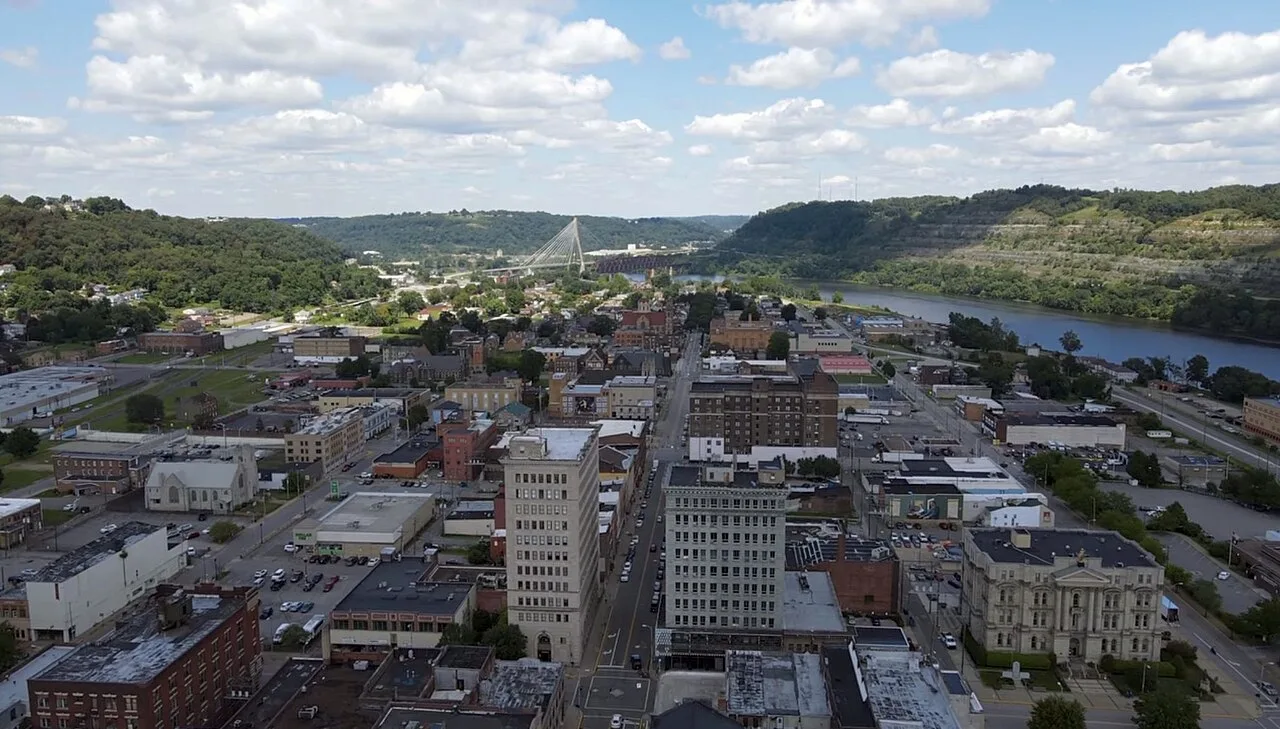
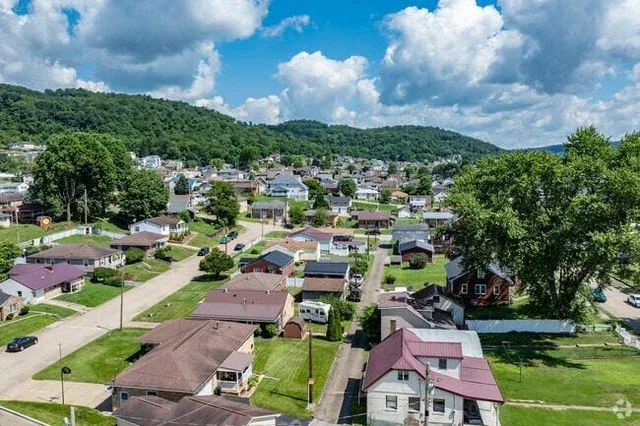
Jefferson County sits on steep terrain above the Ohio River, and that topography shapes nearly every loss our industry sees here. Runoff funnels downhill toward foundations, older sanitary lines struggle during heavy rain, and hillside homes in Steubenville, Toronto, and Mingo Junction contend with hydrostatic pressure that pushes moisture through masonry walls.
Recurring Causes of Damage
- Storm runoff and saturated hillside soils forcing water through block foundations
- Sump pump failure during multi-day rain or power outages
- Frozen and burst supply lines in unheated crawl spaces and porch walls
- Combined or aging sewer laterals backing up into floor drains
- Kitchen fires, chimney and flue issues, and space heater incidents during cold months
- Long-term humidity in unconditioned basements feeding mold on joists and stored contents
Warning Signs Worth Acting On
- Musty odor that intensifies after rainfall or when the furnace cycles
- Efflorescence, chalky white staining, or flaking paint on basement walls
- Buckled hardwood, cupped laminate, or soft spots in subfloor near exterior walls
- Gurgling drains or slow floor drains, which often precede a sewage backup
- Yellow-brown staining on ceilings, indicating a slow roof or plumbing leak
- Lingering smoke smell that returns on humid days after a small fire was cleaned up
Catching these early keeps a water loss from becoming a mold remediation project and keeps a small soot event from permanently staining finishes.
Neighborhoods We Serve in Jefferson County
Response covers the full county, from the river communities to the rural townships west of Route 43.
- Steubenville - downtown, North End, Pleasant Heights, LaBelle, and the university district
- Toronto and Empire - river-adjacent homes with older masonry basements
- Mingo Junction and Brilliant - dense older housing stock along the valley floor
- Wintersville and Bloomingdale - post-war and mid-century suburban neighborhoods
- Richmond, Amsterdam, Adena, Dillonvale, Smithfield, and Yorkville
- Rayland, Tiltonsville, Stratton, and New Alexandria
- Rural properties throughout Cross Creek, Island Creek, Wells, and Steubenville Townships
Crews also support surrounding areas in Harrison, Carroll, and Belmont counties, plus nearby Ohio Valley communities across the river when regional storms create widespread demand.
Seasonal Damage Patterns in Jefferson County
Losses in the Ohio Valley follow a predictable rhythm, and knowing the calendar helps homeowners prepare instead of react.
- December - February: Frozen pipe breaks, ice damming on low-slope roofs, chimney and heating-related fires, and smoke damage from wood stoves and furnaces
- March - April: Snowmelt combined with spring rain saturates hillside soils; flooded basements and sump pump failures peak, followed by sewer backups when systems reach capacity
- May - June: Severe thunderstorms bring wind, hail, and roof-driven water intrusion; groundwater stays high
- July - August: Humidity above 70 percent turns damp basements and crawl spaces into active mold sites; condensation on ductwork and cold-water lines adds hidden moisture
- September - October: Remnant tropical systems occasionally track through, dropping several inches of rain in a day and overwhelming storm drains
- November: First heating cycle of the season releases dust and puff-back odors; early freezes catch unwinterized outdoor spigots
Scheduling gutter cleaning, sump testing, and furnace inspection ahead of each shoulder season prevents the majority of these calls.
Housing Characteristics & Restoration Considerations
Jefferson County has some of the oldest housing stock in eastern Ohio, much of it built during the steel and coal boom between the 1890s and the 1950s. That history changes how restoration is planned and executed.
Common Construction Features
- Stone, brick, and hollow-block foundations that wick moisture and hold water in mortar joints
- Balloon-framed walls that let fire, smoke, and moisture travel vertically between floors unchecked
- Plaster-over-lath walls that absorb water and soot differently than modern drywall
- Original hardwood floors over plank subfloor with gaps that trap contamination
- Coal chutes, converted coal rooms, and low-clearance crawl spaces with dirt floors
- Cast iron and clay drain lines prone to root intrusion and sewage backup
How This Shapes the Work
- Moisture readings are taken behind plaster and inside wall cavities, not just at surface level, since older assemblies dry slowly
- Pre-1980 homes are screened for asbestos in floor tile, pipe wrap, and plaster before any demolition, with lead-safe practices used on painted surfaces
- Containment is built tightly around work areas because balloon framing offers few natural barriers
- Drying plans allow extra time for dense materials like brick, plaster, and old-growth lumber
- Deodorization addresses smoke that has migrated into wall cavities and attic spaces through open framing paths
Newer subdivisions around Wintersville and Richmond bring different concerns - finished basements, engineered flooring, and sealed envelopes that trap humidity when a leak goes unnoticed.
Environmental Conditions & Damage Implications
The county averages roughly 40 inches of precipitation annually, spread fairly evenly across the year, with humid summers and freeze-thaw cycling through winter. Those conditions directly influence how damage develops and how restoration is approached.
Local Environmental Factors
- Clay-heavy and shale-based soils: drain slowly, expand when saturated, and press against foundation walls, opening cracks that admit water
- Steep valley topography: concentrates runoff toward homes built into hillsides, raising flooded basement risk even without river flooding
- Ohio River proximity: elevates the water table in low-lying areas of Steubenville, Brilliant, and Rayland
- Summer dew points in the 65-72 degree range: sustain the surface moisture mold needs to colonize within roughly 24 to 48 hours
- Legacy industrial dust and mineral-rich well water: leaves deposits that complicate cleaning and can stain surfaces after water exposure
- Freeze-thaw cycles: widen mortar cracks each winter, creating new entry points every spring
What That Means for Response
- Dehumidification is sized for regional humidity, not textbook averages, so materials actually reach dry standard
- Sewage and Category 3 losses receive full containment because saturated clay soils slow drainage and prolong exposure
- Post-fire cleaning accounts for acidic soot combining with valley humidity, which accelerates corrosion on metal and etching on glass
- Moisture sources are corrected - grading, downspouts, sump discharge - before mold work is considered finished
Working Through an Insurance Claim After a Jefferson County Loss
The damage itself is only half the problem. The other half is proving what happened, what it affected, and what it takes to put things right - and that documentation is where thorough restoration work separates itself.
What Detailed Documentation Includes
- Photo and video capture of every affected room before any material is removed
- Moisture maps showing readings at specific wall, floor, and ceiling locations
- Daily atmospheric logs recording temperature, relative humidity, and equipment placement
- Written inventory of damaged contents, separated into salvageable and non-salvageable
- Notes on pre-existing conditions such as prior water staining or aging plumbing
- Air sampling or surface sampling results when mold is part of the loss
- Line-item scopes written in the estimating formats adjusters use daily
How the Process Typically Moves
- Emergency mitigation begins immediately to stop ongoing damage - extraction, board-up, tarping, or containment
- The loss is documented in full before demolition, creating the record the claim rests on
- Your carrier is notified and a claim number issued; the restoration team communicates directly with the assigned adjuster
- Drying and cleaning proceed with daily readings until targets are met and verified
- A repair scope is prepared and reviewed alongside the adjuster's estimate, with any differences discussed openly
- Reconstruction restores finishes, and a final walkthrough confirms the work matches the approved scope
Coverage outcomes depend on your specific policy and the cause of loss, so no one should promise a result. What can be promised is precision: every reading logged, every material accounted for, every change communicated to you and your insurer as it happens. For Jefferson County homeowners dealing with a flooded basement, a sewage backup, or fire and smoke damage in an older valley home, that level of detail keeps the claim moving and keeps you from carrying the burden alone.