
Damage Restoration in Toronto, OH
- Damage Restoration Services Overview
- Common Damage Restoration Issues in Toronto, Ohio
- Neighborhoods We Serve in Toronto
- Seasonal Damage Patterns in Toronto
- Housing Characteristics & Restoration Considerations
- Environmental Conditions & Damage Implications
- Modern Drying Technology for Ohio River Valley Basements
Damage Restoration Services Overview
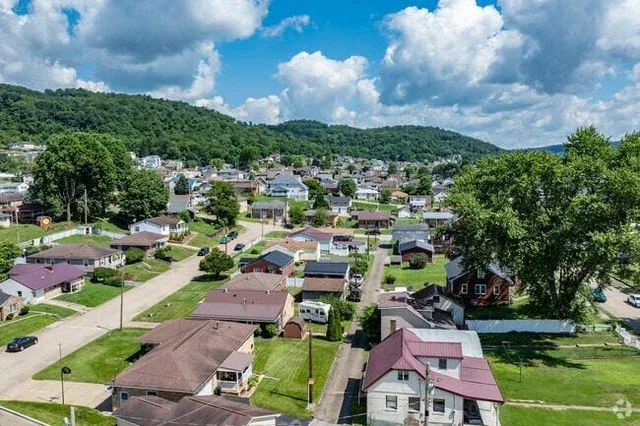
Toronto sits on a narrow shelf of land between the Ohio River and the steep hillsides of Jefferson County, and that geography shapes nearly every restoration call in the area. River-adjacent properties contend with high water tables and backwater flooding, while homes climbing the bluffs above Fourth Street deal with hillside runoff pushing against foundation walls.
Property owners here need restoration partners who recognize how century-old brick homes, retrofitted basements, and aging municipal sewer connections respond to sudden moisture and heat exposure.
- Water Damage Restoration - extraction, structural drying, and moisture mapping after burst pipes, appliance failures, and roof leaks
- Flooded Basement Recovery - pump-out, sump and drain evaluation, and drying of block and stone foundation walls
- Sewage Cleanup - containment, removal of contaminated porous materials, and antimicrobial treatment of Category 3 losses
- Fire Damage Restoration - stabilization, debris removal, soot cleaning, and rebuilding of damaged assemblies
- Smoke Damage Restoration - residue removal from surfaces and contents plus odor neutralization through the HVAC system
- Mold Removal - containment barriers, negative air pressure, material removal, and moisture source correction
Emergency crews respond on a 24/7/365 basis, because the first hours after a loss determine how much original material can be saved and how far contamination travels through a structure.
Common Damage Restoration Issues in Toronto, Ohio
Toronto's damage patterns follow the Ohio Valley's cycle of heavy spring rain, humid summers, and freeze-thaw winters. Older infrastructure amplifies each of those pressures.
Recurring Causes of Loss
- Ohio River backwater and tributary flooding along low-lying riverfront parcels
- Hillside stormwater sheeting down toward homes built into the slopes
- Combined and aging sanitary lines that surcharge during cloudbursts, forcing sewage into floor drains
- Frozen and split supply lines in uninsulated crawl spaces and unheated basements
- Galvanized and copper pipe failures in homes with original mid-century plumbing
- Chimney, wood stove, and space heater fires during long heating seasons
- Electrical faults in knob-and-tube or early panel systems that were never fully replaced
Warning Signs Worth Acting On
- Efflorescence, chalky white staining, or dampness at the base of block basement walls
- Musty odors that intensify when the furnace or air conditioning cycles on
- Cupping hardwood, blistering paint, or soft drywall along exterior walls
- Slow floor drains or gurgling fixtures before a storm - often the first sign of a sewer backup
- Yellow-brown staining on ceilings after ice damming or wind-driven rain
- Lingering smoke odor weeks after a small kitchen fire, indicating residue in ductwork and insulation
Ignoring these signals allows a clean-water event to become a mold remediation project within days, particularly during humid Ohio Valley summers.
Neighborhoods We Serve in Toronto
Crews cover the full city and the surrounding stretch of Jefferson County along State Route 7.
- Downtown Toronto and the Third and Fourth Street business corridor
- Riverfront and Daniels Street area properties near the Ohio River bank
- Hillside residential streets rising toward Trenton Avenue and the school campuses
- Newburg and adjacent unincorporated pockets north of the city
- Knoxville, Empire, Stratton, and Yorkville along the river corridor
- Steubenville, Wintersville, and Mingo Junction to the south
- Rural Island Creek and Knox Township properties on private wells and septic systems
Service reaches manufactured homes, historic brick residences, riverfront cottages, churches, schools, and small commercial buildings. Response routes account for the steep grades and narrow streets common throughout the area, so equipment trailers and extraction units reach hillside driveways without delay.
Seasonal Damage Patterns in Toronto
Winter (December - February)
- Frozen pipe bursts in crawl spaces, garages, and vacant properties
- Ice damming that forces meltwater beneath shingles and into attic insulation
- Peak heating-season fire and smoke damage from furnaces, flues, and portable heaters
Spring (March - May)
- Snowmelt combined with river rise driving basement flooding
- Sewer surcharges and sump pump overload during sustained rainfall
- Mold growth beginning in basements that were never fully dried after winter events
Summer (June - August)
- Severe thunderstorms, downbursts, and hail producing roof and window breaches
- Power outages that disable sump pumps mid-storm
- High dew points accelerating mold colonization in cool basements and closed-up rooms
Fall (September - November)
- Clogged gutters and leaf-choked downspouts redirecting water to foundations
- Remnants of tropical systems tracking up the Ohio Valley with heavy rain
- First furnace startups igniting dust and revealing flue defects that cause smoke damage
Housing Characteristics & Restoration Considerations
Toronto's housing stock reflects its industrial heritage, with many homes built between the 1900s and the 1960s during the pottery and steel era. Restoration approaches must respect those materials rather than treat them like modern construction.
Common Construction Features
- Sandstone, brick, and concrete block foundations with limited or no exterior waterproofing
- Plaster over wood lath on original interior walls
- Balloon framing in older two-story homes, creating open cavities from basement to attic
- Original hardwood flooring over board subfloor with minimal vapor separation
- Retrofit basements finished with paneling, carpet, and unsealed drop ceilings
- Knee-wall attics and low-clearance crawl spaces that trap humidity
How This Shapes the Work
- Balloon-framed wall cavities channel smoke, soot, and moisture vertically, so inspection extends far beyond the visible damage zone.
- Plaster holds water differently than drywall, requiring extended drying and careful moisture readings before any decision to remove it.
- Masonry foundations wick groundwater continuously, meaning basement drying pairs with drainage correction to prevent repeat mold growth.
- Pre-1980 homes may contain asbestos in floor tile, pipe wrap, and joint compound, plus lead paint - testing precedes demolition.
- Finished basement materials such as carpet pad and paneling are generally unsalvageable after sewage contamination and are removed under containment.
- Original woodwork, mantels, and trim are cleaned and preserved wherever moisture and soot levels allow.
Environmental Conditions & Damage Implications
The Ohio Valley climate delivers roughly 40 inches of annual precipitation, high summer humidity, and a freeze-thaw winter that stresses building envelopes. Toronto's setting in a river valley traps moisture and holds it against structures longer than open terrain would.
Local Conditions That Drive Damage
- Valley humidity - morning fog and stagnant air keep basements above the 60 percent relative humidity threshold where mold thrives
- Clay-heavy and shale-derived soils - poor percolation forces stormwater laterally against foundation walls instead of downward
- Steep hillside grades - concentrated runoff arrives fast and with sediment that clogs drains and window wells
- High water table near the river - hydrostatic pressure pushes moisture through block cores and floor-wall joints
- Industrial-era air quality legacy - accumulated dust and residues in older attics complicate post-fire cleaning
- Hard, mineral-rich water - scale buildup contributes to water heater and supply line failures
Restoration Adjustments
- Dehumidification is sized for valley humidity loads rather than generic square-footage tables
- Drying targets reference local seasonal equilibrium moisture content, not national averages
- Sewage and river-influenced flooding is treated as Category 3 contamination with full PPE and containment
- Post-fire cleaning accounts for both fresh soot and legacy dust that binds odor compounds
- Exterior grading, downspout extension, and window well repair are recommended as part of long-term mold prevention
Modern Drying Technology for Ohio River Valley Basements
Basement losses are the most frequent restoration project in Toronto, and they are also the ones most often handled incorrectly. A shop vacuum and a household fan may dry a surface, but they leave moisture locked inside block cores, sill plates, and subfloor cavities - the exact places mold colonies establish.
The Equipment That Changes Outcomes
- Thermal imaging cameras - reveal temperature anomalies that indicate hidden moisture behind paneling and above ceilings
- Penetrating and non-penetrating moisture meters - document actual readings in framing, plaster, and masonry rather than relying on appearance
- Truck-mounted and portable extraction units - remove standing water and deep-set moisture from carpet and concrete quickly
- Low-grain refrigerant dehumidifiers - pull vapor out of the air at the low humidity levels required to finish a masonry basement
- Air movers positioned for directional airflow - accelerate evaporation across walls, floors, and cavity openings
- Negative air machines with HEPA filtration - contain mold spores and sewage aerosols during removal
- Injectidry and cavity drying systems - dry wall interiors and under-floor spaces without full demolition
- Hydroxyl and thermal fogging equipment - neutralize smoke and sewage odor at the molecular level
How a Project Progresses
- Emergency response, safety assessment, and identification of the water or contamination source
- Water extraction or fire debris removal, with containment established for contaminated categories
- Removal of unsalvageable porous materials and antimicrobial application to remaining surfaces
- Placement of drying equipment with daily moisture documentation until target readings hold
- Soot cleaning, deodorization, and content restoration for fire and smoke losses
- Post-remediation verification, then reconstruction of removed assemblies
Daily readings also build the documentation package insurance adjusters expect, which keeps claims moving while the drying work continues.




